

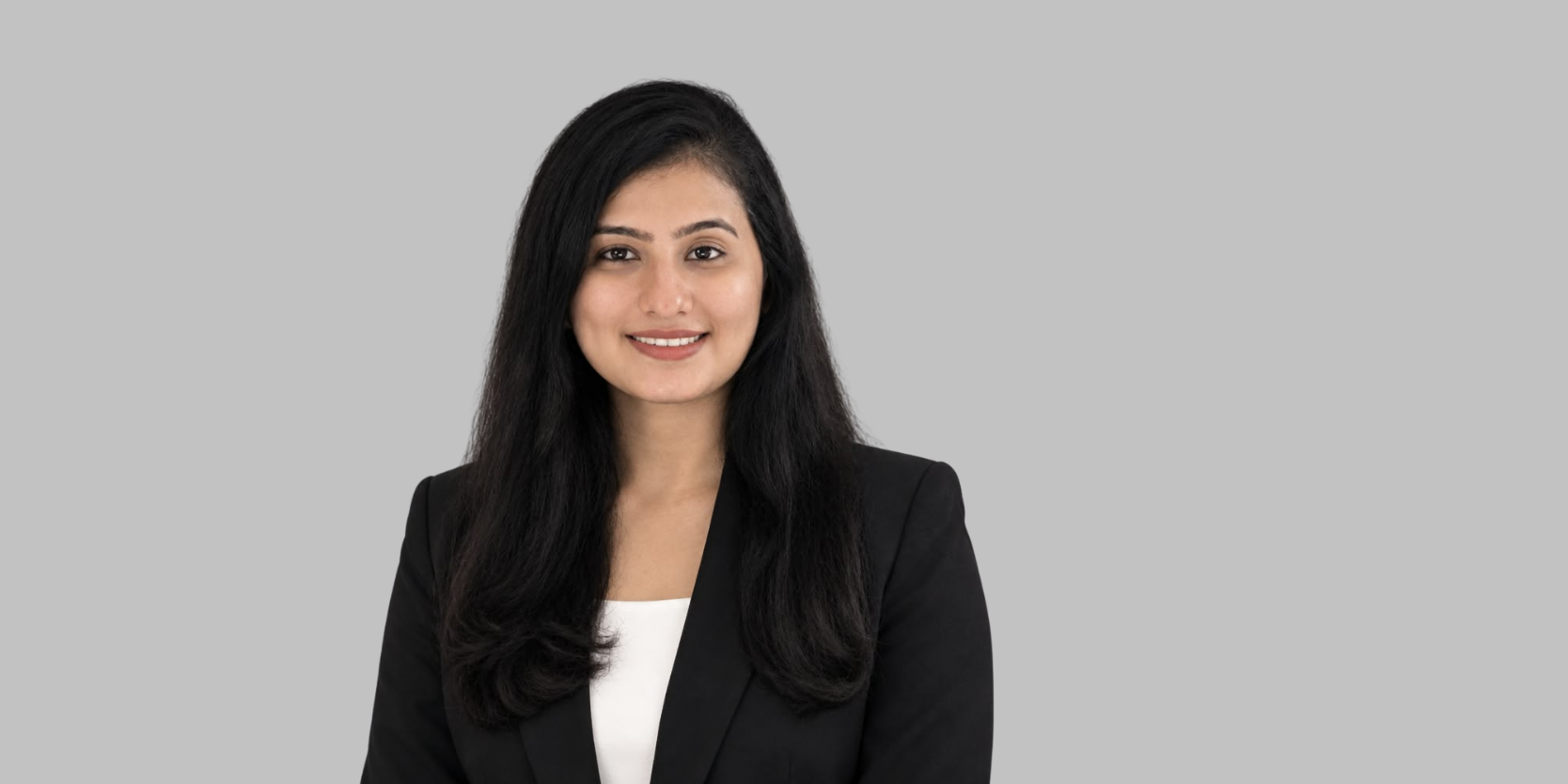



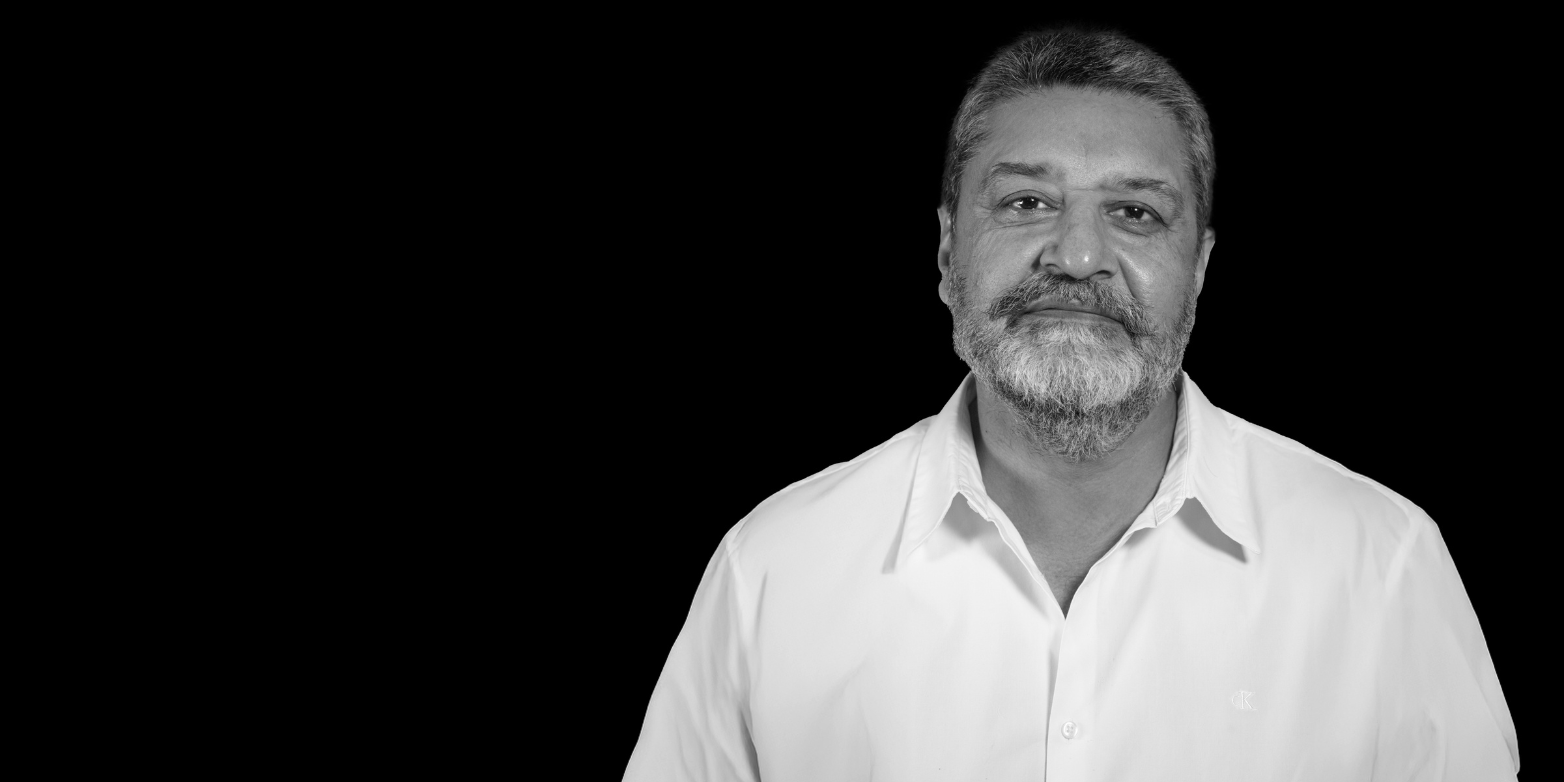
By Pranjal Kumat, Dietitian
In a country facing a rising burden of both undernutrition and metabolic disease, the role of dietetics is expanding beyond calorie counts and lifestyle advice. Nutrition today demands a practice that can engage clinical complexity, fitness-driven goals, and regulatory standards in food science. It was through three distinct, grounded experiences that I learned how to view this field as more than a discipline, it became a responsibility rooted in evidence, relevance, and adaptability.
My first year of hands-on work unfolded inside a fitness club. Here, I supported clients in their pursuit of composition goals, endurance performance, and structured weight management. Each nutrition plan was tailored to fit a lifestyle, not a formula. I learned quickly that people don’t eat nutrients, they eat habits. The plans I built accounted for macronutrient precision, meal timing, and adherence strategies. The feedback loop was clear: body transformation outcomes came from behavioral understanding as much as dietary logic.
Stepping out of this setting and into the wards of Mahatma Gandhi Medical College and Hospital revealed a different side of the nutrition spectrum. During my six-month internship in the clinical dietetics department, I assisted with patient care under the guidance of doctors, therapeutic dietitians, and clinical staff. The focus shifted to patients navigating chronic illnesses, diabetes, renal disease, cardiovascular complications, and gastrointestinal disorders. Medical nutrition therapy wasn’t just about numbers; it was about healing. It involved understanding pathophysiology, metabolic stress, and the emotional landscape of those managing illness. The transition from wellness-based planning to hospital-grade intervention taught me that food is not just fuel, it is treatment, recovery, and prognosis management.
The third phase of my training took place in a laboratory, not a kitchen or clinic. I completed a 45-day internship at FICCI FRAC Labs, where food analysis, safety protocols, and regulatory frameworks formed the core curriculum. Here, I was trained in nutritional labeling, food composition testing, and safety compliance under ISO and NABL standards. This phase taught me how ingredients translate to data. From batch samples to shelf-life estimation, I learned the critical link between public trust and food system transparency.
These three stages, applied nutrition in fitness, clinical care in hospitals, and regulatory insight in labs, shaped the dietetic philosophy I now carry forward. Nutrition is not isolated to one patient, one meal, or one setting. It spans intent, risk, and scale.
India’s evolving health landscape confirms the need for this approach. According to the Indian Council of Medical Research, the country is witnessing a sharp rise in metabolic obesity even among individuals with normal body mass. A growing segment of the population now lives with undiagnosed diabetes, micronutrient deficiencies, or chronic lifestyle-driven disease. Public health systems are catching up, but dietetics must lead, not follow.
I do not believe in generalised advice. Every consultation, plan, or intervention must carry context, clinical, personal, and even environmental. It is not enough to know what works in theory. We need to understand what works for whom, in what setting, and why.
My experiences across these three settings did more than expand my technical skills. They allowed me to see dietetics as an integrative system, one that connects health outcomes with food literacy, regulatory accuracy, and the realities of lived behavior. Whether working with a patient in recovery, an athlete aiming to enhance performance, or a brand committed to clean labels, my approach remains consistent: evidence over assumption, clarity over complication.
As I continue on this professional path, I remain committed to pushing for nutrition that works, not in concept, but in context.
At Prittle Prattle News, we honor your dedication and inventiveness led by showcasing you in a positive light. Under the direction of Editor-in-Chief Smruti Bhalerao, our platform is committed to disseminating powerful narratives that raise awareness and motivate change. For more important stories, follow us on LinkedIn, Instagram, and YouTube.
About Prittle Prattle News
Prittle Prattle News is a digital news publication covering business, technology, healthcare, education, lifestyle, public affairs and other developments from India and around the world. Led by Editor-in-Chief Smruti Bhalerao, we publish timely news, industry updates and feature stories for a broad readership.













Add Comment