





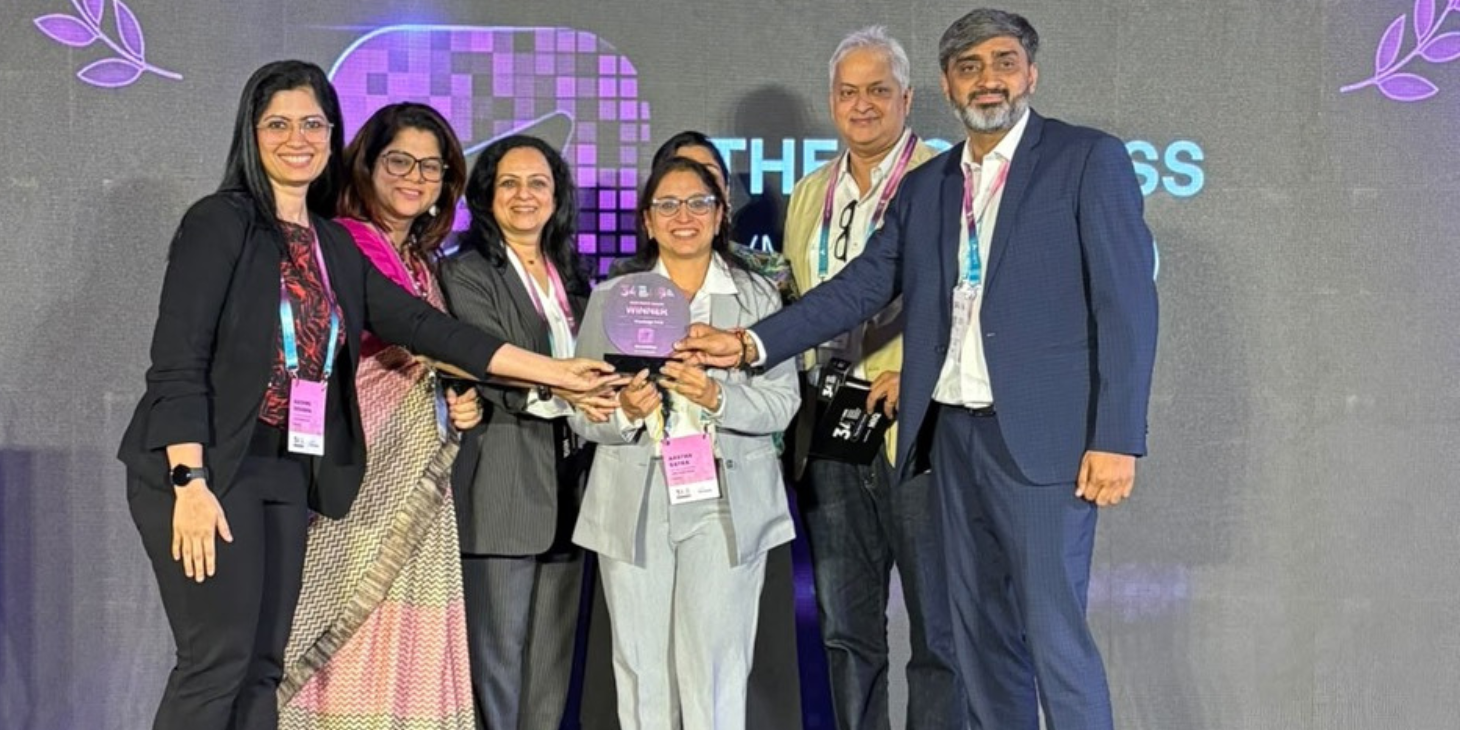

Saumil Majmudar, Co founder, CEO and Managing Director, Sportz Village, presents findings from study of 1,41,840 students across 333 schools in 112 cities tracking seven fitness benchmarks and post pandemic recovery
Bengaluru, February 26, 2026: Only one in three school children in India can sustain basic cardiorespiratory activity without running out of breath, according to the 14th Annual Health Survey 2026 released by Sportz Village EduSports. The nationwide assessment covered 1,41,840 children across 333 schools in 112 cities, making it one of the most extensive school fitness studies conducted in India.
Launched in 2010, the Annual Health Survey evaluates seven parameters including Body Mass Index, aerobic capacity, anaerobic capacity, upper body strength, lower body strength, core strength and flexibility. The 2026 edition provides longitudinal data tracking post pandemic recovery patterns and the measurable impact of structured Physical Education.
Aerobic capacity remains the weakest benchmark. In 2025, only 34.4 percent of students met aerobic standards, rising from 27.5 percent in 2023. Two out of three children continue to fall short of sustaining basic endurance activity. The survey identifies aerobic fitness as a key indicator of long term cardiovascular health.
Body composition trends show limited change. Forty percent of children fall outside a healthy Body Mass Index range. The percentage within a healthy range moved marginally from 59.1 percent in 2023 to 59.6 percent in 2025. In addition, 49 percent of children do not meet upper body strength benchmarks and 44 percent fall below lower body strength standards.
The survey also tracks the pandemic impact. In 2020, 70.5 percent of students met overall fitness benchmarks. This dropped to 56.2 percent in 2022 following prolonged school closures. Recovery accelerated thereafter, with 84.4 percent meeting benchmarks in 2024 and 84.8 percent in 2025.
Students enrolled in structured Physical Education programmes for two consecutive years improved overall fitness from 66 percent to 82 percent. Schools conducting more than 80 Physical Education sessions annually recorded 86 percent overall fitness.
Saumil Majmudar, Co founder, CEO and Managing Director, Sportz Village, said, “This year’s findings rearm something we have always believed, healthy childhoods are intentionally built. At a time when children are facing rising lifestyle related health risks and growing emotional pressures, building healthy habits early has never been more important. Schools play a critical role by designing structured opportunities for movement, but lasting impact comes when families and communities support the same environment. As a country, we must continue to track and understand children’s well being at scale, so that we can respond meaningfully and collectively. The opportunity before us is clear, to act with intent today and create healthier, happier childhoods for the years ahead.”
Gender comparisons show girls outperform boys in five of seven parameters including Body Mass Index, flexibility, core strength, upper body strength and anaerobic capacity. However, only 27 percent of girls meet aerobic capacity benchmarks compared to 41 percent of boys, marking the widest gender gap in the survey.
Public and government school students outperform private school peers in five of seven parameters, including aerobic capacity at 40 percent versus 33 percent and anaerobic capacity at 81 percent versus 62 percent.
The findings underline that structured, assessment driven Physical Education produces measurable improvements, and that consistent intervention is central to long term fitness gains.
At Prittle PrattleNews, featuring you virtuously, we celebrate the commitment and innovation. Led by Editor-in-Chief Smruti Bhalerao, our platform is dedicated to sharing impactful stories that inspire change and create awareness. Follow us on LinkedIn, Instagram, and YouTube for more stories that matter.
About Prittle Prattle News
Prittle Prattle News is a digital news publication covering business, technology, healthcare, education, lifestyle, public affairs and other developments from India and around the world. Led by Editor-in-Chief Smruti Bhalerao, we publish timely news, industry updates and feature stories for a broad readership.









Add Comment