




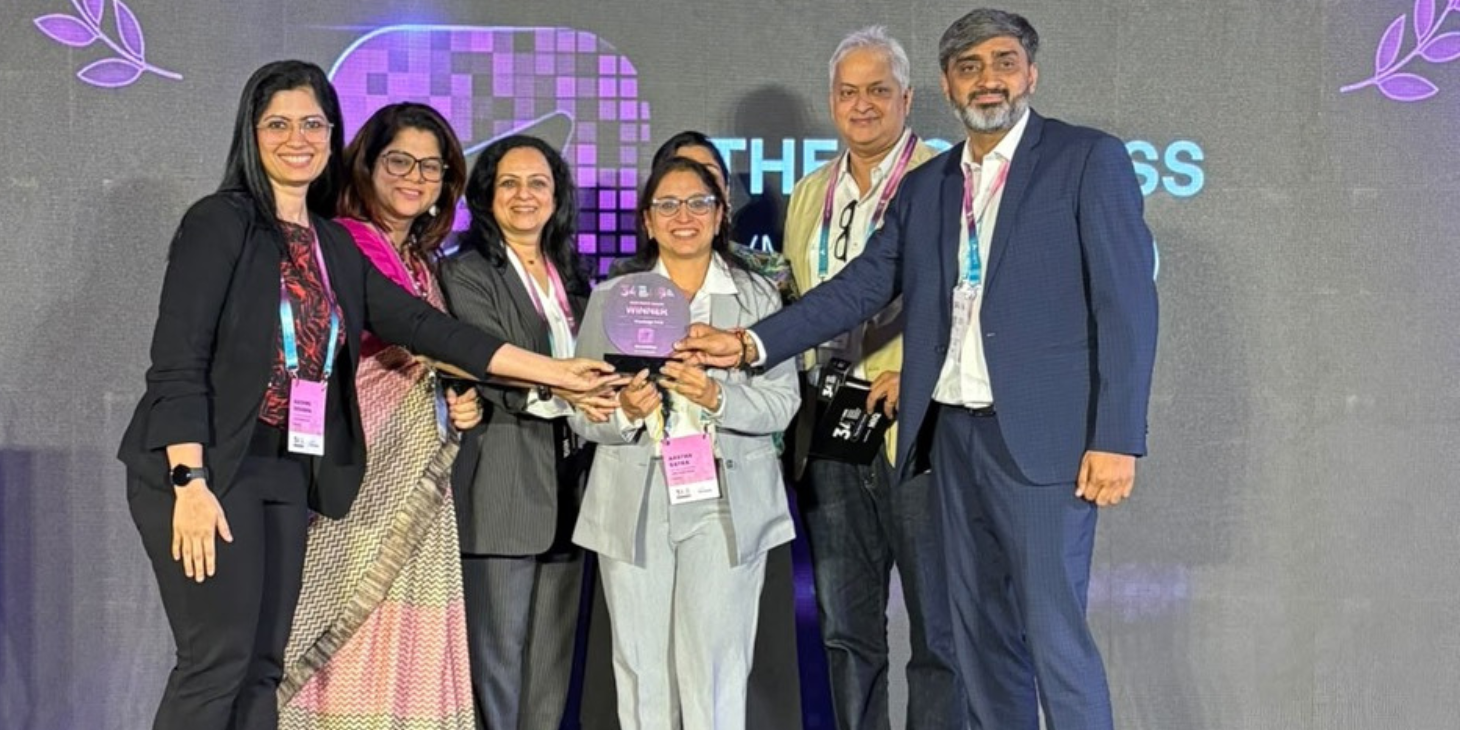

Mr. Ravi Pandit, Chairman of KPIT Technologies, said the 12th edition of KPIT Sparkle saw over 2400 idea submissions nationwide, with the top honour going to SignVisor from Saintgits College of Engineering for a smart glass interface translating sign language in real time.
Mumbai, March 8, 2026: Engineering students across India are increasingly applying artificial intelligence and systems thinking to solve real world problems, reflecting how academic innovation is evolving alongside developments in mobility engineering and software defined systems.
This shift was evident at KPIT Sparkle 2026, the flagship innovation platform organised by KPIT Technologies that connects students with industry defined engineering challenges through prototype based development.
The 12th edition of the program recorded more than 2400 idea submissions from students across the country, marking nearly threefold growth compared with the previous year. Participating teams worked on projects that addressed real industry challenges including intelligent mobility systems, software engineering reliability, energy efficient transportation technologies and assistive technology solutions.
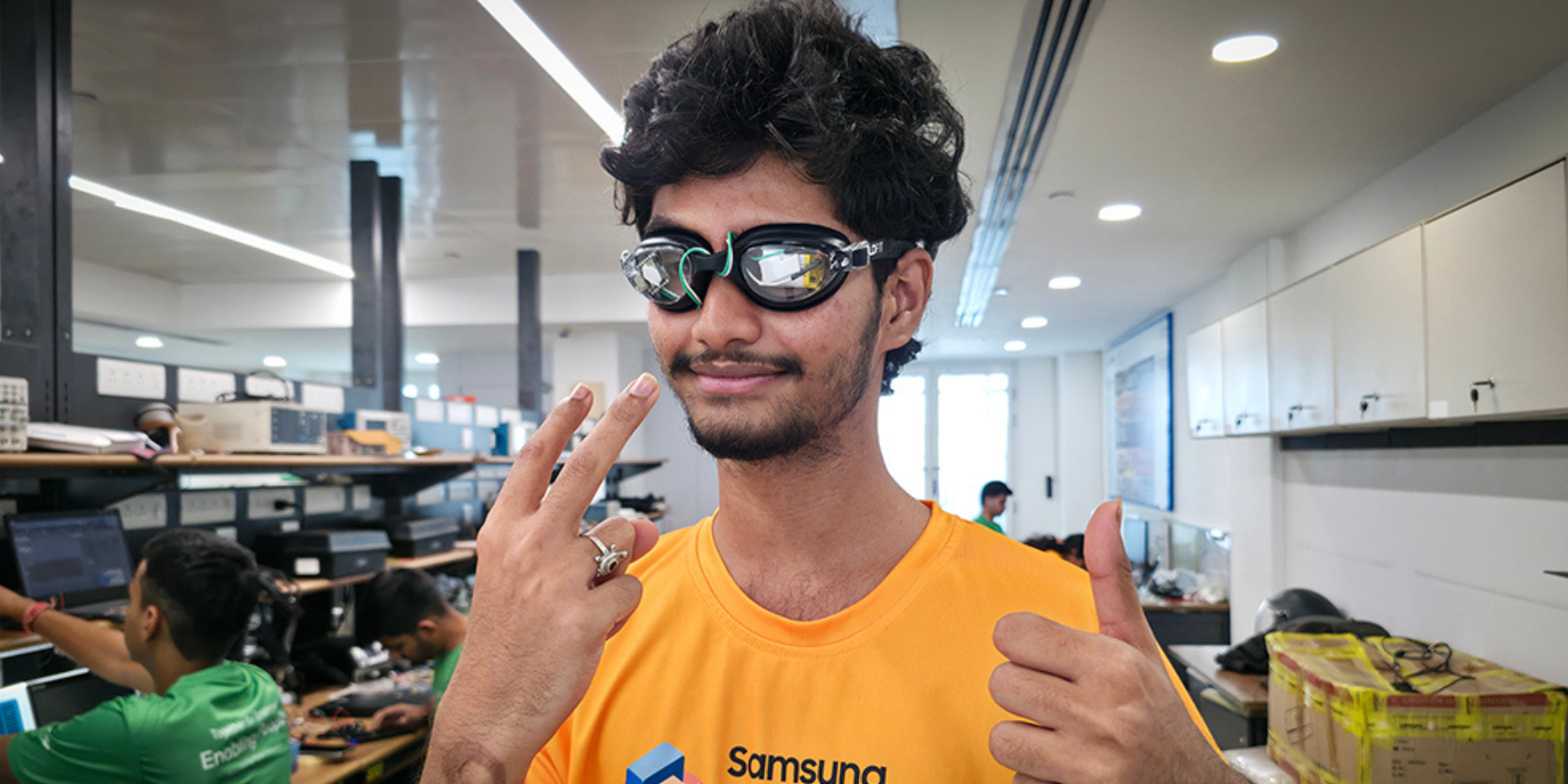
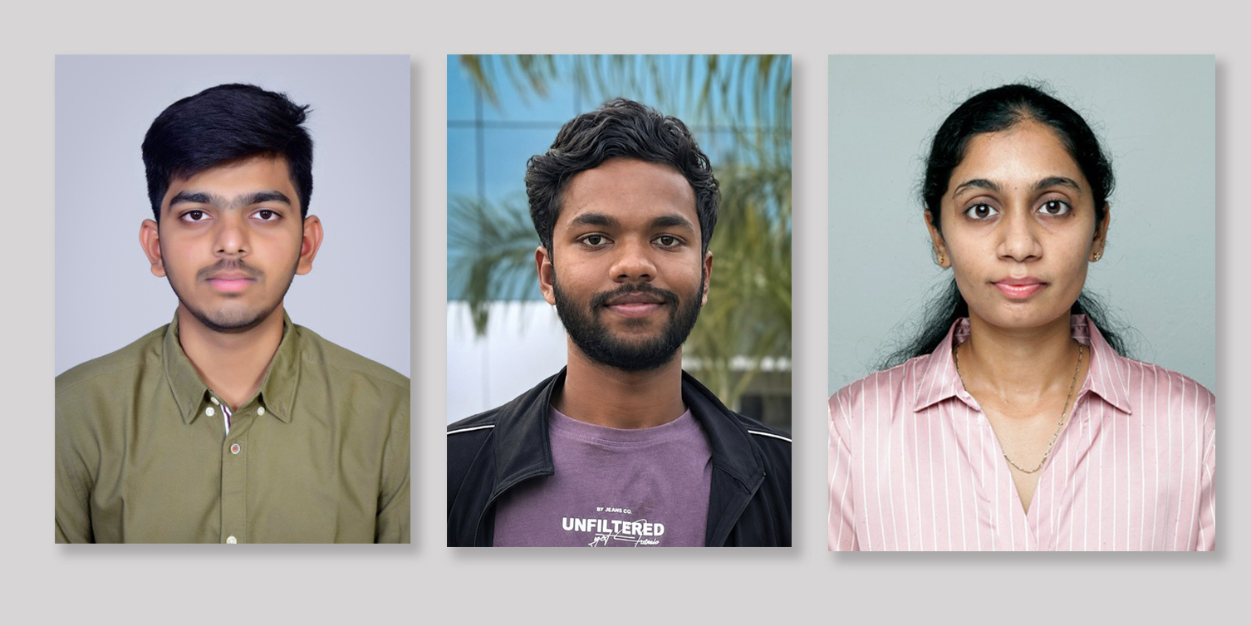
The top honour of the competition, the Platinum Award carrying a prize of ₹10 lakh, was awarded to SignVisor, a smart glass interface designed for sign language translation. Developed by students from Saintgits College of Engineering in Kottayam, the wearable interface translates sign language in real time to improve communication accessibility.
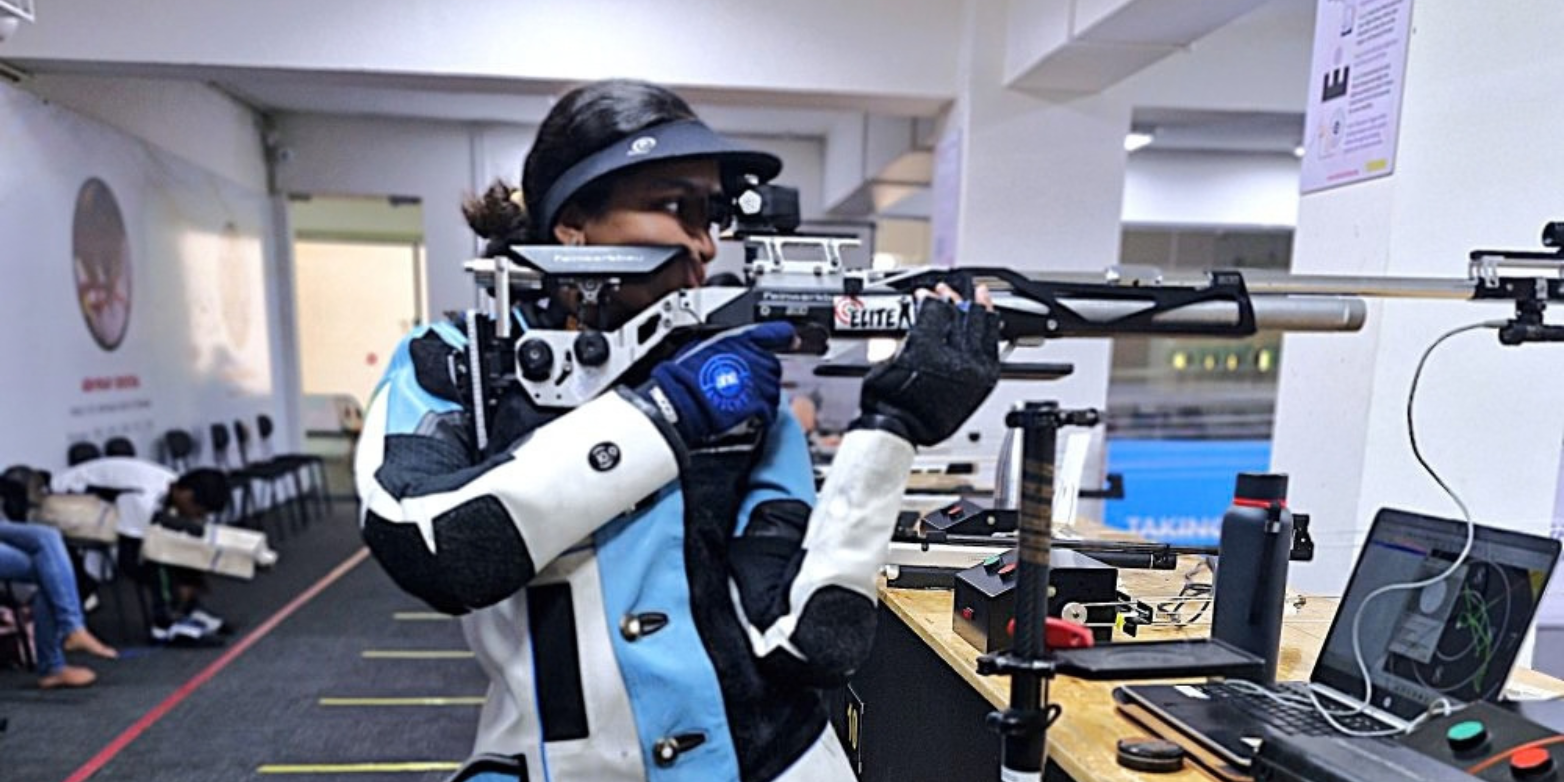
The Gold Award of ₹7 lakh was presented to ScoutEdge, an AI powered global sports intelligence ecosystem developed by a team from Indian Institute of Technology Madras.
The third prize of ₹3 lakh went to Laparoscopic Simulator, a training solution developed by Pune Vidyarthi Grihas College of Engineering and Technology in Pune.
Mr. Ravi Pandit, Chairman of KPIT Technologies, said engineering innovation is increasingly shaped by the integration of software, artificial intelligence and physical systems.
Mr. Ravi Pandit said that the program demonstrated how students are moving from concept based experimentation toward building solutions that address real engineering challenges faced by the industry.
The year long innovation program included mentoring and evaluation by KPIT engineering leaders and domain specialists. Participants received guidance in defining industry relevant problem statements and developing prototypes through multiple stages of technical review.
While human experts led the final evaluation process, artificial intelligence based tools were also used to support assessment at scale and maintain consistency during project reviews.
The 16 finalist teams presented projects spanning several emerging technology areas including contextual AI for software engineering, intelligent consumer systems, edge AI architectures, simulation driven vehicle engineering and algorithms for control systems.
Additional focus areas included autonomous navigation for ground and aerial vehicles, smart motion control systems, assistive exoskeleton technologies and integration of fuel cell technologies in electric vehicle powertrains.
Organisers said the program aims to bring academic innovation closer to real world engineering challenges while preparing emerging engineers for evolving technology ecosystems.
At Prittle PrattleNews, featuring you virtuously, we celebrate the commitment and innovation. Led by Editor-in-Chief Smruti Bhalerao, our platform is dedicated to sharing impactful stories that inspire change and create awareness. Follow us on LinkedIn, Instagram, and YouTube for more stories that matter.
About Prittle Prattle News
Prittle Prattle News is a digital news publication covering business, technology, healthcare, education, lifestyle, public affairs and other developments from India and around the world. Led by Editor-in-Chief Smruti Bhalerao, we publish timely news, industry updates and feature stories for a broad readership.























Add Comment