



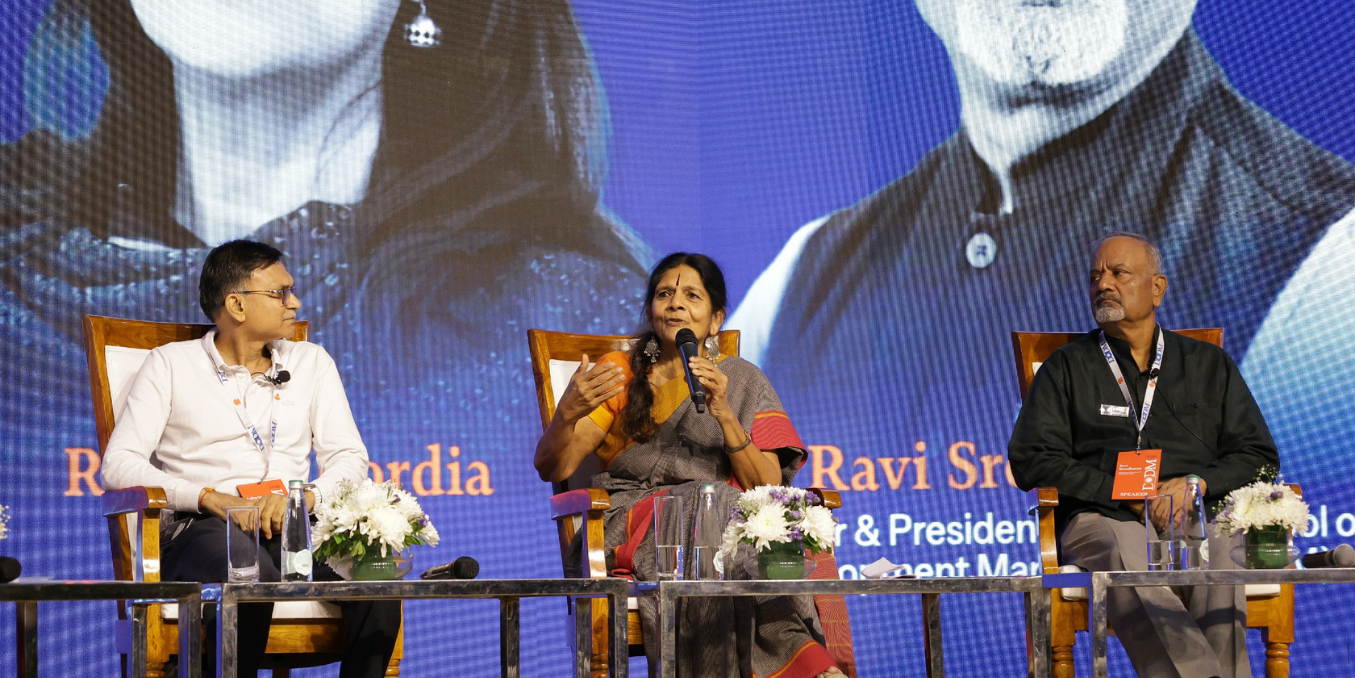


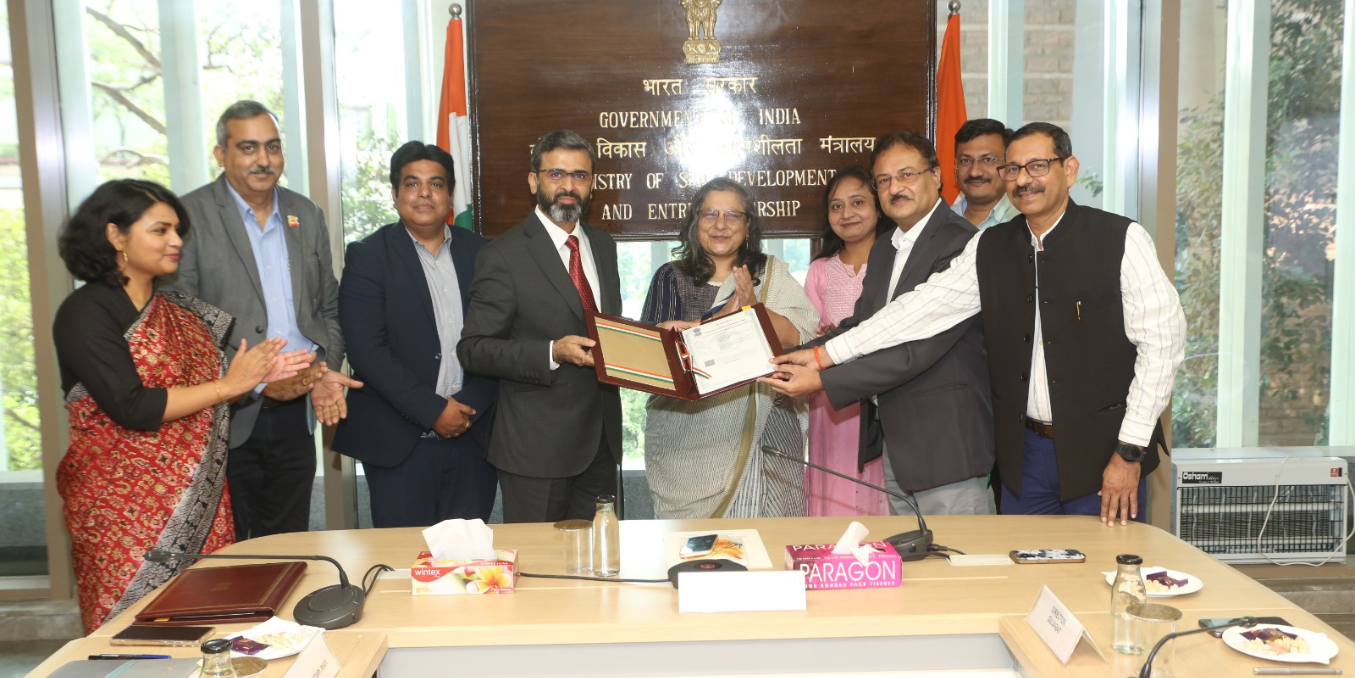

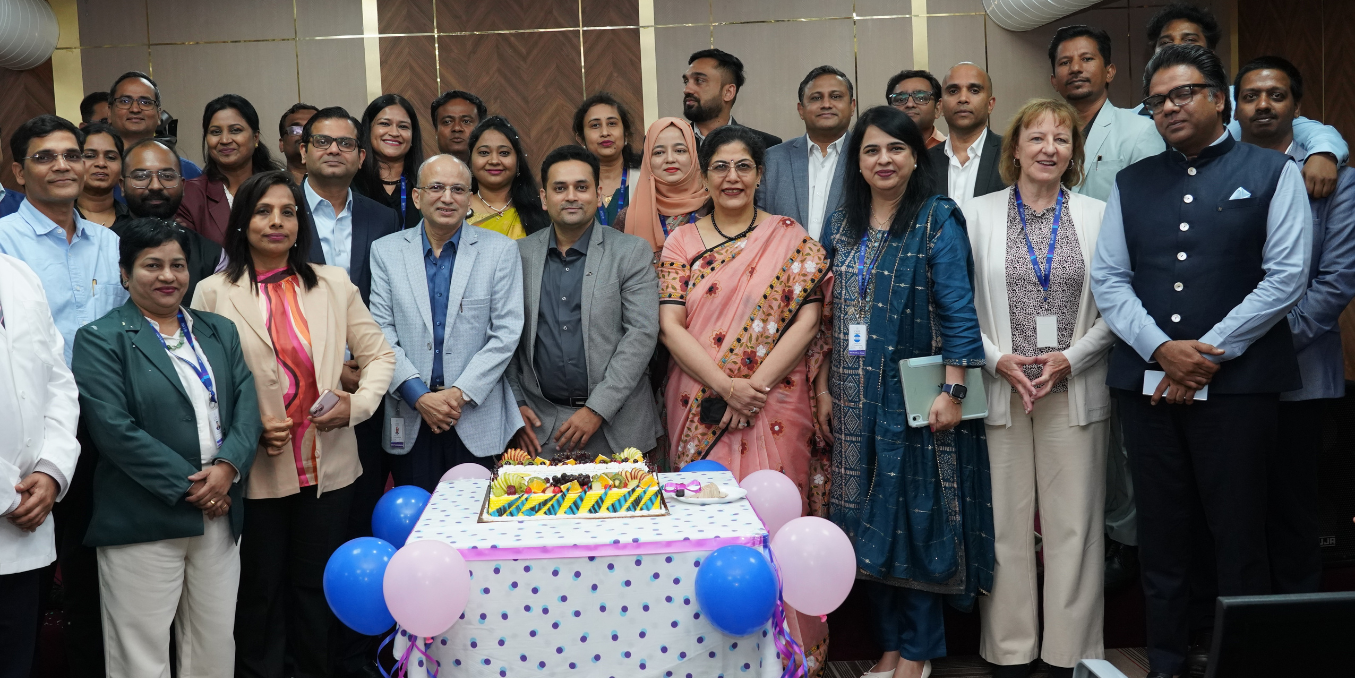



The ePROTECT360 Founder and CEO joined a discussion on whether smaller nations should build, buy or share AI at the AIFOD Geneva Summit 2026
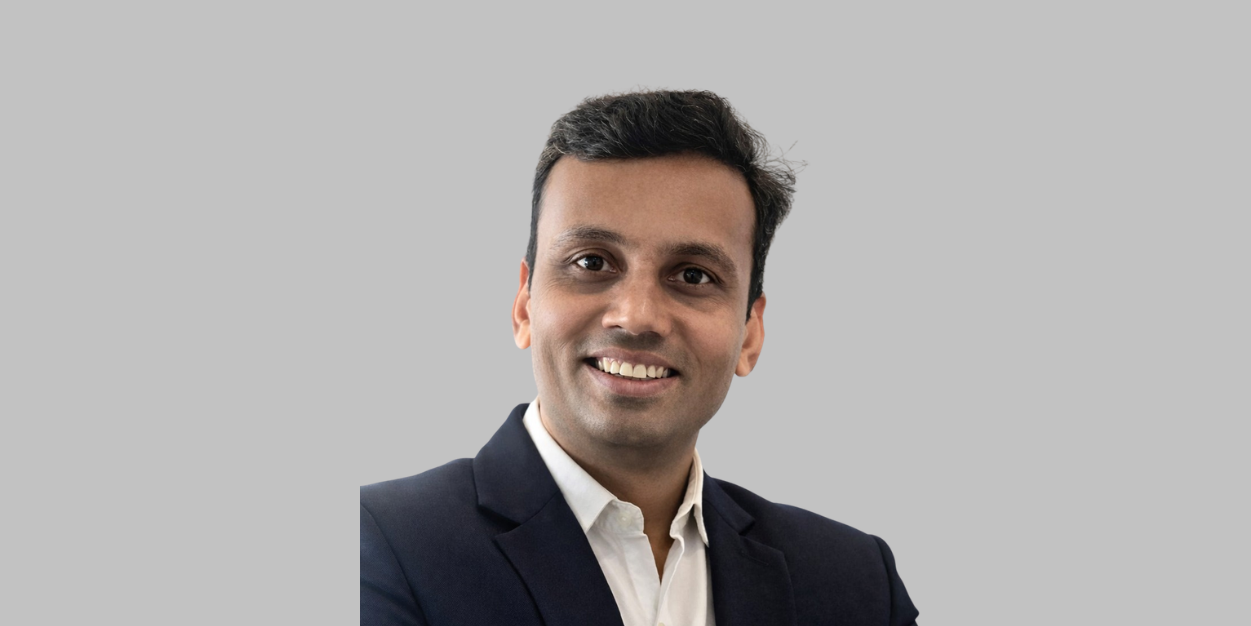
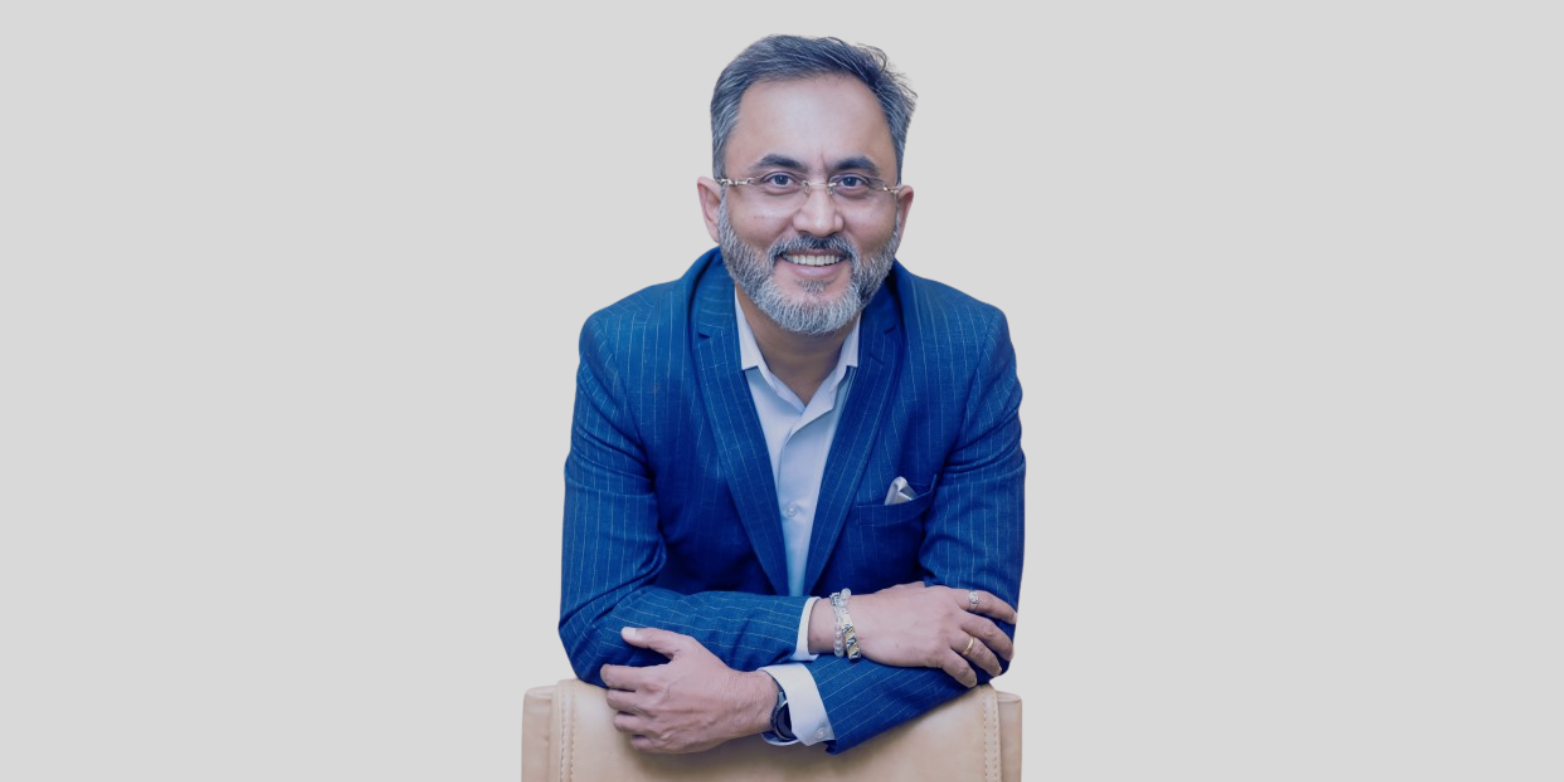
Indian cybersecurity entrepreneur Kunal Panchamia called for greater cooperation among developing countries on artificial intelligence, arguing that smaller nations do not necessarily need to independently develop every component of an AI ecosystem.
Panchamia, Founder and CEO of ePROTECT360, participated in the discussion “Should Small Nations Build, Buy or Share AI?” at the AI for Developing Countries Forum Geneva Summit 2026.
The three day summit was held from August 12 to 14 at the United Nations Office at Geneva.
The discussion examined the choices facing smaller and developing countries as they adopt artificial intelligence. These include building domestic infrastructure and models, purchasing capabilities from international technology providers, adopting open technologies and participating in shared platforms.
Participants also considered questions involving cost, cybersecurity, technological dependence and long term competitiveness.
During the discussion, Panchamia referred to the Indian philosophy of “Vasudhaiva Kutumbakam,” meaning “The World Is One Family,” while making the case for countries to share complementary capabilities.
His position was that developing countries may not always have the financial resources, computing infrastructure, skilled talent or technical capacity required to independently develop every part of an AI ecosystem.
“The question should not always be who owns the technology. We should also ask how we can bring together what each country already has and use those capabilities collectively for the benefit of society. The philosophy of Vasudhaiva Kutumbakam reminds us that progress becomes more meaningful when it is shared,” Panchamia said.
The discussion also examined AI sovereignty and whether maintaining control over important technology necessarily requires countries to develop the entire technology stack domestically.
According to the information shared from the AIFOD session, countries can first assess their existing infrastructure, skills, capabilities and dependencies before deciding which technologies should be developed domestically, procured externally or accessed through partnerships.
Building AI capabilities involves more than developing models. Computing infrastructure, energy, data, digital systems, skilled professionals, cybersecurity and governance are also part of the wider technology ecosystem.
“Every country has something to contribute. One may have technology, another may have talent, another may have infrastructure, data or a specific domain capability. If these strengths can come together through responsible and secure collaboration, developing countries can accelerate their AI journey rather than spending years trying to build everything independently,” Panchamia said.
Cybersecurity was another part of the discussion, particularly as artificial intelligence becomes more widely used across government systems, public services and critical infrastructure.
Panchamia argued that cybersecurity and digital resilience need to be considered during the development and adoption of AI systems rather than after deployment.
“The AI conversation cannot stop at access. If developing countries are going to adopt AI at scale, they also need to think about cybersecurity, data readiness and resilience from the beginning. The objective should be to create AI ecosystems that are not only accessible, but also secure and sustainable,” he said.
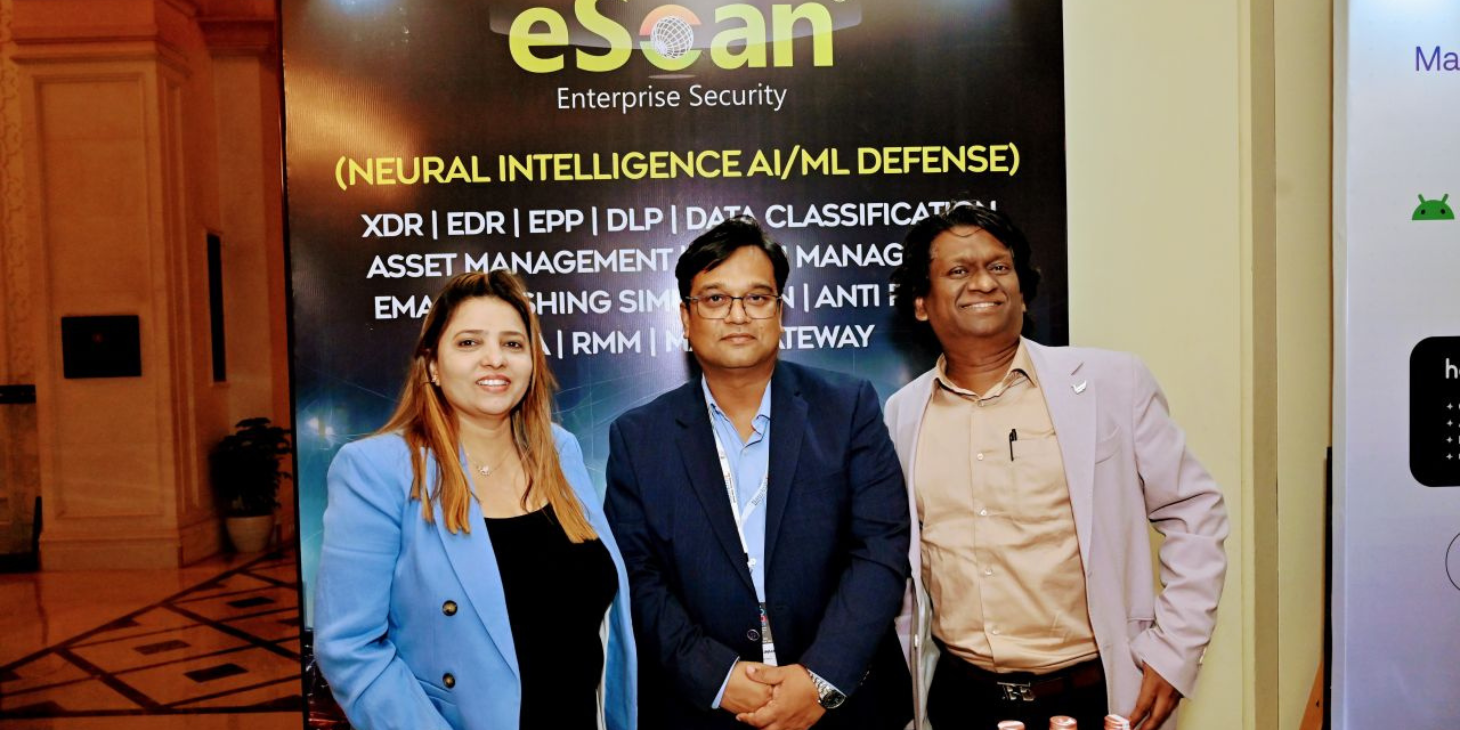
Panchamia also connected the discussion with ePROTECT360’s work across cybersecurity and artificial intelligence. According to the information provided, the company has developed cybersecurity and AI based solutions intended for applications including critical infrastructure and government systems.
The AIFOD Geneva Summit 2026 was organised around the theme “Small Takes the Lead: The Future Belongs to the Many, Not the Few,” with discussions examining the role of smaller nations and developing economies in the development and adoption of artificial intelligence.
At Prittle Prattle News, featuring you virtuously, we celebrate the commitment and innovation. Led by Editor-in-Chief Smruti Bhalerao, our platform is dedicated to sharing impactful stories that inspire change and create awareness. Follow us on LinkedIn, Instagram, and YouTube for more stories that matter.
About Prittle Prattle News
Prittle Prattle News is a digital news publication covering business, technology, healthcare, education, lifestyle, public affairs and other developments from India and around the world. Led by Editor-in-Chief Smruti Bhalerao, we publish timely news, industry updates and feature stories for a broad readership.



















[…] News Policy Threat Map Threat Actors Podcast Submit a Tip About Contact Banking Power Telecom Health Government Defence Transport Water General General Medium 26 August 2026 Prittleprattlenews ↗: […]
[…] Kunal Panchamia Backs Shared AI Capabilities for Developing Nations at Geneva Summit […]