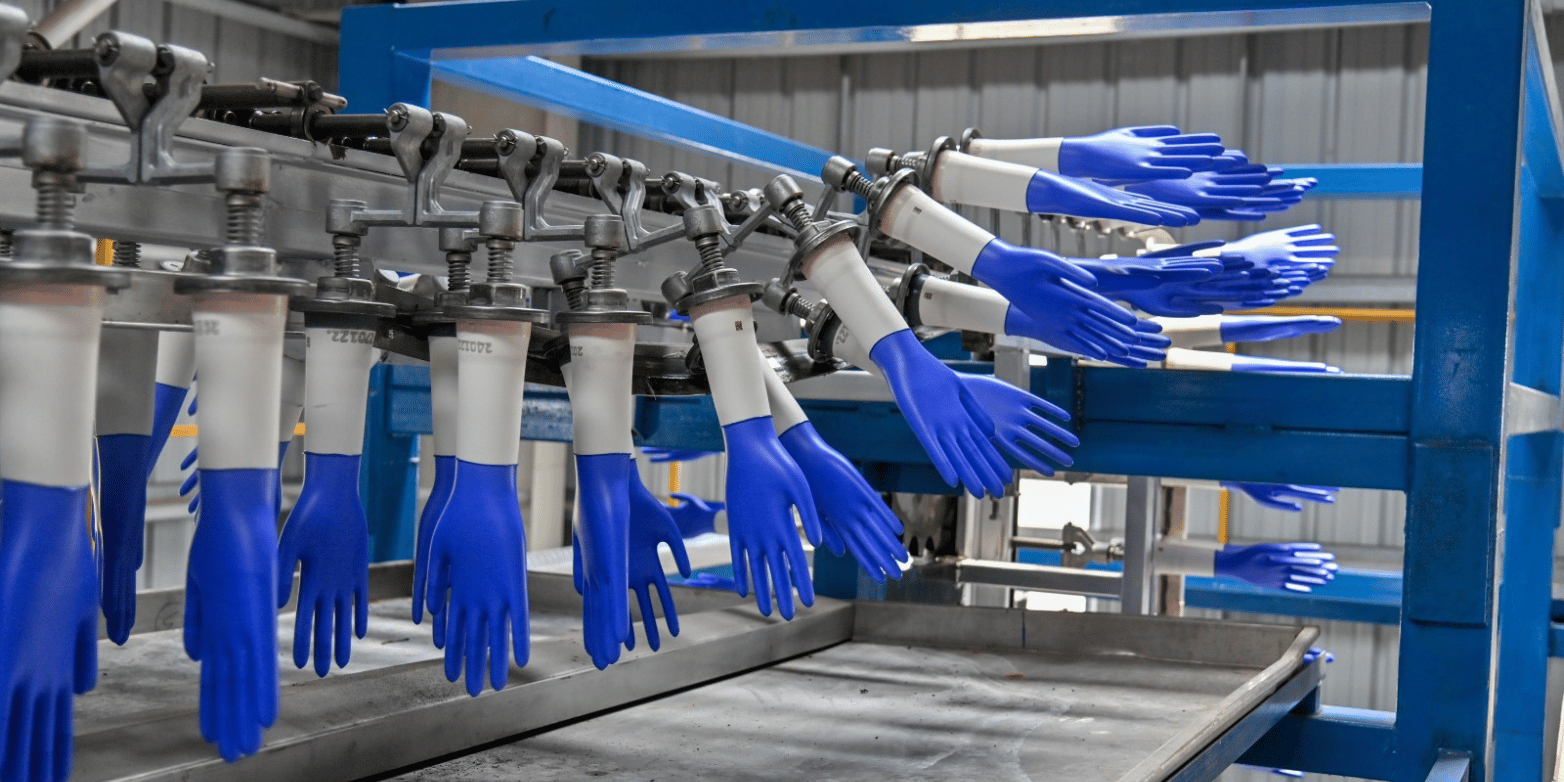
Gaurav Loria, Group Chief Operations Experience and Safety Senior Vice President at Apollo Hospitals, and Anindith Reddy, Co founder of Wadi Surgicals Pvt Ltd Enliva, warned that the widespread practice of reusing single use gloves across tasks is increasing risks of healthcare associated infections and hygiene violations.
The widespread use of disposable gloves across hospitals, food handling units and service industries in India has increased significantly in the years following the pandemic. While gloves are widely seen as a symbol of hygiene and safety, experts warn that incorrect usage practices are creating new public health risks.
Disposable gloves are designed for single use during a specific task or interaction and must be discarded immediately after use. However, in many workplaces across India, gloves are often worn continuously and used across multiple tasks such as patient interactions, food preparation and handling surfaces. This practice turns a protective barrier into a potential source of contamination.
The confusion between single use and single day use gloves has become increasingly common across sectors including healthcare, diagnostics, hospitality and retail. Experts say the practice is often driven by cost concerns, high workload and limited awareness around proper usage protocols.
Gaurav Loria, Group Chief Operations Experience and Safety Senior Vice President at Apollo Hospitals, said, “We implement a strict policy of single use gloves for medical procedures, sample collection and patient facing roles. This ensures that the protective barrier of gloves is maintained for both patients and healthcare professionals. In India, patient load on healthcare workers is high and the chances of healthcare associated infections increase when gloves are reused. Using standard quality gloves for each patient interaction can reduce infection risks significantly.”
From a public health perspective, gloves are intended to act as a temporary barrier rather than a long term protective solution. Once contaminated, gloves can transfer microorganisms across surfaces, products or individuals. In healthcare settings, this raises the risk of healthcare associated infections. In food handling environments, improper glove use increases contamination risks and can lead to violations of hygiene standards.
The Food Safety and Standards Act 2006 requires hygienic food handling practices including the correct use of protective equipment. Using the same pair of gloves across different stages of food preparation, customer interactions or cash handling undermines contamination control and may lead to regulatory non compliance.
Material durability is another concern. Disposable gloves made from nitrile, latex or vinyl are tested for barrier protection under specific conditions. The Bureau of Indian Standards sets quality parameters including resistance to pinholes, tensile strength and durability. Extended use exposes gloves to sweat, chemicals, friction and cleaning agents, which can cause micro tears that are often invisible but compromise protection.
Medical gloves are also classified as medical devices by the Central Drugs Standard Control Organisation. Their approval is based on a clearly defined intended use as single use consumables. Using them beyond these conditions may expose healthcare facilities to regulatory liability and safety risks.
Continuous glove use also affects occupational health. Prolonged wear traps moisture and heat, increasing the risk of skin irritation and dermatitis among frontline workers including nurses, laboratory technicians, sanitation staff and food handlers. Discomfort can lead to delayed replacement or inconsistent glove use, further weakening hygiene practices.
International health agencies including the World Health Organisation and the Centers for Disease Control and Prevention recommend changing gloves between tasks, between patients, after contamination and whenever gloves are damaged. These guidelines are reflected in infection control protocols followed in hospitals and food safety regulations in India.
Anindith Reddy, Co founder of Wadi Surgicals Pvt Ltd Enliva, said, “Single use disposable gloves are designed strictly for one task and one interaction, not for prolonged wear. When gloves are used throughout the day they develop micro tears that are often invisible. Instead of protecting people they can increase the risk of infections and contamination.”
India is gradually strengthening regulatory oversight through quality control orders, mandatory BIS certification and stricter enforcement by agencies such as CDSCO and FSSAI. Experts say that product quality alone cannot ensure safety if correct usage practices are not followed.
Healthcare professionals emphasise that the principle of one task one pair remains critical to maintaining hygiene, preventing infections and ensuring compliance with safety standards across both healthcare and food handling sectors.
At Prittle PrattleNews, featuring you virtuously, we celebrate the commitment and innovation. Led by Editor-in-Chief Smruti Bhalerao, our platform is dedicated to sharing impactful stories that inspire change and create awareness. Follow us on LinkedIn, Instagram, and YouTube for more stories that matter.