

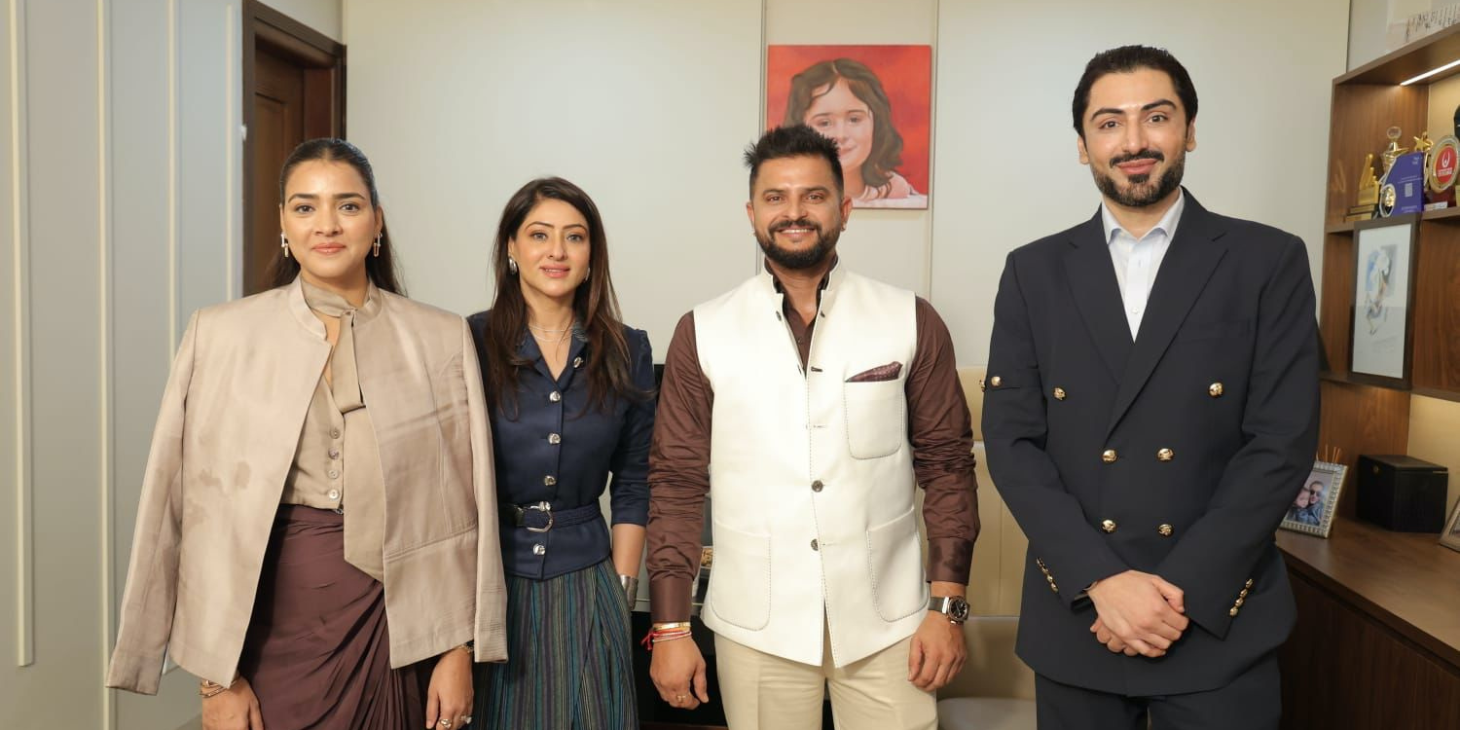




Amit Deshpande, Chief Operating Officer, Centre for Transforming India, said the Savitrichya Leki Chalalya Pudhe effort focuses on safety, dignity, and continuity of education for girls travelling long routes to school
For thousands of girls in rural and tribal India, the challenge of education begins long before the classroom. Reaching school itself often involves walking several kilometres each day across isolated terrain, forests, flood-prone paths, or poorly connected villages, a reality that disproportionately affects adolescent girls due to safety concerns and physical fatigue.
Against this backdrop, the Savitrichya Leki Chalalya Pudhe programme led by Centre for Transforming India has focused on improving daily access to school by supporting underprivileged girl students with bicycles. The initiative has distributed more than 35,000 bicycles across India, targeting girls who travel long distances to attend school, particularly in rural, tribal, and hilly regions where public transport is limited or unavailable.
According to education data, an estimated 10 to 15 percent of school-going children in India walk more than three kilometres to reach school. UDISE Plus 2022 to 23 figures show that over 40 percent of rural students travel more than one kilometre daily, while 15 to 20 percent in remote tribal areas walk beyond three kilometres. These conditions have contributed to higher dropout rates among girls, with Maharashtra recording an increase in girls’ dropout from 2.4 percent to 2.9 percent, driven by safety concerns, fatigue, and seasonal migration.
The bicycle distribution is supported by self-defence training and local follow-ups aimed at improving safety and sustaining attendance. The programme is structured to address practical barriers that often remain unaccounted for in enrolment-focused education interventions.
Speaking on the issue, Amit Deshpande, Chief Operating Officer, Centre for Transforming India, said, “Girls’ education cannot be strengthened by enrollment alone; it requires us to remove the everyday barriers that quietly push girls out of the system. Through this initiative, we are addressing the challenge at its root, ensuring that distance, safety, and access no longer determine a girl’s future. When girls can reach school with dignity and confidence, education stops being fragile and starts becoming irreversible.”
As India marks National Girl Child Day, the programme underscores the need to view education outcomes through a wider lens, where infrastructure, safety, and dignity are recognised as essential conditions for sustained learning. Ensuring that girls can travel to school without fear remains a critical factor in reducing dropouts and enabling uninterrupted education in rural India.
At Prittle PrattleNews, featuring you virtuously, we celebrate the commitment and innovation. Led by Editor-in-Chief Smruti Bhalerao, our platform is dedicated to sharing impactful stories that inspire change and create awareness. Follow us on LinkedIn, Instagram, and YouTube for more stories that matter.
About Prittle Prattle News
Prittle Prattle News is a digital news publication covering business, technology, healthcare, education, lifestyle, public affairs and other developments from India and around the world. Led by Editor-in-Chief Smruti Bhalerao, we publish timely news, industry updates and feature stories for a broad readership.






Add Comment