


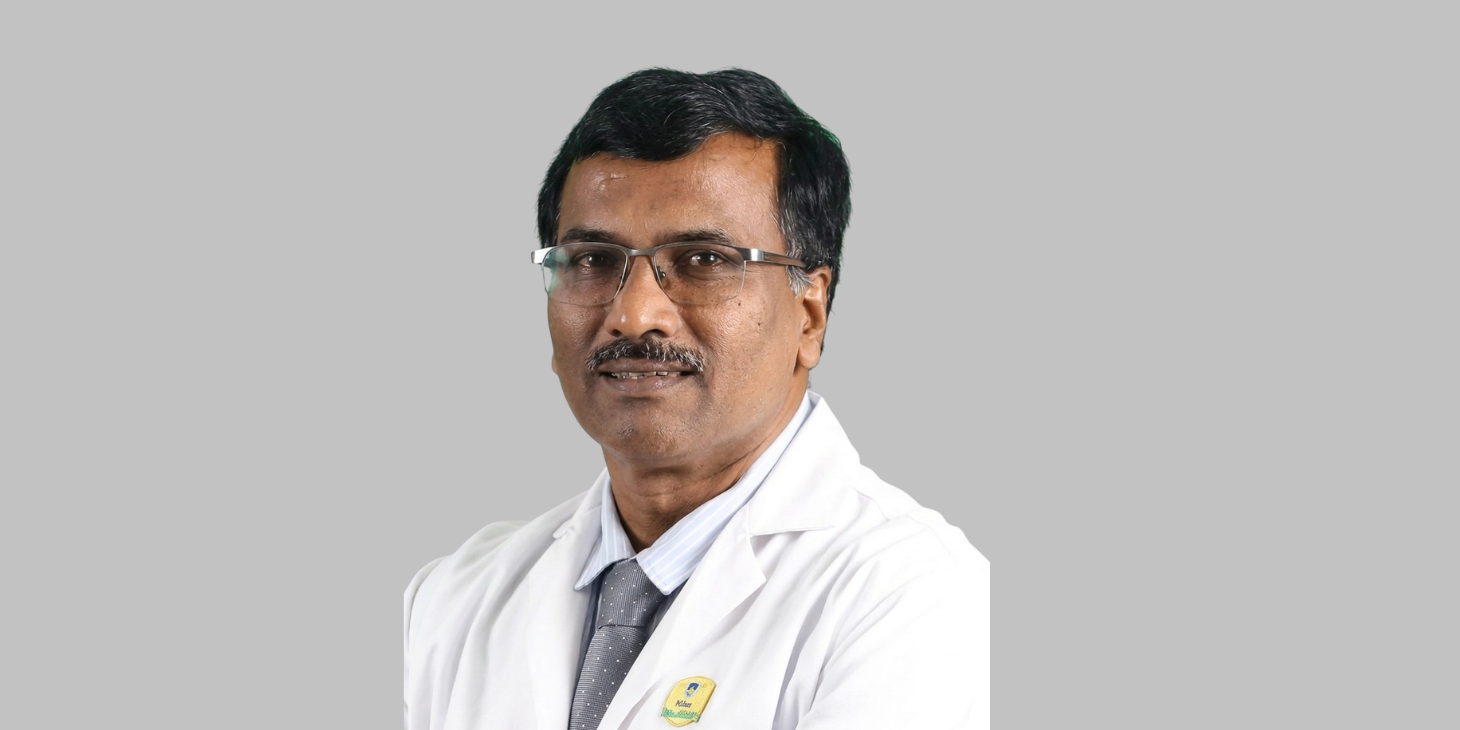





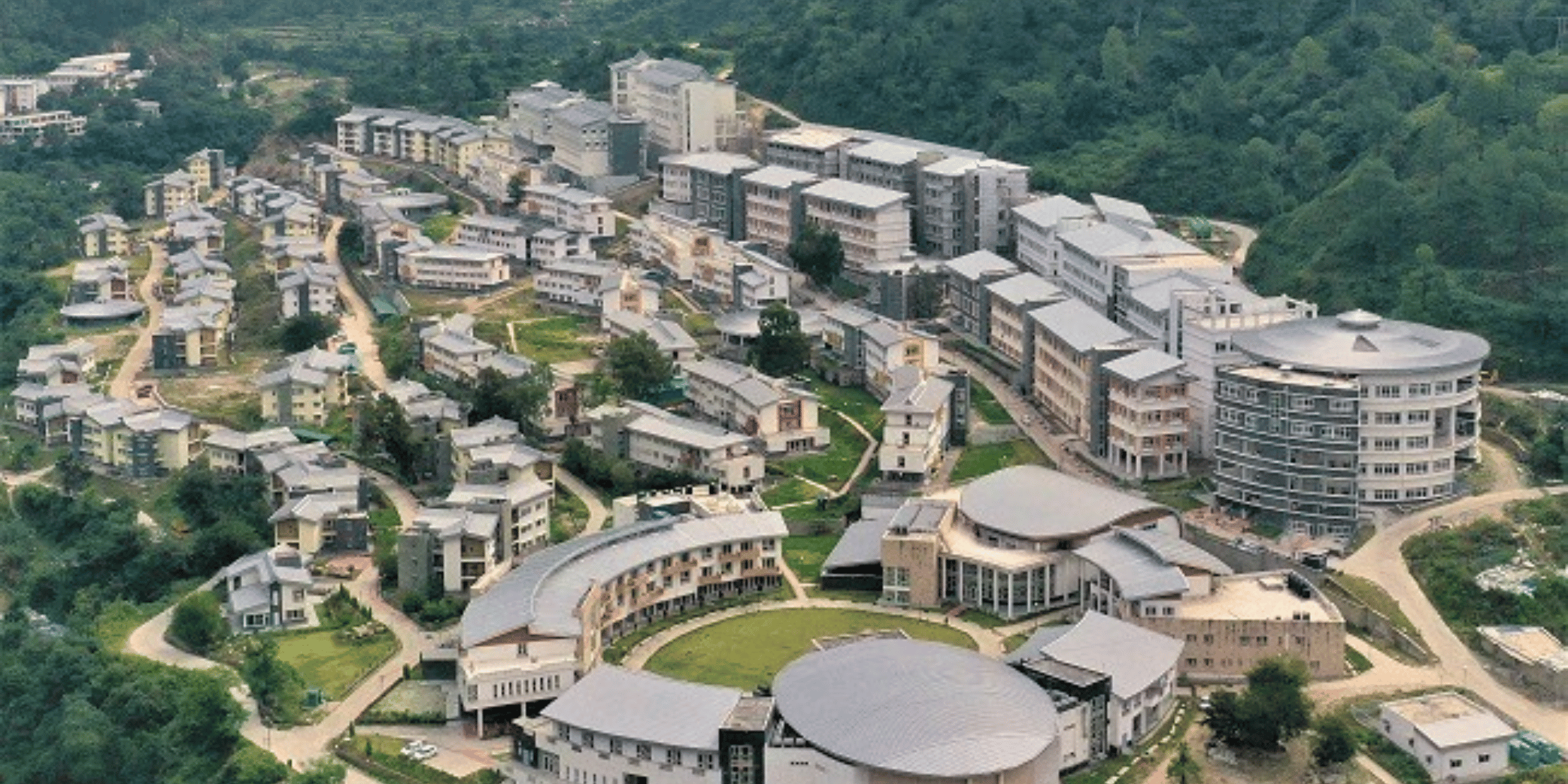
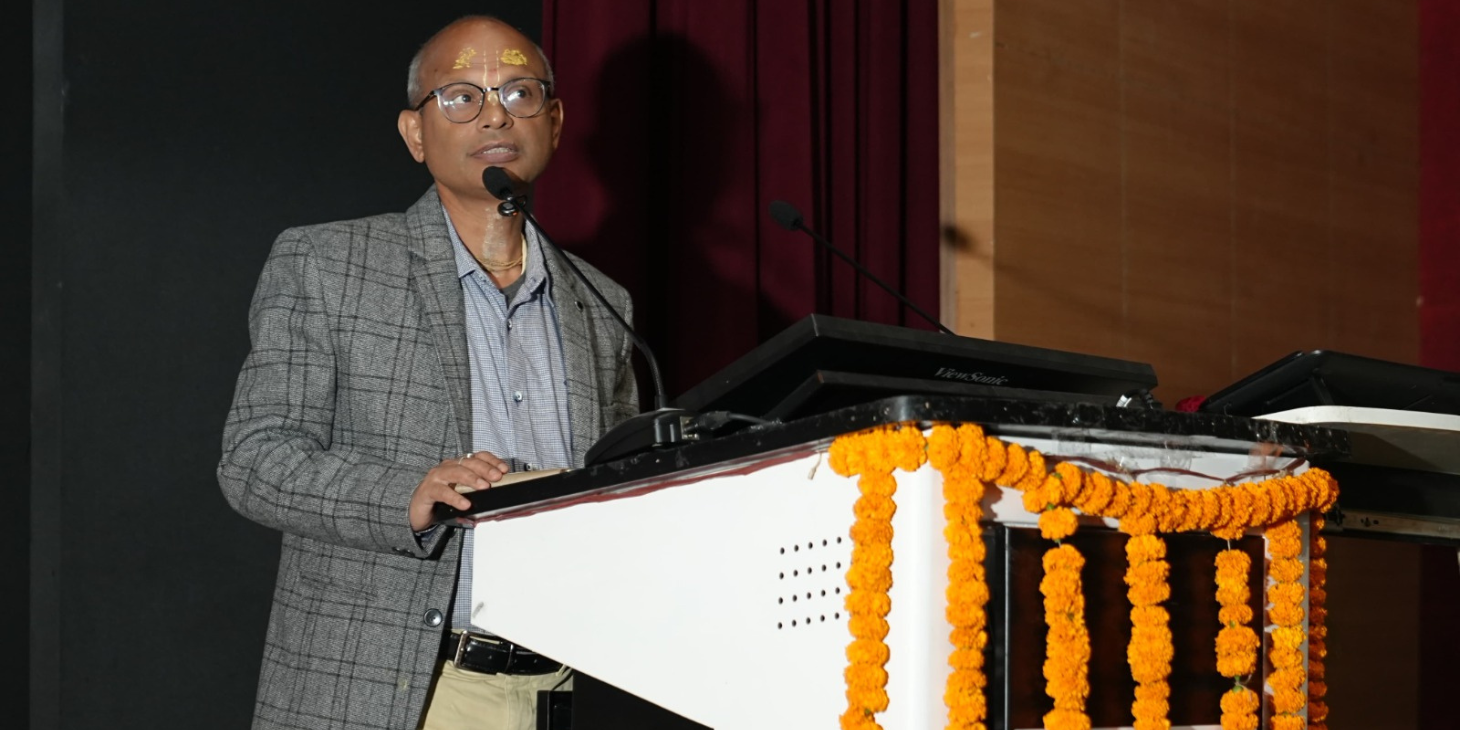
Prof. Laxmidhar Behera, Director of IIT Mandi, and Prof. Chayan Kanti Nandi led studies showing coordinated cellular responses in tomato and brinjal plants under anaesthesia.
Scientists at IIT Mandi have reported findings that may add a new dimension to research on anaesthesia, cellular behaviour and consciousness in living systems.
The studies, published in Advanced Biology in 2025 and Chemical and Biomedical Imaging in 2026, examined how plant cells respond when exposed to anaesthesia. The research was led by Prof. Laxmidhar Behera, Director of IIT Mandi, and Prof. Chayan Kanti Nandi, along with their team.
The researchers studied tomato and brinjal plants using live cell microscopy. Their work focused on whether anaesthesia produces cellular level responses in plants, even though plants do not have a brain or nervous system.
The studies focused on the root apex, especially the root cap, which is associated with sensing, processing and adaptive responses in plants. The area was chosen because its transparent tissues and organised cellular structures make it suitable for live cell imaging.
In the first paper, the researchers observed a sequential shutdown of cellular components under anaesthetic stress. They described this process as a hierarchical cascade of organellar silencing. Mitochondria, lysosomes, vesicle trafficking systems, chloroplasts and nuclear structures showed an ordered response under anaesthesia.
When the anaesthetic was removed, the recovery happened in reverse order. The nucleus was identified as playing a central role in coordinating recovery of the cell.
A second study examined nuclear behaviour under anaesthesia. The researchers found that nuclei, which normally move randomly across plant cells, became highly organised under anaesthetic conditions. Euchromatin, the active and loosely packed form of DNA, moved toward the outer edge of the nucleus, while heterochromatin remained in place.
The researchers said this coordinated nuclear response occurred across cells at the same time, despite the absence of neurons or a known rapid communication pathway between cells.
Prof. Laxmidhar Behera said, “The IKS view of the non-local nature of consciousness is particularly seen in the simultaneous reorganisation of nuclei and the circumambulation of the nuclear periphery by euchromatins. The fact that euchromatins have emerged as consciousness biomarkers means that more research work is necessary to establish the non-locality of conscious interactions at the cellular level.”
The studies suggest that nuclear chromatin reorganisation may serve as a biomarker of the anaesthetised state across neuronal and non neuronal systems. The team is now extending the research to other biological systems, including C. elegans, a microscopic roundworm with a simple nervous system.
If similar euchromatin responses are observed in other species, the researchers believe it could strengthen the case for a broader cellular signature linked to anaesthesia and consciousness.
The research papers are titled A Hierarchical Cascade of Organellar Silencing and Their Regeneration Under Anaesthetic Stress in Plants, published in Advanced Biology, and Synchronized Chromatin Reorganization as a Key Biomarker in Anesthetic Effects on Plants, published in Chemical and Biomedical Imaging.
At Prittle Prattle News, featuring you virtuously, we celebrate the commitment and innovation. Led by Editor-in-Chief Smruti Bhalerao, our platform is dedicated to sharing impactful stories that inspire change and create awareness. Follow us on LinkedIn, Instagram, and YouTube for more stories that matter.
About Prittle Prattle News
Prittle Prattle News is a digital news publication covering business, technology, healthcare, education, lifestyle, public affairs and other developments from India and around the world. Led by Editor-in-Chief Smruti Bhalerao, we publish timely news, industry updates and feature stories for a broad readership.












Add Comment