




From more than 400 cookware and kitchenware products to expansion across international and omnichannel markets, Vinod Intelligent Cookware’s 63-year journey reflects how legacy brands can evolve without abandoning their core principles.
Sunil Agarwal, Managing Director of Vinod Cookware India Pvt. Ltd., reflects on how quality, consumer-led innovation, manufacturing discipline, reinvention and everyday trust have helped the brand remain relevant across generations.
Vinod Intelligent Cookware’s 63-year journey offers a different way of looking at longevity in business. For the cookware company, staying relevant across generations has depended less on age itself and more on a set of principles that have continued to guide product development, manufacturing and consumer relationships.
As Prittle Prattle News marks six years of journalism through stories connected with the number six, Vinod Intelligent Cookware’s journey can be viewed through six principles that have shaped its growth over more than six decades.
The first is quality.
For a cookware brand, quality is not determined only when a product leaves the manufacturing facility. Its real test comes years later, when the same cookware continues to perform reliably in a household kitchen.
That approach has influenced decisions around stainless steel grades, engineering precision and manufacturing standards at Vinod Intelligent Cookware.
Consumers may never see each production decision, but the company’s view is that they experience the result through durability, performance and everyday use.
The second principle is that innovation should make everyday cooking simpler.
Rather than treating every new feature as innovation, Vinod Intelligent Cookware has focused on product development that addresses practical cooking requirements.
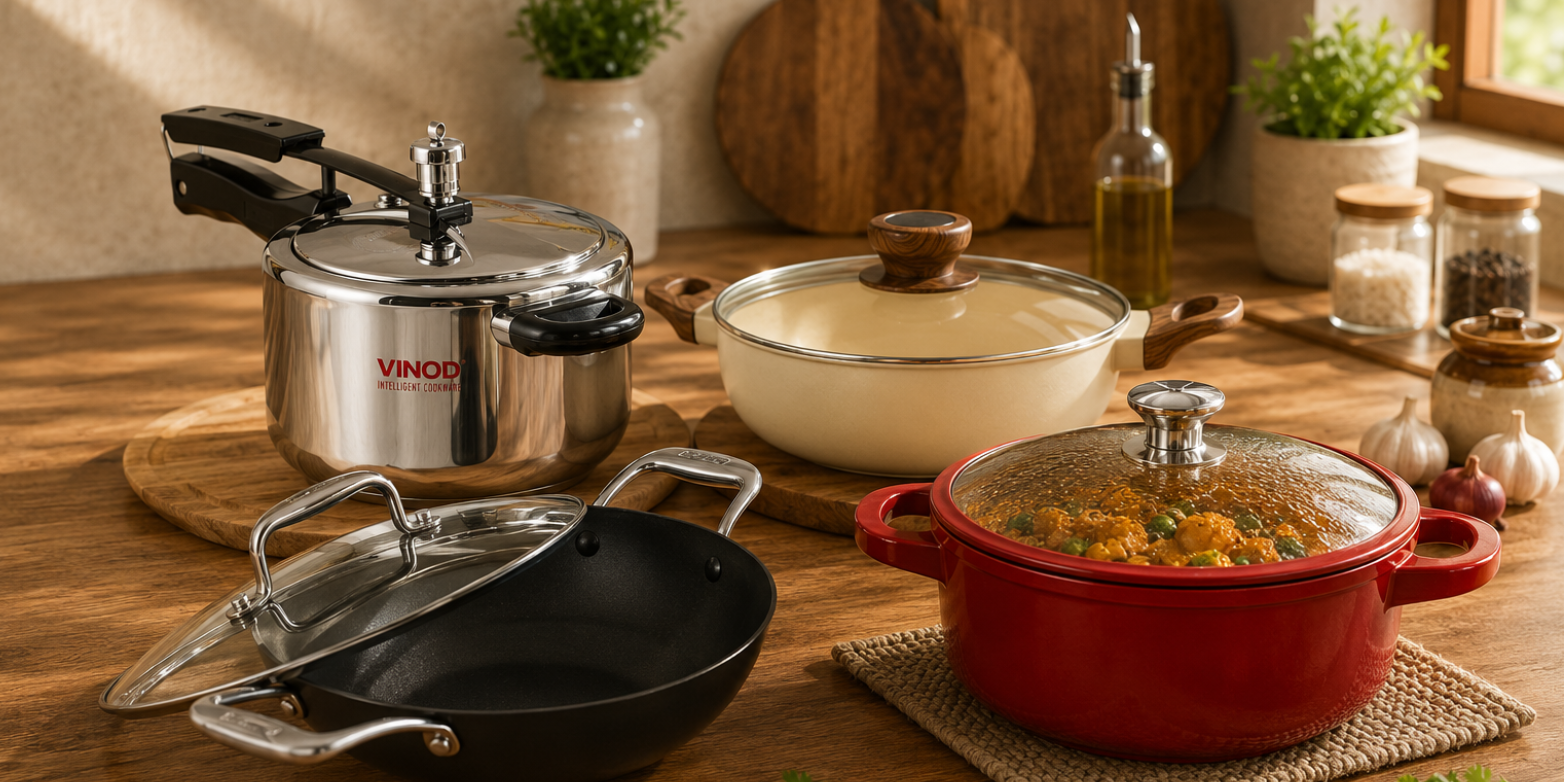
Its Steel, Aluminium, Steel Triply technology was developed around heat distribution by combining stainless steel with an aluminium core.
More recently, the company has introduced products such as FREYA titanium-enamelled cast iron and the Ceravit ceramic cookware range as consumer preferences move towards healthier cooking, convenience and contemporary kitchen design.
For the company, innovation becomes meaningful only when it improves the experience of using the product.
The third principle is listening to consumers.
Indian kitchens have changed considerably over the past six decades. Family structures have become smaller, cooking habits have become faster, international cuisines have entered everyday kitchens and consumers increasingly expect cookware to combine efficiency, ease of maintenance, safety and design.
Vinod Intelligent Cookware’s response has been to evolve its portfolio alongside these shifts.
he company today has more than 400 cookware and kitchenware products spanning everyday requirements and premium collections.
Its approach is based on the view that product development should respond to changing consumer behaviour rather than expecting consumers to adapt to what a manufacturer already produces.
The fourth principle is manufacturing discipline.
For cookware, manufacturing decisions affect heat distribution, durability, safety and long-term performance.
Vinod Intelligent Cookware has integrated manufacturing with research, product development and engineering, allowing the company to work on materials, product performance and new technologies while retaining its focus on durability.
The company sees this manufacturing foundation as one of the places where consumer confidence is built long before a product reaches the market.
The fifth principle is reinvention.
Legacy brands can become vulnerable when history itself becomes their main proposition.
Vinod Intelligent Cookware has sought to avoid that by continuing to expand from its established stainless steel products into newer cookware technologies and premium categories.
Its presence has also moved beyond India into international markets including the Middle East, Singapore and Europe.
At the same time, the business has adapted its distribution model across traditional retail, e-commerce and quick commerce.
The underlying idea is that heritage and adaptability do not need to work against one another. A brand can retain long-standing values while changing how products are designed, sold and experienced by newer generations.
The sixth principle is trust.
Cookware becomes part of ordinary household routines, from daily meals to festivals and family occasions.
That makes consumer trust less about a one-time transaction and more about whether the product continues to meet expectations during repeated use.
For Vinod Intelligent Cookware, the ability to remain present in kitchens across generations is therefore a more meaningful measure of legacy than the number of years alone.
Sunil Agarwal, Managing Director of Vinod Cookware India Pvt. Ltd., said trust has remained a responsibility rather than a destination for the company.
“For us, trust has never been a destination, it has been a responsibility,” Agarwal said.
He added that innovation begins with research and with evaluating whether a new idea will make everyday cooking better for consumers.
“After 63 years, our greatest achievement isn’t just longevity; it’s the privilege of remaining a trusted part of millions of kitchens, and that’s a legacy we continue to earn every day,” Agarwal said.
The company’s six principles, quality, meaningful innovation, consumer listening, manufacturing discipline, reinvention and trust, ultimately point to the same conclusion.
Longevity may measure how long a business has existed. Relevance determines whether consumers continue to make room for it.
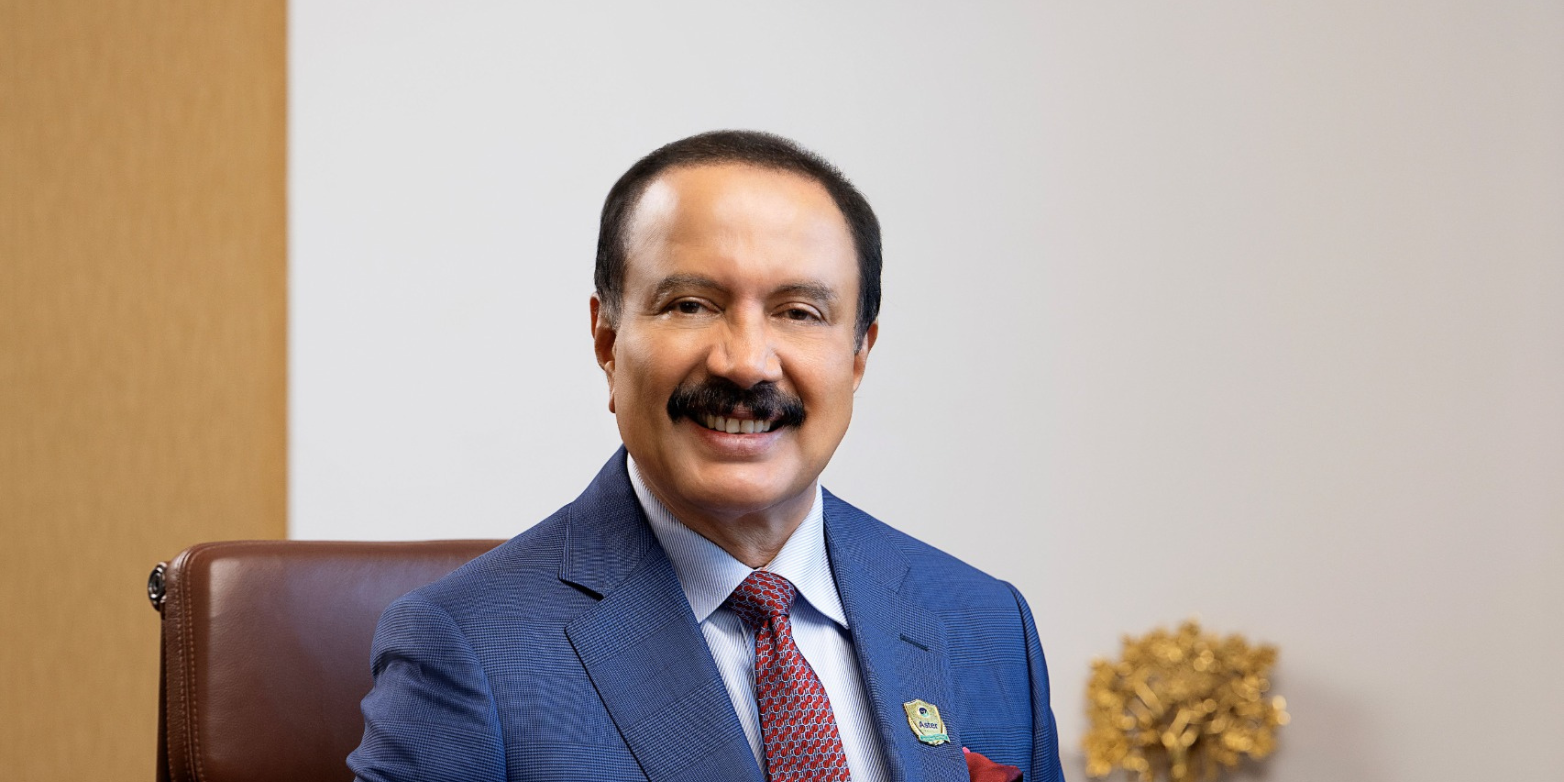
By Sunil Agarwal, Managing Director, Vinod Cookware India Pvt. Ltd.
At Prittle Prattle News, featuring you virtuously, we celebrate the commitment and innovation. Led by Editor-in-Chief Smruti Bhalerao, our platform is dedicated to sharing impactful stories that inspire change and create awareness. Follow us on LinkedIn, Instagram, and YouTube for more stories that matter.
About Prittle Prattle News
Prittle Prattle News is a digital news publication covering business, technology, healthcare, education, lifestyle, public affairs and other developments from India and around the world. Led by Editor-in-Chief Smruti Bhalerao, we publish timely news, industry updates and feature stories for a broad readership.



























[…] Six Principles Behind Vinod Intelligent Cookware’s 63-Year Legacy, Explains Sunil Agarwal […]
Super reliable platform with a great selection of slots. I appreciate how transparent everything is with the withdrawals. Love phjili999