








For Indian medical aspirants looking overseas, NEET eligibility, foreign university admission and the requirements for eventually practising in India are related but distinctly different parts of the decision.
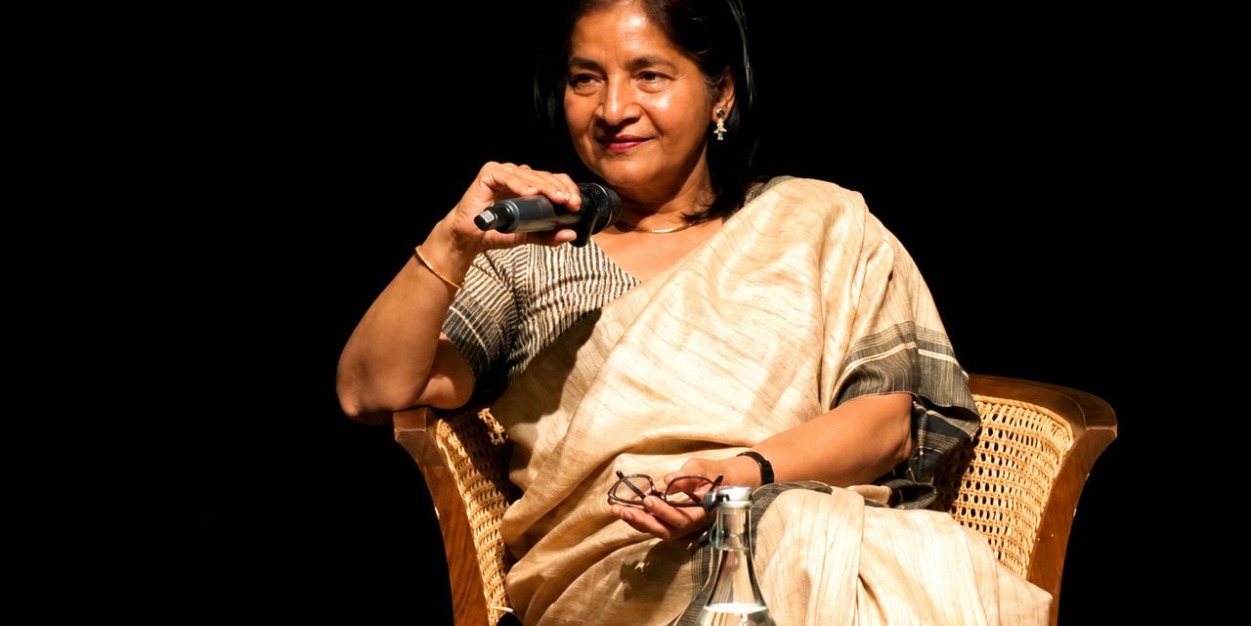
Sonal Kapoor, Chief Business & Product Officer at Prodigy Finance, explains why students need to distinguish between NEET eligibility requirements in India and the separate admission criteria followed by overseas universities.
For Indian students considering medical education abroad, one of the most common areas of confusion is the role NEET plays in the process.
The distinction matters because admission into an overseas medical university and eligibility to pursue a medical career in India are two different considerations.
Sonal Kapoor, Chief Business & Product Officer at Prodigy Finance, said interest from students pursuing healthcare education overseas continues to remain strong, but the process requires careful planning.
“We do have a lot of healthcare students pursuing higher education abroad, and the honest answer is that there is no shortcut when it comes to achieving a high end goal like becoming a healthcare practitioner. Students genuinely need to put in the effort,” Kapoor said.
She said one of the questions frequently raised by students is whether NEET is required when pursuing medical education outside India.
For Indian citizens intending to obtain a primary medical qualification abroad, qualifying NEET remains relevant under Indian regulatory requirements. The NEET result serves as the eligibility certificate for students pursuing such medical qualifications overseas.
What students also need to understand is that the admission process followed by an overseas university is separate.
International universities and countries have their own academic and admission criteria, and a student’s NEET marks may not necessarily determine admission in the same way that NEET rankings influence medical admissions within India.
This distinction becomes particularly important for students who eventually intend to return and practise medicine in India.
Kapoor said students should therefore look beyond the immediate question of securing admission and consider where they ultimately want to build their medical career.
A student planning to return to India after completing a medical qualification overseas must also satisfy the applicable registration and licensing requirements in India.
The pathway after graduation is therefore as important as the university admission itself.
Kapoor also highlighted that Prodigy Finance primarily supports students pursuing higher education at the postgraduate level rather than undergraduate programmes.
She pointed to NovaGrad as another resource for students researching overseas education opportunities across undergraduate, graduate and postgraduate programmes.
“Platforms like NovaGrad exist precisely for this reason. From scholarships to shortlisting the right university, whether it is undergraduate, graduate, or postgraduate study, all of that information can be gathered in one place,” Kapoor said.
For students and parents, the more useful way to approach medical education abroad is therefore to separate three questions.
The first is whether the student meets India’s eligibility requirements before pursuing a primary medical qualification overseas.
The second is whether the student satisfies the admission requirements of the chosen international university.
The third is whether the qualification and educational pathway will meet the requirements applicable if the student later wants to practise medicine in India.
A lower NEET score does not necessarily prevent a student from being considered by an international institution whose admissions process does not use NEET rankings in the same manner as Indian medical colleges.
But students intending to return to India cannot treat NEET and subsequent Indian regulatory requirements as irrelevant.
For families considering overseas medical education, the real decision is therefore not simply whether NEET can be avoided. It is where the student intends to study, where they eventually want to practise and whether the entire academic pathway supports that plan.
At Prittle Prattle News, featuring you virtuously, we celebrate the commitment and innovation. Led by Editor-in-Chief Smruti Bhalerao, our platform is dedicated to sharing impactful stories that inspire change and create awareness. Follow us on LinkedIn, Instagram, and YouTube for more stories that matter.
About Prittle Prattle News
Prittle Prattle News is a digital news publication covering business, technology, healthcare, education, lifestyle, public affairs and other developments from India and around the world. Led by Editor-in-Chief Smruti Bhalerao, we publish timely news, industry updates and feature stories for a broad readership.



















[…] What NEET Really Means for Medicine Abroad, Explains Prodigy Finance’s Sonal Kapoor […]