









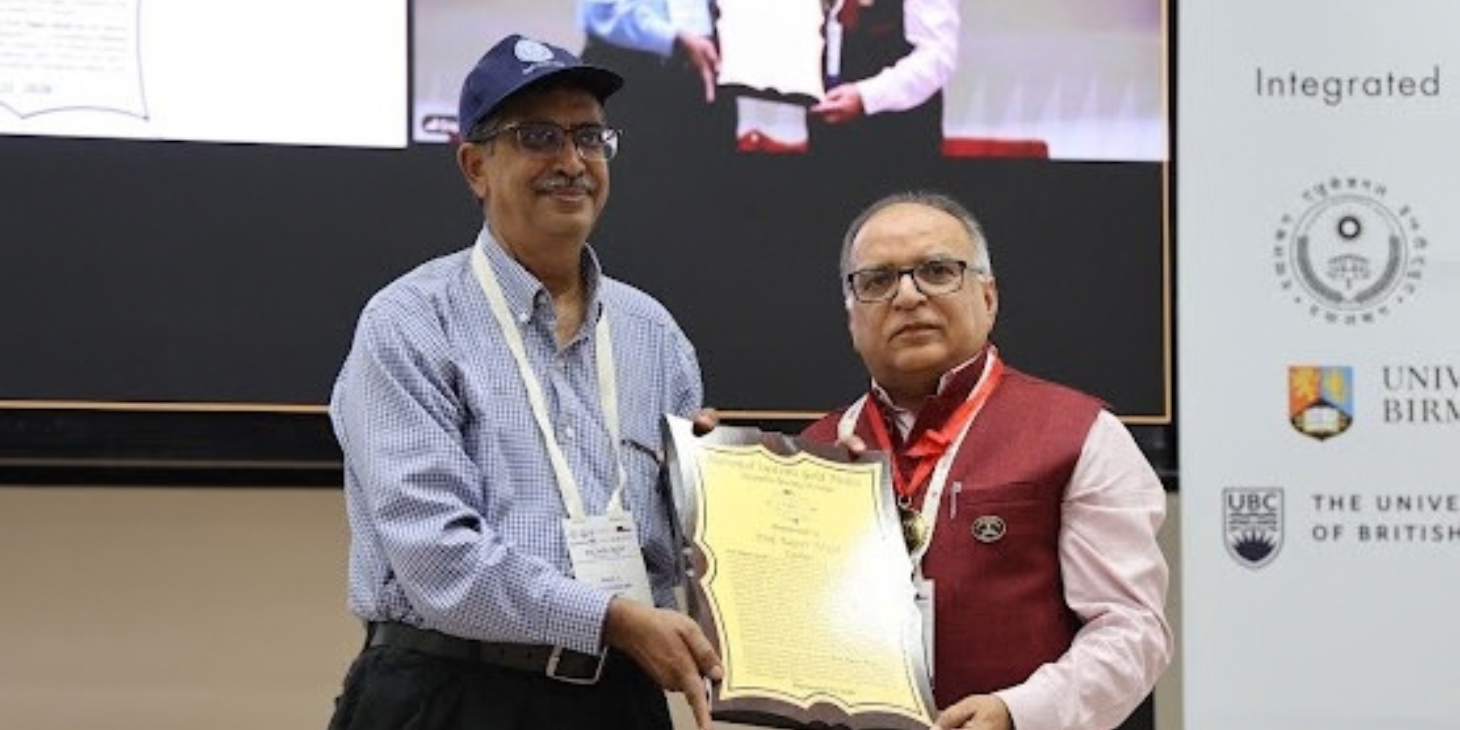


Dr. Soundari S., Regional Head, Clinical Services at Dr Agarwals Eye Hospital, said poorly controlled blood sugar is contributing to faster lens changes and earlier vision problems.
Doctors in India are reporting more cataract cases among people in their 40s and 50s, with diabetes being identified as a major contributing factor.
High blood sugar levels over a long period can affect the eye’s natural lens, causing clouding and reduced visual clarity at a younger age. Doctors say cataract is no longer being seen only as an age related condition, especially as diabetes, obesity and hypertension become more common.
India has over 101 million adults living with diabetes and 136 million with prediabetes, according to the International Diabetes Federation. While diabetic retinopathy is widely recognised as an eye complication linked to diabetes, cataract is also becoming a growing concern among people with long standing or poorly controlled diabetes.
Dr. Soundari S., Regional Head, Clinical Services, Dr Agarwals Eye Hospital and Consultant Ophthalmologist, said, “Diabetes is increasingly being recognised as a major contributor to early cataract development. We are seeing a rising number of patients in their 40s and 50s presenting with cataracts, particularly those with poorly controlled blood sugar levels.”
Common symptoms include blurred vision, glare, reduced contrast sensitivity, difficulty reading digital screens and frequent changes in spectacle power. Doctors say these symptoms are becoming more noticeable among working age adults because of daily screen use, video calls, smartphone use and driving.
Dr Agarwals Eye Hospital has announced up to 50 percent off on cataract eye evaluations for the public until 15 July 2026, with registrations available through 95940 27222.
Dr. Deepa Chitra, Consultant Ophthalmologist, said, “Many patients still believe that surgery should only be performed once the cataract has ‘matured’, or assume that vision loss is a normal part of ageing. Some also expect eye drops to reverse the condition, which is not medically accurate.”
Doctors advise people above 40, especially those with diabetes or other metabolic conditions, to undergo regular eye check ups. Early detection can help ensure timely treatment and reduce the long term impact on vision. Cataract surgery is considered safe and effective, with advances such as laser assisted cataract surgery supporting better outcomes when treatment is not delayed.
At Prittle Prattle News, featuring you virtuously, we celebrate the commitment and innovation. Led by Editor-in-Chief Smruti Bhalerao, our platform is dedicated to sharing impactful stories that inspire change and create awareness. Follow us on LinkedIn, Instagram, and YouTube for more stories that matter.
About Prittle Prattle News
Prittle Prattle News is a digital news publication covering business, technology, healthcare, education, lifestyle, public affairs and other developments from India and around the world. Led by Editor-in-Chief Smruti Bhalerao, we publish timely news, industry updates and feature stories for a broad readership.

























Add Comment