



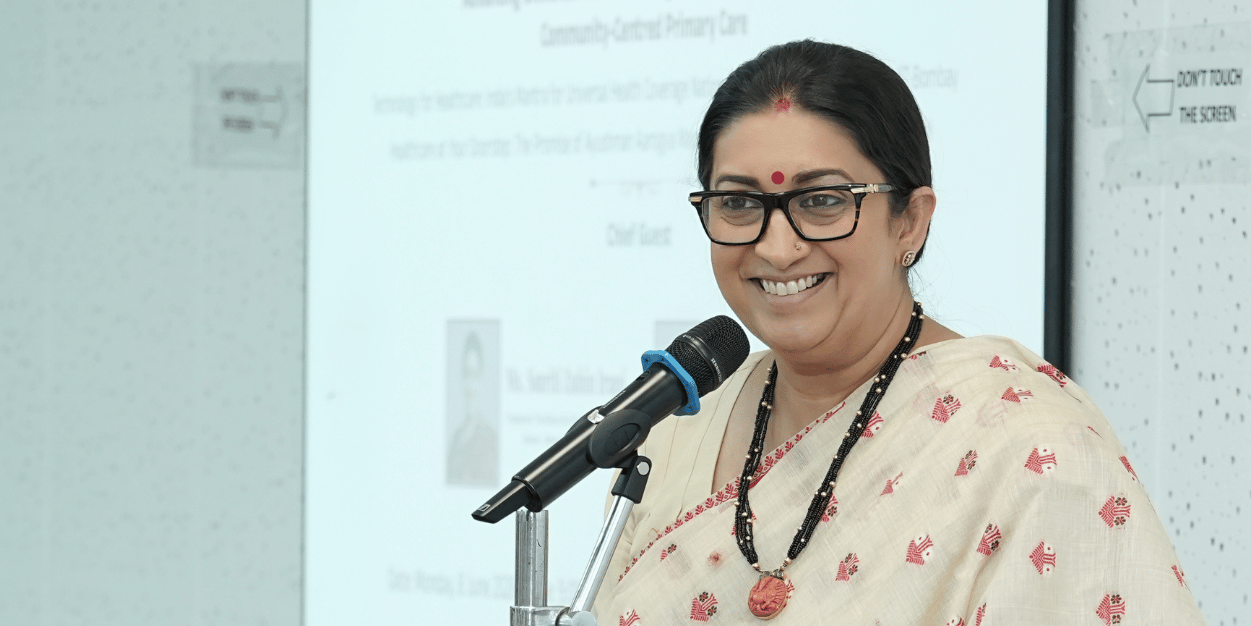
The fifth EPHP conference opened with reports on Ayushman Aarogya Mandirs and health technology, as Prof. Arnab Mukherji, Public Policy area, IIM Bangalore, called for stronger links between evidence, policy and practice.
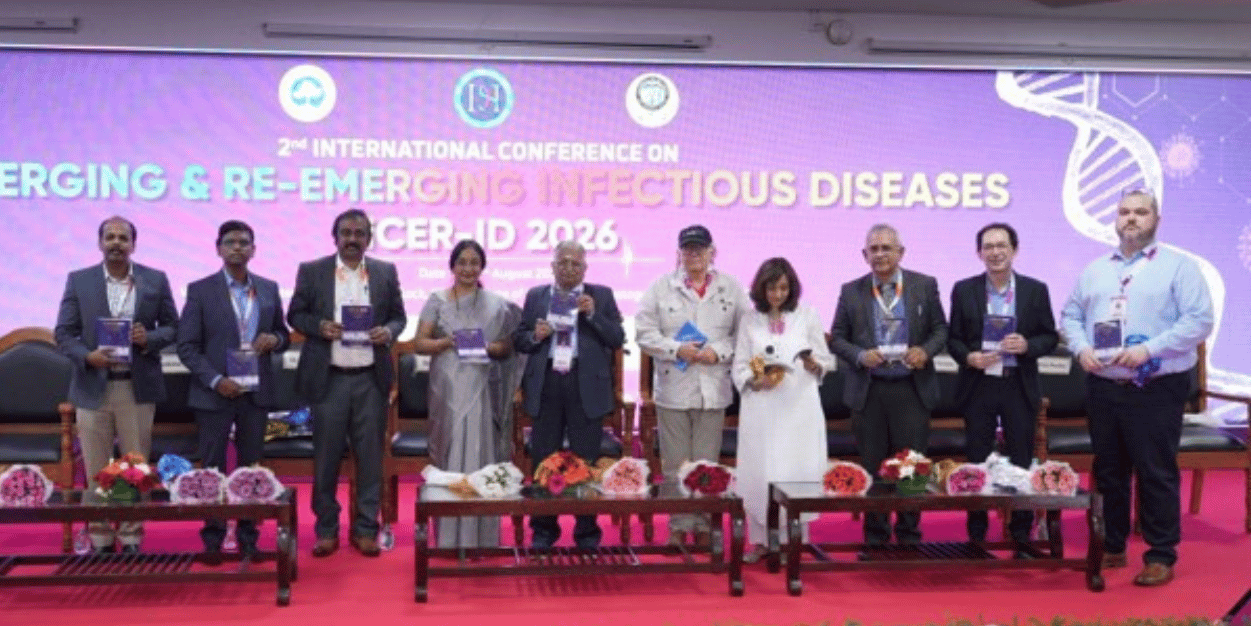
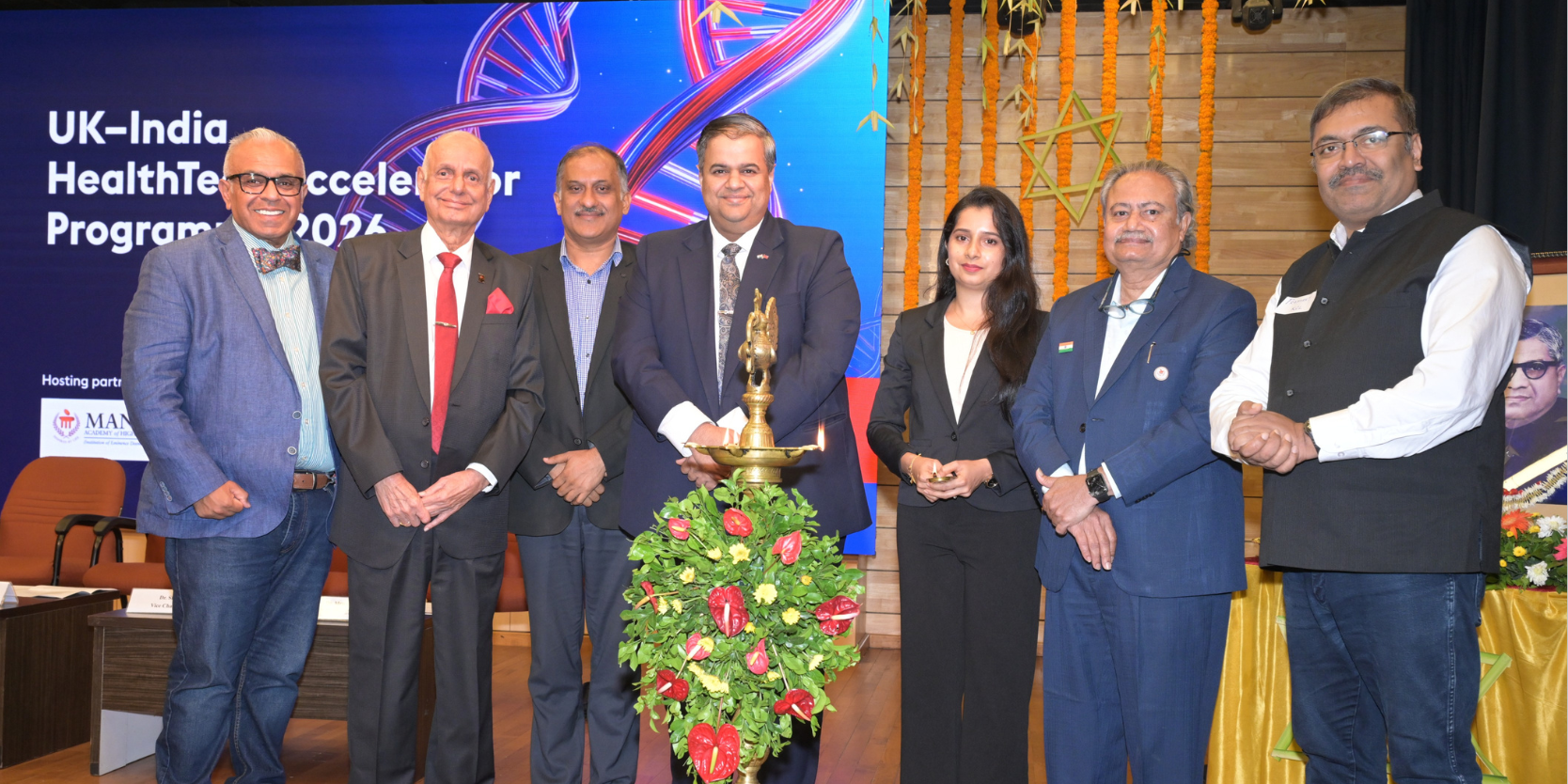
Bengaluru, 8 June 2026: The fifth edition of Bringing Evidence into Public Health Policy 2026 opened at IIM Bangalore with a focus on future focused health systems in a changing context.
The national conference brought together policymakers, health professionals, researchers and public health leaders from India and the Asia Pacific region for three days of keynotes, panel discussions, workshops and dialogues.
The conference is being organised by the T.T. Narasimhan School of Advanced Studies at IPH Bengaluru in partnership with Health Systems Global, Asia Pacific Region, The George Institute for Global Health, IIM Bangalore and the Institute of Tropical Medicine Antwerp.
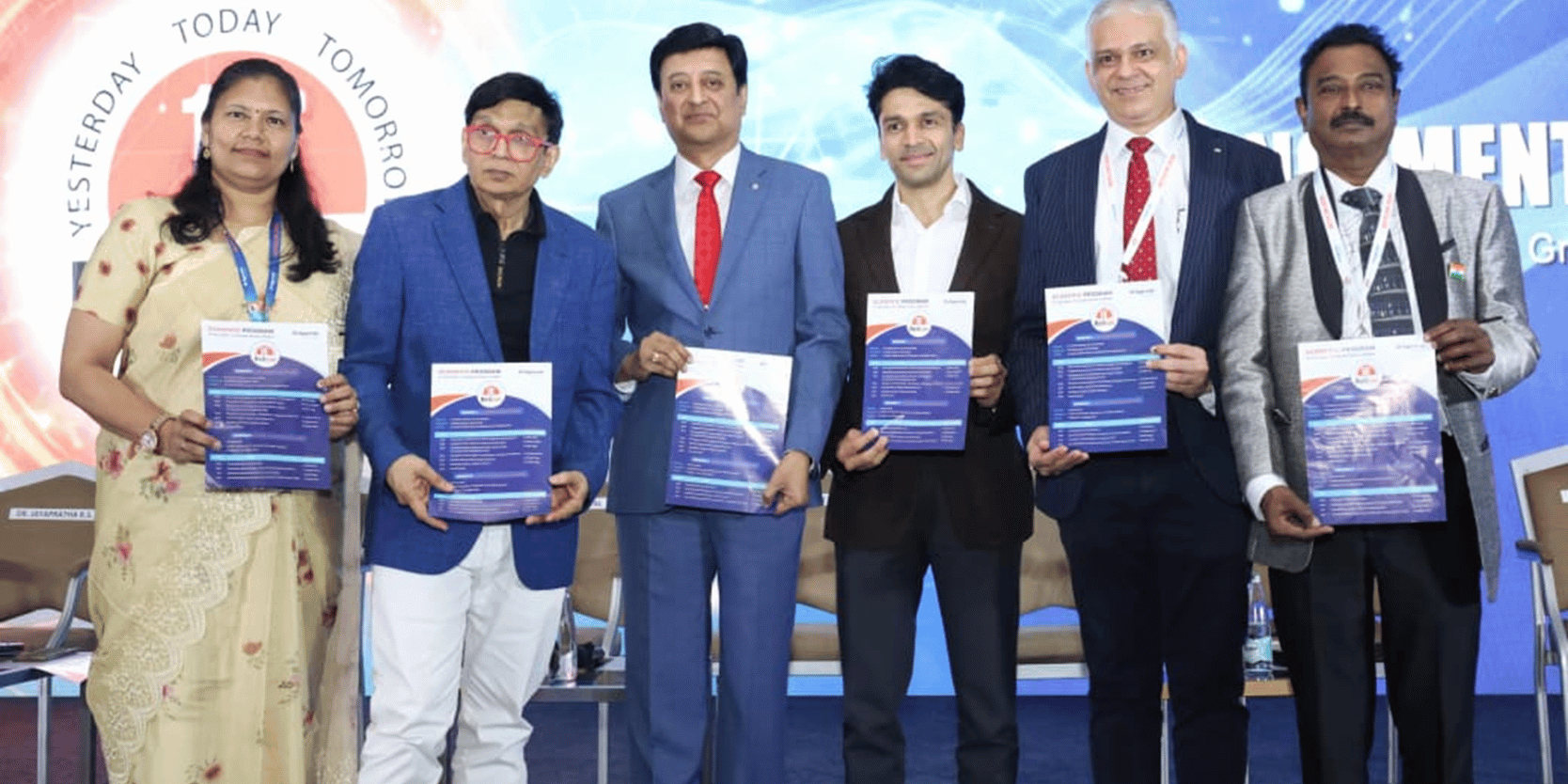
A key session featured the release of Healthcare at Your Doorstep: The Promise of Ayushman Aarogya Mandirs, a report prepared by IIM Bangalore in collaboration with IIM Udaipur, IIM Shillong and IIM Ranchi.
The study examined how Ayushman Aarogya Mandirs are supporting comprehensive primary healthcare across Karnataka, Meghalaya, Mizoram, Jharkhand and Rajasthan. The research covered 11 districts, 13 focus group discussions and 93 participants.
Presenting the report, Dr. Alacrity Muksor, Post Doctoral Fellow, IIM Bangalore, said the study looked at the functioning of Ayushman Aarogya Mandirs, implementation challenges and recommendations for strengthening comprehensive primary healthcare.
The report found that Ayushman Aarogya Mandirs are offering services beyond traditional primary care, including maternal and child health, immunisation, non communicable disease care, mental health services, geriatric and palliative care, teleconsultation and preventive health services.
A second report, Technology for Healthcare: India’s Mantra for Universal Health Coverage, was prepared by the National Disease Modelling Consortium at IIT Bombay. It examined the role of digital technologies, disease modelling and data systems in improving universal health coverage.
Ms. Smriti Zubin Irani, former Cabinet Minister, Chairperson of the Alliance for Global Good, Gender Equity and Equality, and Advisor to the Women’s Collective Forum, said, “We opine, we examine, we publish, and that suffices. The real challenge is to model these findings for real-life and real-time implementation.”
She added, “There is intent, there is a pathway, and there is an aim. The only thing lacking is an implementable plan.”
Dr. Sanghamitra Pati, Additional Director General, Indian Council of Medical Research, said, “The road to Viksit Bharat has to go through Ayushman Bharat. We cannot be a developed nation unless every citizen has access to affordable, accessible and appropriate healthcare.”
She added, “Ninety per cent of healthcare problems of ninety per cent of people can be addressed through primary healthcare. The first roadmap we need to assemble is how to build a comprehensive direction towards primary healthcare.”
Prof. Arnab Mukherji, Public Policy area, IIM Bangalore, said, “EPHP represents a unique platform that brings together diverse stakeholders to address complex public health challenges through evidence-informed policy dialogue. As IIM Bangalore strengthens its engagement with health systems research and policy, such forums become increasingly important for fostering collaborations that can contribute to better health outcomes and more responsive health systems.”
The first day also included addresses by Dr. Upendra Bhojani, Senior Fellow, Centre for Commercial Determinants of Health, IPH Bengaluru; Dr. Vivekanand Jha, Executive Director, The George Institute for Global Health; Dr. Sundari Ravindran, Governing Board Member, IPH Bengaluru; Dr. Pragathi Hebbar, Dean, T.T. Narasimhan School of Advanced Studies, IPH Bengaluru; Dr. Ashoo Grover, Scientist G and Head, Division of Delivery Research, ICMR; and Mr. Ritvik Ranjanam Pandey, IAS, Principal Secretary, Department of Health and Family Welfare, Government of Karnataka.
EPHP 2026 will continue until 10 June with sessions on resilient, equitable and responsive health systems.
At Prittle Prattle News, featuring you virtuously, we celebrate the commitment and innovation. Led by Editor-in-Chief Smruti Bhalerao, our platform is dedicated to sharing impactful stories that inspire change and create awareness. Follow us on LinkedIn, Instagram, and YouTube for more stories that matter.
About Prittle Prattle News
Prittle Prattle News is a digital news publication covering business, technology, healthcare, education, lifestyle, public affairs and other developments from India and around the world. Led by Editor-in-Chief Smruti Bhalerao, we publish timely news, industry updates and feature stories for a broad readership.







Add Comment