



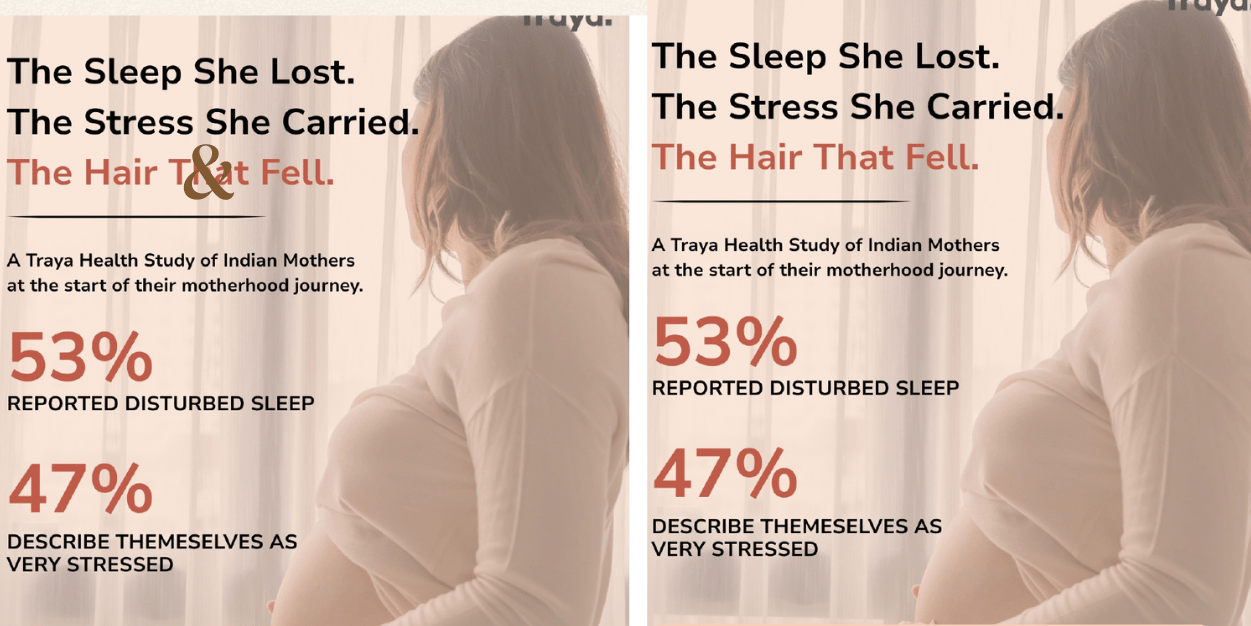
The study of 76,727 pregnant and breastfeeding Indian mothers found 53.41 percent reported disturbed sleep and 47.35 percent felt very stressed, as Saloni Anand, Co Founder, Traya Health, said hair fall often reflects years of lost rest and care.
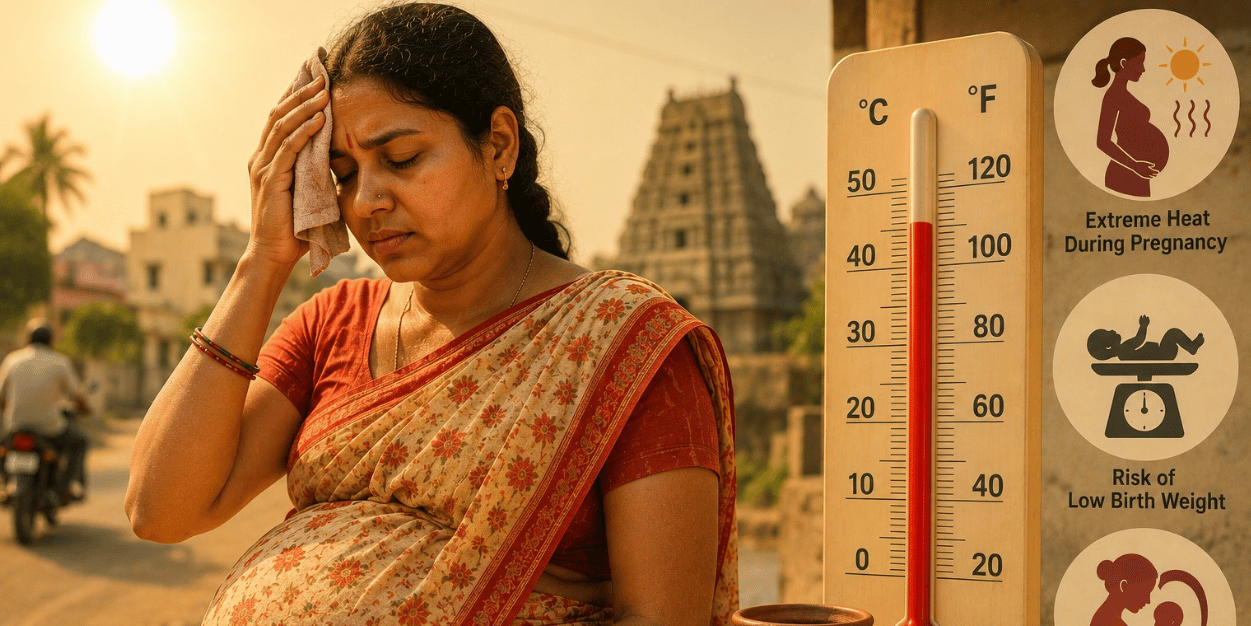
Mumbai, May 2026: A new Traya Health study has placed numbers behind a concern many Indian mothers describe for years after childbirth: hair fall that begins around pregnancy or delivery and continues as sleep, stress and self care remain disrupted.
The study looked at 76,727 Indian mothers at the beginning of motherhood, including women who are pregnant, women whose babies are less than one year old and women who are currently breastfeeding.
According to the study, 53.41 percent of mothers reported disturbed sleep. This includes women who wake at least once at night, sleep less than five hours or struggle to fall asleep. Another 15.02 percent reported slightly disturbed sleep, while 31.57 percent said they had peaceful sleep.
Stress levels were also high. The study found that 47.35 percent of mothers described themselves as very stressed, meaning they feel tense three to five times a week or almost every day. Another 34.54 percent said they felt stressed once or twice a week but found it manageable. Only 18.11 percent described themselves as relaxed.
Traya Health said these conditions are closely linked with hair fall and hair thinning, especially when they continue beyond the early months of motherhood. While the study captures women at the beginning of the journey, the pattern often continues into later stages of parenting, including toddler years, school years, household responsibilities, work demands and care for ageing family members.
Saloni Anand, Co Founder, Traya Health, said, “At Traya, we hear from thousands of Indian mothers every month, and the pattern is always the same. Hair fall that began after delivery never quite stopped. What this study tells us is why. It is not just about her hair. It is about the sleep she lost, the stress she’s been carrying, and the years she has spent looking after everyone except herself.”
Hair health depends on rest, calm and nutrition. During pregnancy, elevated estrogen can extend the hair’s natural growth phase, which is why many women experience fuller hair during this period. After delivery, estrogen levels drop sharply, and the extra hair the body retained can enter a shedding cycle known as postpartum hair fall. This is often noticed around three to four months after childbirth.
Traya Health said the concern becomes more persistent when postpartum shedding is followed by ongoing sleep disruption, chronic stress and nutritional depletion. Sleep supports cellular repair, including repair linked to the hair follicle. Stress can increase cortisol, which may push more hair follicles into a resting phase. Postpartum recovery, breastfeeding and long term neglect of personal health can also reduce reserves of iron, calcium and B vitamins.
The study points to a wider conversation around how Indian mothers experience health after childbirth. Hair fall may be the visible sign, but the underlying story often includes poor sleep, constant stress and years of placing personal care last.
Traya Health said families and caregivers need to ask mothers more honestly about how they are sleeping, how stressed they feel and whether they are receiving the rest, calm and care their bodies need.
Traya Health is a hair fall brand for women that combines dermatology, nutrition and Ayurveda into customised treatment plans. The brand focuses on internal factors such as stress, sleep disruption and poor gut health, and has supported over five lakh women across India.
At Prittle PrattleNews, featuring you virtuously, we celebrate the commitment and innovation. Led by Editor-in-Chief Smruti Bhalerao, our platform is dedicated to sharing impactful stories that inspire change and create awareness. Follow us on LinkedIn, Instagram, and YouTube for more stories that matter
About Prittle Prattle News
Prittle Prattle News is a digital news publication covering business, technology, healthcare, education, lifestyle, public affairs and other developments from India and around the world. Led by Editor-in-Chief Smruti Bhalerao, we publish timely news, industry updates and feature stories for a broad readership.










Add Comment