


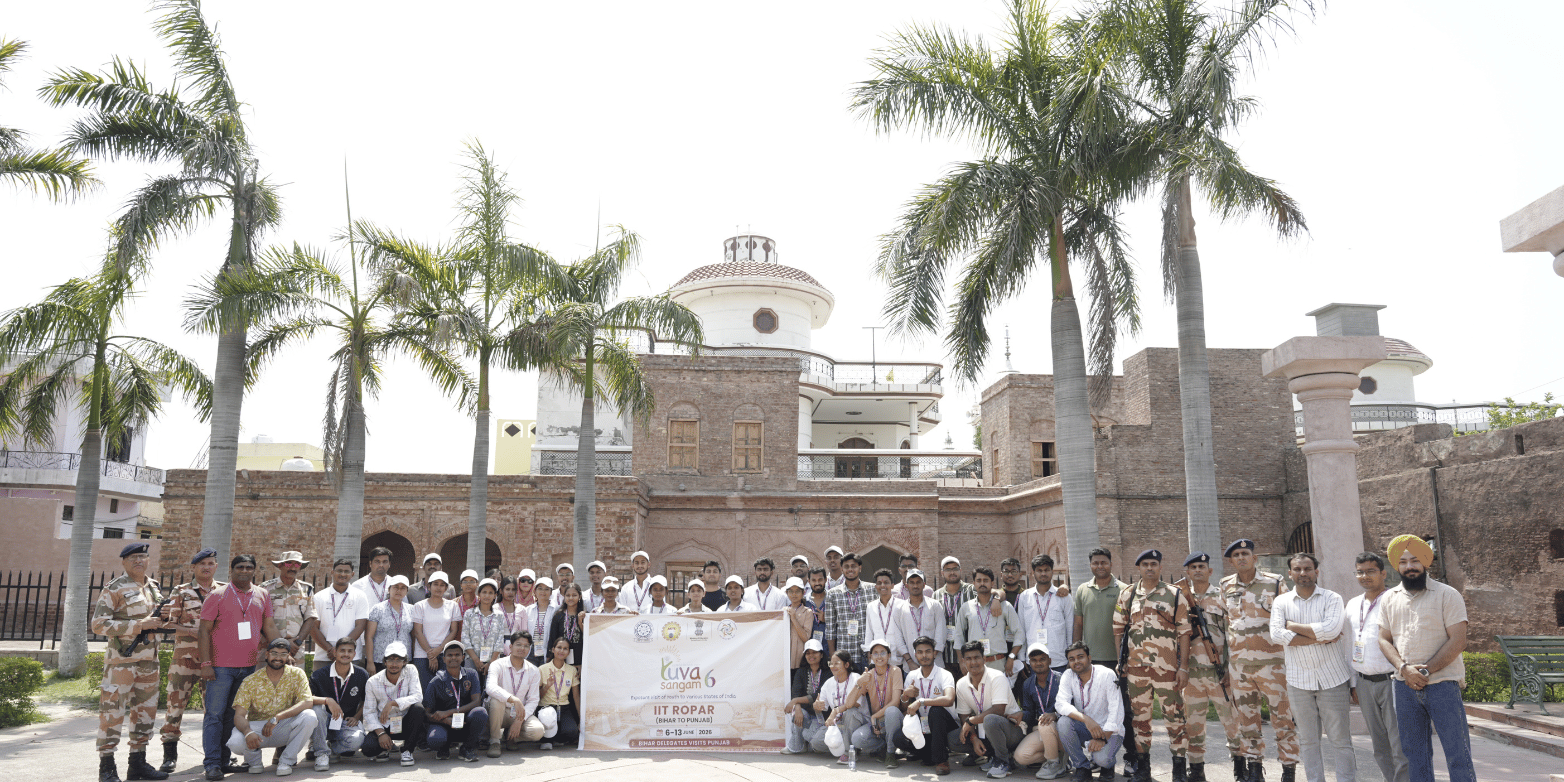
The Phase VI visit covered Toppan Speciality Films, Khatkar Kalan and the Ropar Archaeological Site under the Ministry of Education’s Ek Bharat Shreshtha Bharat initiative.
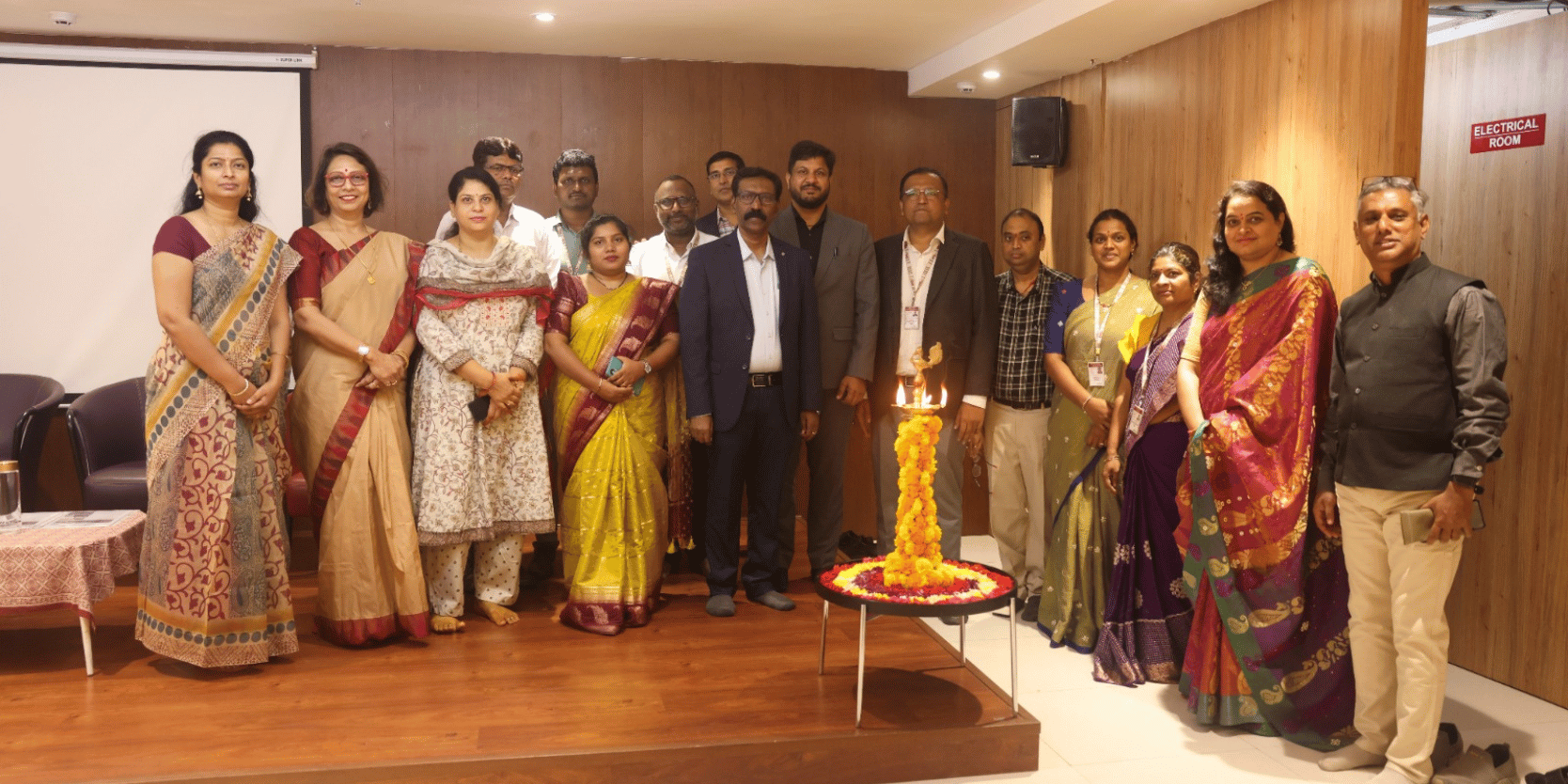
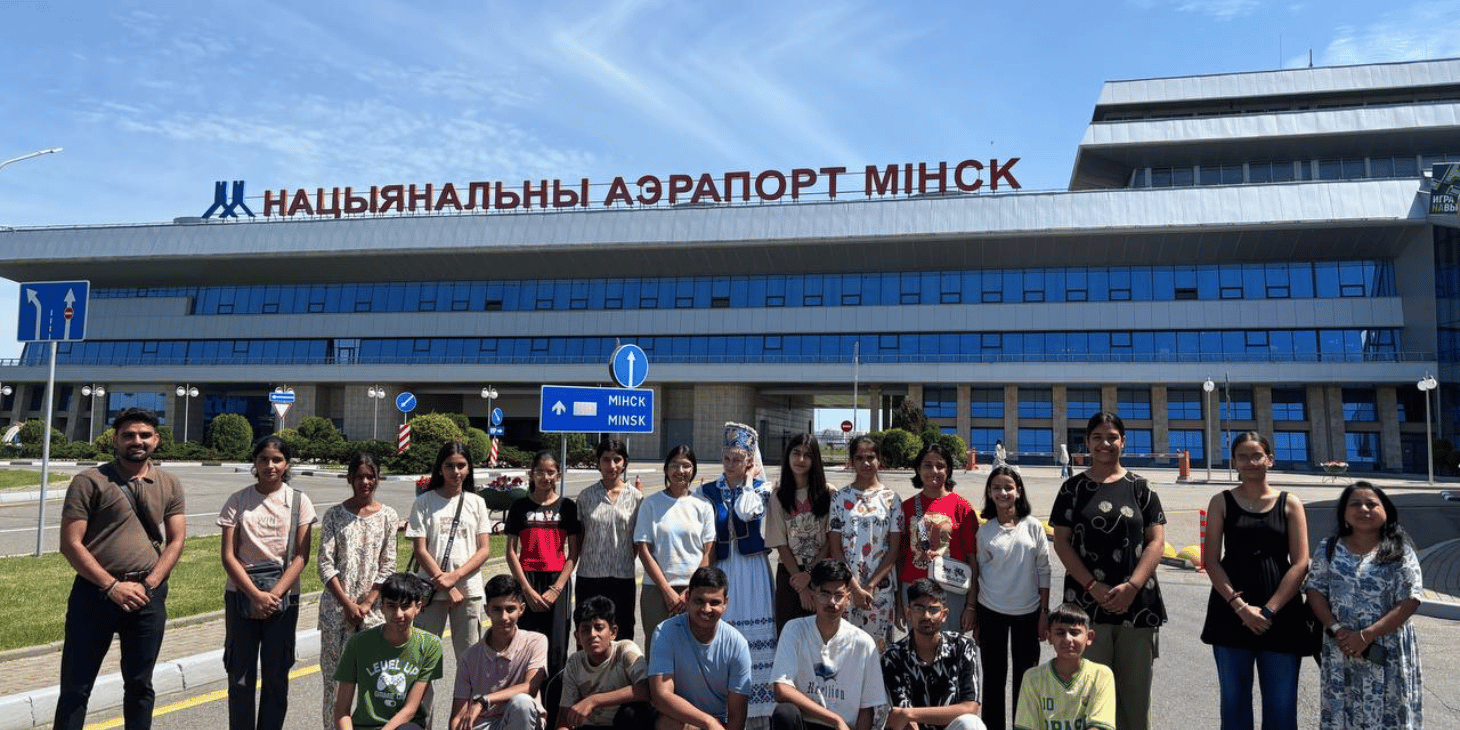
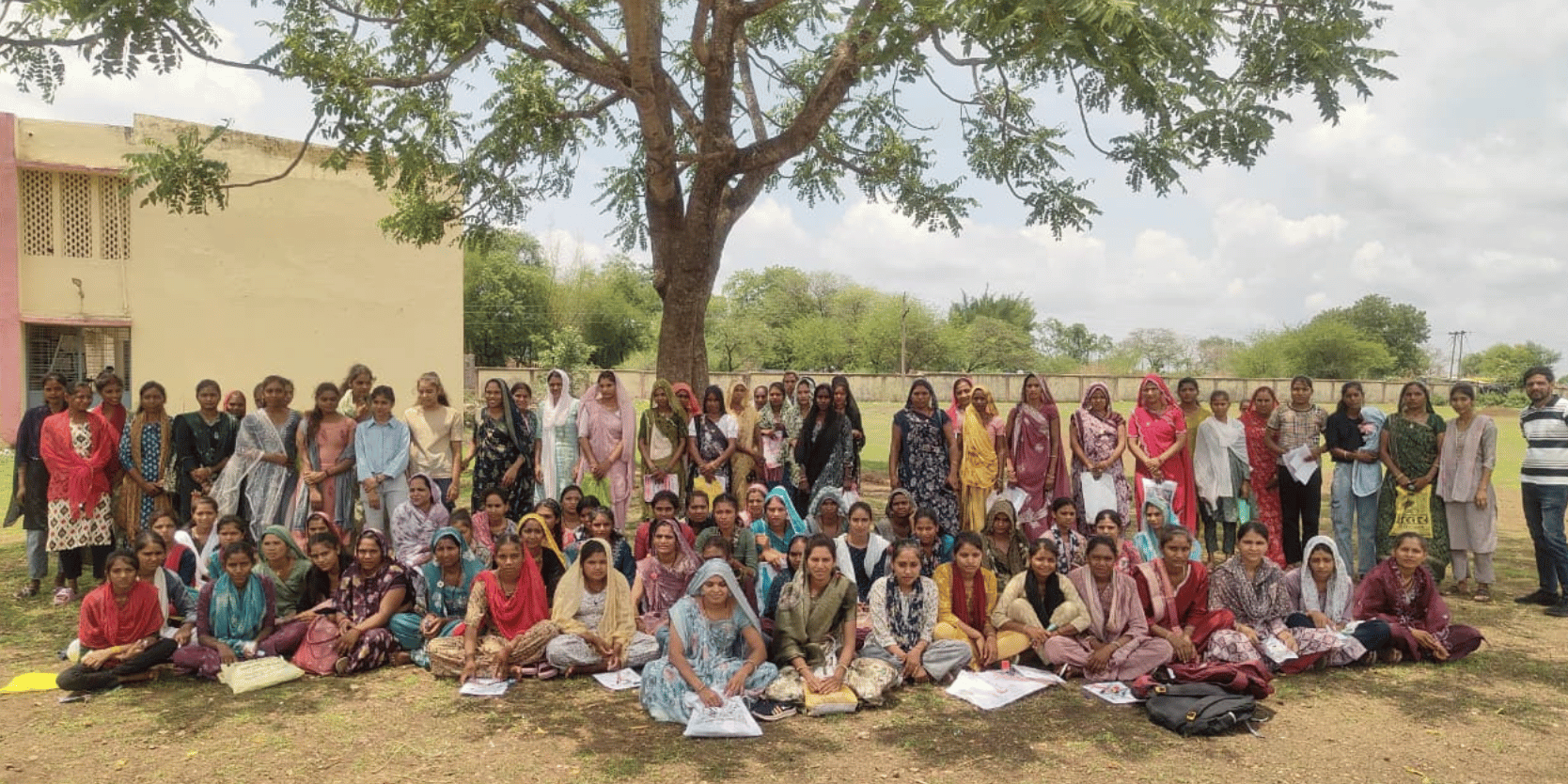
The Bihar delegation visiting Punjab under Yuva Sangam Phase VI began its six day programme on 8 June 2026 with visits focused on industry, freedom struggle heritage and ancient civilisation.
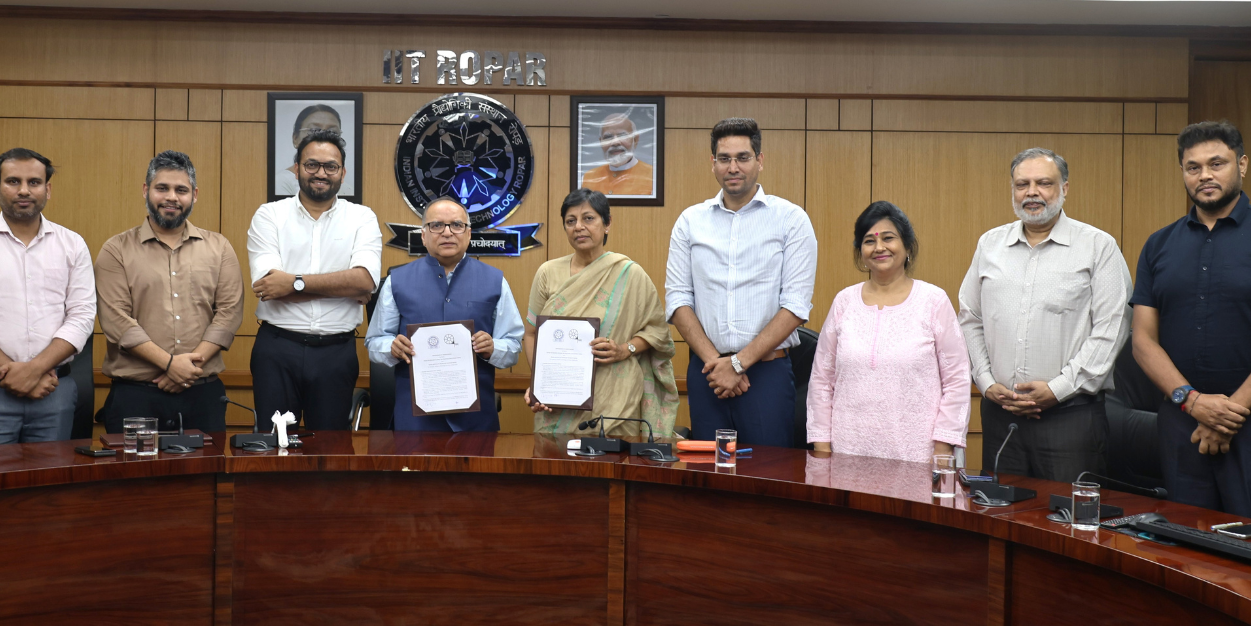
The programme is coordinated by IIT Ropar, the nodal institution for Punjab under the Ministry of Education’s Ek Bharat Shreshtha Bharat initiative.
The day began with a visit to Toppan Speciality Films Private Limited at Railmajra, near Rupnagar. Founded in 1990 as Max Speciality Films, the company is now part of Japan based Toppan Group and supplies specialty polypropylene based films used in flexible packaging, bottle labelling and graphic lamination.
For students from science and engineering backgrounds, the visit offered exposure to polymer manufacturing, packaging technology and export oriented industrial operations.
The delegation then visited Khatkar Kalan in Shaheed Bhagat Singh Nagar, the ancestral village of Shaheed e Azam Bhagat Singh. The ancestral home, built in 1858 by Bhagat Singh’s great grandfather Sardar Fateh Singh, was declared a protected monument in 1982.
The village is associated with patriots including Sardar Kishan Singh, Sardar Ajit Singh, Sardar Swaran Singh and Shaheed e Azam Sardar Bhagat Singh. For the Bihar delegates, the visit created a connection with Punjab’s role in India’s freedom movement.
The final stop was the Ropar Archaeological Site on the banks of the Sutlej River. Ropar was the first Harappan site excavated in independent India and is known as the northernmost Harappan settlement in the subcontinent.
The Archaeological Museum at Rupnagar, inaugurated in 1998, houses artefacts from the Harappan period to medieval times. The site gave the students an opportunity to engage with a civilisation more than 4,000 years old.
The three visits brought together the Yuva Sangam themes of Paryatan, Parampara, Pragati and Prodyogiki, giving the Bihar delegation a closer view of Punjab’s industrial growth, freedom history and civilisational legacy.
At Prittle Prattle News, featuring you virtuously, we celebrate the commitment and innovation. Led by Editor-in-Chief Smruti Bhalerao, our platform is dedicated to sharing impactful stories that inspire change and create awareness. Follow us on LinkedIn, Instagram, and YouTube for more stories that matter.
About Prittle Prattle News
Prittle Prattle News is a digital news publication covering business, technology, healthcare, education, lifestyle, public affairs and other developments from India and around the world. Led by Editor-in-Chief Smruti Bhalerao, we publish timely news, industry updates and feature stories for a broad readership.






Add Comment