










Doctors at CARE Hospitals, Hyderabad, are addressing misconceptions about painless breast lumps, treatment and social stigma during Breast Cancer Awareness Month. They emphasise that early diagnosis can provide more treatment choices, while screening decisions should be based on individual risk and medical advice.
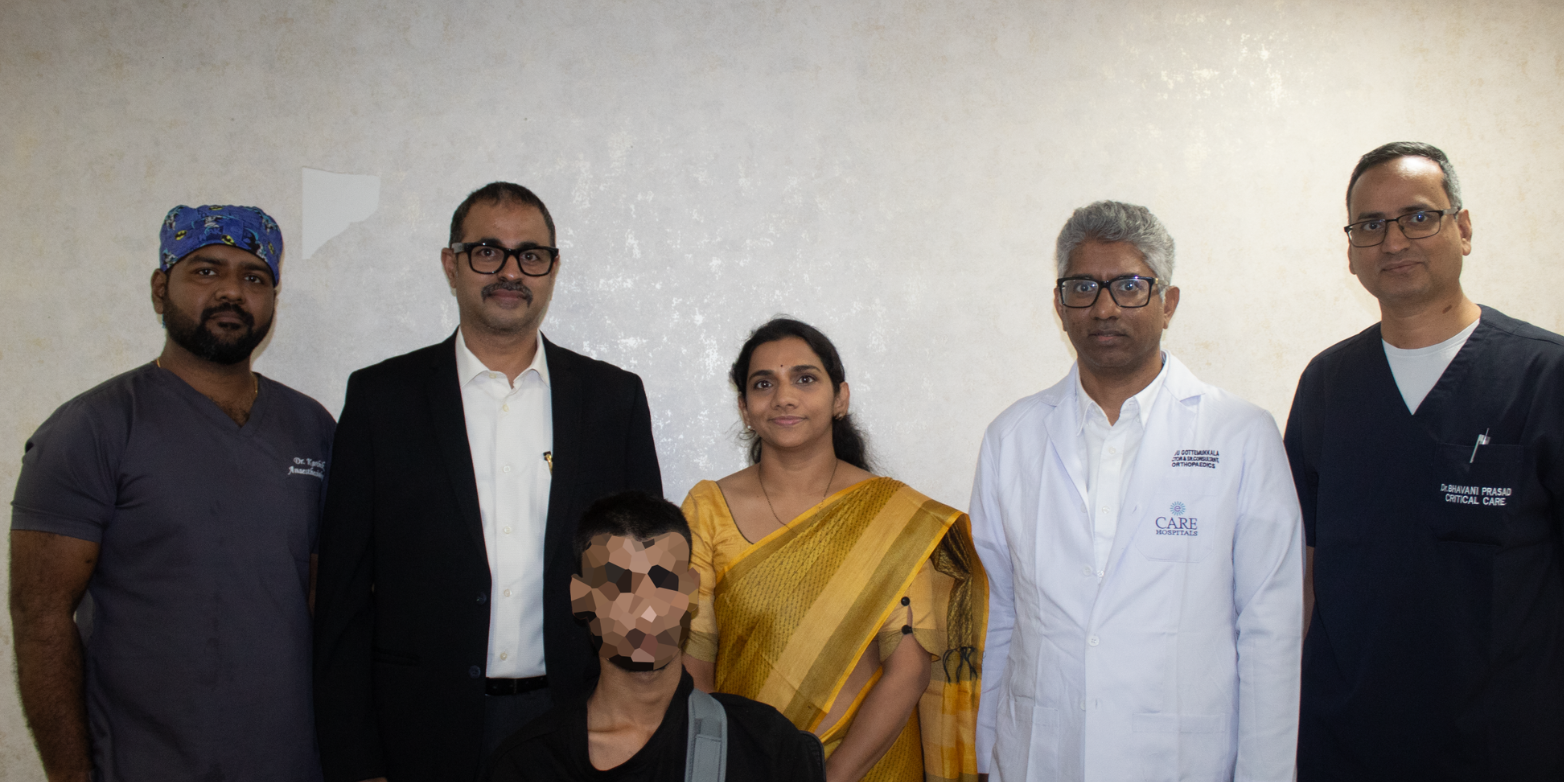
During Breast Cancer Awareness Month 2026, Dr. Ramu Damuluri, Senior Consultant, Surgical Oncology, Oncoplastic Breast and Women Cancer Surgeon, and Dr. A. Venugopal, Senior Consultant Medical Oncologist, Hemato-Oncologist and BMT Physician, both at CARE Hospitals, Hitech City, urge timely evaluation as Telangana data indicate historically low screening uptake.
Fear, social stigma and misconceptions about breast cancer are among the reasons some women postpone medical consultations, according to specialists at CARE Hospitals, Hyderabad.
During Breast Cancer Awareness Month 2026, the hospital’s oncologists are urging women to seek medical evaluation for unusual breast changes rather than waiting for pain or more noticeable symptoms.
The awareness campaign, held globally in October, carries the theme “Every Story is Unique, Every Journey Matters” this year.
The theme draws attention to early diagnosis, individual treatment needs, emotional support and barriers that may prevent women from seeking healthcare.
Telangana Screening Data Raise Concerns
Figures cited in the Telangana Cancer Burden Profile 2026 indicate historically low uptake of breast cancer screening in the state.
According to the profile, which references National Family Health Survey (NFHS-5) data, only 0.3% of women aged 30 to 49 in Telangana had ever undergone a breast examination for cancer screening during the survey period.
The figure relates to the period covered by NFHS-5 and should not be interpreted as the state’s current screening rate.
Nevertheless, it highlights the importance of improving awareness and access to appropriate medical evaluation.
Doctors say fear of receiving a cancer diagnosis, concerns about treatment and uncertainty about changes in physical appearance can discourage women from discussing breast health.
Painless Breast Lumps Still Require Evaluation
One misconception identified by CARE Hospitals specialists is the belief that a breast lump cannot be serious unless it causes pain.
Breast cancer may develop without pain, particularly in its early stages.
Although many breast lumps are not cancerous, a new or unusual lump should be assessed by a qualified healthcare professional.
Dr. Ramu Damuluri, Senior Consultant, Surgical Oncology, Oncoplastic Breast & Women Cancer Surgeon, CARE Hospitals, Hitech City, said, “One of the most common myths is that a breast lump is harmless if it does not cause pain.”
He also addressed concerns about breast removal following a cancer diagnosis.
“Not every lump is cancerous, and not every breast cancer requires complete breast removal. When diagnosed early, breast-conserving surgery may be possible in suitable patients,” he said.
The availability of breast conserving treatment depends on clinical factors, including the size and location of the tumour, the extent of disease and the patient’s circumstances.
Doctors advise women to seek medical attention for changes such as a new breast or underarm lump, unusual nipple discharge, nipple inversion, changes in breast shape or alterations in breast skin.
These symptoms do not necessarily indicate cancer, but they should not be ignored.
Age and Family History Are Not the Only Factors
Another misconception is that breast cancer occurs only among older women or people with a family history of the disease.
Although risk generally increases with age, younger women can also develop breast cancer.
Many people diagnosed with the disease do not have a known family history.
For this reason, doctors recommend discussing concerning breast changes with a healthcare professional regardless of age.
The absence of pain or visible symptoms should also not be treated as proof that breast cancer is absent.
Treatment Depends on the Individual Diagnosis
CARE Hospitals specialists emphasise that breast cancer treatment is not identical for every patient.
Medical decisions depend on the stage of the disease, its biological characteristics and the individual’s health and clinical needs.
Available treatment approaches may include surgery, radiotherapy, chemotherapy, hormonal therapy, targeted therapy and immunotherapy.
Not every patient requires all these treatments.
Dr. A. Venugopal, Senior Consultant Medical Oncologist, Hemato-Oncologist & BMT Physician, CARE Hospitals, Hitech City, said, “Another misconception is that breast cancer is always incurable or that chemotherapy is necessary for every patient.”
He added, “Today, treatment is selected according to the type and stage of cancer, and not every patient requires the same approach.”
According to the specialist, some patients diagnosed at an early stage may be eligible for treatment intended to cure the disease.
“Early diagnosis can provide more treatment choices and may reduce treatment complexity in some cases,” Dr. Venugopal said.
Treatment outcomes vary, and early detection does not guarantee a cure. However, the stage at diagnosis remains an important factor in planning care.
Addressing Social Stigma and Emotional Concerns
Beyond medical misconceptions, doctors identify emotional and social barriers that can delay consultation.
Women may worry about how a diagnosis will affect their relationships, family responsibilities, appearance, employment or finances.
Concerns about chemotherapy, surgery and reactions from others may also discourage open conversations about symptoms.
CARE Hospitals specialists say family members and caregivers can help by listening without judgement, respecting privacy and supporting women during consultations and treatment decisions.
Emotional reassurance and access to accurate medical information are important parts of supporting patients.
Screening and Medical Advice
Doctors caution against relying on self examination alone to detect breast cancer.
While being familiar with normal breast appearance and changes can help women recognise unusual symptoms, self examination is not a substitute for appropriate screening or medical assessment.
Mammography and other screening decisions should be discussed with a qualified healthcare professional, taking into account age, family history, individual risk and applicable clinical recommendations.
Any suspicious breast change warrants timely evaluation, even when a person is younger than the age at which routine screening is generally considered.
During Breast Cancer Awareness Month, CARE Hospitals is encouraging women to overcome misconceptions, discuss breast health openly and obtain appropriate medical advice.
The hospital provides multidisciplinary cancer services, including diagnostic evaluation, surgical oncology, medical oncology and supportive care.
Its specialists emphasise that informed decisions, individualised treatment and timely consultation can help women access appropriate care without unnecessary delays.
At Prittle Prattle News, featuring you virtuously, we celebrate the commitment and innovation. Led by Editor-in-Chief Smruti Bhalerao, our platform is dedicated to sharing impactful stories that inspire change and create awareness. Follow us on LinkedIn, Instagram, and YouTube for more stories that matter.
About Prittle Prattle News
Prittle Prattle News is a digital news publication covering business, technology, healthcare, education, lifestyle, public affairs and other developments from India and around the world. Led by Editor-in-Chief Smruti Bhalerao, we publish timely news, industry updates and feature stories for a broad readership.

































Add Comment