

The ASSOCHAM and TechSci Research report projects an 18.4% CAGR for Ayurvedic products and an 11% CAGR for medical tourism through 2030, while identifying preventive diagnostics, personalised wellness, healthy ageing, women’s health and traditional medicine among emerging opportunities.
Dr. M. Srinivas, Hon’ble Member, NITI Aayog, and Dr. Ramanand N. Shukla, CEO, National Accreditation Board for Testing and Calibration Laboratories, called for greater research, credible evidence and trust as India’s medical tourism market is projected to reach USD 16.76 billion by 2030
India’s Ayurvedic products market is projected to reach USD 22.37 billion by 2030 from USD 8.12 billion in 2024, reflecting an 18.4% CAGR, as preventive healthcare, traditional medicine and wellness tourism gain greater attention across the country.
India’s medical tourism market is also projected to increase from USD 9.01 billion in 2024 to USD 16.76 billion by 2030 at an 11% CAGR, according to the ASSOCHAM and TechSci Research Knowledge Report, “Towards a Healthier India: Building a Culture of Preventive & Holistic Wellness.”
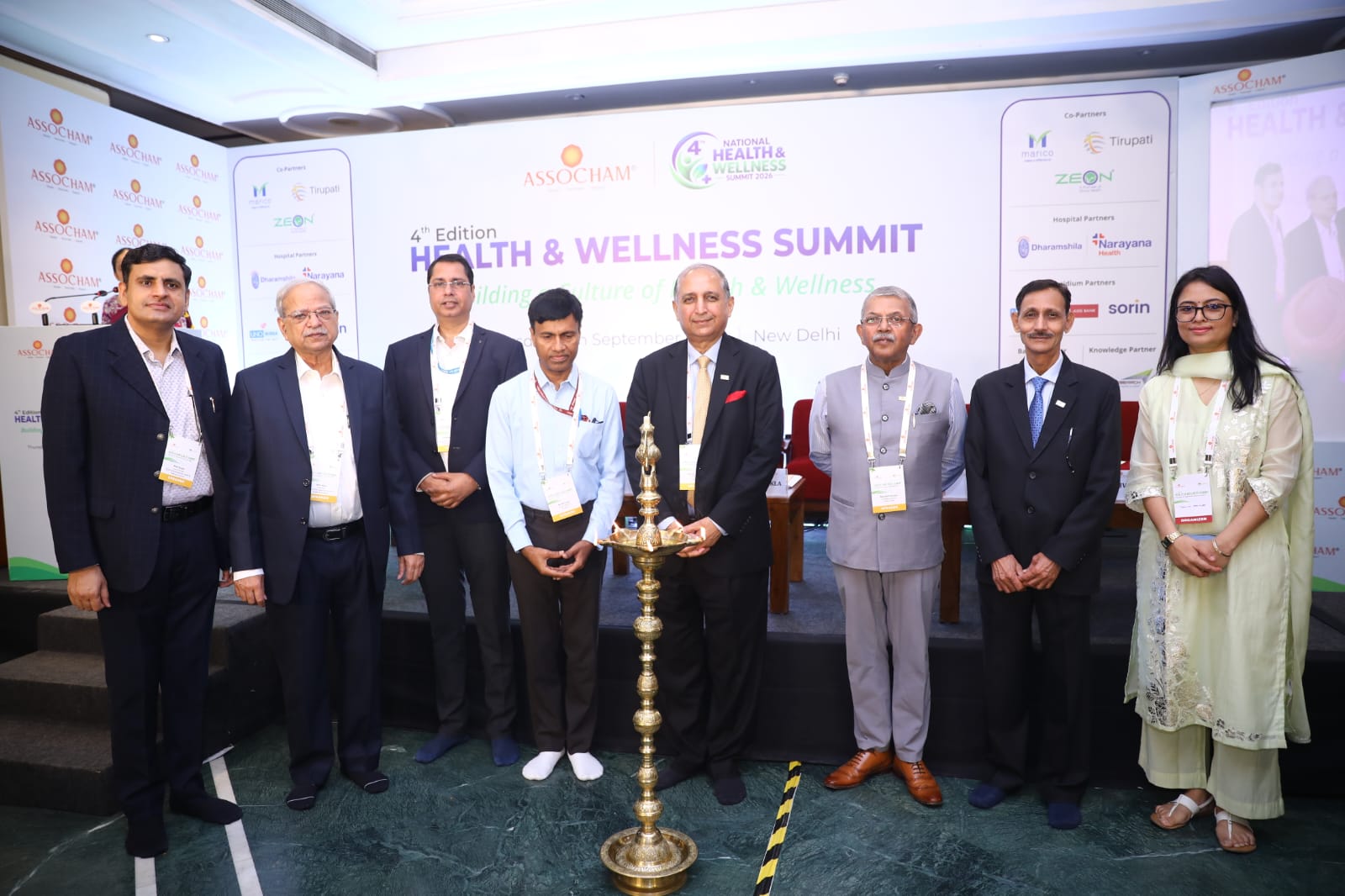
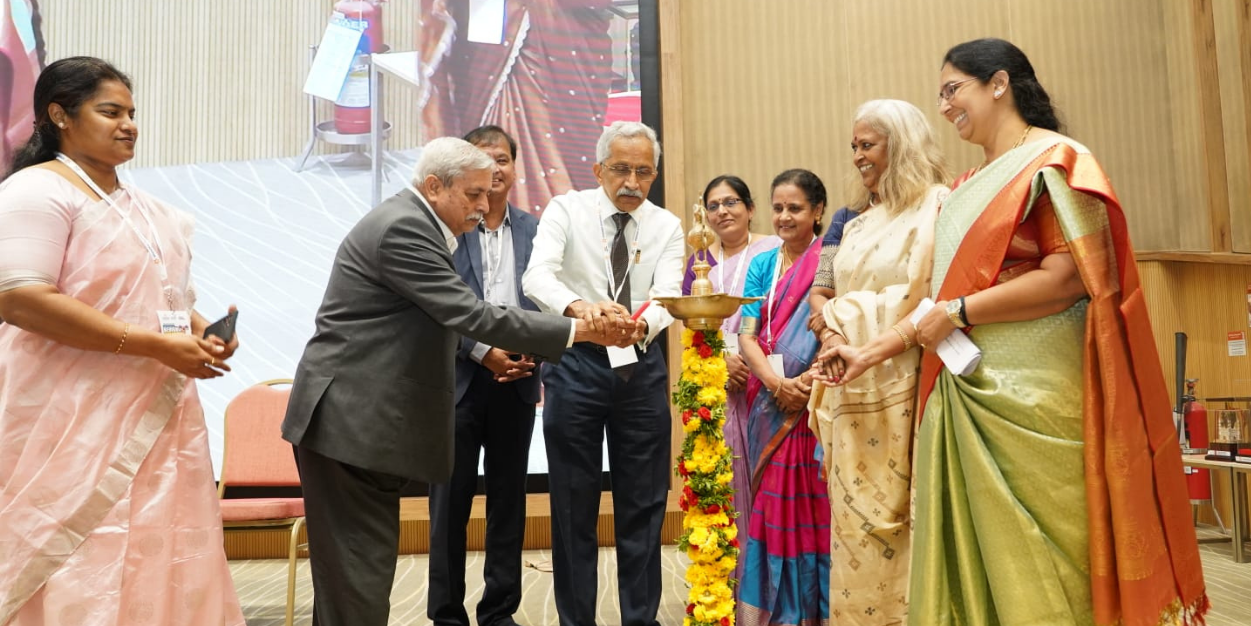
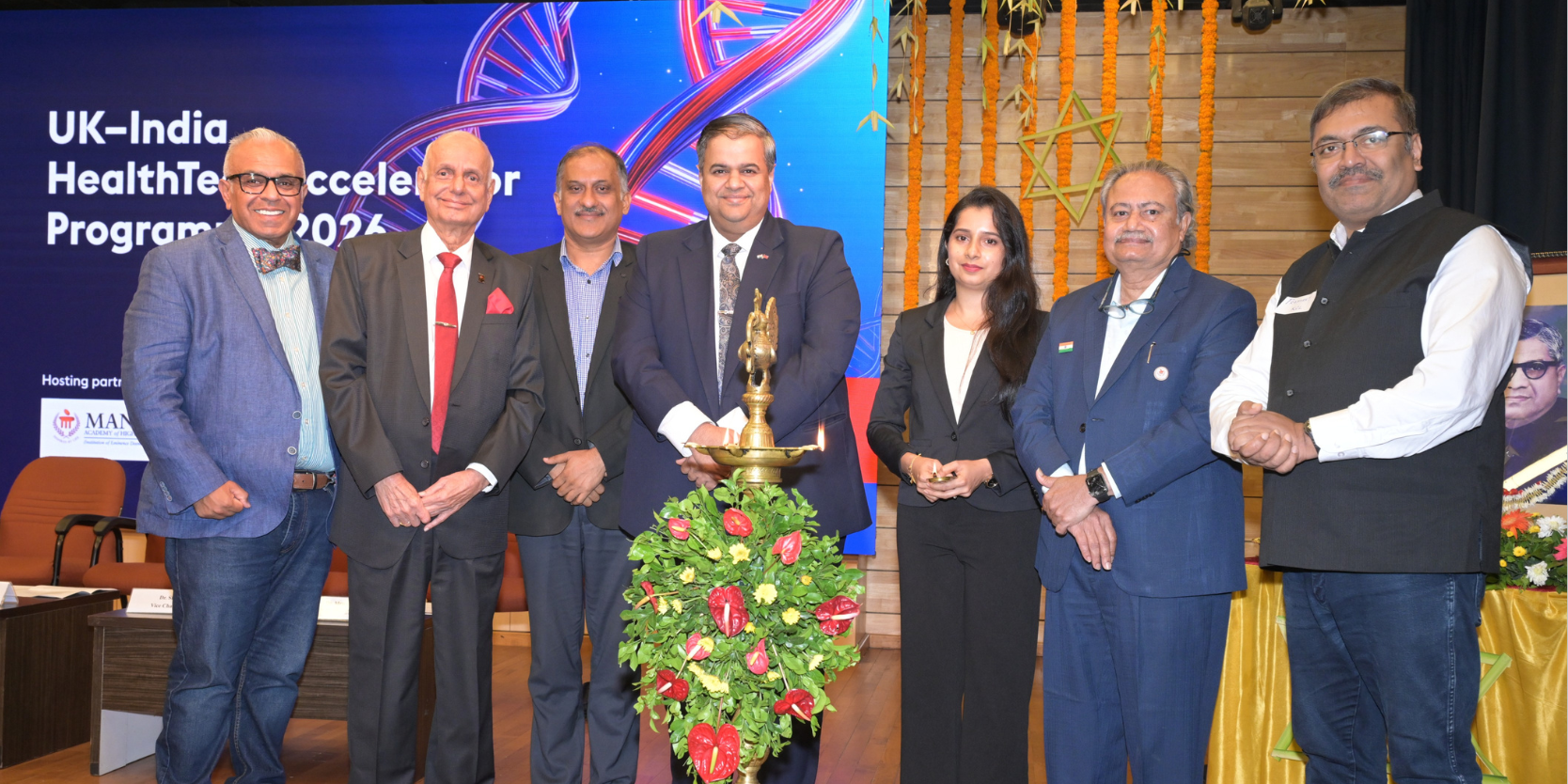
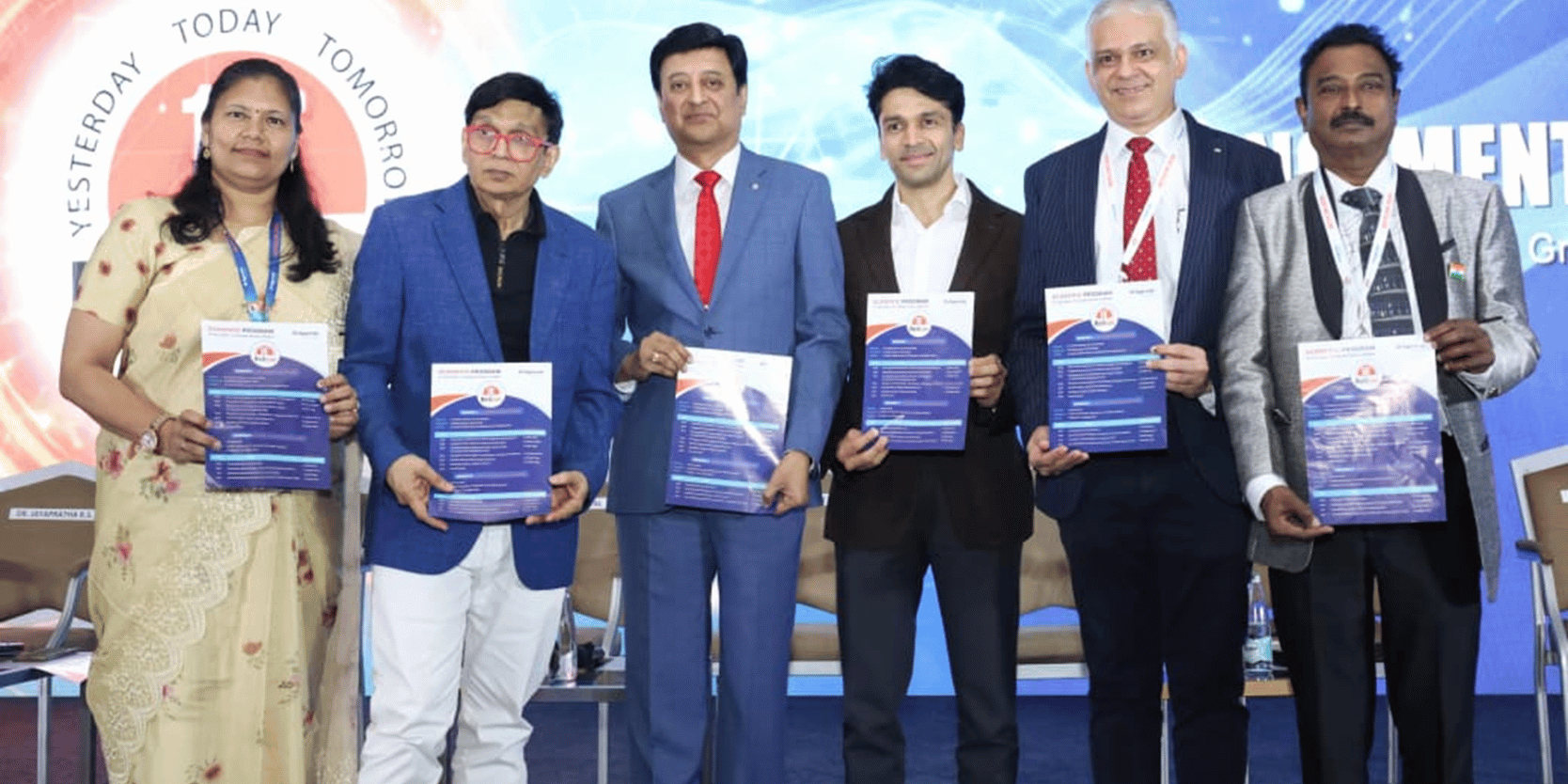
The report was released at the 4th ASSOCHAM Health & Wellness Summit 2026 and examines the movement from a treatment focused healthcare approach towards prevention, holistic wellbeing and greater integration across the health and wellness ecosystem.
Traditional medicine and wellness tourism are identified as areas of opportunity, with the report pointing to Ayurveda and yoga as part of India’s proposition for global wellness demand. It identifies Ayurvedic products as the fastest growing segment of the wellness areas covered in the report.
Dr. M. Srinivas, Hon’ble Member, NITI Aayog, addressed the potential of wellness and medical value tourism and called for a greater shift from treating illness towards wellness.
“There is an immense potential for the wellness, medical value tourism for the country. Half a billion, few billions is not a thing. I think we need to go beyond those countries which are very small countries and doing a good work and getting a lot of money,” Dr. Srinivas said.
He added, “I think somewhere we need to transition from our illness-centric approach which we used to do in institutions and big hospitals to the wellness approach which is being heard today. That is something which is a commendable job and bringing all these people together is something which is very important.”
Dr. Srinivas also called for greater investment in research and development, digital health and artificial intelligence within the AYUSH ecosystem. He proposed the concept of Corporate Health Responsibility alongside CSR and sought greater industry participation in health as part of the vision for Viksit Bharat 2047.
Evidence and trust were another focus at the summit. Dr. Ramanand N. Shukla, CEO, National Accreditation Board for Testing and Calibration Laboratories, addressed the importance of credible evidence as India develops its healthcare proposition internationally.
“The future of Indian healthcare as I see will not be defined only by how advanced our treatment is, it will be defined by how much the world trusts the evidence behind the treatment,” Dr. Shukla said.
He added, “The world is trusting India and people are coming to us. However, when we look at the next stage of India’s medical value travel story, it cannot be only about cost, infrastructure and medical expertise. It has to be about trust.”
Dr. Shukla also called for diagnostic accreditation to be considered alongside hospital accreditation as India develops its healthcare presence internationally.
“The future of Indian healthcare as I see will not be defined only by how advanced our treatment is, it will be defined by how much the world trusts the evidence behind the treatment,” Dr. Shukla said.
He added, “The world is trusting India and people are coming to us. However, when we look at the next stage of India’s medical value travel story, it cannot be only about cost, infrastructure and medical expertise. It has to be about trust.”
Dr. Shukla also called for diagnostic accreditation to be considered alongside hospital accreditation as India develops its healthcare presence internationally.
Anil K. Agarwal, Past President, ASSOCHAM, focused on the relationship between workforce health, productivity and economic competitiveness.
“A healthy workforce is not merely a social responsibility, it is an investment in human capital, productivity and India’s competitiveness,” Agarwal said.
He also addressed India’s healthcare and pharmaceutical capabilities, saying, “India has enormous strength in healthcare. We are globally recognized as the pharmaceutical country of the world, manufacturer of the world, a supplier of pharmaceuticals, APIs to the world.”
Dr. B.K. Rao, Chairman, ASSOCHAM National Health & Wellness Council and Emeritus Consultant, Sir Ganga Ram Hospital, called for traditional healthcare systems and modern medicine to be considered alongside credible evidence.
“India stands at a unique crossroads. We have the distinct advantage of blending the precision of modern medicine with the ancient wisdom of Ayurvedic and traditional systems, provided we remain evidence-based. And the evidence is what we should not shy away from,” Dr. Rao said.
He also called for participation across healthcare providers, technology companies, institutions and industry in developing the wider health and wellness ecosystem.
Dr. R.K. Yadav, Co Chairman, ASSOCHAM National Health & Wellness Council and Additional Professor, Nephrology, AIIMS Delhi, placed prevention within the broader discussion around development and healthcare.
“True development is not only about economic prosperity, it is about creating a healthier, better educated, and more sustainable society. We therefore need to move from a culture of treating illness to preventing illness,” Dr. Yadav said.
He also discussed government and industry collaboration and the role of Corporate India in healthcare, digital health, technology, accessibility and wellness.
The report identifies preventive diagnostics, personalised wellness, corporate wellness, healthy ageing, women’s health, vernacular digital health, wellness tourism and traditional medicine among areas with emerging opportunities.
It also views the wellness economy as extending beyond individual healthcare decisions to include healthcare providers, technology and digital platforms, nutrition and wellness companies, employers, institutions, government, policymakers, insurers and payers.
The summit also included the Health and Wellness Excellence Awards, recognising contributions and developments across healthcare and wellness.
Saurabh Sanyal, Secretary General, ASSOCHAM, concluded the summit with a vote of thanks to speakers, panellists, industry representatives, healthcare professionals, policymakers and participants.
The report’s outlook for 2030 considers greater integration of Ayurveda, yoga and modern medicine alongside the development of India’s wellness economy.
At Prittle Prattle News, featuring you virtuously, we celebrate the commitment and innovation. Led by Editor-in-Chief Smruti Bhalerao, our platform is dedicated to sharing impactful stories that inspire change and create awareness. Follow us on LinkedIn, Instagram, and YouTube for more stories that matter.
About Prittle Prattle News
Prittle Prattle News is a digital news publication covering business, technology, healthcare, education, lifestyle, public affairs and other developments from India and around the world. Led by Editor-in-Chief Smruti Bhalerao, we publish timely news, industry updates and feature stories for a broad readership.


Add Comment