



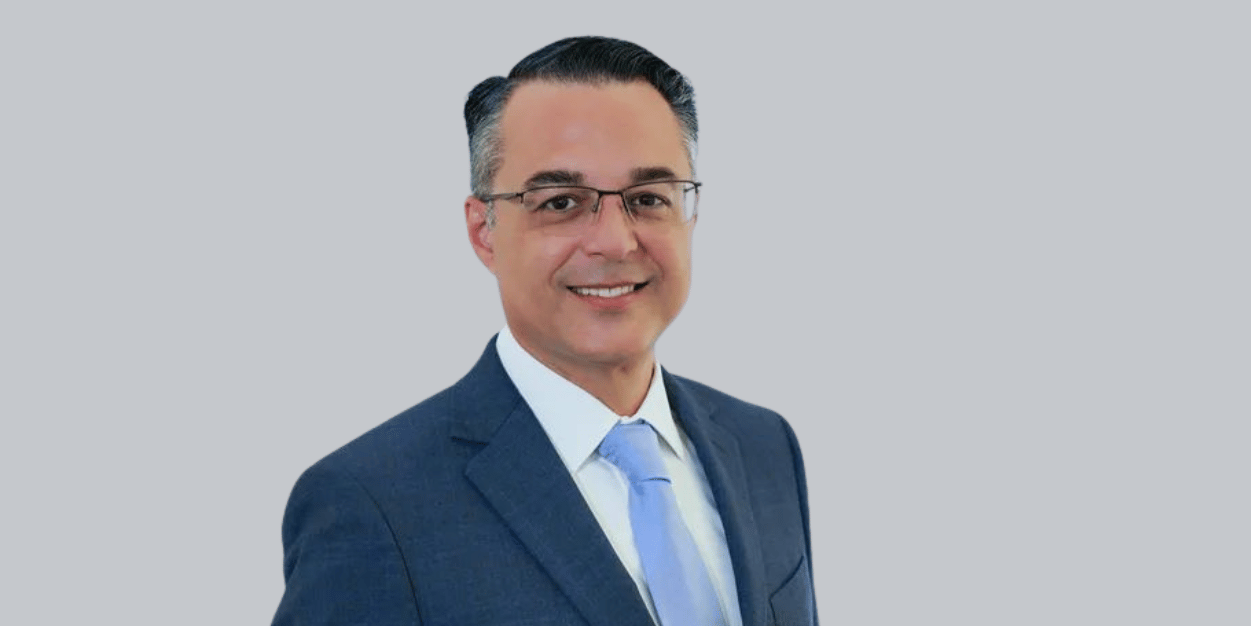
As diagnostic systems become faster and more common in clinical settings, St. George’s University is placing equal emphasis on teaching future doctors how to interpret technology and retain responsibility for the patient behind the result.
Dr. Marios Loukas, President of St. George’s University and Dean of the School of Medicine, says future doctors must learn to work with faster diagnostic technology without losing empathy, ethics and patient trust.
Artificial intelligence can analyse medical information in seconds, but the growing speed of diagnosis is placing a different responsibility on future doctors: knowing when to rely on technology and when human judgement must lead.
Dr. Marios Loukas, President of St. George’s University and Dean of the School of Medicine, believes medical education must prepare students for both sides of that responsibility as artificial intelligence becomes increasingly present in clinical practice.
AI systems are already being used to identify abnormalities on medical images, assess potential sepsis risk and assist clinicians with information that can support faster decisions.
AI can read a chest X ray in 1.3 seconds. It can flag a sepsis risk before a nurse has even finished charting. It can analyze a dermatology image with incredible accuracy. This is not science fiction, Dr. Loukas said.
The increasing use of such systems is changing what medical students may encounter when they enter clinical practice. Future doctors will need to understand how to interpret technology generated findings, recognise their limitations and determine how those findings should influence individual patient care.
Dr. Loukas said technological capability alone cannot fulfil several responsibilities that remain fundamental to medicine.
AI cannot hold a patient’s hand, he said. It cannot look at a terrified mother and say, I am here with you. It cannot sit with grief, and it cannot translate fear into trust.
The distinction becomes important as hospitals use technology to prioritise urgent scans, identify patients who may require earlier intervention and reduce administrative work.
While algorithms can process large amounts of information and recognise patterns quickly, St. George’s University believes medical training must continue to develop clinical judgement, professionalism, ethical decision making and empathy alongside technological proficiency.
Medicine has always been about more than arriving at the right diagnosis, Dr. Loukas said.
He added that doctors must understand the person behind a diagnosis, listen to individual concerns and help patients make decisions that can have significant consequences for their lives.
At St. George’s University School of Medicine, this approach is being applied to the preparation of students who may eventually practise across different healthcare systems as international medical graduates.
Rather than treating artificial intelligence as competition for physicians, Dr. Loukas sees the technology as a clinical tool that could allow doctors to spend less time on certain administrative and analytical tasks and more time with patients.
The best doctors in the future will not compete with artificial intelligence. They will know how to work alongside it while never losing the compassion, ethics and human connection that patients depend on, he said.
As artificial intelligence becomes more integrated into healthcare, the role of medical education is therefore extending beyond teaching students how emerging systems function.
Future physicians will also need to determine when technology should inform a decision, when its findings require further clinical assessment and how to communicate those decisions to patients in a way that preserves confidence and trust
St. George’s University School of Medicine was founded in 1976 and offers a four year Doctor of Medicine programme along with five, six and seven year MD tracks for students entering through different education systems.
Its students and faculty come from more than 150 countries, and the university has a network of more than 75 affiliated hospitals and health centres in the United States and United Kingdom
At Prittle Prattle News, featuring you virtuously, we celebrate the commitment and innovation. Led by Editor-in-Chief Smruti Bhalerao, our platform is dedicated to sharing impactful stories that inspire change and create awareness. Follow us on LinkedIn, Instagram, and YouTube for more stories that matter.
About Prittle Prattle News
Prittle Prattle News is a digital news publication covering business, technology, healthcare, education, lifestyle, public affairs and other developments from India and around the world. Led by Editor-in-Chief Smruti Bhalerao, we publish timely news, industry updates and feature stories for a broad readership.















[…] than 25 locations since its inception in 2026. The latest opening adds to the fitness brand’s presence across the National Capital Region as it prepares for expansion into other major Indian […]
Great interface and the graphics are stunning. It feels like a premium casino experience right from my phone. 38jilicclogin