

The four day Gurugram conference examined Stage B heart failure, diabetes related cardiac risks, AI assisted echocardiography and a proposed multicentre study on hidden heart diseases.
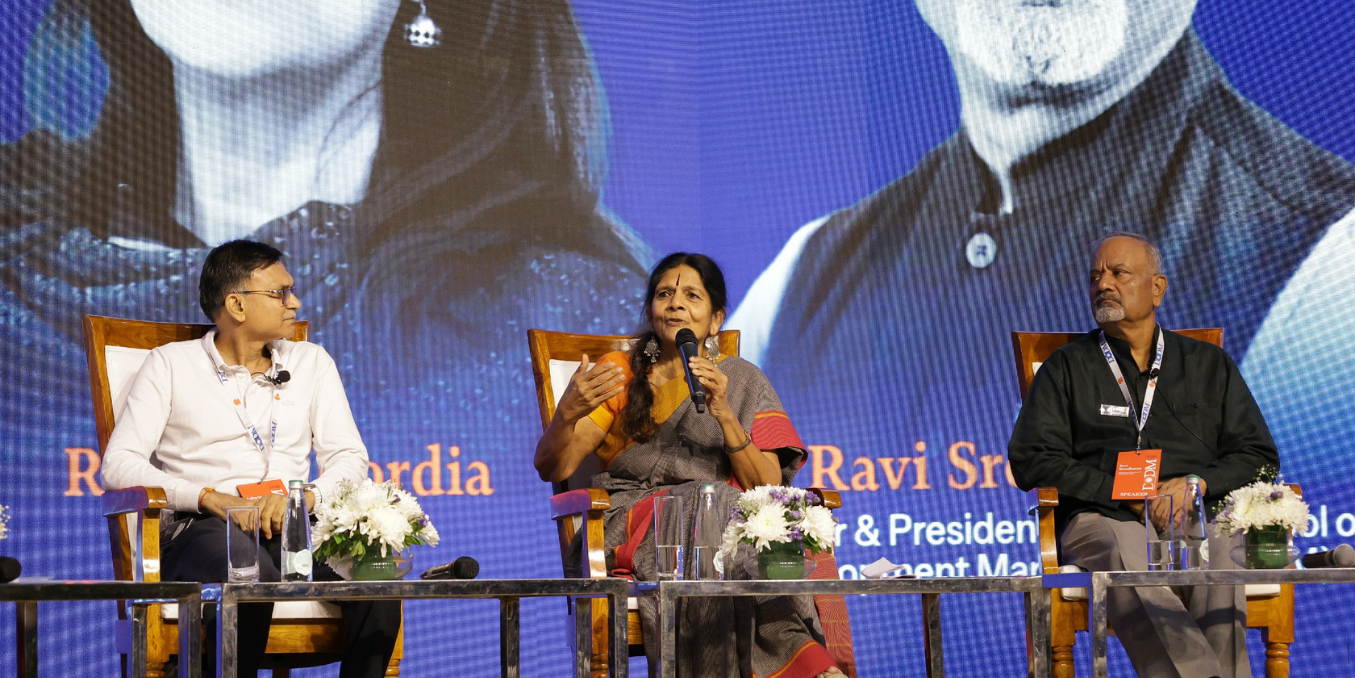
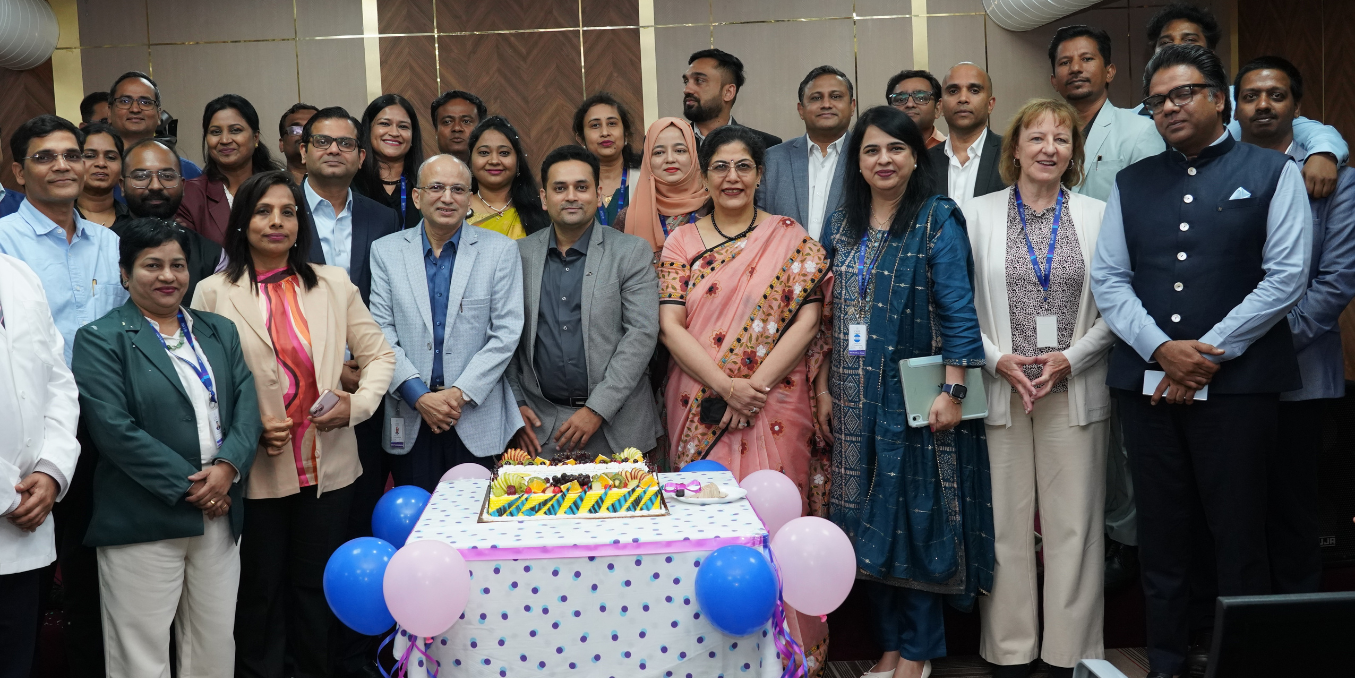
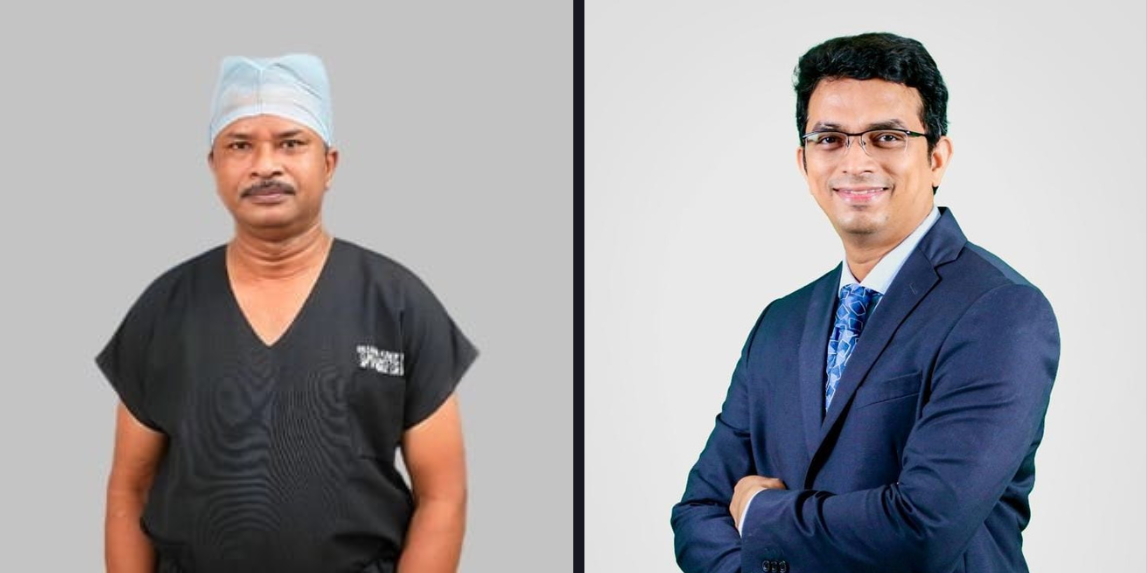
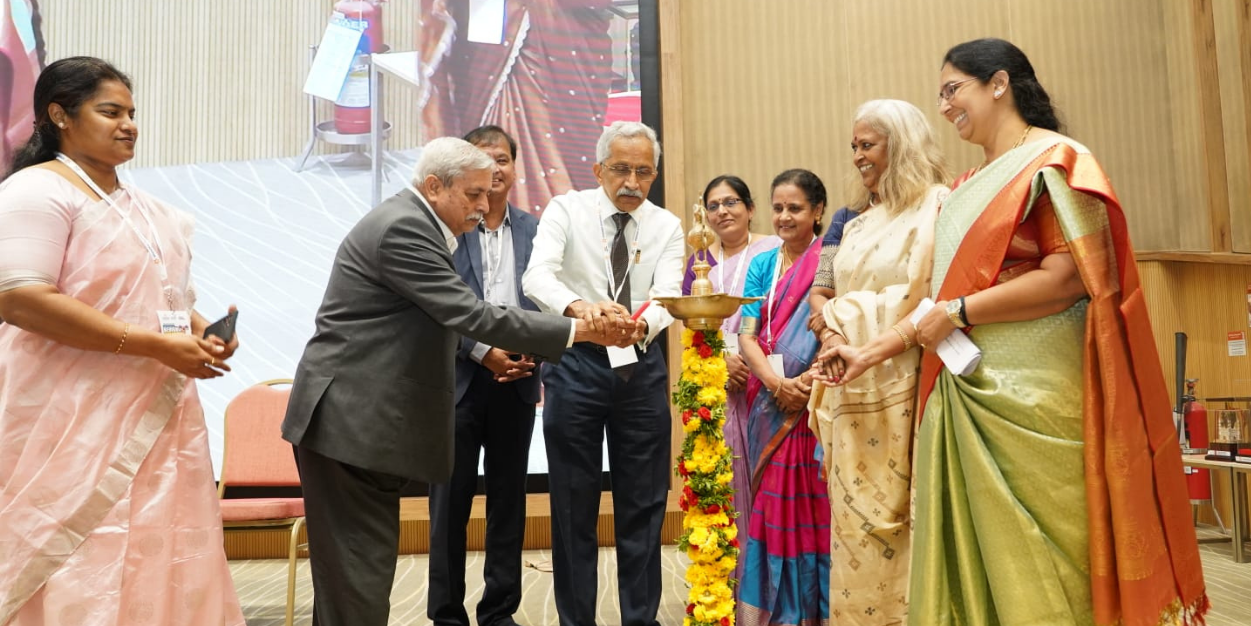
Dr. Hansa Gupta, President, Indian Academy of Echocardiography, Dr. Rakesh Gupta, Executive Organiser, ECHO ASIA/ECHO INDIA 2026, and Dr. Kapil Khanna, President, Indian Association of Clinical Cardiologists, highlight the role of advanced cardiac imaging, artificial intelligence and timely risk assessment at the four day conference in Gurugram.
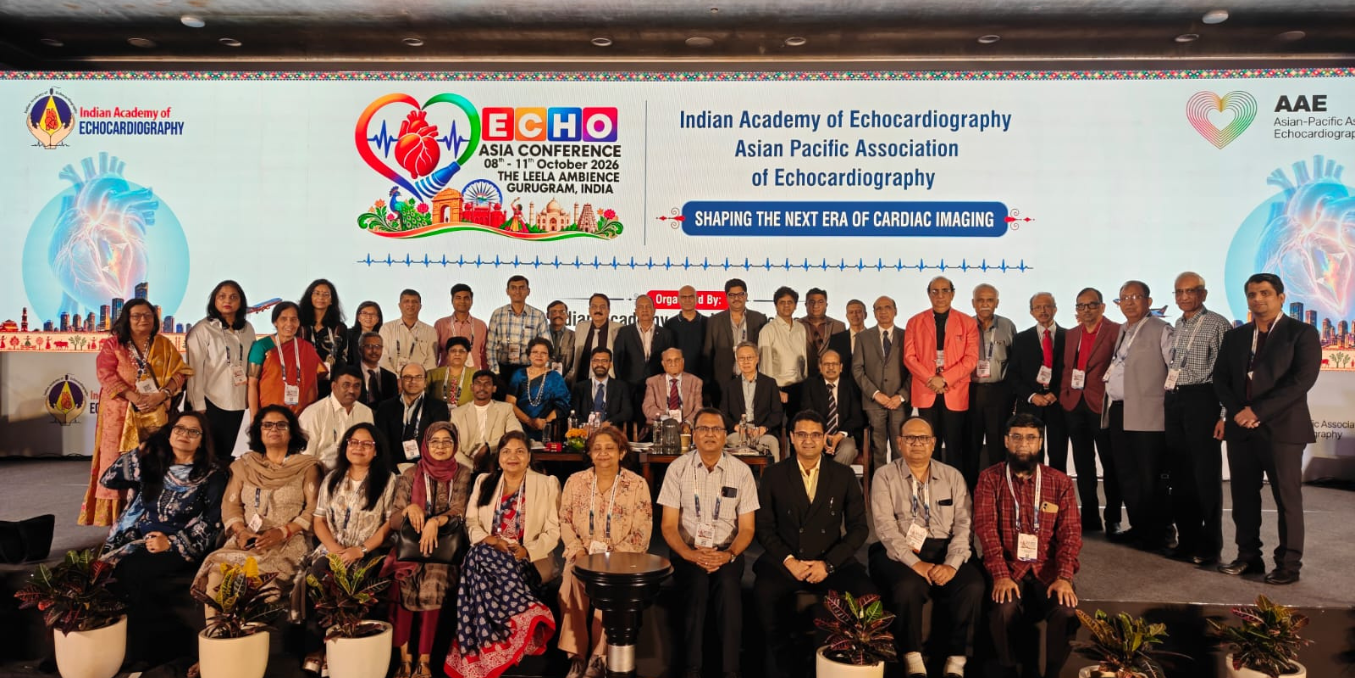
Early detection of heart disease, advanced cardiac imaging and the clinical applications of artificial intelligence were among the central subjects discussed at ECHO ASIA/ECHO INDIA 2026, which concluded in Gurugram after four days of scientific sessions attended by 1,500 delegates from around 20 countries.
Held from October 8 to 11 at The Leela Ambience Gurugram Hotel, the international conference brought together cardiologists, medical professionals and researchers from India and countries including the UK, the US, Japan, South Korea, Singapore and Australia.
The conference was organised by the Asian-Pacific Association of Echocardiography (AAE) and the Indian Academy of Echocardiography (IAE) under the theme Shaping the New Era of Cardiac Imaging.
Discussions examined how modern diagnostic techniques can help identify changes in heart structure and function before patients develop noticeable symptoms.
The scientific programme covered asymptomatic heart disease, Stage B heart failure, cardiovascular risks associated with diabetes, artificial intelligence in echocardiography and the practical application of advanced imaging techniques.
Dr. Hansa Gupta, President of the Indian Academy of Echocardiography, said the conference offered doctors and researchers from India and other countries an opportunity to exchange scientific knowledge and understand developments in cardiac imaging.
She said, “Cardiac imaging can help identify certain early changes in the structure and functioning of the heart. The scientific knowledge gained at the conference and the effective use of new technologies in clinical practice can help assess patients’ risks in a timely manner and plan appropriate treatment.”
A key area of discussion was Stage B heart failure, in which patients may have structural or functional abnormalities of the heart without experiencing obvious symptoms.
Experts explained that echocardiography and strain imaging can help doctors assess such changes and identify patients who may require closer clinical monitoring.
The conference also examined the relationship between diabetes and cardiovascular health.
Speakers discussed how persistently elevated blood sugar levels can affect the heart muscle over time, potentially influencing its structure and function. They emphasised the importance of investigations and regular monitoring for patients considered at risk, based on medical advice.
Dr. Rakesh Gupta, Executive Organiser of the conference, said the four day programme focused on translating scientific developments into practical approaches that doctors can use in their clinical settings.
He said, “In matters of heart disease, the focus should be on identifying risks in a timely manner rather than waiting for serious symptoms to appear. A balanced diet, regular walking, physical activity and stress management are also important for heart health.”
Artificial intelligence was another important subject, particularly its potential to assist doctors in interpreting echocardiographic images, performing measurements and identifying possible abnormalities.
Experts noted that AI can support diagnostic assessment, while final clinical decisions remain the responsibility of doctors who consider the patient’s overall medical condition.
Dr. Kapil Khanna, President of the Indian Association of Clinical Cardiologists, highlighted the value of echocardiography as a noninvasive diagnostic examination that does not involve radiation and can be repeated when clinically required.
He also discussed how advanced imaging technologies and AI assistance can support doctors in evaluating heart structure, assessing function and making patient management decisions.
Other scientific sessions addressed 3D echocardiography, cardiac MRI, stress echocardiography, cardiac amyloidosis and the early identification of cardiomyopathy.
Participants also exchanged views on a proposed multicentre study involving the Indian Academy of Echocardiography and the Asian-Pacific Association of Echocardiography.
The proposed research aims to improve scientific understanding of heart diseases that may remain undetected in their early stages and the risks associated with these conditions.
The conference concluded with an emphasis on improving access to scientific knowledge, promoting continuous medical training and using advanced diagnostic technologies appropriately to support earlier assessment and patient care.
At Prittle Prattle News, featuring you virtuously, we celebrate the commitment and innovation. Led by Editor-in-Chief Smruti Bhalerao, our platform is dedicated to sharing impactful stories that inspire change and create awareness. Follow us on LinkedIn, Instagram, and YouTube for more stories that matter.
About Prittle Prattle News
Prittle Prattle News is a digital news publication covering business, technology, healthcare, education, lifestyle, public affairs and other developments from India and around the world. Led by Editor-in-Chief Smruti Bhalerao, we publish timely news, industry updates and feature stories for a broad readership.







Add Comment