







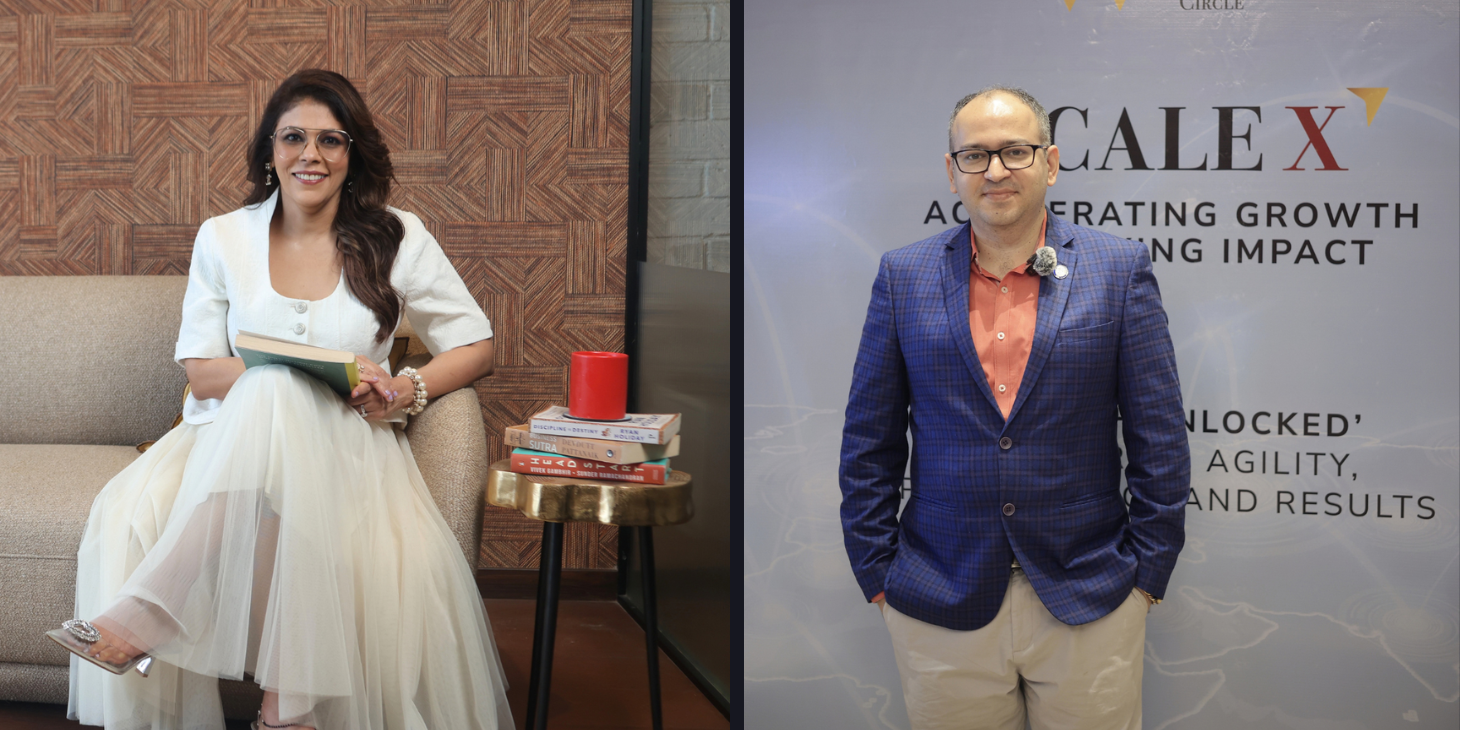
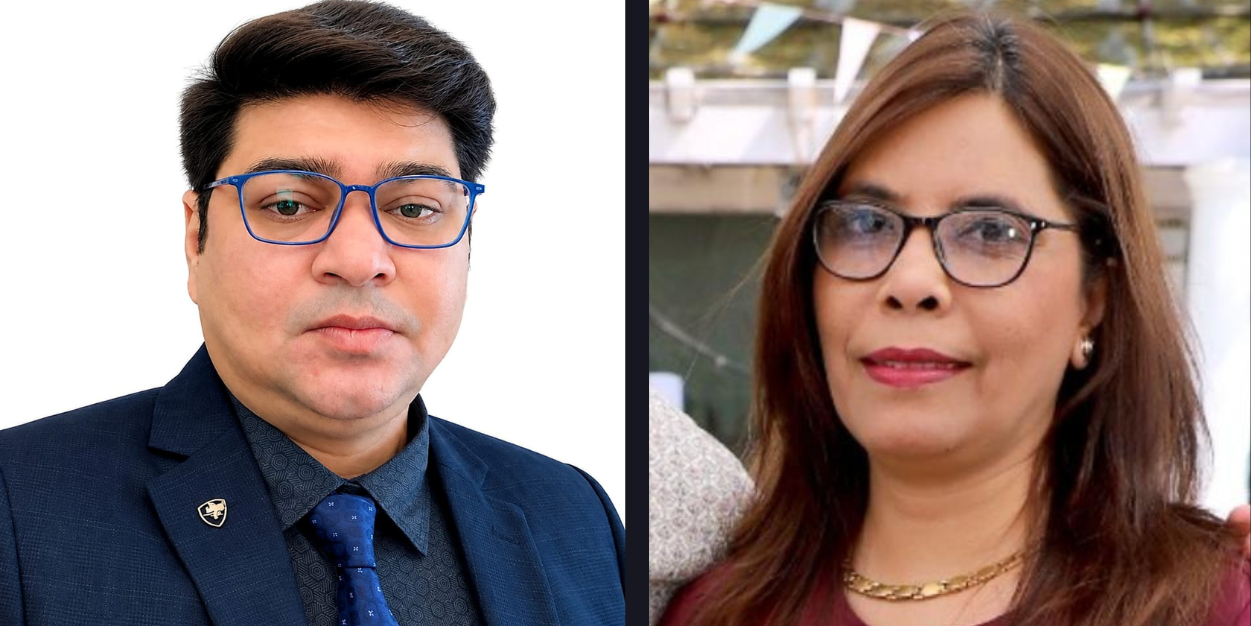
Chetan Bhambri, Founder and Leadership Strategist at UinLEAD, argues that founders between $1 million and $10 million must shift from personal expertise to organisational systems.
Founder led ventures often reach a stage where the skills that helped build early traction begin to limit scale, according to Chetan Bhambri, Founder and Leadership Strategist at UinLEAD.
In his article, Bhambri writes that the operator role is valuable in the early phase of a company, when founders build products, teams, partnerships and traction from the ground up. However, he notes that there is a point at which the founder’s deep involvement in every function can become a ceiling for the organisation.
He identifies this pattern most often in ventures that stall between $1 million and $10 million, where the founder is not failing but continuing to do too much of what once made the company work.
Bhambri writes that the operator who cannot stop operating becomes the organisation’s most expensive management problem. He argues that this is not usually a failure of product, market or talent, but a failure to shift from founder led execution to systems led growth.
He cites McKinsey’s 2024 study on scaling ventures, which found that investors attribute 65 percent of portfolio company failures to people and organisational issues rather than market conditions.
According to Bhambri, 2026 has raised the stakes for founders because GenAI can now reproduce expertise at speed and scale. He writes that consultants, engineers and domain experts who built ventures on personal knowledge may find that expertise alone is no longer enough to remain differentiated.
He argues that the response is to build an organisation that does not depend on any one person, including the founder.
he article identifies consultants, engineers and domain experts as the cohort most exposed to this shift. Many of them, Bhambri writes, started businesses to capture the full value of their expertise after years inside larger organisations. As a result, releasing control over the function they are best at can feel less like delegation and more like surrendering the reason they started the venture.
Bhambri also challenges the assumption that multiple co founders automatically solve the issue. He writes that many co founder teams simply create two or three operators, each attached to a personal domain. The exception, he notes, is when one founder genuinely steps back from domain ownership and takes responsibility for the organisation as a whole.
He describes three founder patterns: the connections founder, whose growth remains limited by personal relationships; the natural sales founder, whose sales process still depends on their presence; and the numbers founder, whose financial systems exist but still rely on personal interpretation.
For Bhambri, the founder’s knowledge, community and judgement are not problems to remove. They are assets that must be transferred into the organisation. Knowledge must become systems, community must become organisational relationships and judgement must become decision making practices that others can use.
He outlines five moves for founders seeking to make the shift: mapping the systems the company actually needs, identifying the system most tied to the founder’s identity, building accountability between functions, transferring community deliberately and making decision making explicit before a crisis demands it.
Bhambri concludes that scaling is not about the founder doing less. It is about converting personal knowledge, relationships and judgement into assets the organisation can own. A company scales when it can grow, decide and operate without depending on the founder’s constant presence.
At Prittle Prattle News, featuring you virtuously, we celebrate the commitment and innovation. Led by Editor-in-Chief Smruti Bhalerao, our platform is dedicated to sharing impactful stories that inspire change and create awareness. Follow us on LinkedIn, Instagram, and YouTube for more stories that matter.
About Prittle Prattle News
Prittle Prattle News is a digital news publication covering business, technology, healthcare, education, lifestyle, public affairs and other developments from India and around the world. Led by Editor-in-Chief Smruti Bhalerao, we publish timely news, industry updates and feature stories for a broad readership.


























Add Comment