





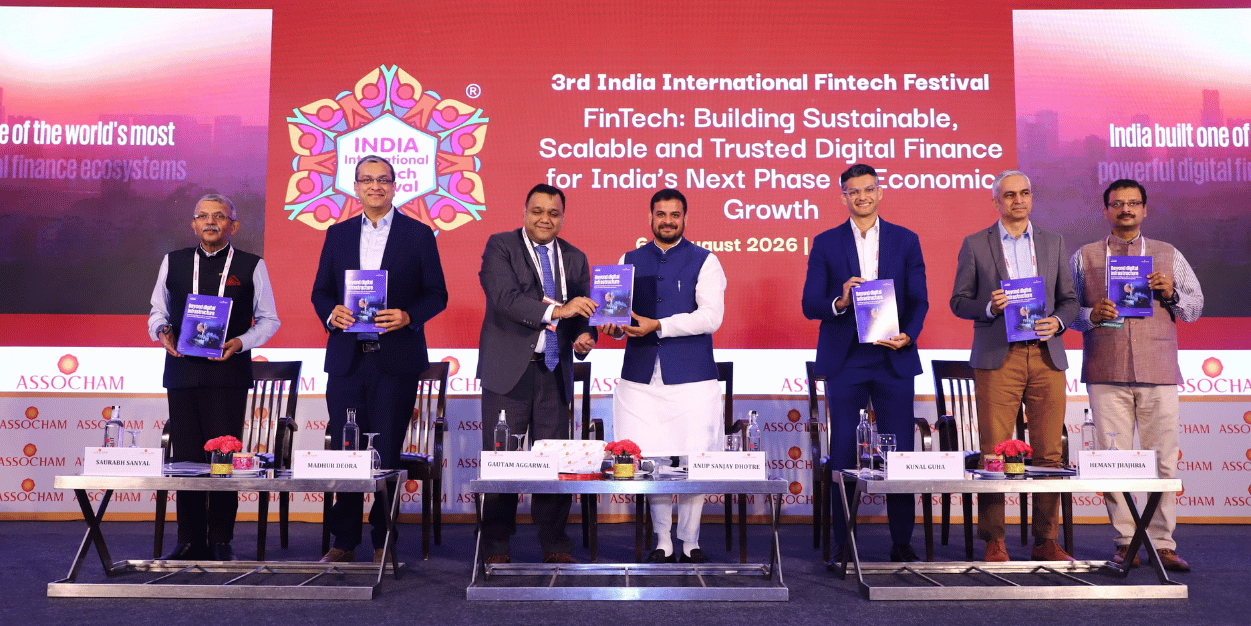
The third India International FinTech Festival in New Delhi brought together policymakers, banks, fintech companies and technology leaders to discuss how artificial intelligence, digital public infrastructure, cybersecurity and sustainable business models can shape the next phase of India’s digital finance ecosystem.
Anup Sanjay Dhotre, Member of Parliament and Member of the Parliamentary Standing Committee on Communications and Information Technology, called for technology led job creation, stronger protection against cyber fraud and wider use of fintech across agriculture and rural India.
India’s fintech sector is entering a phase where scale alone may no longer define success. As digital payments, financial access and public digital infrastructure become deeply embedded across the economy, industry leaders are increasingly turning their attention to profitability, trust, cybersecurity and the wider use of artificial intelligence.
These themes shaped the opening session of the third India International FinTech Festival 2026, organised by ASSOCHAM at Hotel Ashoka in New Delhi.
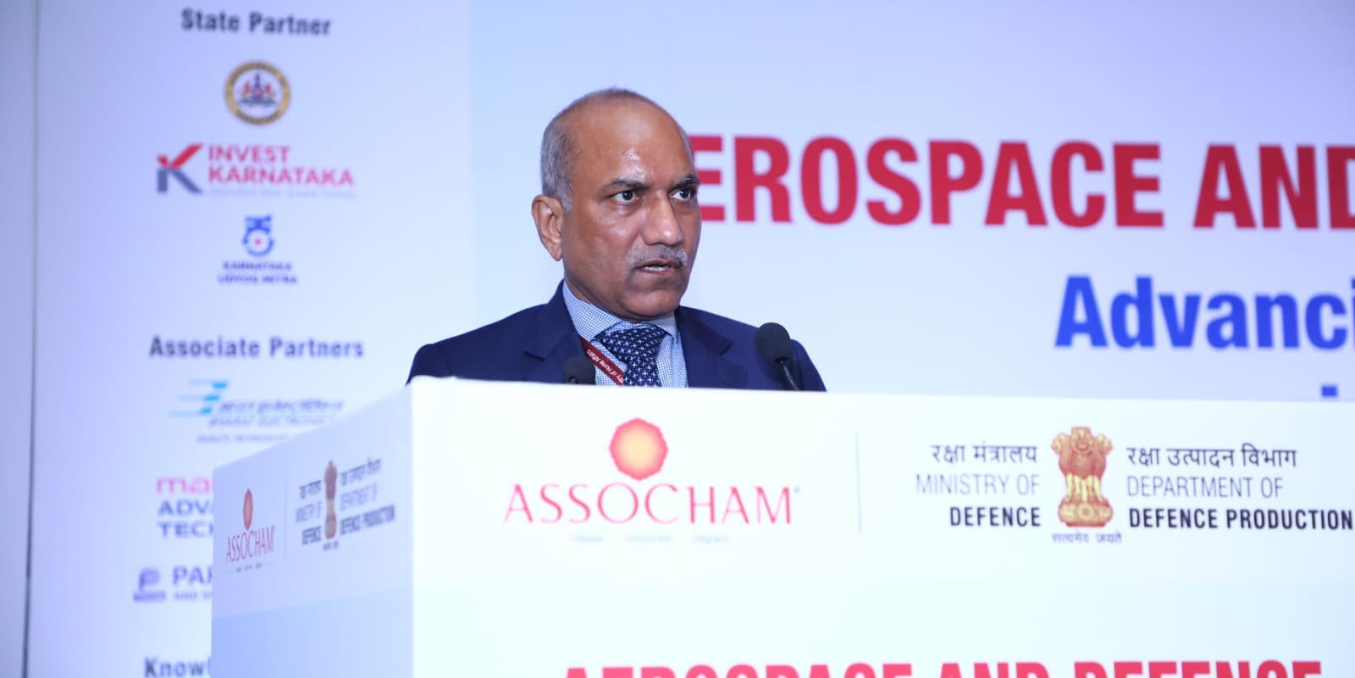
Addressing the gathering, Anup Sanjay Dhotre, Member of Parliament and Member of the Parliamentary Standing Committee on Communications and Information Technology, said the country’s fintech ecosystem must move beyond digital payments and contribute more directly to employment, innovation and the Viksit Bharat 2047 vision.
“We need to move towards Viksit Bharat 2047 through technology led job creation and financial empowerment with enhanced security against cyber frauds and financial scams. The focus areas must include promoting fintech innovations in sectors like agriculture and building scalable infrastructure and solutions through an industry fintech policy convergence,” Dhotre said.
He added that India has entered the league of nations offering world class digital financial services and called for greater collaboration between industry, startups and policymakers.
Amitabh Chaudhry, Senior Vice President of ASSOCHAM and Managing Director and Chief Executive Officer of Axis Bank, highlighted the scale of India’s digital public infrastructure. According to figures shared at the event, UPI processes more than 22 billion transactions every month, while India has more than 558 million Jan Dhan accounts and 1.4 billion Aadhaar registrations.
Chaudhry said initiatives including Jan Dhan, Aadhaar, UPI, DigiLocker, FASTag, Account Aggregator, ONDC and the Digital Rupee have enabled digital and financial transactions at unprecedented scale.
He added that artificial intelligence, digital public infrastructure, embedded finance, cybersecurity and responsible innovation would play an increasingly important role in the next phase of financial services.
The discussion also moved beyond adoption to the question of sustainable business models.
Gautam Aggarwal, Division President for South Asia and Country Corporate Officer, India, Mastercard, said the industry is shifting from access to value. He noted that India has demonstrated inclusion, innovation and scale, but the next challenge is to build a profitable ecosystem in which people participate sustainably in the digital economy.
He called for greater use of artificial intelligence and for security, transparency and customer protection to be embedded across products and processes.
Madhur Deora, President and Group Chief Financial Officer of Paytm, said India processes almost 24 billion transactions worth around ₹300 lakh crore every month. He identified sustainability, scalability and trust as key priorities for the sector.
“The first order question for fintech companies must be, am I providing transformative value to my customers? If we are able to deliver convenience, transparency, financial inclusion, and security, it will lead to sustainable business models,” Deora said.
He added that compliance should be treated as the minimum standard and that products should be designed with security, transparency and customer protection at their core.
Artificial intelligence was another central theme during the opening session.
Hemant Jhajhria, Head of Consulting at KPMG in India, said the next wave of value creation would come from decision intelligence, where AI supports decision making, autonomous processes and highly contextual financial services.
Kunal Guha, Managing Director, Commerce, Shopping and Payments, Asia Pacific, Google, described artificial intelligence as an equaliser that can help smaller businesses improve inventory, pricing and customer engagement through access to digital tools.
The opening session also saw the release of the ASSOCHAM KPMG Knowledge Report examining India’s fintech landscape, emerging technologies, artificial intelligence adoption and regulatory outlook.
Discussions on the first day covered digital lending, cybersecurity, fraud management, merchant enablement, cross border payments, digital public infrastructure and sustainable finance, reflecting how India’s fintech conversation is expanding from access and scale towards trust, resilience and long term value creation.
At Prittle Prattle News, featuring you virtuously, we celebrate the commitment and innovation. Led by Editor-in-Chief Smruti Bhalerao, our platform is dedicated to sharing impactful stories that inspire change and create awareness. Follow us on LinkedIn, Instagram, and YouTube for more stories that matter.
About Prittle Prattle News
Prittle Prattle News is a digital news publication covering business, technology, healthcare, education, lifestyle, public affairs and other developments from India and around the world. Led by Editor-in-Chief Smruti Bhalerao, we publish timely news, industry updates and feature stories for a broad readership.
































[…] Source link […]
[…] News Policy Threat Map Threat Actors Podcast Submit a Tip About Contact Banking Power Telecom Health Government Defence Transport Water General General Medium 8 August 2026 Prittleprattlenews ↗: […]