



Savills India says modular office fit out strategies can reduce embodied carbon emissions by 25 to 55 percent, as Shilpin Tater, Rohan Shukla and Nihar Jayesh Thakkar point to rising demand for flexible, wellness focused and technology enabled workspaces.
India’s commercial real estate sector is undergoing a structural shift as businesses increasingly move beyond conventional office requirements and seek workplaces built for long term adaptability, employee wellbeing and operational efficiency.
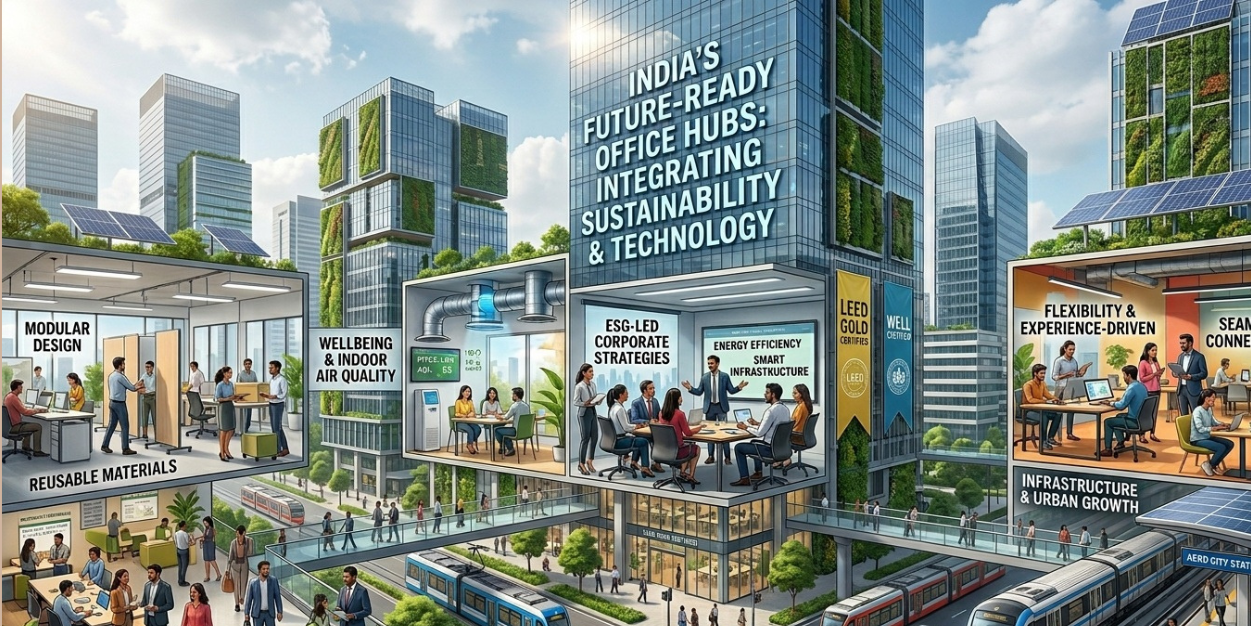
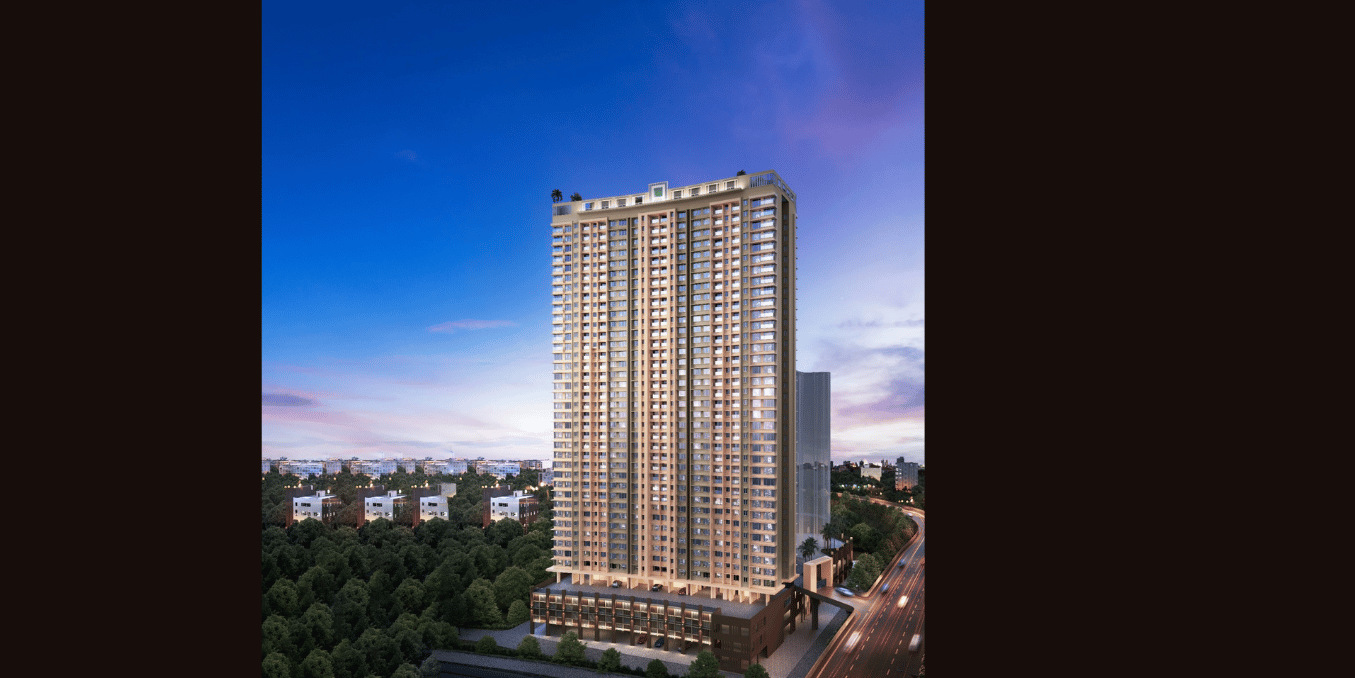
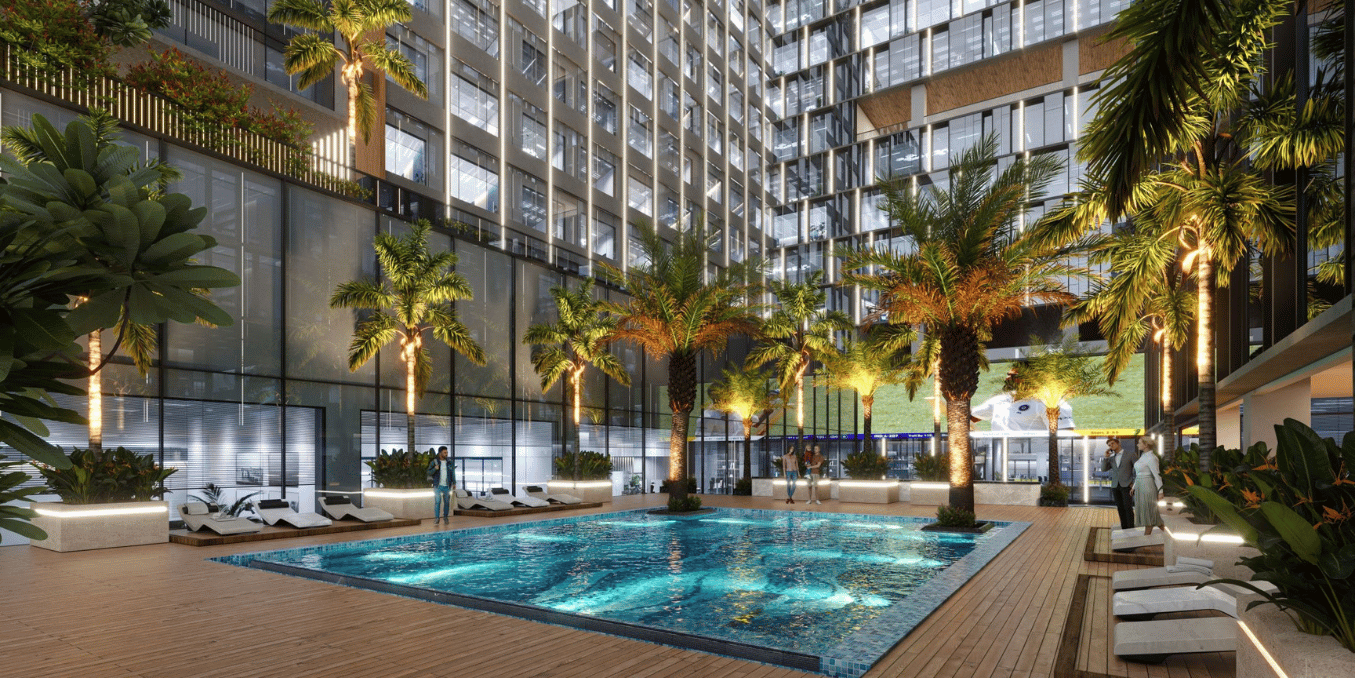
This transition is being driven by changing workforce expectations, growing sustainability commitments, infrastructure led urban development and the need for smarter business environments. Developers are responding by creating integrated office ecosystems that combine intelligent infrastructure, wellness focused features, digital readiness and flexible workspace planning.
According to Savills India’s report, The Circular Leap: Reimagining India’s Office Fit Outs, modular designs, reusable materials and lifecycle led planning can reduce embodied carbon emissions by 25 to 55 percent at the project level, depending on the level of material reuse and low carbon interventions. The report also notes that the built environment contributes nearly 30 to 40 percent of global annual carbon emissions, while interior fit outs can sometimes generate emissions comparable to or even exceeding a building’s core construction.
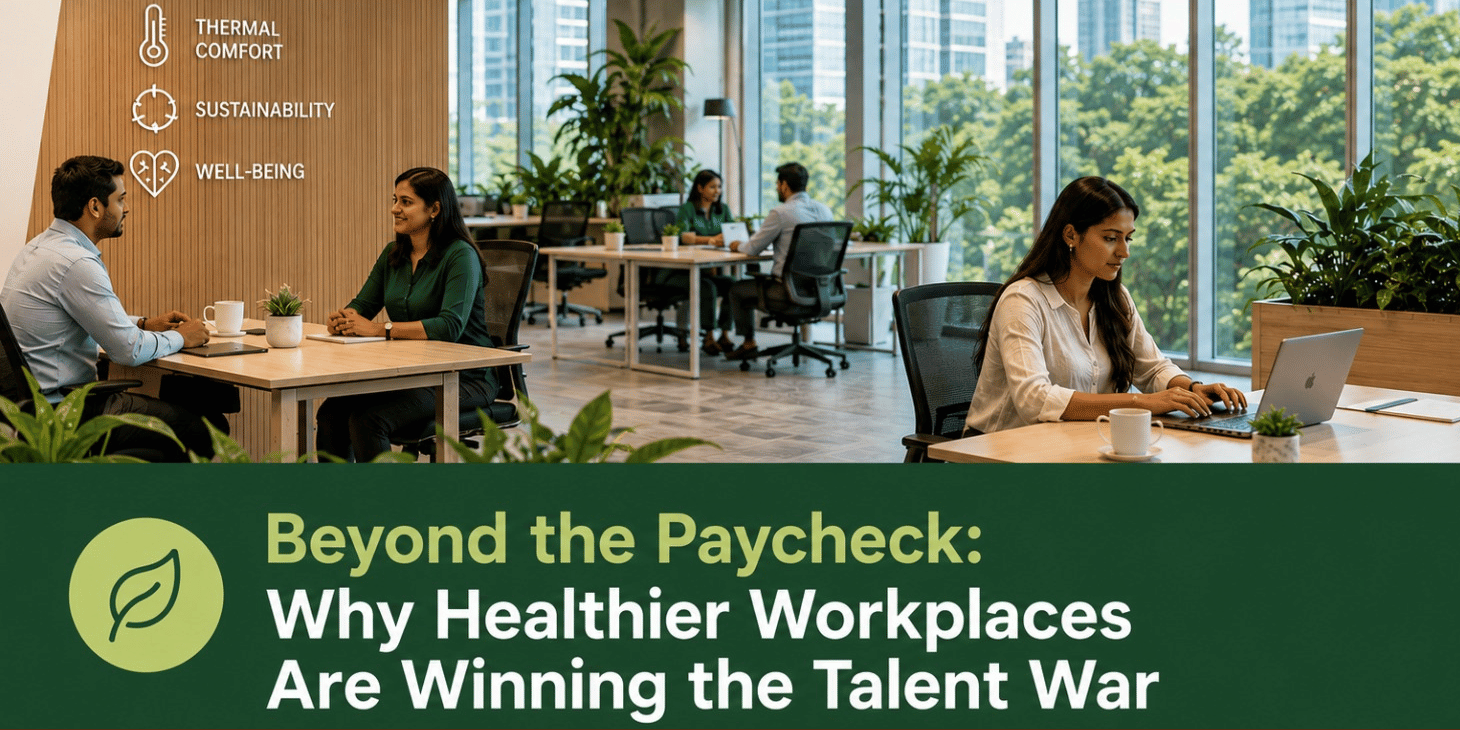
Indoor environmental quality is also becoming a stronger differentiator in commercial real estate, with developers increasingly integrating advanced air purification systems, AI enabled infrastructure and wellness driven technologies as occupiers prioritise employee health, productivity and workplace quality.
Mr. Shilpin Tater, Managing Director, Superb Realty, said, “The demand for future-ready office hubs is being driven by a combination of infrastructure growth, changing workforce expectations, and the increasing focus on operational efficiency and occupant wellbeing. Businesses today are looking for workspaces that integrate smart building technologies, sustainable design, seamless connectivity, and wellness-focused infrastructure. Increasingly, indoor environmental quality, particularly air quality, is becoming an important factor in commercial real estate as studies continue to highlight its direct impact on health, cognitive performance, and workplace productivity. As a result, commercial developments are evolving into intelligent business ecosystems that combine technology, sustainability, and healthier indoor environments to deliver a superior occupant experience.”
Sustainability and ESG aligned corporate strategies are also shaping leasing decisions, with green certified buildings equipped with energy efficient systems, wellness infrastructure and digital capabilities seeing stronger traction among domestic and multinational occupiers.
Mr. Rohan Shukla, Director and Chief Civil Officer, DGS Group, said, “Future-ready office hubs are gaining momentum because companies are now focusing equally on employee wellbeing, sustainability, and business continuity. Commercial spaces that integrate intelligent infrastructure, open collaborative environments, energy-efficient systems, and robust connectivity are becoming highly attractive to occupiers. Additionally, the emergence of new business districts supported by large-scale infrastructure projects is creating opportunities for developers to build next-generation office ecosystems that can cater to evolving business requirements.”
Industry experts also point to flexibility as a defining factor in the modern workplace, with businesses increasingly preferring scalable office environments that support collaboration, agility and operational continuity.
Mr. Nihar Jayesh Thakkar, Founder, The Mandate House Pvt. Ltd., said, “The rise of future-ready office hubs reflects the broader transformation in how businesses view workplaces today. Organizations want spaces that can support innovation, attract talent, and enhance overall productivity. Modern office developments that offer integrated amenities, sustainability-focused infrastructure, digital readiness, and strategic connectivity are witnessing significant traction. Going forward, office hubs that successfully combine flexibility, technology, wellness, and experience-driven environments will continue to lead the commercial real estate market.”
With India’s economic growth, startup expansion and rising global business interest, demand for future ready office destinations is expected to remain strong, with commercial hubs that combine infrastructure, technology, sustainability and health focused innovation likely to shape the next phase of the office market.
At Prittle PrattleNews, featuring you virtuously, we celebrate the commitment and innovation. Led by Editor-in-Chief Smruti Bhalerao, our platform is dedicated to sharing impactful stories that inspire change and create awareness. Follow us on LinkedIn, Instagram, and YouTube for more stories that matter.
About Prittle Prattle News
Prittle Prattle News is a digital news publication covering business, technology, healthcare, education, lifestyle, public affairs and other developments from India and around the world. Led by Editor-in-Chief Smruti Bhalerao, we publish timely news, industry updates and feature stories for a broad readership.














Add Comment