

Researchers and academicians from India and Thailand examined how artificial intelligence can enter higher education without losing sight of ethics, faculty preparedness and sustainability, with discussions also covering NEP 2020 and Indian Knowledge Systems.
Vivekanand Education Society’s College of Arts, Science & Commerce brought together 32 institutions in collaboration with Rajapark Institute, Bangkok, as Principal Dr. Anita Kanwar called for ethical, inclusive and sustainable use of AI in higher education.
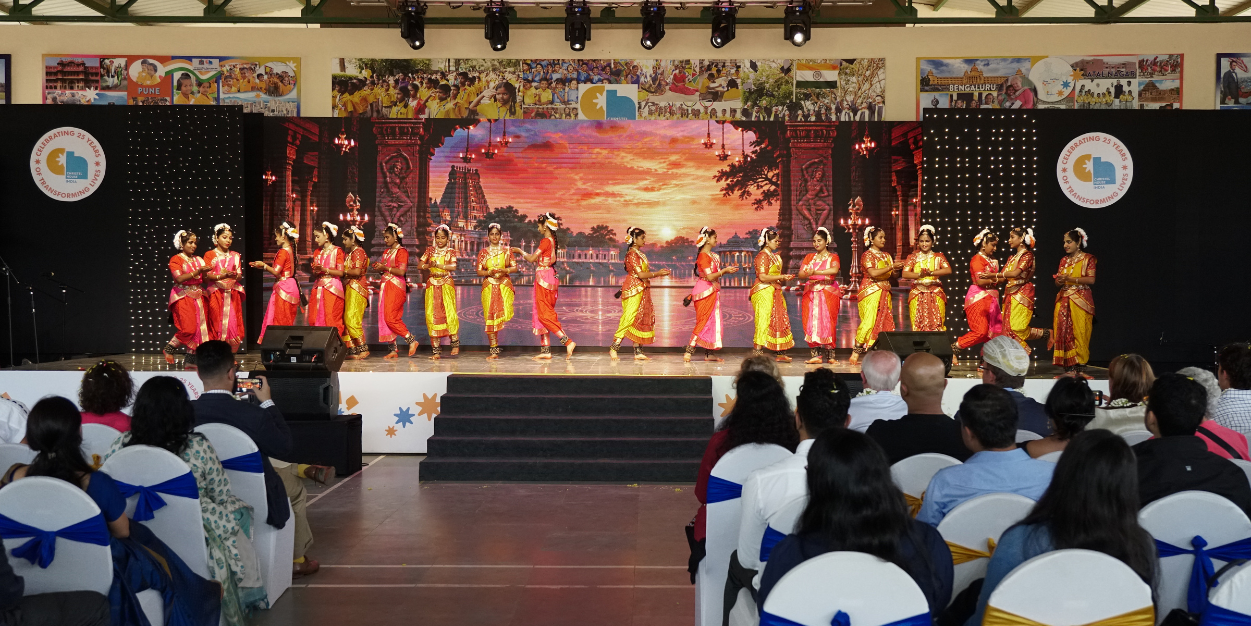
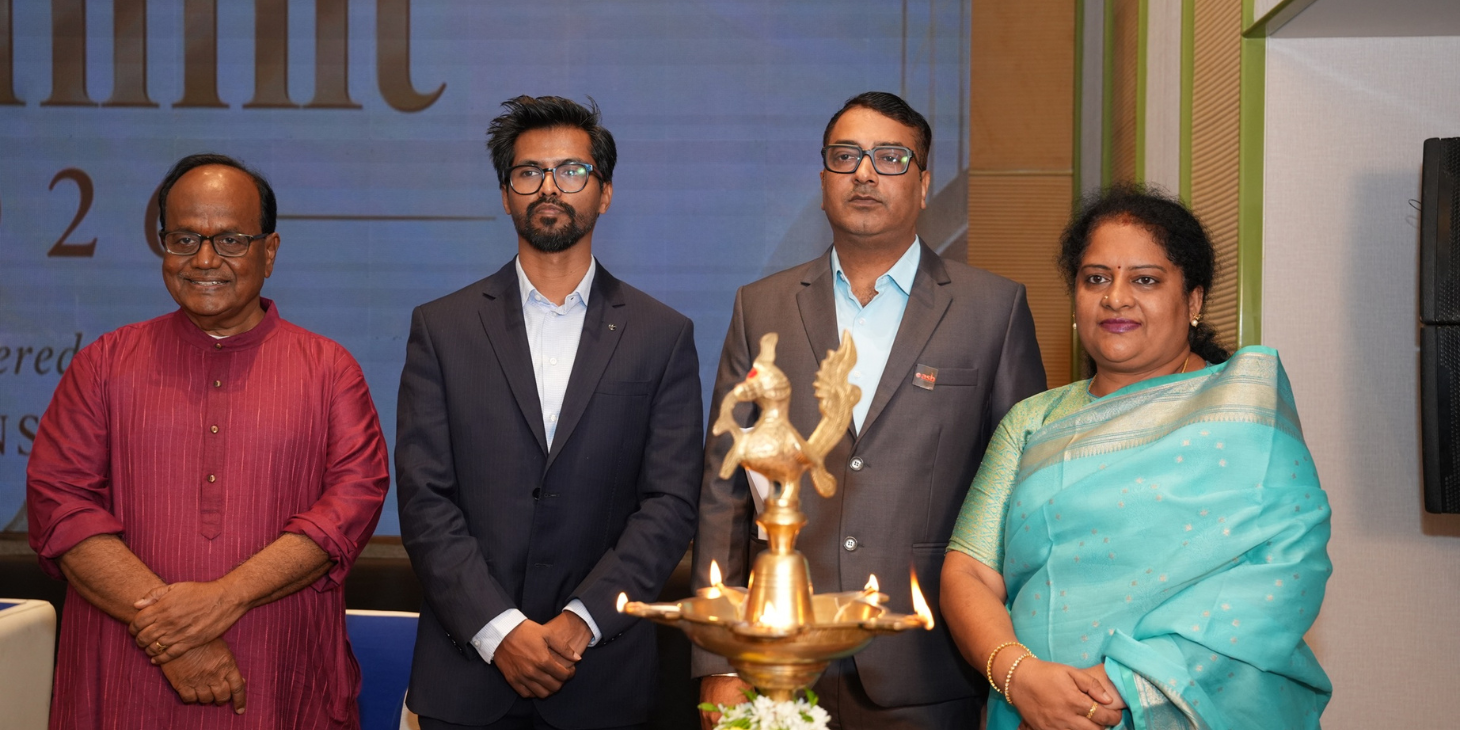
Artificial intelligence is rapidly entering classrooms, research and academic decision making, but its place in higher education is raising questions that extend well beyond technology. How institutions prepare faculty, address ethics and connect AI with sustainable development formed the central discussion at an international academic conference hosted by Vivekanand Education Society’s College of Arts, Science & Commerce.
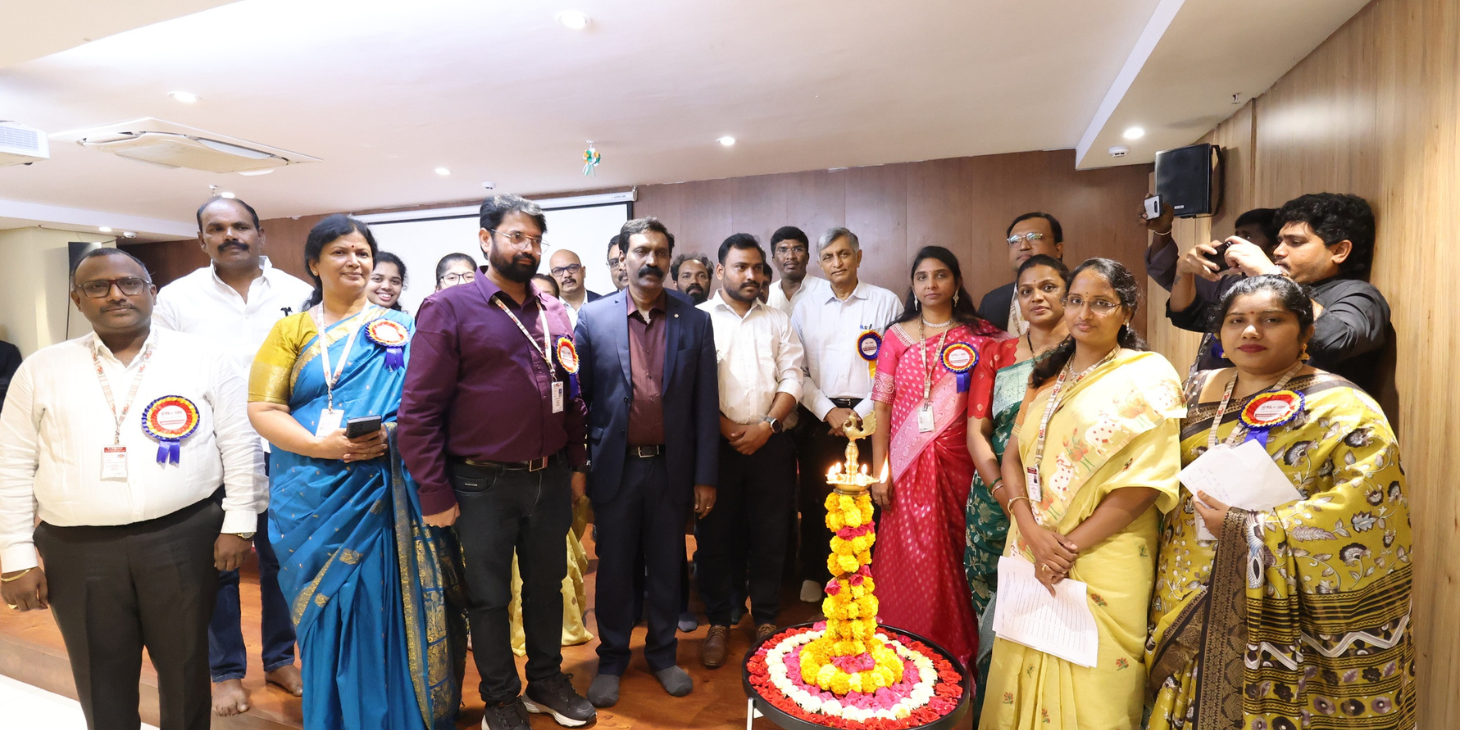
VESASC organised the International Conference on Transforming Higher Education through AI and Technology for Sustainable Development in collaboration with Rajapark Institute, Bangkok, Thailand.
Held under the aegis of the PM USHA grant, the conference brought together academicians, researchers, industry experts, policymakers and students from India and abroad to examine the opportunities and challenges associated with the growing use of artificial intelligence in higher education.
The scale of academic participation was reflected in 74 research papers presented across four parallel tracks. Of these, 52 papers were presented offline and 22 online. Participants represented 32 institutions, with representation from Thailand, seven Indian states and institutions across Maharashtra.
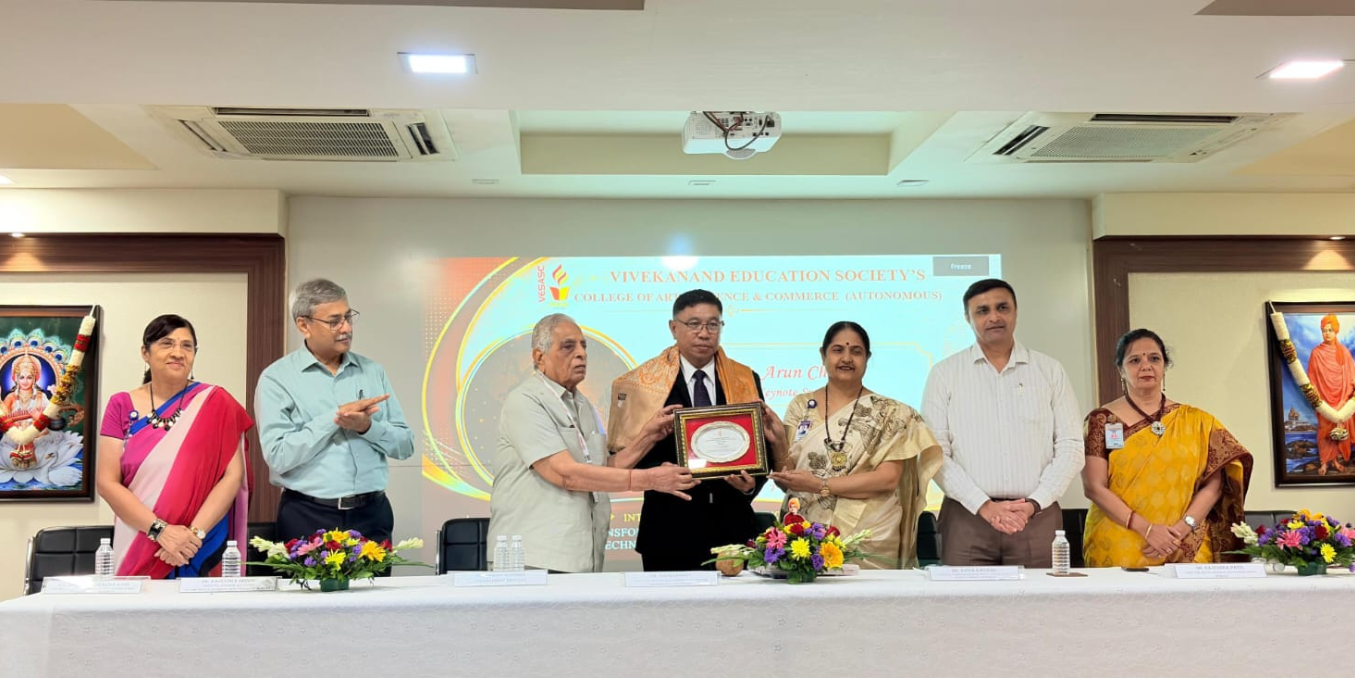
International academic cooperation was another important part of the conference. Dr. Thanapon Sarunburana, Vice Chancellor, Rajapark Institute, Thailand, shared a special message, while Dr. Arun Chainit, Head of the Department of Public Administration, Phranakhon Rajabhat University, Thailand, delivered the keynote address.
Dr. Chainit spoke about AI’s potential to change higher education while stressing that its use must remain connected to ethical considerations, sustainability and international academic cooperation.
These questions were examined further during a panel discussion on Transforming Higher Education through Artificial Intelligence: Opportunities, Ethics and Sustainable Futures.
The discussion was moderated by Dr. Nimit Sachde, Assistant Professor, Mass Media and Communication Department, VESASC.
Panellists included Dr. Thanyanant Chansongpol, Deputy Dean, International College, Rajapark Institute; Dr. Napatthika Pittilertsirikul, Accounting Supervisor, Rajapark Institute; Dr. Rajendra Shinde, Director, Board of Innovation, Incubation and Placement, HSNC University; Dr. Deven Shah, Associate Dean, Faculty of Science and Technology, University of Mumbai; and Dr. Rajendra Patil, Head of Institutions, Bunts Sangha Anna Leela College and Director, PITASYS Software Pvt. Ltd.
The conversation examined the integration of AI into higher education curricula under NEP 2020 and its relationship with initiatives such as Indian Knowledge Systems. Faculty preparedness also emerged as an important concern, alongside responsible adoption of AI and the need for greater academic exchange among Asian universities.
The discussion is particularly relevant as educational institutions consider not simply whether AI should be used, but how it should be incorporated into teaching, learning and research responsibly.
Commenting on the conference, Dr. Anita Kanwar, Principal, Vivekanand Education Society’s College of Arts, Science & Commerce, said, “AI is rapidly reshaping how knowledge is created, shared and applied, making it essential for higher education to ensure this transformation remains ethical, inclusive and sustainable.”
She added that the conference provided a platform for educators, researchers, industry experts and students to examine responsible AI integration while encouraging interdisciplinary learning and international academic engagement.
The conference ultimately placed three issues at the centre of the higher education conversation: ethical AI adoption, sustainable development and international academic collaboration.
With participation spanning 32 institutions and 74 research papers, the gathering also demonstrated how discussions around AI in education are increasingly moving beyond technology itself. Questions of responsibility, curriculum design, faculty readiness and sustainability are becoming equally important as colleges and universities consider how AI should function within the academic environment.
At Prittle Prattle News, featuring you virtuously, we celebrate the commitment and innovation. Led by Editor-in-Chief Smruti Bhalerao, our platform is dedicated to sharing impactful stories that inspire change and create awareness. Follow us on LinkedIn, Instagram, and YouTube for more stories that matter.
About Prittle Prattle News
Prittle Prattle News is a digital news publication covering business, technology, healthcare, education, lifestyle, public affairs and other developments from India and around the world. Led by Editor-in-Chief Smruti Bhalerao, we publish timely news, industry updates and feature stories for a broad readership.









[…] 74 Research Papers Put Responsible AI in Focus at VESASC International Conference […]