



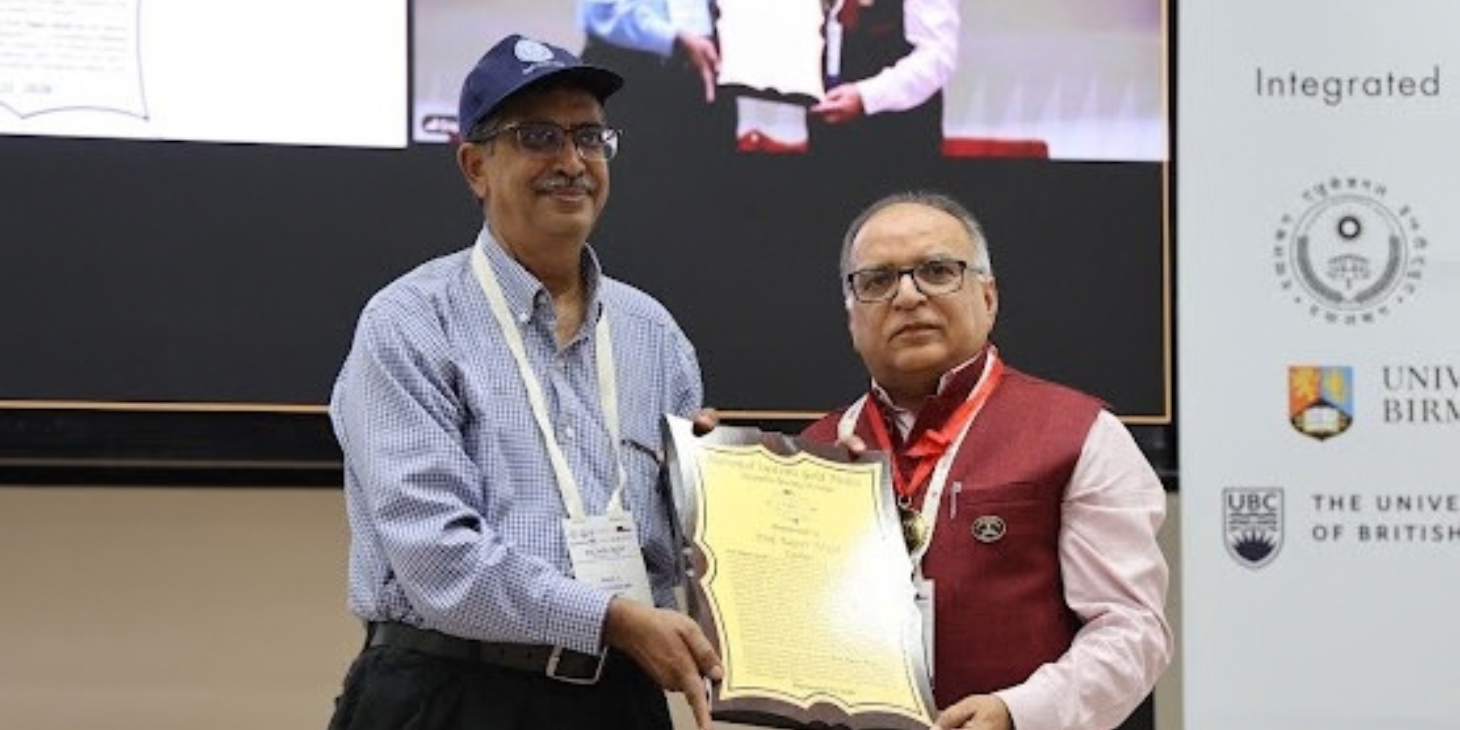

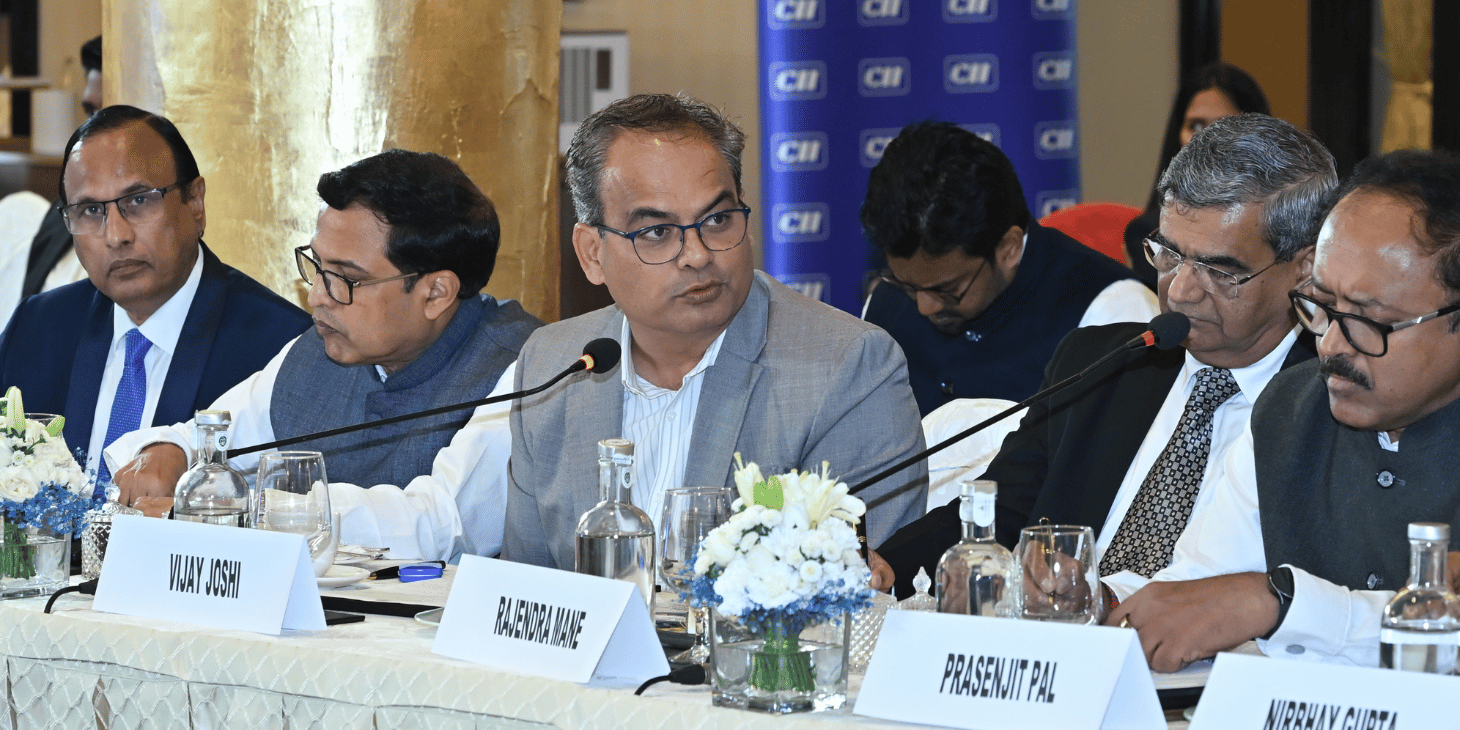
The CDPG Annual Conclave 2026 at IIM Bangalore brought policymakers, academics and industry leaders together to examine the next generation of public services, with discussions spanning enterprise identity, education access, agricultural data, healthcare outcomes and responsible financial services.
Prof. U. Dinesh Kumar, Director in charge, IIM Bangalore, Viraj Tyagi, CEO, eGov Foundation, and experts across commerce, education, agriculture, healthcare, WASH and financial services discussed the opportunities and safeguards shaping digital public service delivery in India.
The Center for Digital Public Goods at IIM Bangalore, in partnership with the eGov Foundation, hosted the CDPG Annual Conclave 2026 at the IIMB campus, bringing together policymakers, academics and industry leaders to discuss the future of public service delivery in India.
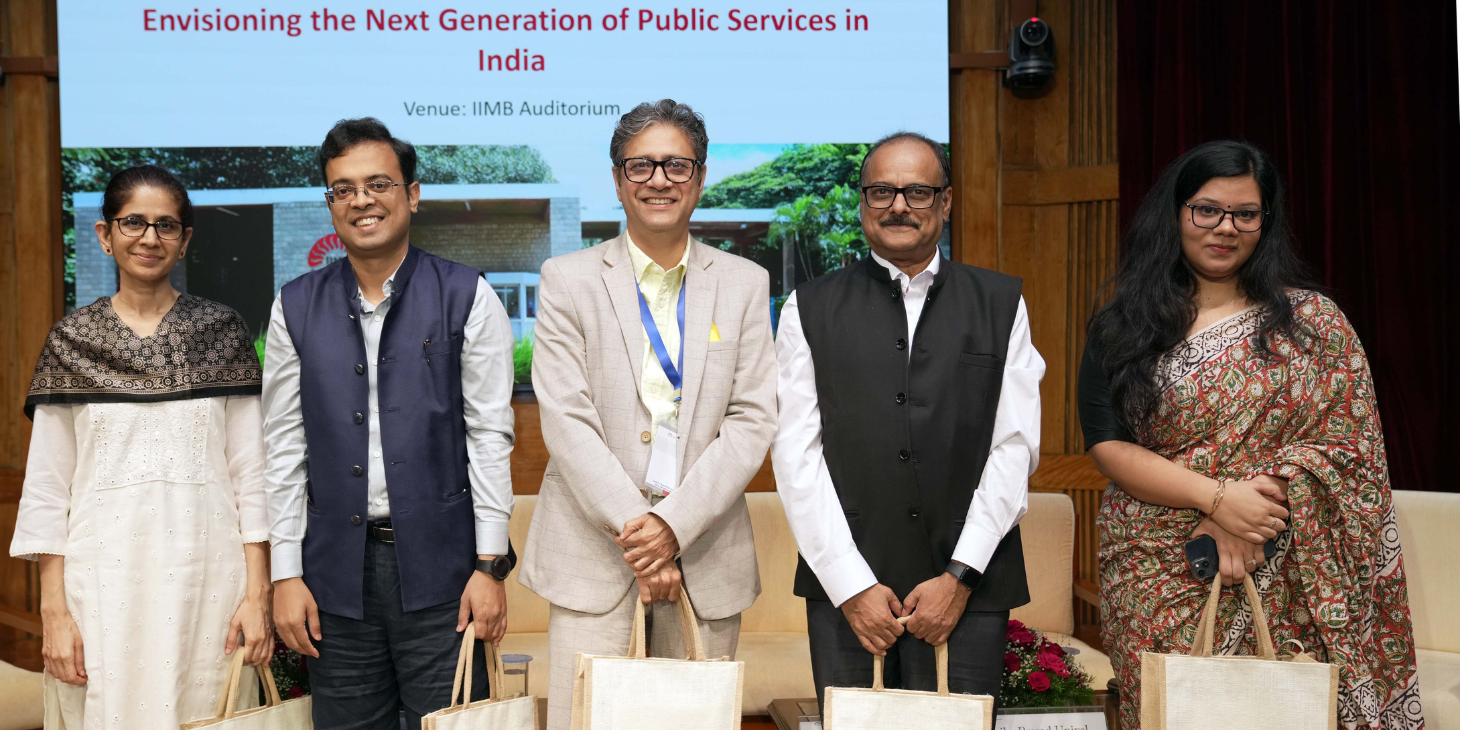
The conclave, themed “Envisioning the Next Generation of Public Services in India,” examined the role of Digital Public Infrastructure, data and artificial intelligence across commerce, education, agriculture, healthcare, WASH and financial services.
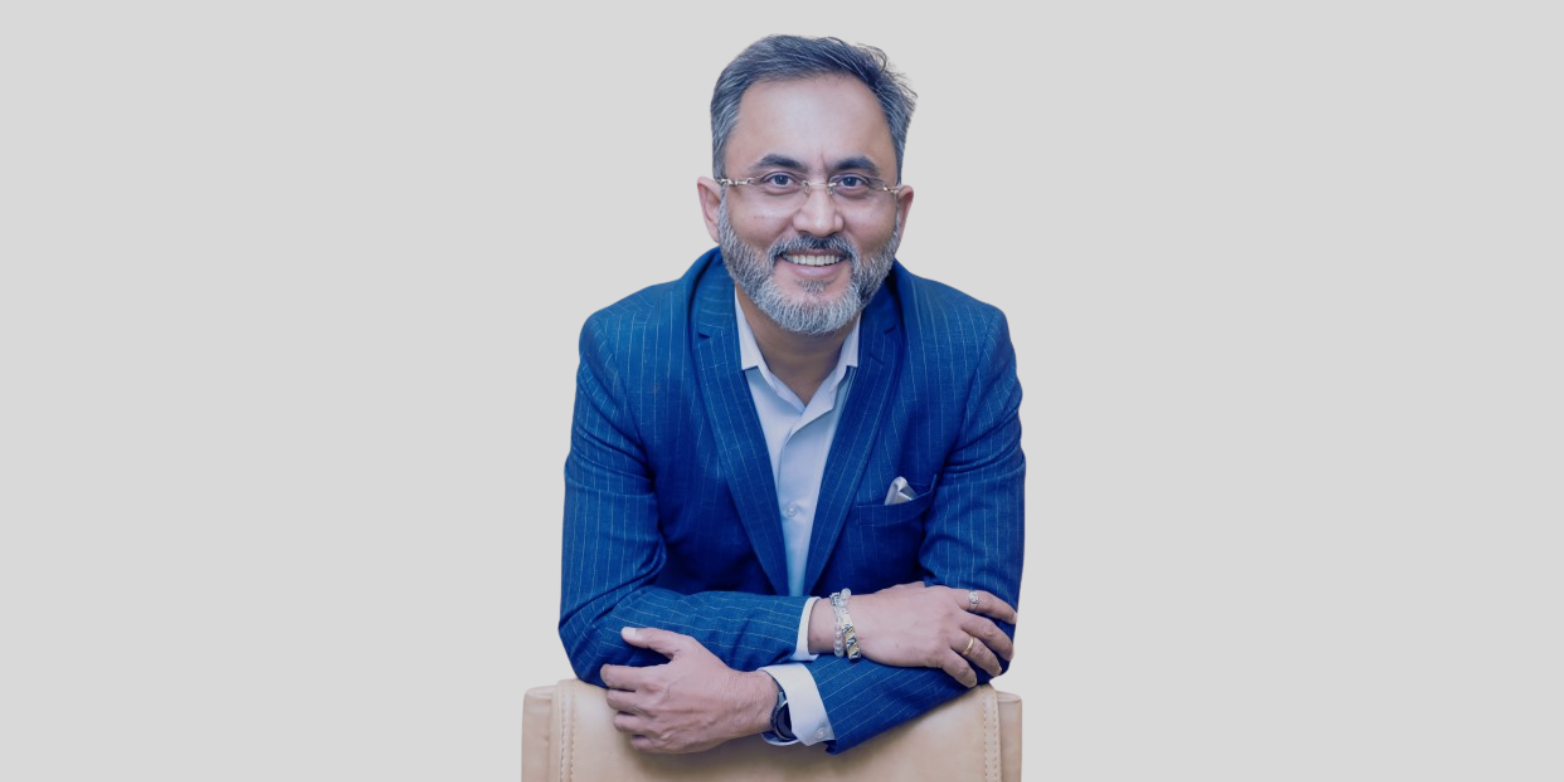
Prof. U. Dinesh Kumar, Director in charge, IIMB, delivered the opening address and called for careful examination of the difference between the promise of artificial intelligence and its practical outcomes.
He noted that AI systems are probabilistic and depend on the quality of the underlying data. He referred to the Dutch childcare benefits scandal while discussing the social consequences that can emerge from flawed data.
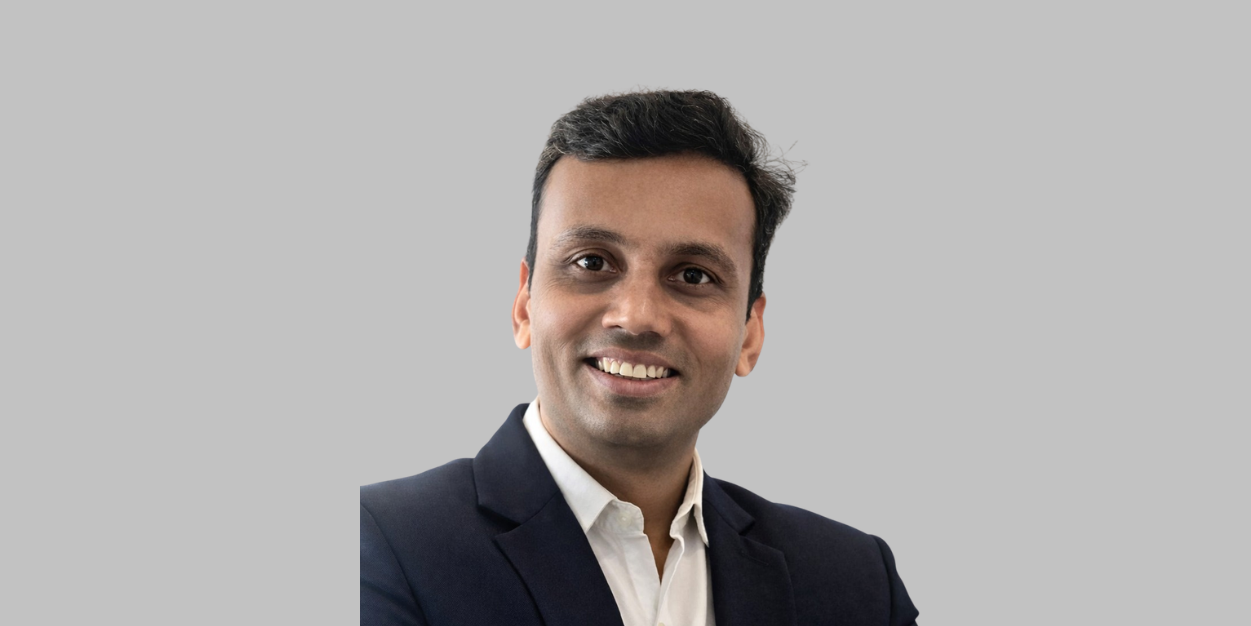
Viraj Tyagi, CEO, eGov Foundation, delivered the opening plenary and discussed the role of trusted data and Digital Public Infrastructure in public services.
Referring to Andhra Pradesh’s DigiT rollout, he said service delivery timelines declined from 114 days in 2016 to 12 days in 2025.
“Tech alone is not enough; you need to build local capacity, catalyse the ecosystem, and use digital public goods to facilitate service delivery and co-creation at scale,” Tyagi said.
He also argued that artificial intelligence should assist rather than replace human decision making in areas involving welfare and access.
The day’s programme included five sector focused panel discussions.
The commerce discussion was moderated by Bachi Allamsetty of Networks for Humanity and included Karthikeyan Arumugam of DIGIIT Business Services, Ravi Haldipur of eSamudaay and Rishi Agrawal of TeamLease RegTech.
The discussion examined how open digital networks and shared infrastructure can reduce entry barriers for smaller businesses while allowing market participants to determine product development and pricing.
Participants also discussed the concept of Enterprise DPI, focusing on the absence of a reusable digital identity for enterprises and the resulting need to navigate multiple registrations and compliance processes.
The education discussion was moderated by Prof. Mukta Kulkarni, Dean, Programmes, IIMB, with Anand Gautam of EkStep Foundation, Ayushi Khare of Indus Action, Prof. Dwarika Prasad Uniyal of RV University and Harnam Shankar of RightWalk Foundation.
The panel examined the use of DPI and AI to address scale, access, quality and inclusion in education. Participants discussed the need to connect digital academic records with scholarships, opportunities and institutional support that can accompany learners.
The discussion also addressed legacy government systems, privacy and institutional differences as continuing challenges to interoperability.
“India needs a kind of revolution to create scale, access and value, a triangle that is very difficult to achieve in higher education,” Prof. Uniyal said.
The agriculture panel was moderated by Chaitrali Bhoi of CDPG and included Abhishek Sankritik of Finternet, Anilkumar SG of Samunnati, J Satyanarayana of C4IR India, World Economic Forum, and Prashanth Mehra of Platform Commons Foundation.
Participants considered how DPI could connect fragmented information involving farmers, land, finance and markets while accounting for the local characteristics of agriculture.
The panel also examined why agricultural technology pilots can face difficulties when moving to larger deployments and discussed household level data and farmer collectives as possible approaches.
“Value, technology, ownership and legal support will be the ingredients of great scale,” J Satyanarayana said, while calling for “scalability by design”.
The healthcare and WASH discussion was moderated by Divya Raj of eGov Foundation and included Amrita Agarwal of Bill & Melinda Gates Foundation, Johnson Topno of PHIA Foundation and Prasad Sudhakar of TANUH AI CoE for Healthcare, IISc.
The panel examined the gap between digital innovation and health outcomes, including challenges involving connectivity, workforce availability and trust in rural areas.
Discussions also addressed how healthcare expenditure is evaluated, with participants arguing for greater attention to measurable outcomes.
“When we start obsessing less about the spend and the activity, and more about outcomes, then we will rewire how the funding is happening”, Amrita Agarwal said.
The financial services discussion was moderated by Prof. R Srinivasan, Chairperson, CDPG, IIMB, and included Abhisar Sharma of NeSL Asset Data Limited, BG Mahesh of Sahamati and Ramakrishna NK of Rang De.
The panel examined how account aggregation and information such as gig platform transaction records could contribute to credit access for MSMEs and borrowers without a formal credit history.
Participants also discussed fair pricing and consumer awareness in the context of lending.
“For me, in five years, in any form of financial services, irrespective of the licence, it should happen only through AA by design, not through mandate,” BG Mahesh said.
Summing up the discussion, Prof. R Srinivasan said, “We’ve been so focused on responsible lending that we have not focused on responsible borrowing”.
V.R. Govindarajan, Co-Founder and Executive Chairman, Perfios, delivered the valedictory address virtually and discussed entrepreneurship and the role of India’s existing digital public goods.
“This is undoubtedly the best time to be an entrepreneur, especially in India”, he said.
Govindarajan also discussed the importance of incorporating consent, privacy, data protection and accessibility into the design of digital solutions.
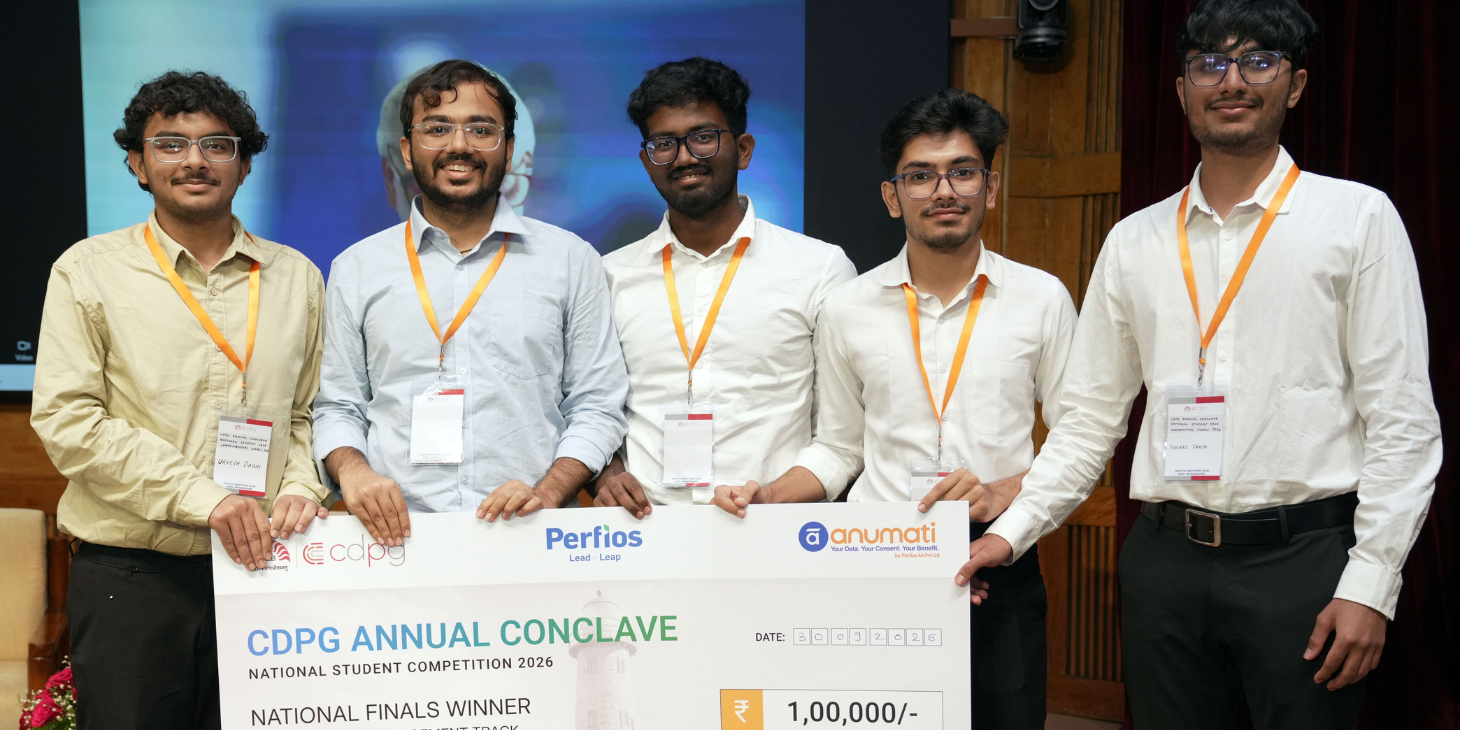
The conclave concluded with elevator pitches from a national student case competition, followed by the valedictory address and awards for the winning teams.
At Prittle Prattle News, featuring you virtuously, we celebrate the commitment and innovation. Led by Editor-in-Chief Smruti Bhalerao, our platform is dedicated to sharing impactful stories that inspire change and create awareness. Follow us on LinkedIn, Instagram, and YouTube for more stories that matter.
About Prittle Prattle News
Prittle Prattle News is a digital news publication covering business, technology, healthcare, education, lifestyle, public affairs and other developments from India and around the world. Led by Editor-in-Chief Smruti Bhalerao, we publish timely news, industry updates and feature stories for a broad readership.














[…] Public Services Take Centre Stage as CDPG Conclave Examines DPI, Data and AI […]