







SBD Central and SBD West accounted for nearly two thirds of Mumbai office leasing in H1 2026 as established neighbourhoods attract businesses with talent access, infrastructure and connectivity
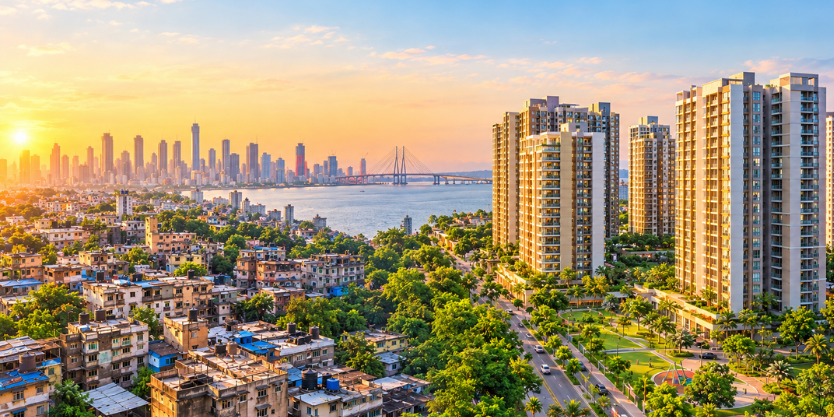
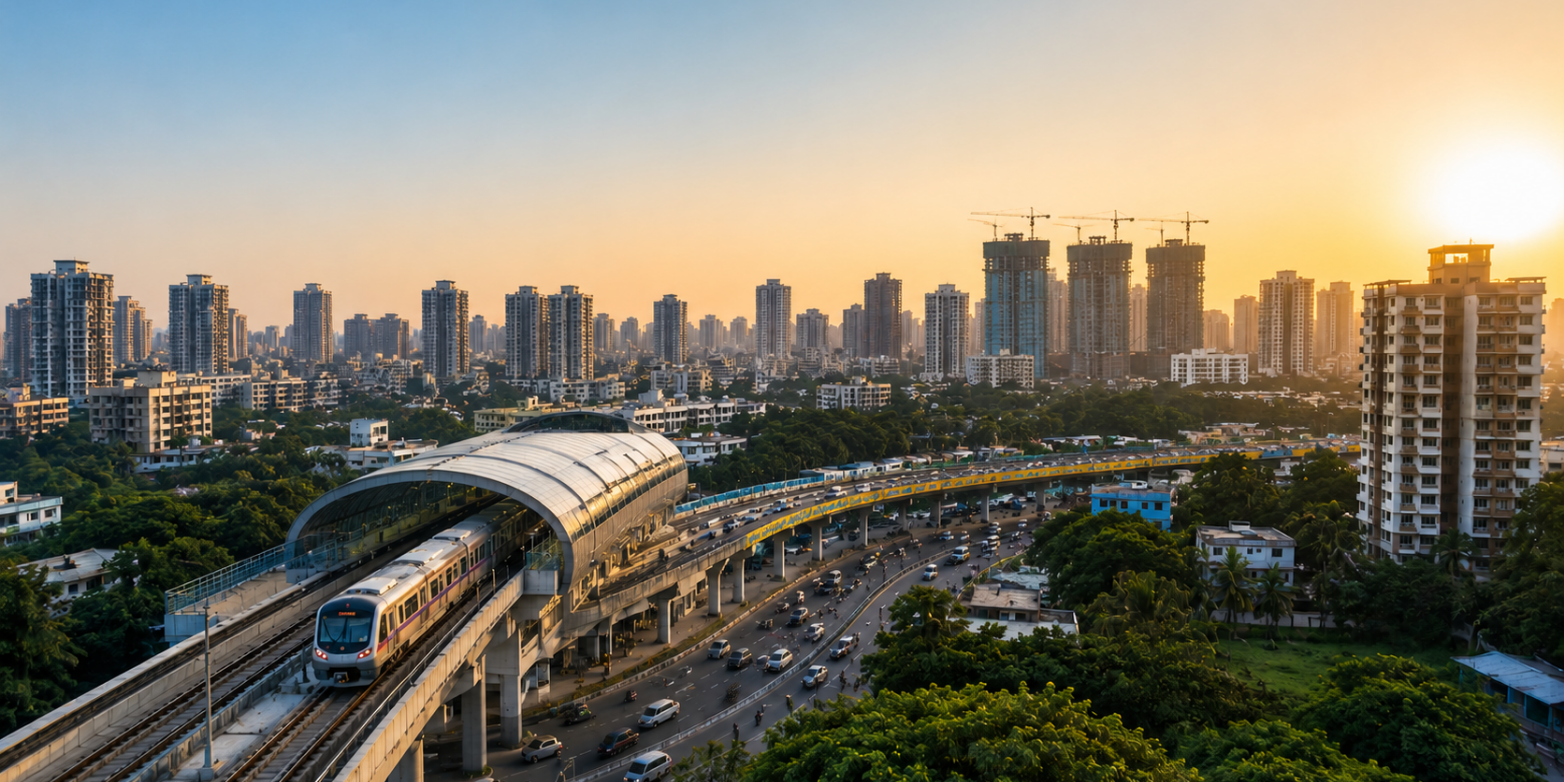
Mumbai’s commercial real estate landscape is seeing a shift as established residential neighbourhoods emerge as increasingly relevant locations for office occupiers.
For decades, commercial development in Mumbai was largely concentrated around dedicated business districts. As companies reconsider workplace locations, however, mature residential micro markets are gaining attention because they already offer access to residential populations, talent, transport and social infrastructure.
Locations including Chembur, Bhandup and Mulund in the Eastern suburbs, along with Goregaon, Malad and Andheri in the Western suburbs, have developed residential ecosystems supported by healthcare, retail, public transport and other everyday services.
For businesses, these existing urban ecosystems can offer an alternative to entering emerging commercial districts where surrounding infrastructure is still developing.
Shilpin Tater, Managing Director, Superb Realty, said, “Occupiers today are looking beyond the traditional parameters of location, cost and connectivity to assess the overall quality of the workplace experience. Proximity to established residential catchments can support employee convenience and accessibility, while factors such as air quality, green spaces, sustainability and the quality of the surrounding environment are also gaining importance. This is making mature suburban markets increasingly relevant, as they can offer businesses a more integrated workplace ecosystem that supports both operational efficiency and employee wellbeing.”
Recent office leasing figures indicate the increasing commercial relevance of Mumbai’s suburban corridors.
According to Cushman & Wakefield data cited in the supplied information, Mumbai recorded 10.7 million sq ft of office leasing during the first half of 2026, representing an increase of 30% compared with the corresponding period a year earlier.
Knight Frank data for H1 2026 cited in the supplied information shows that SBD Central accounted for 46% of Mumbai’s office leasing. The area includes Kurla, Ghatkopar, Vikhroli, Kanjurmarg, Powai, Bhandup and Chembur.
SBD West, comprising Andheri, Jogeshwari, Goregaon and Malad, contributed another 20%.
Together, the two suburban corridors accounted for approximately 66% of Mumbai’s office leasing activity during the period.
The Eastern suburbs provide one example of how established residential markets can develop greater commercial relevance. Bhandup and Mulund have long standing residential populations and surrounding infrastructure that can support workplace development.
Karan Villaitramani, Director, Srishti Group, said, “Bhandup and Mulund have the advantage of maturity. Their residential base has evolved over several decades, creating a self sustaining ecosystem of schools, healthcare, retail, recreation and everyday services. For commercial developers, this reduces the friction associated with establishing a workplace destination because the surrounding urban infrastructure is already functional. The opportunity now lies in integrating commercial spaces more closely with this existing ecosystem.”
According to an Embassy Office Parks REIT filing cited in the supplied information, Grade A office rentals in Mumbai’s Eastern Suburbs range from ₹116 to ₹161 per sq ft per month.
The data indicates that rental values have been trending upwards since 2018 amid sustained leasing by businesses establishing corporate and head offices.
Mumbai’s Western suburbs are witnessing a similar evolution.
Goregaon has developed beyond its predominantly residential character into a more diversified urban location. Its proximity to established commercial centres including Andheri and Malad, together with transport and social infrastructure, supports its position within the wider Western suburban commercial corridor.
Dhruman Shah, Promoter, Ariha Group, said, “Goregaon’s evolution is a good example of how residential and commercial real estate can increasingly complement each other. Its strategic position allows businesses to tap into established residential catchments while remaining connected to major employment corridors. As infrastructure improves and commercial stock becomes more sophisticated, the area has the potential to strengthen its position as a standalone business destination rather than functioning only as an extension of neighbouring commercial hubs.”
The 20% share of Mumbai office leasing recorded by SBD West during H1 2026 further reflects the role of established Western suburban locations within the city’s commercial property market.
The emerging pattern points towards a more distributed model of commercial development in which offices, residential communities and supporting infrastructure increasingly coexist within established urban catchments.
For office occupiers, proximity to residential areas can provide greater accessibility to employees while offering established transport, retail, healthcare and other infrastructure.
For developers, mature neighbourhoods can create opportunities for commercial development without waiting for an entirely new urban ecosystem to emerge around a business district.
Mumbai’s H1 2026 leasing figures indicate that this transition is already taking shape, with established suburban corridors accounting for a significant share of the city’s office activity.
At Prittle Prattle News, featuring you virtuously, we celebrate the commitment and innovation. Led by Editor-in-Chief Smruti Bhalerao, our platform is dedicated to sharing impactful stories that inspire change and create awareness. Follow us on LinkedIn, Instagram, and YouTube for more stories that matter
About Prittle Prattle News
Prittle Prattle News is a digital news publication covering business, technology, healthcare, education, lifestyle, public affairs and other developments from India and around the world. Led by Editor-in-Chief Smruti Bhalerao, we publish timely news, industry updates and feature stories for a broad readership.






















[…] House of Abhinandan Lodha has announced that the expected delivery of its Nagpur Marina project will move forward by two years, with the […]