
Premium redevelopment is creating new value across locations such as Chembur, Andheri, Vile Parle, Bandra, Wadala, Borivali and Malad.
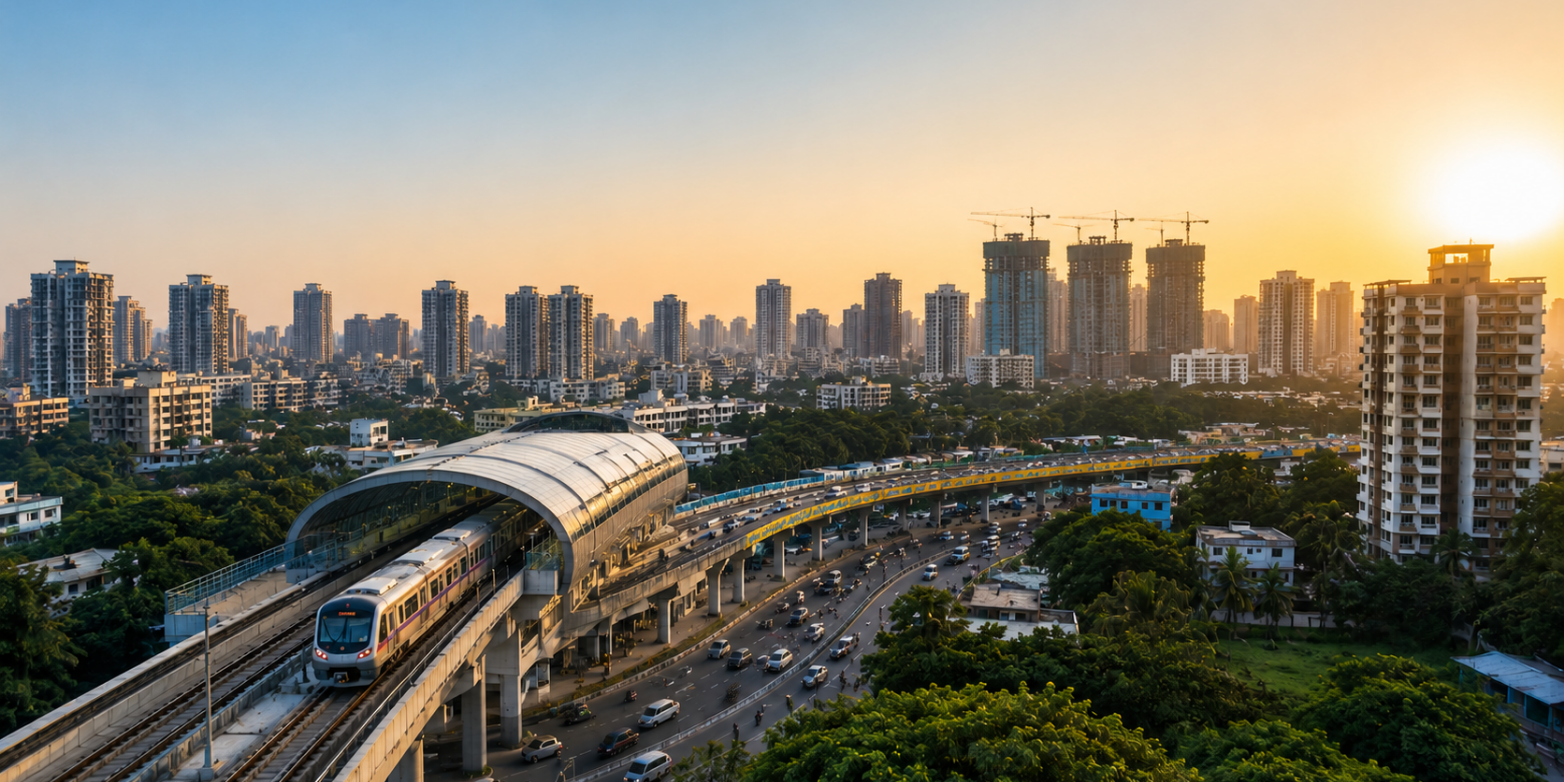
Mumbai has always been a city shaped by ambition. Its neighbourhoods evolve with every generation, reflecting shifts in lifestyle, culture and economic aspiration. Today, that evolution has reached a turning point. With land saturation at historic levels and urban demands becoming more refined, premium redevelopment has emerged as the strongest force reshaping Mumbai’s residential landscape. The city’s most desirable future addresses are increasingly rising from the footprints of its older buildings, where familiar surroundings are being paired with modern planning, upgraded infrastructure and contemporary lifestyle environments.
For decades, the arc of luxury in Mumbai was dominated by sea-facing bungalows, heritage apartments and large suburban villas. Over time, the rising density of the city, a shift in how people live and the acute shortage of available land have redefined that narrative. Redevelopment is no longer viewed as a structural necessity. It has become the primary route to creating high-quality homes in locations where the advantages are irreplaceable.
Mumbai’s geography plays a central role in this transition. With the sea on three sides and a dense population that continues to grow, the city has little space left for greenfield development. Redevelopment has therefore become both a practical requirement and a long-term opportunity. It allows neighbourhoods to rejuvenate without losing their social character, while giving homebuyers access to modern amenities in areas they already trust and understand.
In this changing landscape, several developers have been instrumental in shaping the premium redevelopment movement. Groups such as Godrej Properties, Hiranandani, Lodha Group, Oberoi Realty, Kalpataru, Chandak Group, Runwal, K Raheja Corp and Rustomjee are leading large-scale transformations across tightly held locations including Wadala, Chembur, Dadar, Andheri, Vile Parle, Bandra, Malad and Borivali. These neighbourhoods have long-standing residents, strong social networks, deep cultural ties and established connectivity, making redevelopment an attractive proposition for both existing occupants and new buyers.
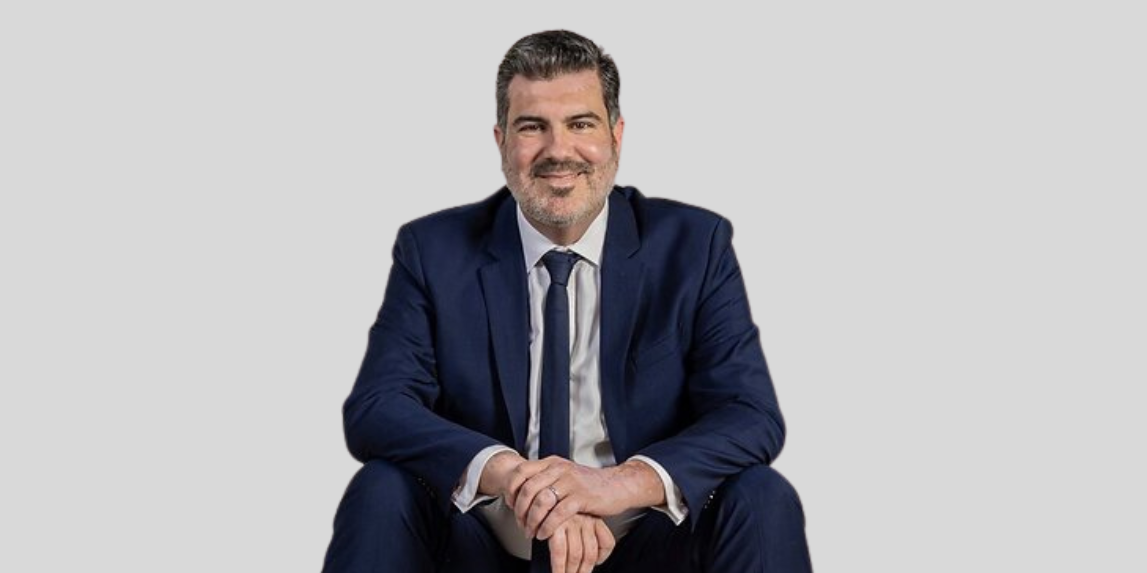
Among the developers influencing this shift, Chandak Group has placed a consistent emphasis on scale, planning and community-focused design. A spokesperson for the company notes that the current phase of redevelopment is not about merely replacing ageing buildings but about thinking more deeply about how neighbourhoods can function. He adds that today’s homebuyers prioritise identity, community and convenience, looking beyond the surface of finishes or floor plans and seeking environments that support modern living.
This sentiment mirrors broader market patterns. A growing share of discerning buyers in Mumbai consists of global professionals, business owners, entrepreneurs and well-travelled families who value continuity as much as lifestyle upgrades. They want to stay within familiar neighbourhoods that offer comfort, routine, cultural alignment and proximity to extended networks. Redevelopment allows this rootedness while adding refinement, improved planning, technologically updated spaces and hospitality-inspired amenities.
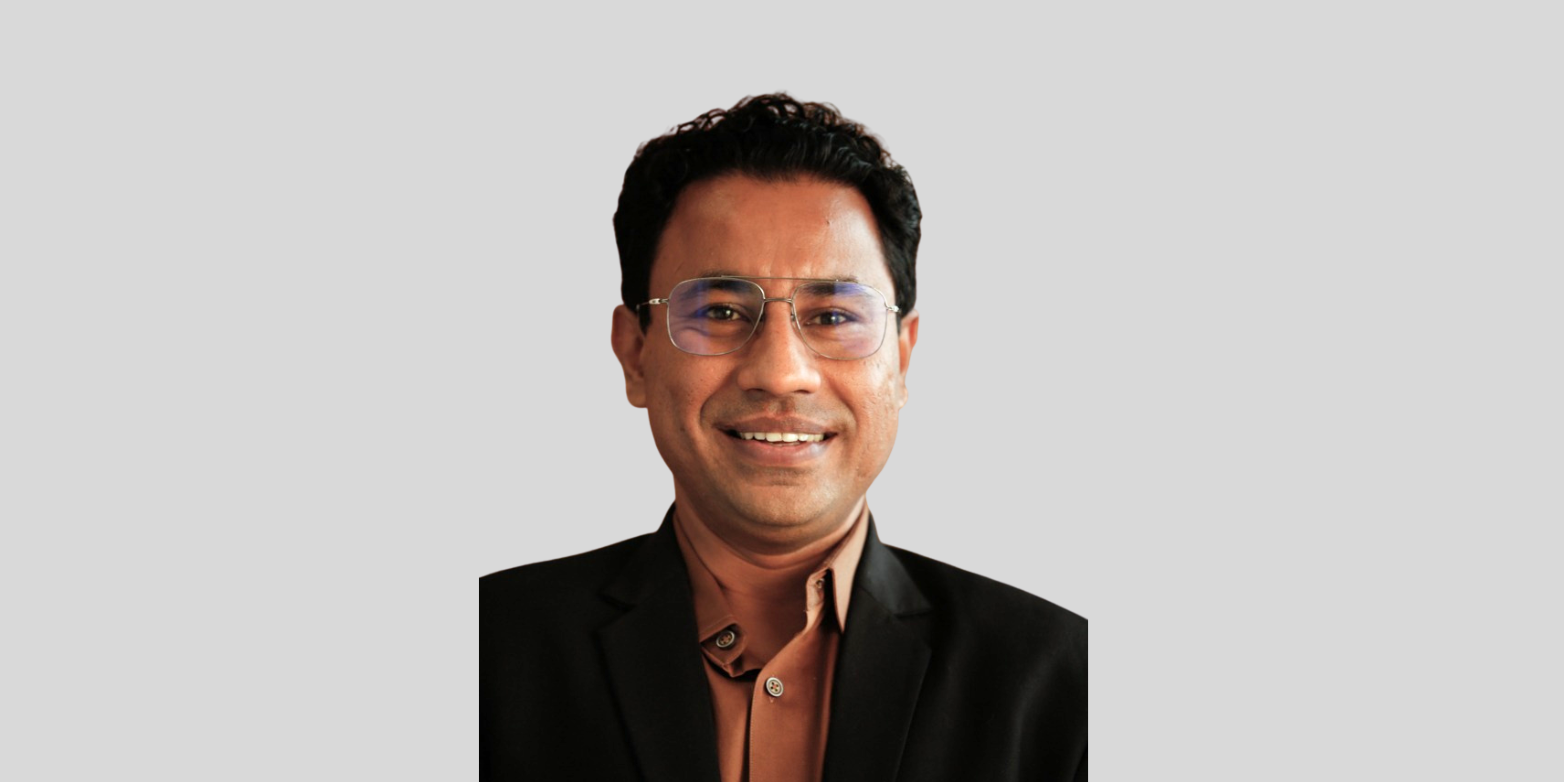
Adding another perspective to the transition underway, Khetsi Barot, Managing Director of The Guardians Real Estate Advisory, observes that redevelopment is now being recognised as a lifestyle choice rather than a construction-led activity. According to him, today’s buyers are choosing new homes that retain their cultural and social surroundings while providing more contemporary conveniences. This blend of familiarity and enhancement is one of the most defining trends in Mumbai’s premium residential markets.
One of the most significant outcomes of redevelopment is the evolution of community-centric living. Since these projects arise within established micro-markets, they naturally draw residents with similar aspirations and values. This proximity fosters organic connections, stronger engagement and a sense of shared belonging. The city’s residential preferences have also begun to reflect this inclination toward curated communities rather than isolated living.
Modern redevelopment projects also introduce significant improvements in design, amenities and land use. They feature well-planned layouts, space-efficient homes, sky terraces, landscaped decks, wellness zones, co-working areas, children’s learning spaces, pet-friendly zones, concierge services, banquet halls, indoor and outdoor sports facilities, dedicated fitness suites and landscaped open spaces. These features are no longer considered add-ons. They respond to lifestyles shaped by long commutes, demanding work schedules and the need for proximity to everyday essentials.
In a city where time is frequently the most valuable resource, integrated living becomes a critical advantage. Redevelopment allows residents to stay connected to their existing ecosystems while gaining access to conveniences that support balance and well-being. The ability to live, work, relax and socialise within minutes of one another has become a defining appeal of modern projects.
Chandak Group’s ongoing developments illustrate this shift. Chandak Highscape City in Chembur East is envisioned as a large integrated project that interacts meaningfully with its surroundings. It elevates the area through upgraded amenities, better planning and high-rise living while retaining the neighbourhood’s distinct character. Instead of disruptive change, the project introduces considered progression, aligning regional identity with improved infrastructure.
In the western suburbs, Chandak Vansham in Vile Parle and Chandak Sarvam in Andheri East reflect a similar approach. They are situated within long-established residential pockets where buyers value cultural continuity, accessibility and everyday convenience. Their strong sales response indicates a broader trend in premium housing demand, where refinement and rootedness are viewed as complementary rather than opposite.
The role of redevelopment in improving Mumbai’s housing stock is therefore both practical and emotional. It preserves the city’s familiar essence while raising its physical standards. It allows residents to upgrade without shifting their entire lives. It supports modern design without erasing legacy. This duality is becoming one of the strongest foundations for homebuying decisions in the city.
Trusted developers now command a clear premium in this segment. The value buyers see is not limited to amenities or address. It includes reliability, transparency, project delivery, long-term durability and design clarity. These attributes hold particular importance in a redevelopment-driven city, where legacy and modern aspirations must coexist smoothly.
As Mumbai’s skyline continues to evolve, one theme becomes increasingly evident. Its most desirable future addresses are emerging not from untouched land but from reinvention within its most established neighbourhoods. Premium redevelopment is shaping the next chapter of how the city lives, grows and defines itself. It is a story of continuity and progression, where Mumbai holds on to its history while reaching for its next horizon.
At Prittle Prattle News, we honor your dedication and inventiveness led by showcasing you in a positive light. Under the direction of Editor-in-Chief Smruti Bhalerao, our platform is committed to disseminating powerful narratives that raise awareness and motivate change. For more important stories, follow us on LinkedIn, Instagram, and YouTub
About Prittle Prattle News
Prittle Prattle News is a digital news publication covering business, technology, healthcare, education, lifestyle, public affairs and other developments from India and around the world. Led by Editor-in-Chief Smruti Bhalerao, we publish timely news, industry updates and feature stories for a broad readership.







Add Comment