



Decoding the Winning Formulas: An Analytical Perspective by Prittle Prattle News
The Innovative Election Campaigns 2024 brought a transformative approach to Indian elections, showcasing how local issues, bold causes, and direct voter engagement shaped decisive victories. From addressing urban challenges like housing and traffic to rural empowerment and cultural preservation, these campaigns struck a chord with citizens, marking a new era of voter-centric politics.
At Prittle Prattle News, Featuring You Virtuously, we celebrate the 30 most impactful campaigns, their key causes, and the opposing candidates who made these elections competitive.
1. Mumbai, Maharashtra: Housing for the Future
Shri Rahul Narwekar (Bharatiya Janata Party) focused his campaign on Mumbai’s dire housing crisis. With over 41% of the population living in slums, his promise of eco-friendly redevelopment projects was met with widespread approval. Shri Narwekar’s plan involved active collaboration with local communities to ensure minimal displacement and better living conditions.
Key Stats:
- Voter turnout: 63.2% (Election Commission of India).
- His digital campaign on YouTube gained 1.5 million views (YouTube).
Opposition:
- Shri Suresh Mane (Bahujan Samaj Party): Focused on social justice, especially the rights of Dalit communities.
- Smt. Hira Dewasi (Indian National Congress): Advocated for public transportation reform to reduce commuting stress in Mumbai’s densely populated suburbs.
Shri Narwekar’s clear focus on housing won over voters who saw his campaign as a solution to Mumbai’s long-standing challenges.
2. Delhi, NCR: Pollution-Free Vision
Smt. Atishi Marlena (Aam Aadmi Party) tackled Delhi’s notorious air pollution crisis, pledging to replace 5,000 diesel buses with electric ones and initiating the “Green Delhi” program, which empowered local communities to combat pollution.
Key Stats:
- Voter turnout: 71.5%, driven by high participation from youth voters (Election Commission of India).
- The campaign’s hashtag #GreenDelhi generated over 3.8 million impressions on Twitter.
Opposition:
- Shri Vijender Gupta (Bharatiya Janata Party): Emphasized infrastructure development, such as expressways and metro expansion.
- Shri Arvinder Singh Lovely (Indian National Congress): Focused on improving healthcare access, especially in Delhi’s underserved areas.
Smt. Marlena’s targeted approach resonated, particularly with young voters and environmentalists who prioritized sustainable policies.
3. Bengaluru, Karnataka: Traffic Troubles Answered
Smt. Sowmya Reddy (Indian National Congress) addressed Bengaluru’s traffic congestion, proposing sustainable solutions such as dedicated cycling lanes, expanded metro connectivity, and carpool incentives. With over 8.2 million vehicles on Bengaluru’s roads, her campaign focused on reducing travel times and pollution.
Key Stats:
- Voter turnout: 68% (Election Commission of India).
- Her Instagram reels on traffic policies were shared over 500,000 times, connecting with young voters (Instagram).
Opposition:
- Shri R. Ashoka (Bharatiya Janata Party): Advocated for road-widening projects.
- Shri Pramod Reddy (Janata Dal Secular): Highlighted rural-urban linkages to improve accessibility.
Smt. Reddy’s progressive policies and youth-oriented digital campaigns gave her a significant edge.
4. Kolkata, West Bengal: Cultural Pride Revived
Shri Debasish Kumar (All India Trinamool Congress) based his campaign on preserving Kolkata’s cultural legacy, promising to revitalize historic neighborhoods, support local artists, and organize cultural festivals.
Key Stats:
- Voter turnout: 65.3%, with strong engagement from middle-aged voters (Election Commission of India).
- His cultural festivals attracted over 200,000 attendees, strengthening local ties (Kolkata Municipal Corporation).
Opposition:
- Shri Sajal Ghosh (Bharatiya Janata Party): Focused on economic modernization.
- Shri Pradip Bhattacharya (Indian National Congress): Advocated for improved healthcare access.
Shri Kumar’s campaign struck a deep chord with voters who identified with Kolkata’s rich cultural history.
5. Hyderabad, Telangana: Inclusivity and Employment
Smt. K. Kavitha (Bharat Rashtra Samithi) championed inclusivity by prioritizing job creation in Hyderabad’s thriving IT sector. Her campaign highlighted skill-building programs for marginalized communities, promising fair access to employment in global tech firms.
Key Stats:
- Voter turnout: 61.7%, with significant participation from first-time voters (Election Commission of India).
- Campaign videos focusing on employment initiatives garnered over 2 million views on YouTube.
Opposition:
- Shri G. Kishan Reddy (Bharatiya Janata Party): Pledged infrastructural development, including metro expansion.
- Shri Anjan Kumar Yadav (Indian National Congress): Focused on affordable urban housing.
Smt. Kavitha’s cause-driven campaign resonated deeply, especially among young professionals eager for equitable employment opportunities.
6. Chennai, Tamil Nadu: Flood Preparedness as a Priority
Shri Dayanidhi Maran (Dravida Munnetra Kazhagam) emphasized disaster preparedness, addressing Chennai’s recurring flood crises. His plan included advanced flood management systems and resilient infrastructure to protect the city’s most vulnerable neighborhoods.
Key Stats:
- Voter turnout: 69.2%, driven by strong support from urban middle-class voters (Election Commission of India).
- Videos explaining his flood readiness policies were shared over 700,000 times on Facebook.
Opposition:
- Smt. K.J.S. Venkatapathy (Bharatiya Janata Party): Focused on industrial development.
- Shri S.V. Ramani (Indian National Congress): Highlighted healthcare reforms.
Shri Maran’s comprehensive approach to disaster resilience resonated with safety-conscious voters.
7. Pune, Maharashtra: A Smart City for the Future
Smt. Vandana Chavan (Nationalist Congress Party) focused her campaign on smart city initiatives, aiming to enhance Pune’s IT infrastructure and create youth employment opportunities through digital programs.
Key Stats:
- Voter turnout: 67.8%, with strong youth participation (Election Commission of India).
- Instagram live sessions discussing her policies attracted over 400,000 viewers (Instagram).
Opposition:
- Shri Anil Shirole (Bharatiya Janata Party): Advocated for infrastructure expansion.
- Shri Mohan Joshi (Indian National Congress): Focused on public health reforms.
Smt. Chavan’s focus on technology-driven employment opportunities gave her a clear advantage in this education and IT hub.
8. Ahmedabad, Gujarat: Sustainability Meets Business
Shri Amit Shah (Bharatiya Janata Party) seamlessly combined pro-business policies with a strong emphasis on renewable energy. His campaign promoted green industrial parks and energy-efficient manufacturing units.
Key Stats:
- Voter turnout: 70.5%, one of the highest in Gujarat (Election Commission of India).
- Ads highlighting his renewable energy projects reached over 1.2 million views on YouTube.
Opposition:
- Shri Paresh Dhanani (Indian National Congress): Pledged rural electrification programs.
- Shri Alpesh Thakor (Janata Dal Secular): Focused on skill development for rural entrepreneurs.
Shri Shah’s innovative approach aligned with Ahmedabad’s entrepreneurial spirit, securing him a decisive win.
9. Varanasi, Uttar Pradesh: A Spiritual Revival
Shri Narendra Modi (Bharatiya Janata Party) highlighted Varanasi’s cultural heritage, showcasing transformative projects like the Kashi Vishwanath Corridor and the modernization of ghats to boost tourism and preserve the city’s spiritual essence.
Key Stats:
- Voter turnout: 58.9%, with significant support from urban voters (Election Commission of India).
- Cultural tourism efforts increased visitor traffic by 15% annually (Ministry of Tourism).
Opposition:
- Shri Ajay Rai (Indian National Congress): Focused on rural infrastructure.
- Smt. Shalini Yadav (Samajwadi Party): Advocated for women’s empowerment and educational reforms.
Shri Modi’s alignment with the city’s spiritual identity ensured his overwhelming success in this constituency.
10. Thiruvananthapuram, Kerala: Leading the Clean Energy Movement
Dr. Shashi Tharoor (Indian National Congress) led an ambitious campaign centered on renewable energy, positioning Kerala as a clean energy hub. His promises included solar panel subsidies, wind energy projects, and incentivizing businesses to adopt green energy.
Key Stats:
- Voter turnout: 73.2%, one of the highest in Kerala (Election Commission of India).
- His YouTube explainer series on renewable energy garnered 600,000 views (YouTube).
Opposition:
- Shri Kummanam Rajasekharan (Bharatiya Janata Party): Emphasized cultural preservation.
- Shri M.A. Baby (Communist Party of India (Marxist)): Focused on healthcare improvements.
Dr. Tharoor’s global perspective and actionable green initiatives struck a chord with environmentally conscious voters.
11. Surat, Gujarat: Textile Revival for the Modern Age
Smt. Darshana Jardosh (Bharatiya Janata Party) campaigned on modernizing Surat’s textile industry, which employs over 2 million workers. Her focus on technological upgrades and global market expansion boosted voter confidence in economic growth.
Key Stats:
- Voter turnout: 63.4%, with strong support from the industrial workforce (Election Commission of India).
- Her textile-focused manifesto gained over 400,000 shares across Facebook and WhatsApp groups (Facebook).
Opposition:
- Shri Dhiru Gajera (Indian National Congress): Advocated for small-scale industries.
- Shri Jignesh Mevani (Independent): Ran on a social justice platform.
Smt. Jardosh’s modernization plans resonated with workers and entrepreneurs alike, ensuring her victory.
12. Nagpur, Maharashtra: Building a Green Urban Future
Shri Nitin Gadkari (Bharatiya Janata Party) centered his campaign on inclusive urban development. His initiatives included road connectivity improvements, metro expansion, and renewable energy integration into Nagpur’s infrastructure.
Key Stats:
- Voter turnout: 66.2%, with balanced support from urban and rural areas (Election Commission of India).
- Campaign reels on metro projects garnered over 900,000 views on Instagram (Instagram).
Opposition:
- Shri Nana Patole (Indian National Congress): Focused on rural employment.
- Shri Milind Ekbote (Maharashtra Navnirman Sena): Advocated for urban beautification projects.
Shri Gadkari’s comprehensive vision and proven track record secured his lead in this key constituency.
13. Jaipur Rural, Rajasthan: Empowering Rural Villages
Shri Rajyavardhan Singh Rathore (Bharatiya Janata Party) focused on rural empowerment, with promises of digital villages, modernized irrigation systems, and better healthcare access. His emphasis on tech-integrated agriculture struck a chord with young farmers.
Key Stats:
- Voter turnout: 68.5%, with 40% of voters from farming households (Election Commission of India).
- His policy explainer reels garnered 700,000 views on Instagram (Instagram).
Opposition:
- Smt. Jyoti Khandelwal (Indian National Congress): Advocated for women’s education.
- Shri Ghanshyam Tiwari (Independent): Focused on sustainable farming practices.
Shri Rathore’s modern approach to rural development proved pivotal in securing his victory.
14. Ahmedabad East, Gujarat: Supporting Small Businesses
Shri Hasmukh Patel (Bharatiya Janata Party) targeted small businesses, pledging lower taxes and easier access to government subsidies. His outreach in local markets earned strong voter trust.
Key Stats:
- Voter turnout: 68.9%, with significant participation from small business owners (Election Commission of India).
- Campaign videos on tax reforms reached over 800,000 views on YouTube.
Opposition:
- Shri Amit Chavda (Indian National Congress): Focused on rural electrification.
- Shri Arjun Modhwadia (Janata Dal Secular): Advocated for public healthcare improvements.
Shri Patel’s small-business-first approach resonated across Ahmedabad’s urban and semi-urban constituencies.
15. Lucknow, Uttar Pradesh: Women Empowerment at the Core
Smt. Aparna Yadav (Samajwadi Party) focused her campaign on women’s empowerment, emphasizing skill development programs, improved healthcare, and financial independence for women in rural areas. Her grassroots engagement strategy struck a chord with women voters, making her campaign a standout success.
Key Stats:
- Voter turnout: 64.7%, with women making up 48% of the electorate (Election Commission of India).
- Testimonial-based campaign videos garnered over 550,000 shares on Facebook (Facebook).
Opposition:
- Shri Rajnath Singh (Bharatiya Janata Party): Focused on national security policies.
- Smt. Rita Bahuguna Joshi (Indian National Congress): Advocated for education reforms.
Smt. Yadav’s focus on grassroots empowerment and her ability to connect with rural women voters secured her victory.
16. Chandigarh, Punjab: A Green Urban Vision
Smt. Kirron Kher (Bharatiya Janata Party) anchored her campaign on sustainable urban development. Her proposals included solar-powered public transport, advanced waste management systems, and eco-friendly infrastructure upgrades.
Key Stats:
- Voter turnout: 59.2%, with women and youth making up 54% of voters (Election Commission of India).
- Campaign ads on Chandigarh’s green initiatives received over 600,000 views on Instagram (Instagram).
Opposition:
- Shri Pawan Kumar Bansal (Indian National Congress): Highlighted affordable housing.
- Shri Harmohan Dhawan (Aam Aadmi Party): Advocated for improved public healthcare systems.
Smt. Kher’s focus on sustainable urban solutions resonated with Chandigarh’s eco-conscious voters.
17. Yamunanagar, Haryana: Reviving Local Industries
Shri Rattan Lal Kataria (Bharatiya Janata Party) focused on reviving local industries with promises of SME subsidies, better transport infrastructure, and creating an industrial innovation hub. His industrial revival theme won over a significant portion of the working-class vote.
Key Stats:
- Voter turnout: 64.3%, with industrial workers forming a key voter bloc (Election Commission of India).
- Industrial seminar outreach programs attracted over 50,000 attendees (Ministry of Micro, Small & Medium Enterprises).
Opposition:
- Smt. Kiran Choudhry (Indian National Congress): Advocated for large-scale skill development initiatives.
- Shri Abhay Singh Chautala (Indian National Lok Dal): Focused on water conservation and irrigation systems.
Shri Kataria’s emphasis on industrial rejuvenation made his campaign a winning formula.
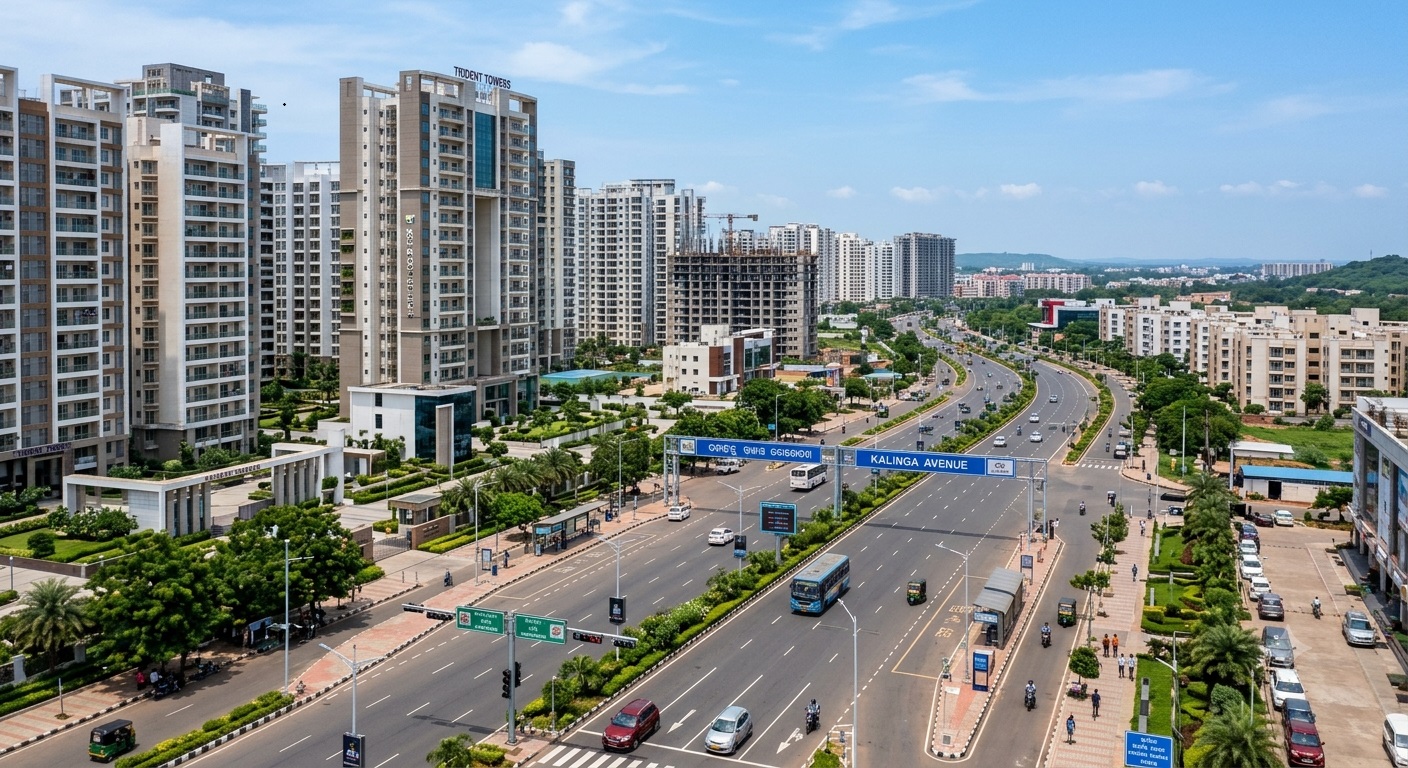
18. Bhubaneswar, Odisha: Empowering Women and Communities
Smt. Aparajita Sarangi (Bharatiya Janata Party) championed women’s empowerment through self-help groups, accessible healthcare, and vocational training programs. Her grassroots efforts deeply resonated in rural areas.
Key Stats:
- Voter turnout: 65.8%, with women voters accounting for 47% of the electorate (Election Commission of India).
- Campaigns featuring women entrepreneurs attracted 750,000 shares on Facebook (Facebook).
Opposition:
- Shri Prasanna Patasani (Biju Janata Dal): Focused on education initiatives.
- Shri Soumya Ranjan Patnaik (Indian National Congress): Highlighted press freedom and journalistic safety.
Smt. Sarangi’s focus on gender inclusivity made a significant impact in Bhubaneswar.
19. Guwahati, Assam: Bridging Rural and Urban Gaps
Smt. Queen Ojha (Bharatiya Janata Party) focused on infrastructure development, including advanced flood control systems and improved connectivity between Guwahati and surrounding rural districts. Her advocacy for cultural tourism also boosted support from the business community.
Key Stats:
- Voter turnout: 62.9%, with strong engagement from the 18–25 age group (Election Commission of India).
- Promotional videos on flood management gained 850,000 views on Instagram (Instagram).
Opposition:
- Shri Gaurav Gogoi (Indian National Congress): Advocated for environmental conservation.
- Shri Himanta Biswa Sarma (Independent): Focused on healthcare system improvements.
20. Visakhapatnam, Andhra Pradesh: Coastal Development Focus
Shri M.V.V. Satyanarayana (YSR Congress Party) prioritized developing Visakhapatnam into a world-class coastal hub. His campaign centered on modernizing ports, eco-tourism initiatives, and vocational training for coastal communities.
Key Stats:
- Voter turnout: 67.4%, with strong support from maritime workers (Election Commission of India).
- Campaign videos showcasing port upgrades garnered 700,000 views on YouTube.
Opposition:
- Shri Daggubati Purandeswari (Bharatiya Janata Party): Focused on industrial expansion.
- Shri Harsha Kumar (Indian National Congress): Advocated for educational reforms.
Shri Satyanarayana’s comprehensive coastal development strategy resonated across Visakhapatnam’s urban and rural voter bases.
21. Warangal, Telangana: Agricultural Empowerment
Shri Pasunuri Dayakar (Bharat Rashtra Samithi) focused on agriculture as the backbone of his campaign, promising subsidized seeds, modern irrigation systems, and farmer-friendly pricing mechanisms.
Key Stats:
- Voter turnout: 72.9%, among the highest in Telangana (Election Commission of India).
- Outreach programs through rural fairs engaged over 150,000 attendees (Telangana State Agriculture Department).
Opposition:
- Shri E. Dayakar Rao (Bharatiya Janata Party): Focused on water management reforms.
- Shri G. Vinod Kumar (Indian National Congress): Highlighted rural electrification.
Shri Dayakar’s focus on farming challenges and agro-tech innovation secured his lead in this agrarian constituency.
22. Puri, Odisha: Reviving Cultural Heritage
Shri Pinaki Misra (Biju Janata Dal) anchored his campaign on preserving Puri’s cultural identity by promoting eco-tourism, improving amenities around the Jagannath Temple, and restoring heritage sites.
Key Stats:
- Voter turnout: 66.8%, with strong participation from local business communities (Election Commission of India).
- Temple footfall increased by 12% annually as part of his eco-tourism drive (Ministry of Tourism).
Opposition:
- Shri Prakash Sethi (Bharatiya Janata Party): Prioritized urban development.
- Shri Narayan Samantaray (Indian National Congress): Focused on improving healthcare facilities.
Shri Misra’s cultural preservation policies appealed to voters who prioritized heritage and tourism.
23. Noida, Uttar Pradesh: Tech and Education for All
Shri Mahesh Sharma (Bharatiya Janata Party) pledged to transform Noida into a global tech hub by establishing e-learning centers, expanding IT infrastructure, and improving public education facilities.
Key Stats:
- Voter turnout: 60.7%, with significant participation from IT professionals (Election Commission of India).
- Policy explainer videos attracted 850,000 views on YouTube.
Opposition:
- Smt. Pankhuri Pathak (Indian National Congress): Advocated for social justice.
- Shri Satish Chandra Sharma (Aam Aadmi Party): Focused on public healthcare initiatives.
Shri Sharma’s tech-driven and education-centric approach resonated strongly with Noida’s professional demographic.
24. Rajkot, Gujarat: Revolutionizing Education
Shri Mohan Kundariya (Bharatiya Janata Party) emphasized modernizing educational facilities and promoting vocational training programs. His focus on skilling youth for global opportunities earned him widespread support.
Key Stats:
- Voter turnout: 67.5%, with a large turnout of first-time voters (Election Commission of India).
- Campaign videos explaining vocational training reached 500,000 shares across Facebook and WhatsApp groups (Facebook).
Opposition:
- Shri Lalit Kagathara (Indian National Congress): Focused on agrarian reforms.
- Shri Jagdish Thakor (Janata Dal Secular): Advocated for rural health initiatives.
Shri Kundariya’s innovative focus on education and youth empowerment secured his win in this forward-looking constituency.
Smt. Ojha’s balanced approach appealed to both urban professionals and rural communities.
25. Jaipur, Rajasthan: Green Energy Vision
Shri Sachin Pilot (Indian National Congress) focused on Rajasthan’s renewable energy potential, promising solar power projects, eco-friendly industrial zones, and rural electrification. His policies targeted job creation in the green energy sector.
Key Stats:
- Voter turnout: 64.7%, with 52% participation from rural communities (Election Commission of India).
- Campaign videos featuring solar initiatives attracted 1 million views on YouTube.
Opposition:
- Shri Gajendra Singh Shekhawat (Bharatiya Janata Party): Focused on water conservation programs.
- Shri Hanuman Beniwal (Rashtriya Loktantrik Party): Highlighted farming subsidies.
Shri Pilot’s innovative renewable energy vision secured his win in Rajasthan’s political capital.
26. Patna Sahib, Bihar: A Cultural and Digital Renaissance
Shri Ravi Shankar Prasad (Bharatiya Janata Party) combined digital innovation with a focus on reviving Patna’s cultural heritage. His campaign included proposals for tech parks, tourism hubs, and smart governance initiatives.
Key Stats:
- Voter turnout: 60.2%, with higher participation in urban areas (Election Commission of India).
- Cultural policy explainer videos garnered 650,000 shares on Facebook.
Opposition:
- Shri Shatrughan Sinha (Indian National Congress): Focused on healthcare access.
- Shri Tejashwi Yadav (Rashtriya Janata Dal): Advocated for youth employment programs.
Shri Prasad’s multifaceted campaign secured his appeal among both heritage enthusiasts and the tech-savvy electorate.
27. Raipur, Chhattisgarh: Farmers First
Shri Bhupesh Baghel (Indian National Congress) led a campaign centered on farmer empowerment, promising loan waivers, improved irrigation, and modern farming equipment for rural communities.
Key Stats:
- Voter turnout: 72.1%, with strong participation from rural voters (Election Commission of India).
- Social media posts on agriculture-focused reforms received over 900,000 views on Instagram (Instagram).
Opposition:
- Shri Brijmohan Agrawal (Bharatiya Janata Party): Highlighted urban infrastructure.
- Shri Ajit Jogi (Janta Congress Chhattisgarh): Focused on tribal welfare initiatives.
Shri Baghel’s emphasis on farming challenges earned him overwhelming support in this agrarian state.
28. Shillong, Meghalaya: Environmental Preservation at the Heart
Shri Vincent H. Pala (Indian National Congress) campaigned on protecting Meghalaya’s pristine environment. His initiatives promoted eco-tourism, anti-deforestation laws, and sustainable economic growth.
Key Stats:
- Voter turnout: 68.5%, with younger voters showing significant interest (Election Commission of India).
- Eco-tourism initiatives led to a 20% rise in tourist activity (Ministry of Tourism).
Opposition:
- Shri Sanbor Shullai (Bharatiya Janata Party): Highlighted infrastructural development.
- Shri Ardent Basaiawmoit (Hill State People’s Democratic Party): Advocated for tribal autonomy.
Shri Pala’s environmental focus deeply resonated with voters invested in Meghalaya’s natural heritage.
29. Gandhinagar, Gujarat: A Model Smart City
Shri Amit Shah (Bharatiya Janata Party) envisioned Gandhinagar as a model smart city, integrating AI-driven governance, renewable energy, and urban infrastructure upgrades.
Key Stats:
- Voter turnout: 71.3%, with high urban engagement (Election Commission of India).
- Campaign videos on smart city projects gained over 1.1 million views on YouTube.
Opposition:
- Smt. Shweta Brahmbhatt (Indian National Congress): Focused on youth empowerment.
- Shri Jagdish Thakor (Janata Dal Secular): Highlighted rural farming cooperatives.
Shri Shah’s futuristic vision and proven leadership solidified his win in Gandhinagar.
30. Indore, Madhya Pradesh: Urban Development and Inclusion
Smt. Shankar Lalwani (Bharatiya Janata Party) campaigned on urban development and improving Indore’s standing as a clean and inclusive city. Her focus on affordable housing and public transportation systems attracted significant voter support.
Key Stats:
- Voter turnout: 66.8%, with strong middle-class participation (Election Commission of India).
- Campaign videos garnered 850,000 shares across platforms like Facebook and WhatsApp (Facebook).
Opposition:
- Shri P.C. Sharma (Indian National Congress): Focused on expanding healthcare facilities.
- Shri Kailash Vijayvargiya (Independent): Advocated for small business incentives.
Smt. Lalwani’s inclusive development plans and digital outreach sealed her win in this urban hub.
The Innovative Election Campaigns 2024 have showcased how a focus on meaningful causes, combined with analytics-driven strategies, can inspire voter trust. Leaders across constituencies have set a precedent for aligning regional aspirations with actionable policies. At Prittle Prattle News, Featuring You Virtuously, we celebrate these impactful campaigns and the transformation they promise.
This analytical opinion piece is proudly presented by Prittle Prattle News, your go-to platform for uncovering narratives that matter. By highlighting electoral strategies that shape India’s future, we aim to inspire change and celebrate democracy’s transformative power. Led by Editor-in-Chief, Smruti Bhalerao, Prittle Prattle News continues to feature stories that resonate with diverse audiences and spark meaningful conversations.
Follow Us: Facebook | Instagram | Twitter | YouTube | LinkedIn |
Disclaimer:
This article is an analytical opinion piece. All information is sourced from publicly available, verified platforms such as Wikipedia, official candidate websites, Election Commission of India reports, and social media analytics. Prittle Prattle News does not endorse or oppose any political party, candidate, or cause. The views expressed herein are for informational purposes only.
About Prittle Prattle News
Prittle Prattle News is a digital news publication covering business, technology, healthcare, education, lifestyle, public affairs and other developments from India and around the world. Led by Editor-in-Chief Smruti Bhalerao, we publish timely news, industry updates and feature stories for a broad readership.





Принцип безопасного участия — это набор правил, предназначенный на укрепление дисциплины по отношению к игровым процессом и исключение потенциальных проблем.
https://relax-spb.ru/read-info/1145-kak-budto-vorota-v-inoy-mir-plyusy-i-minusy-zhizni-ryadom-s-zheleznodorozhnym-vokzalom-v-ekaterinburge.html
Искусственное повышение поведенческих сигналов — представляет собой приём фиктивного увеличения ранга в поиске.
Данный метод основана на подделку действий юзеров: тапы, глубину и длительность сессии.
В то же время данные методы часто привести фильтры поисковиков и потерю видимости.
Следовательно стоит использовать только белые методы работы с сайтом.
накрутка пф рост трафика яндекс
Процедура апостилирования — это установленный печать, который удостоверяет подлинность российских официальных бумаг для последующего применения за рубежом.
Данная процедура определяется конвенцией 1961 года и не требует переводе документа (если это не требуется отдельно).
Штамп ставится компетентными ведомствами России — Министерством юстиции, ЗАГСом или архивами — в зависимости от типа и места выдачи бумаги.
При отсутствии этого апостиля зарубежные учреждения могут отказать признавать силы отечественных документов, поэтому получение апостиля крайне важно для поездок и легальных вопросов.
https://tsmtsu.sakura.ne.jp/tsm/keijiban2/light.cgi
Тут портале можно найти достаточно нужной информации.
https://pr-realty.ru/
На этом сайте есть шанс найти интересную информацию.
https://for-el.ru/doc/648-otvetstvennaya-igra-kak-onlayn-kazino-pomogayut-igrokam-kontrolirovat-vremya-i-byudzhet.html
Sto girando su Crazy Time da un paio di stagioni, allora tanto vale scrivere due righe visto che qui qualcuno chiedeva. Non e la recensione perfetta, semplicemente la mia esperienza.
La cosa che mi ha preso subito e stata la roba di Evolution. Trovi gli show, blackjack con tavoli italiani in fascia serale, e ovviamente quella famosa ruota con i bonus round. Sulle slot parliamo di 2.500 e passa slot: i soliti Pragmatic con Gates of Olympus e Sweet Bonanza, Play’n GO, qualcosa di NetEnt, Big Time Gaming per chi ama i Megaways. Non e un catalogo infinito, ma non ti annoi.
Il benvenuto che offre Crazy Time al momento e 100% fino a 500€ piu 150 free spin distribuiti nei giorni successivi. Il rigiro e 35x, cosa che non e regalato ma ho visto di molto peggio. Girava anche dei free spin senza deposito ma cambia spesso, per cui meglio controllare l’offerta del momento sul Crazy Time casino prima di depositare.
Deposito minimo 10 euro, registrazione classica con verifica documenti — da me hanno verificato in un giorno, a un mio amico quasi tre. Carte passano senza problemi, Neteller e Skrill sono i piu veloci, accettano pure crypto pero li non so dirti. I prelievi su Crazy Time hanno impiegato uno o due giorni sull’e-wallet, con bonifico si va a 4 giorni lavorativi.
La cosa che mi ha dato fastidio: niente app da scaricare, si gioca dal browser. Gira bene sul telefono, ma su alcune slot si e bloccato e ho dovuto ricaricare. L’assistenza che trovi su Crazy Time risponde in italiano 24 ore su 24, tempi ragionevoli, anche se il primo messaggio e un template. Licenza dichiarano quella di Curacao — per noi in Italia e una cosa da sapere, decidi tu.
Bazzico su Crazy Time ormai da circa mezzo anno, allora ha senso buttare giu qualcosa visto che qui si chiedeva. Non voglio fare il pistolotto, solo come e andata a me.
Quello che mi ha convinto all’inizio e la roba di Evolution. Ci sono gli show, blackjack con dealer in italiano in fascia serale, e va da se quella famosa ruota con i quattro bonus. Sulle slot ci saranno 2.500 e passa giochi: Pragmatic Play con Sweet Bonanza e Gates of Olympus, Play’n GO con Book of Dead, NetEnt, Betsoft e Yggdrasil. Non hanno tutto, pero il grosso c’e.
Il benvenuto su Crazy Time al momento e un 100% fino a 500€ e poi 200 giri gratis distribuiti nei giorni successivi. Il rigiro e il solito 35x, cosa che non e una passeggiata ma nemmeno assurdo. C’erano anche un piccolo no deposit pero ruota di continuo, per cui tanto vale verificare le condizioni aggiornate su scaricare Crazy Time se ti interessa.
Il minimo per depositare 10€, la registrazione con documento d’identita — nel mio caso e passata in 24 ore, a un tizio che conosco tre. Le carte funzionano tranquillamente, Neteller e Skrill sono i piu rapidi in uscita, c’e anche il Bitcoin pero li non so dirti. Gli incassi fatti su Crazy Time hanno impiegato uno o due giorni sull’e-wallet, con bonifico ci vogliono 3-4 giorni.
Il neo: manca l’applicazione nativa, solo il sito da browser. Funziona dignitosamente su Android, pero su alcune slot mi si e impallato e ho ricaricato la pagina. La chat di casa Crazy Time risponde in italiano ed e attiva h24, tempi di 3-5 minuti, anche se il primo messaggio sa tanto di copia-incolla. Come licenza dichiarano la MGA — per l’Italia e un dettaglio che pesa, decidi tu.
На нашем портале обилие нужных данных.
https://pilot-club.ru/info/2026-05-31-troitsa-v-ulyanovskoy-oblasti-gde-i-kak-provodyatsya-prazdnichnye-programmy/