









Residential prices rose around 7% over 2025, while upcoming metro links, road projects and redevelopment could influence the eastern Mumbai housing market
Chembur is drawing attention in Mumbai’s residential property market as improving transport connectivity, redevelopment and new housing projects coincide with a substantial price difference compared with premium western suburbs.
According to data cited from a leading property portal, average residential prices in Chembur stood at approximately ₹24,654 per sq. ft. in Q2 2026. The corresponding average cited for premium western suburbs was ₹48,343 per sq. ft.
Chembur also recorded around 7% price appreciation over 2025.
The difference in prevailing prices is one of the factors being considered by buyers and investors assessing established residential locations across Mumbai. However, future appreciation will depend on factors including infrastructure completion, housing supply, redevelopment, demand and broader market conditions.
A spokesperson for Chandak Group said the current stage of infrastructure and residential development could influence the area over the coming years.
“Chembur’s next phase of growth could support sustained capital appreciation as infrastructure improves, redevelopment gathers pace and premium residential projects are launched. The opportunity is about timing; entering an established Mumbai market while pricing remains below the premium Western Suburbs, ahead of the full impact of its infrastructure and redevelopment cycle. Over the medium to long term, this could narrow Chembur’s valuation gap with established premium suburbs, making it increasingly attractive to investors,” the spokesperson said.
Connectivity is an important part of the discussion around the locality.
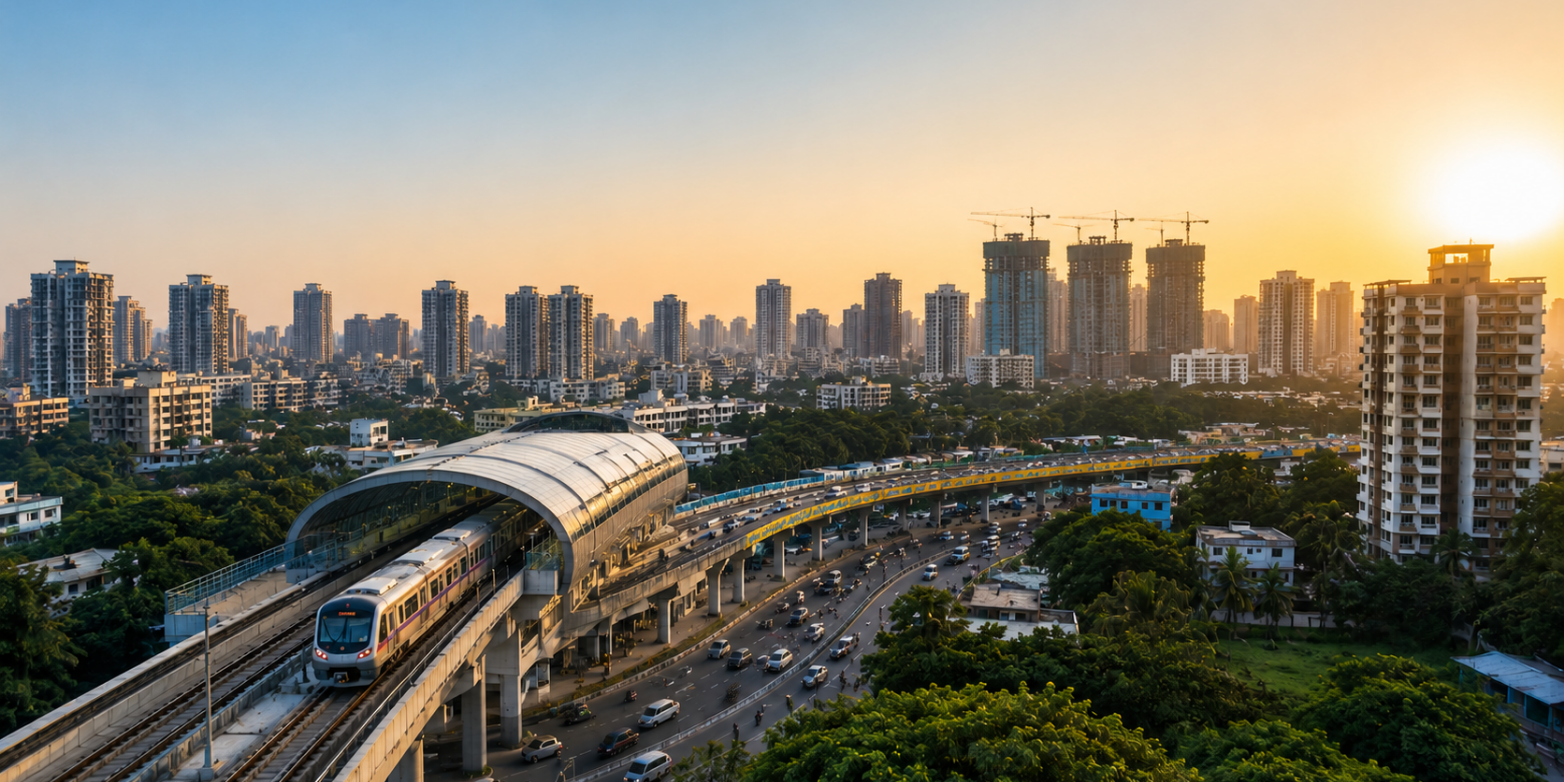
The Chembur Metro Station on Metro Line 2B is located close to Chembur railway station and the V N Purav Marg Monorail station. This is expected to provide interchange options between metro, suburban rail and monorail services.
The Monorail currently connects Chembur with Jacob Circle. The proposed Jacob Circle to Mahalaxmi travelator could provide another onward connection.
Road access has also changed following the completion of the final 1.4 km section of SCLR Phase 2, improving connectivity towards BKC and the Western Express Highway.
Other infrastructure projects cited as relevant to Chembur include Metro Line 2B, the Elevated Eastern Freeway Extension and the Goregaon Mulund Link Road. These projects are expected to affect east to west and north to south movement across parts of Mumbai.
“Infrastructure led appreciation is rarely driven by one project; it is the cumulative improvement in accessibility that reshapes a micro market. Chembur’s advantage is its established base. As transport connectivity improves alongside redevelopment and quality residential projects, the suburb has the potential to evolve from an established residential location into a strategic urban node,” a real estate industry expert said.
Alongside transport infrastructure, redevelopment and new residential construction are adding newer housing options within an established neighbourhood.
Demand indicators cited in the material also point to activity across the wider eastern suburbs. According to JLL data cited in the release, the Eastern Suburbs micro market accounted for 13.2% of Mumbai’s residential sales during Q1 2026.
At Prittle Prattle News, featuring you virtuously, we celebrate the commitment and innovation. Led by Editor-in-Chief Smruti Bhalerao, our platform is dedicated to sharing impactful stories that inspire change and create awareness. Follow us on LinkedIn, Instagram, and YouTube for more stories that matter.
About Prittle Prattle News
Prittle Prattle News is a digital news publication covering business, technology, healthcare, education, lifestyle, public affairs and other developments from India and around the world. Led by Editor-in-Chief Smruti Bhalerao, we publish timely news, industry updates and feature stories for a broad readership.


































[…] Chembur Property Prices at ₹24,654 Per Sq. Ft. as Connectivity Projects Put Focus on Growth Potent… […]