







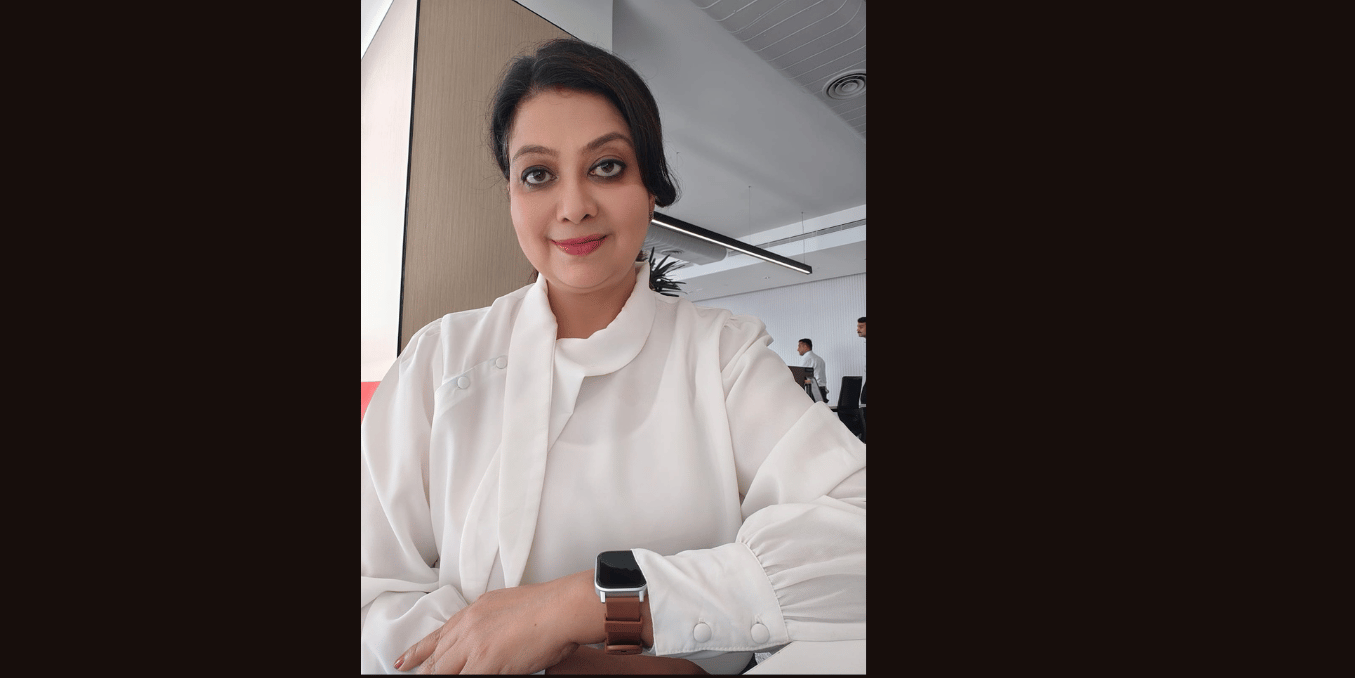
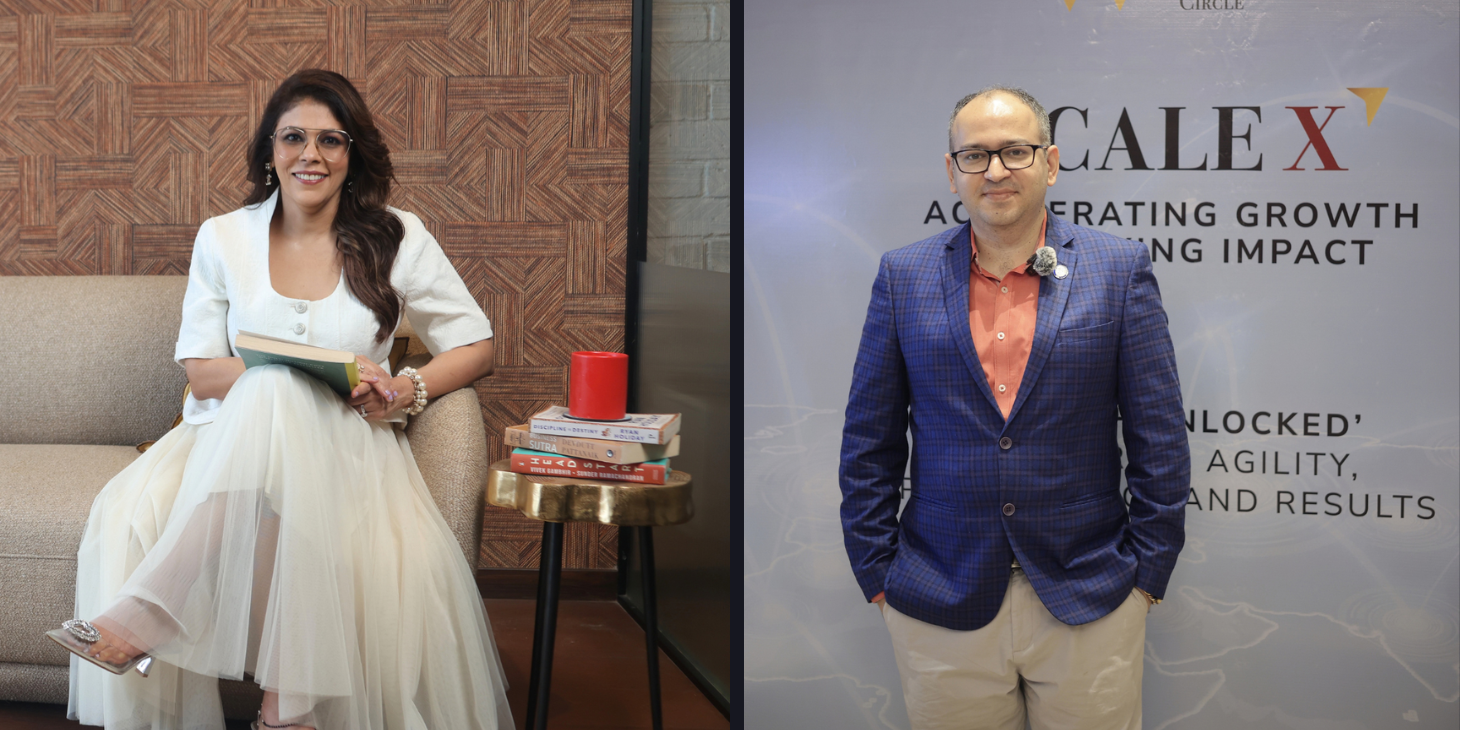
Barnali Sarkar, Founder of VaastuNext, says businesses are increasingly considering Vaastu alongside modern workplace design principles to create functional, balanced and employee focused commercial spaces.
Barnali Sarkar, Founder of VaastuNext, says businesses are increasingly viewing Vaastu as a practical approach to workplace planning that complements architecture, employee well being and operational efficiency.
National, July 2026: As organisations continue to rethink workplace design, Vaastu is gaining attention as one of several factors influencing modern business planning, according to Barnali Sarkar, Founder of VaastuNext.
In an expert perspective, Sarkar says businesses are increasingly recognising that the physical workplace plays an important role in shaping employee experience, collaboration and operational efficiency alongside strategy, technology and investment.
According to Sarkar, workplaces are more than physical structures, serving as spaces where decisions are made, teams collaborate and customers interact with organisations. She argues that thoughtful planning of work environments can contribute to improved movement, communication and productivity.
Sarkar describes Vaastu as a traditional system of spatial planning that considers factors such as direction, natural light, airflow and functional zoning. She notes that several of its principles align with contemporary workplace design practices that prioritise open layouts, natural lighting, effective ventilation and efficient use of space.
She explains that the practical application of Vaastu varies across industries. Manufacturing facilities may focus on the movement of materials and machinery placement, while corporate offices may prioritise leadership spaces, collaborative work areas and departmental planning. In retail environments, customer movement, visibility and billing counter placement become important considerations.
Sarkar also addresses the perception that Vaastu requires extensive structural changes. She says many workplace improvements can be achieved through practical adjustments such as reorganising workspaces, improving lighting, redesigning circulation areas and optimising the use of existing rooms without major renovation.
At the same time, she emphasises that workplace planning cannot replace sound business fundamentals. According to Sarkar, no spatial arrangement can compensate for weak leadership, poor financial planning or ineffective customer service. Instead, she believes a well designed workplace can support better day to day operations by reducing unnecessary operational challenges.
As businesses increasingly invest in employee well being, sustainability and flexible workplace design, Sarkar suggests that Vaastu can complement these initiatives by encouraging more balanced and functional work environments.
She concludes that future business planning will depend on integrating traditional spatial planning concepts with modern workplace design, creating environments that support productivity, comfort and long term organisational growth.
At Prittle Prattle News, featuring you virtuously, we celebrate the commitment and innovation. Led by Editor-in-Chief Smruti Bhalerao, our platform is dedicated to sharing impactful stories that inspire change and create awareness. Follow us on LinkedIn, Instagram, and YouTube for more stories that matter.
About Prittle Prattle News
Prittle Prattle News is a digital news publication covering business, technology, healthcare, education, lifestyle, public affairs and other developments from India and around the world. Led by Editor-in-Chief Smruti Bhalerao, we publish timely news, industry updates and feature stories for a broad readership.





















강남출장안마
Your remark is professionally aligned and thoughtfully concise.
This is really interesting, You’re a very skilled blogger. I’ve joined your feed and look forward to seeking more of your magnificent post. Also, I’ve shared your site in my social networks!
[…] Vaastu Is Emerging as a Consideration in Modern Business Planning […]
[…] Vaastu Is Emerging as a Consideration in Modern Business Planning […]