





Worli Naka is attracting attention as a commercial real estate location following improvements in Mumbai's transport network. With Metro Line 3, the Coastal Road and a proposed elevated connection towards Atal Setu, the area could offer businesses access to a wider workforce and improved regional connectivity.
Mr Vedanshu Kedia, Director, Prescon Group, identifies Metro Line 3, the Mumbai Coastal Road and the proposed Sewri to Worli Elevated Connector as major factors influencing office location decisions, while a senior real estate analyst points to potential changes in commercial demand.
Worli Naka’s Infrastructure Links Could Reshape Mumbai’s Commercial Property Market
Mumbai’s commercial real estate market has long been influenced by the relationship between office locations and commuting conditions.
For businesses operating in South Central Mumbai, road congestion and unpredictable travel times have often complicated decisions about where to establish offices.
Worli has traditionally been associated with premium residential properties and established commercial activity, but access to the area has remained an important consideration for employers and their staff.
Recent transport developments are changing how the location is being assessed.
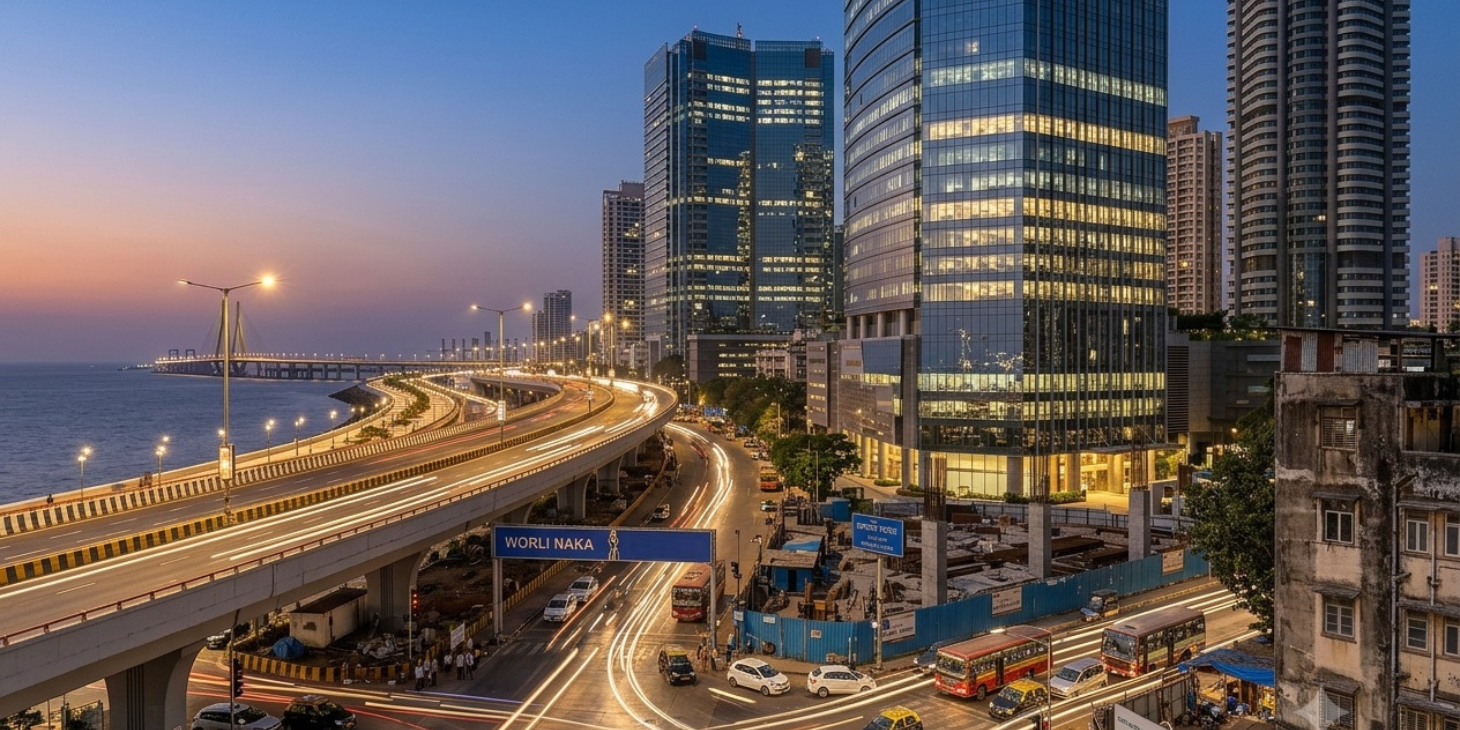
The convergence of Metro Line 3, the Mumbai Coastal Road and the proposed Sewri to Worli Elevated Connector is creating the possibility of improved connections between Worli Naka and several important business and residential districts.
For developers, corporate occupiers and institutional investors, these projects could influence the long term prospects of Grade A commercial properties in the surrounding area.
Three Infrastructure Projects Influencing Worli Naka
The infrastructure developments discussed in this assessment are concentrated within approximately two kilometres of Worli Naka.
Mumbai Metro Line 3 provides an underground public transport connection linking South Mumbai, Worli, the Bandra Kurla Complex, the airport area and Aarey.
The route offers an alternative to road travel for commuters moving between major residential and employment centres.
The Mumbai Coastal Road adds another transport option, connecting Worli with Marine Drive and linking into the wider road network through the Bandra Worli Sea Link.
This improves the range of routes available for journeys between South Mumbai and the western suburbs.
The third project, the Sewri to Worli Elevated Connector, is expected to open in early 2027 according to the supplied assessment.
Once operational, it is intended to connect Worli with Sewri and provide access towards Atal Setu, improving road links with Navi Mumbai.
The project’s completion schedule remains a forward looking expectation.
Taken together, these developments could reduce dependence on a limited number of congested road corridors.
Prescon Group Director Sees Long Term Change
Mr Vedanshu Kedia, Director, Prescon Group, believes that major improvements in accessibility can change how businesses and investors value a commercial location.
He said, “Real estate undergoes a complete re-rating whenever fundamental access changes.”
Referring to the infrastructure projects around Worli Naka, he added, “The access at Worli Naka has changed more in two years than in the previous twenty, with the Metro, the Coastal Road, and the Sewri–Worli connector all converging at this location.”
Kedia also highlighted the importance of long term office planning.
“The firms making office decisions today are choosing for the next decade, and the Mumbai of the next decade is unequivocally organized around this junction,” he said.
His assessment reflects the view that connectivity improvements can influence decisions extending beyond immediate rental costs or property specifications.
A Wider Commuter Catchment for Employers
One potential advantage of the changing transport network is the ability of businesses to recruit employees from a broader geographical area.
Offices around Worli Naka may become more accessible to professionals travelling from South Mumbai, the western suburbs and areas connected by Metro Line 3.
The proposed elevated connector could also improve road access from Navi Mumbai once completed.
For employers, the availability of multiple commuting options may become an important consideration when evaluating office locations.
Public transport access can be particularly relevant to organisations with large workforces, while road connectivity remains important for business travel, client visits and operational requirements.
Airport connectivity is another factor in office location decisions, particularly for companies whose executives and clients travel frequently.
However, the actual commuting benefits will depend on factors including station access, transfers, road conditions and the completion and performance of individual infrastructure projects.
Potential Implications for Grade A Offices
Grade A commercial buildings are generally evaluated on factors such as location, building specifications, amenities, management and accessibility.
Improved transport connections can add to the appeal of such properties by making them more convenient for employees and visitors.
The changes around Worli Naka may therefore influence demand from businesses considering offices in South Central Mumbai.
A senior real estate analyst cited in the supplied commentary said, “The Grade A commercial demand consistently moves toward nodes that eliminate friction in workforce mobility.”
The analyst also observed, “Consequently, Worli is rapidly evolving from a luxury residential belt into a core central business node, positioning institutional-grade commercial assets in the micro-market for sustained capital appreciation and premium rental yields as corporates plan their long-term footprint.”
These comments describe an expectation for the market rather than confirmed future financial outcomes.
Rental growth and capital appreciation will also depend on office supply, occupancy, tenant demand, property quality and wider economic conditions.
Connectivity as a Factor in Long Term Planning
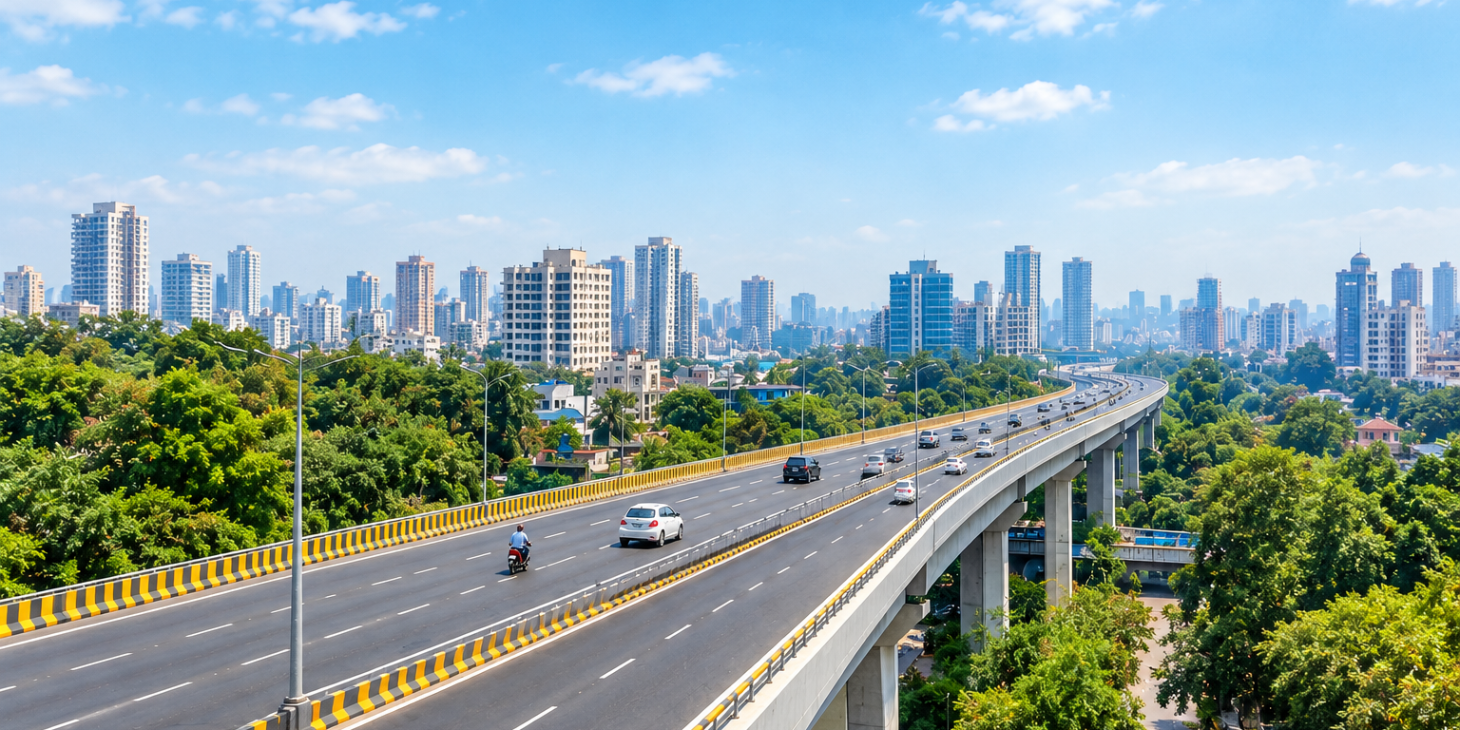
Mumbai’s transport improvements are creating additional connections between established business districts and residential areas.
For Worli Naka, the significance lies in the combination of public transport and major road infrastructure within a relatively concentrated area.
This may provide businesses with more flexibility when planning office locations and employee travel arrangements.
It could also influence how developers assess future commercial projects and how institutional investors compare locations across Mumbai.
The proposed Sewri to Worli connection remains an important element of this outlook because its anticipated benefits depend on completion and operational access.
Worli Naka’s Commercial Property Outlook
Worli Naka is positioned to benefit from changes in Mumbai’s transport network, particularly where improved accessibility supports demand for well located office properties.
Metro Line 3 and the Coastal Road provide important connections, while the planned elevated connector could extend the area’s reach towards Navi Mumbai.
For businesses, the principal consideration is whether these transport options make daily operations and employee commuting more practical.
For property investors, the question is how accessibility improvements translate into sustained tenant demand, occupancy and rental performance.
The convergence of these infrastructure projects gives Worli Naka a stronger basis for consideration as a Grade A commercial location.
Its long term performance, however, will depend on actual commuting improvements, infrastructure delivery and broader conditions in Mumbai’s office property market.
At Prittle Prattle News, featuring you virtuously, we celebrate the commitment and innovation. Led by Editor-in-Chief Smruti Bhalerao, our platform is dedicated to sharing impactful stories that inspire change and create awareness. Follow us on LinkedIn, Instagram, and YouTube for more stories that matter.
About Prittle Prattle News
Prittle Prattle News is a digital news publication covering business, technology, healthcare, education, lifestyle, public affairs and other developments from India and around the world. Led by Editor-in-Chief Smruti Bhalerao, we publish timely news, industry updates and feature stories for a broad readership.





















Add Comment