
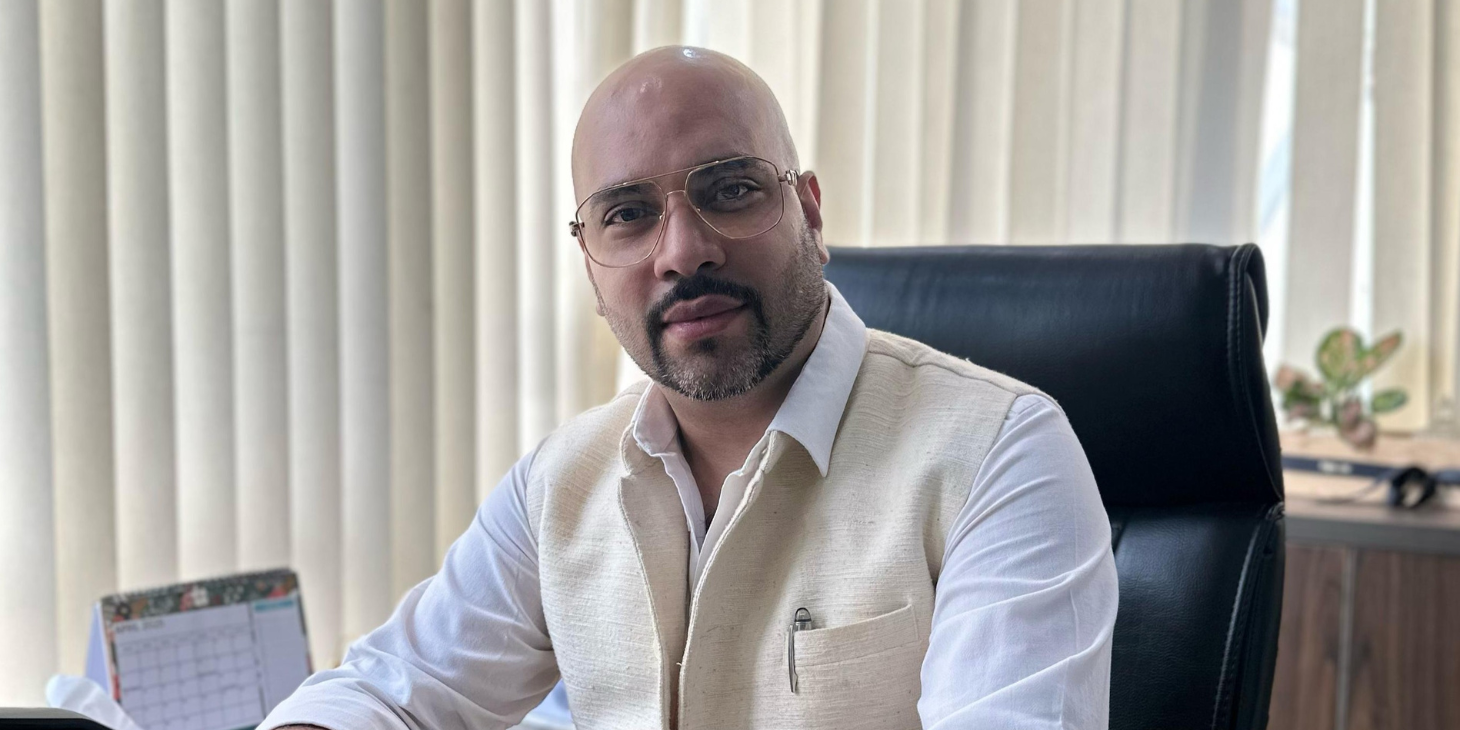

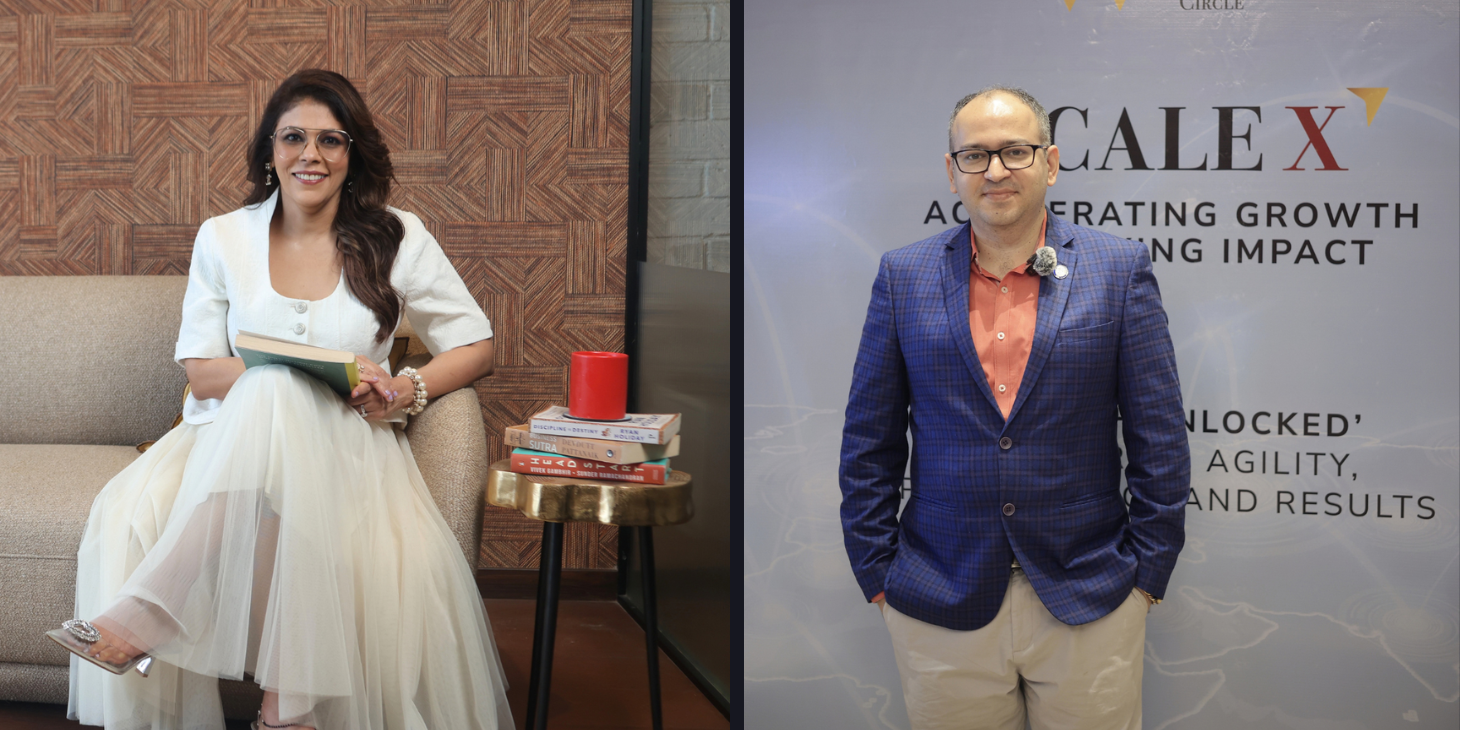
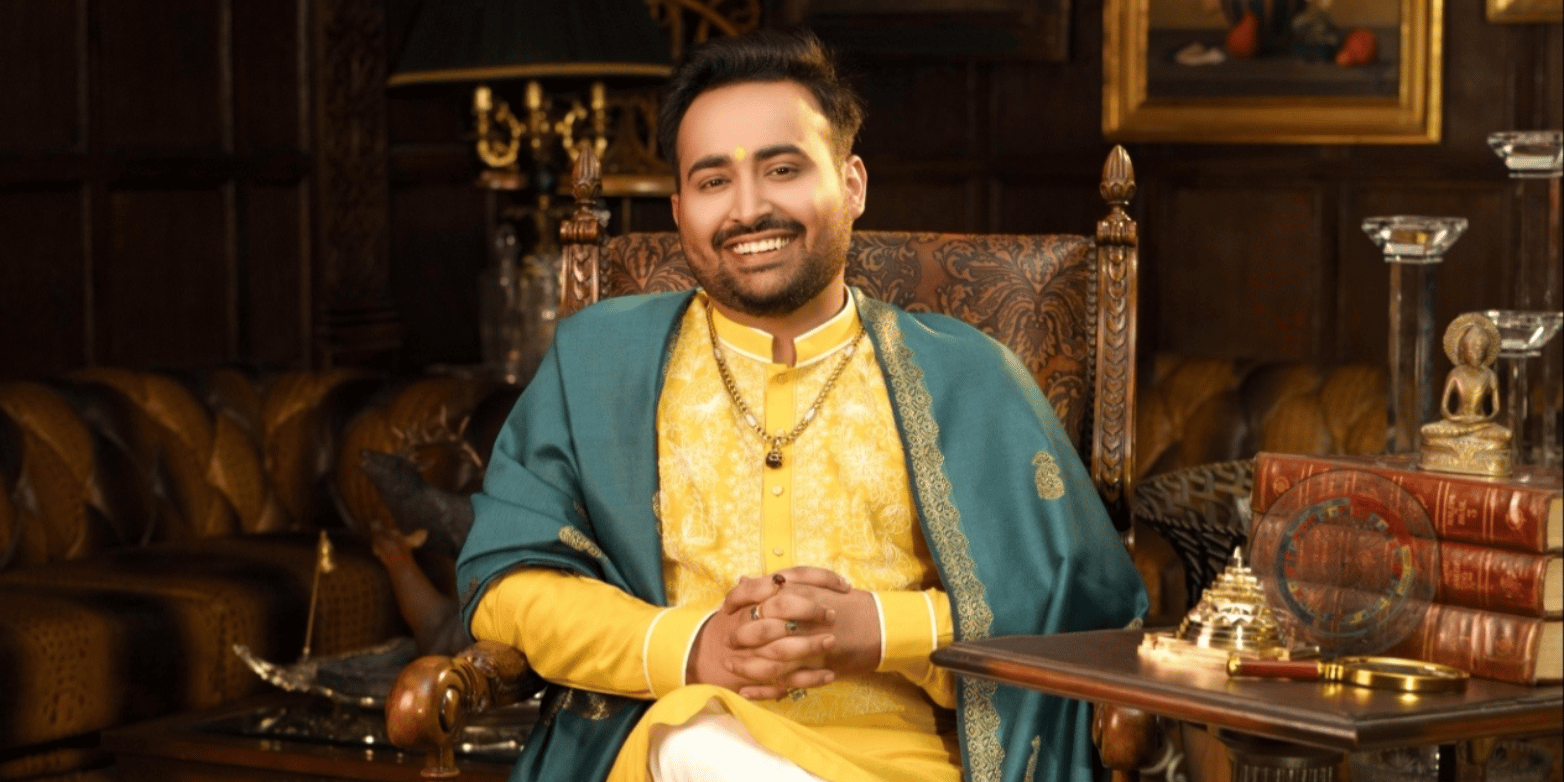
Siddharth Sharma, Founder and Chairman, Kaarigar, The Indian Artisan, examines how craftsmanship, provenance, individuality and changing ideas of luxury are bringing artisan made products into contemporary Indian wardrobes and homes
By Siddharth Sharma, Founder and Chairman, Kaarigar, The Indian Artisan
Handmade products once drew much of their value from their association with tradition. Today, they are also becoming expressions of personal taste, individuality and an appreciation of how an object was created.
Indian consumers are increasingly exposed to global design influences, rapidly changing trends and standardised products. Within this environment, finding objects with an individual character can become more meaningful.
Handwoven textiles, handcrafted furniture and artisan made objects carry qualities that standardised production may not reproduce in exactly the same way. Their textures, colours, finishes and forms can reflect the human involvement behind their creation.
This is also influencing how Indian craftsmanship fits into contemporary lifestyles. Interest can extend beyond appearance to questions about materials, production techniques, makers and the qualities that distinguish one handcrafted object from another.
My experience with Kaarigar, The Indian Artisan, has allowed me to observe this transition closely. Founded in 2020 under Scatter Shade Crafts Pvt. Ltd. to support artisans during the pandemic, Kaarigar now works with more than 2,500 artisans across India, including National and State Award winning artisans.
India has a vast craft heritage, but keeping traditional skills relevant also requires room for them to adapt to contemporary lifestyles.
This can be seen in handwoven fabrics interpreted through modern silhouettes, traditional techniques applied to furniture and home décor, and handcrafted objects finding a place in contemporary interiors.
For younger consumers, engaging with traditional craftsmanship does not necessarily require replicating the past. A handcrafted piece can retain the knowledge behind its making while taking a form suited to a contemporary wardrobe or living space.
Individuality is another quality influencing the appeal of handmade products. Variations in texture, colour, finish and form occur naturally through the making process. Rather than being treated simply as imperfections, such differences can contribute to the identity of an object.
This also connects with changing perceptions of luxury. Brand and price remain part of how luxury is understood, but craftsmanship, provenance, materials and the time involved in production can also influence how value is perceived.
Handmade objects can therefore offer exclusivity through individual characteristics rather than through complete uniformity.
Interest in craft also sits alongside more considered purchasing habits. Questions about materials, durability, production methods and the people involved in making a product can affect how consumers evaluate what they buy.
With handcrafted products, the process and finished object are closely connected. A handwoven textile reflects both its material and the knowledge required to produce it. Similarly, a handcrafted object carries the skill and time invested by its maker.
Understanding these processes can give an object meaning beyond its immediate appearance or function.
The artisan remains central to this relationship. Craft expertise can represent knowledge developed and transferred across generations, but artisans also need to be recognised as skilled creative professionals whose abilities can contribute to contemporary design.
A sustainable future for Indian craftsmanship requires continued demand, markets for traditional skills and opportunities for craft practices to evolve while retaining the integrity of their making.
Preserving a craft does not necessarily require keeping every aspect unchanged. Its continuity can also depend on creating opportunities for traditional skills to reach different audiences and find new applications.
These changes are connected with a wider evolution in personal taste. Style can increasingly be expressed through combinations of objects, clothing and interiors that reflect individual preferences rather than a single prevailing trend.
Handmade products have a natural place within this approach because craftsmanship and connections to particular techniques and places can make each choice feel more personal.
The future of Indian craftsmanship does not need to be framed as a choice between tradition and modernity. Both can exist together.
When handcrafted products are appreciated not only for their connection with the past but also for their place in contemporary life, Indian craft can continue to contribute to evolving ideas around design, quality and personal taste.
At Prittle Prattle News, featuring you virtuously, we celebrate the commitment and innovation. Led by Editor-in-Chief Smruti Bhalerao, our platform is dedicated to sharing impactful stories that inspire change and create awareness. Follow us on LinkedIn, Instagram, and YouTube for more stories that matter.
About Prittle Prattle News
Prittle Prattle News is a digital news publication covering business, technology, healthcare, education, lifestyle, public affairs and other developments from India and around the world. Led by Editor-in-Chief Smruti Bhalerao, we publish timely news, industry updates and feature stories for a broad readership.












Add Comment