







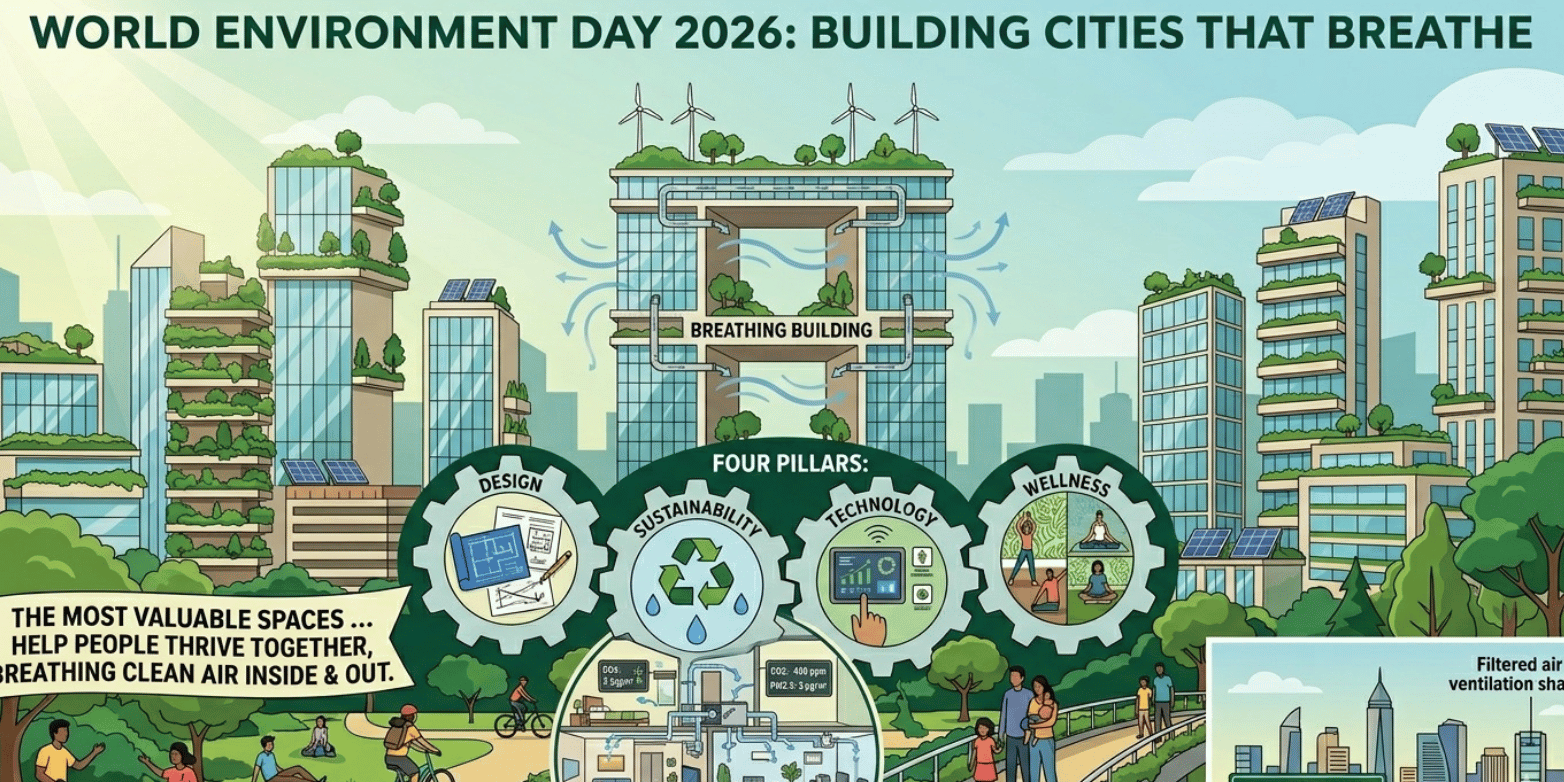
Shilpin Tater, Founder and Managing Director, Superb Realty, says future buildings must place design, sustainability, technology and wellness at the centre of urban growth.
Every World Environment Day brings attention to the choices that shape the future of cities, communities and the planet.
As urban centres continue to grow, the challenge is no longer only about expansion. It is about how cities can grow while reducing pressure on natural resources, improving air quality and creating healthier spaces for people.
For the real estate sector, this question has become urgent. The way buildings are planned, designed and constructed directly influences environmental outcomes. Developers have a responsibility to ensure that growth does not come at the cost of long term urban health.
Shilpin Tater, Founder and Managing Director, Superb Realty, believes that development and sustainability must work together. According to him, the built environment should become part of the response to climate and urban challenges.
Air quality is one of the biggest concerns for cities such as Mumbai. What was once treated as a seasonal issue has now become a year round health and productivity challenge. Buildings, therefore, need to be designed not only for function and appearance, but also for healthier indoor and outdoor environments.
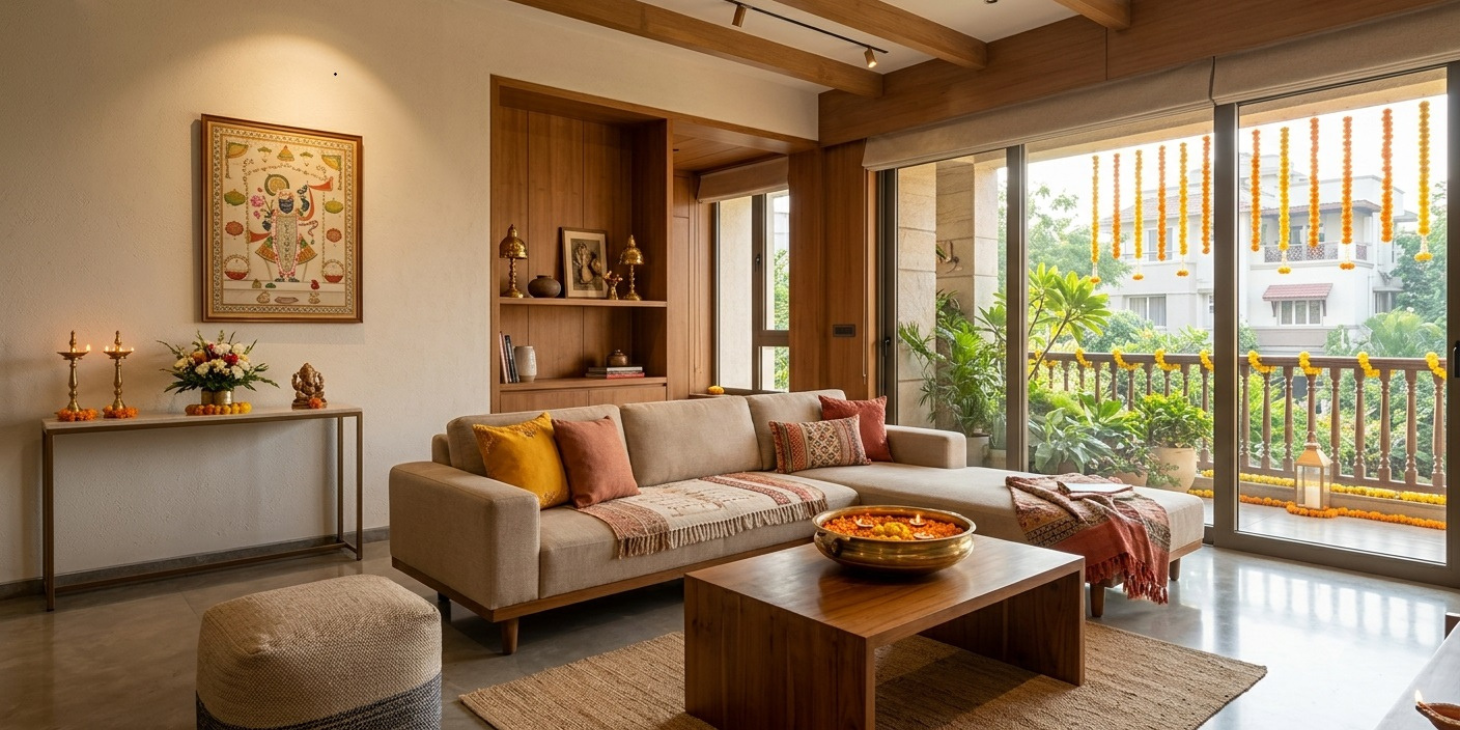
Modern workplaces and residential spaces are increasingly being viewed as environments that affect physical wellbeing, mental health, collaboration and quality of life. This places greater importance on architecture that supports natural light, airflow, green spaces and human comfort.
Tater’s approach is centred on four connected areas: design, sustainability, technology and wellness. He believes future buildings will need to combine these elements from the beginning rather than adding sustainability features later.
Thoughtful design can improve urban life through daylight, open areas, landscaped zones, terrace spaces and biophilic elements. These features are not decorative additions, but important parts of healthier city planning.
Technology also has a growing role in building performance. Intelligent building systems can monitor energy use, indoor conditions and operational efficiency in real time. Air quality systems and digital monitoring can help buildings respond better to environmental conditions.
Sustainability also includes rainwater harvesting, wastewater recycling, renewable energy use, efficient construction practices, construction waste recycling and efficient lighting systems. These practices are becoming essential responsibilities for the real estate sector.
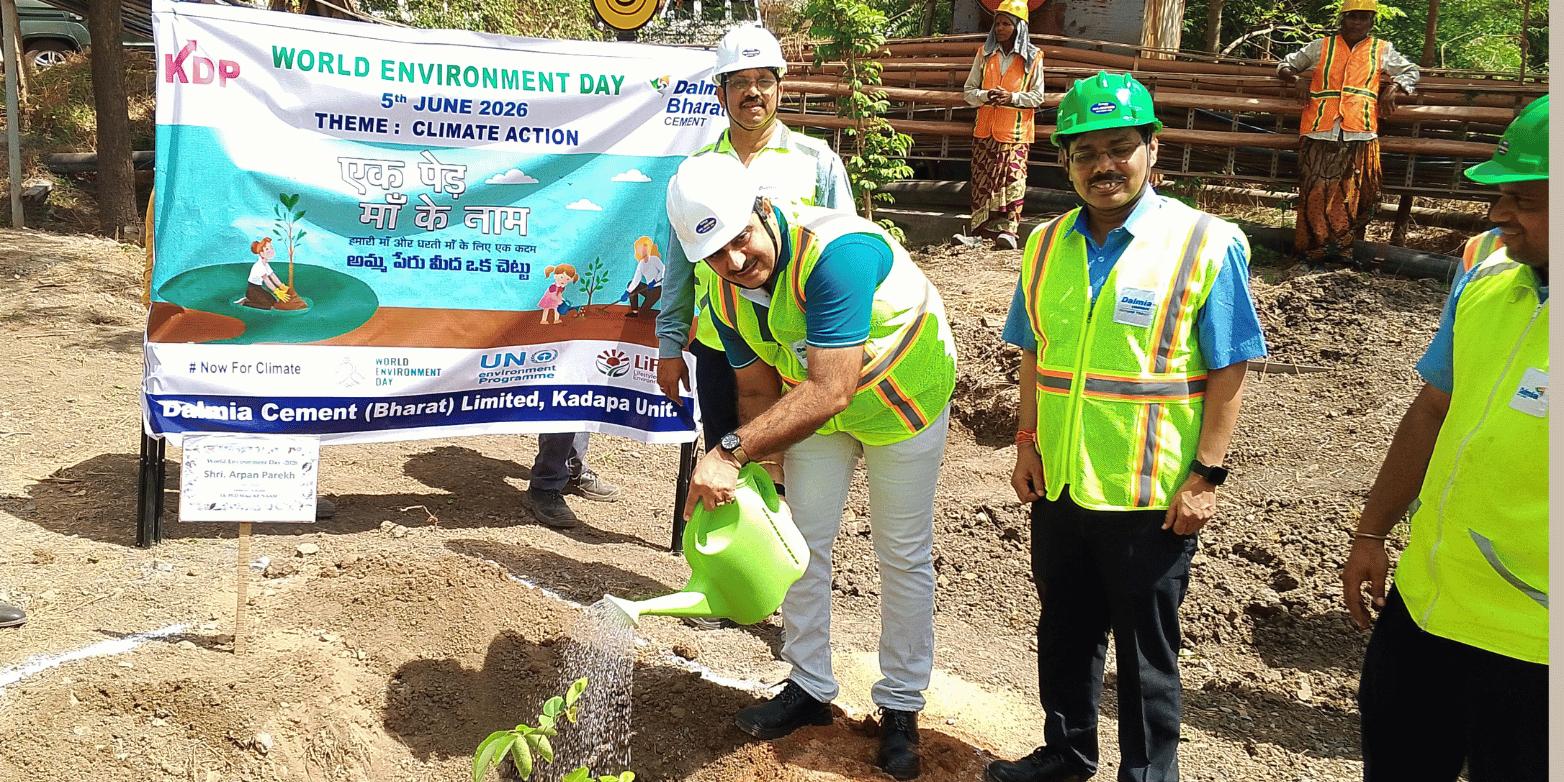
On World Environment Day 2026, the message is clear: the success of cities should not be measured only by square footage or financial value. It should also be judged by quality of life, reduced environmental impact and the legacy left for future generations.
The cities of tomorrow will need to be intelligent, resilient and sustainable, with spaces where people and the planet can thrive together
At Prittle Prattle News, featuring you virtuously, we celebrate the commitment and innovation. Led by Editor-in-Chief Smruti Bhalerao, our platform is dedicated to sharing impactful stories that inspire change and create awareness. Follow us on LinkedIn, Instagram, and YouTube for more stories that matter.
About Prittle Prattle News
Prittle Prattle News is a digital news publication covering business, technology, healthcare, education, lifestyle, public affairs and other developments from India and around the world. Led by Editor-in-Chief Smruti Bhalerao, we publish timely news, industry updates and feature stories for a broad readership.
























Add Comment