



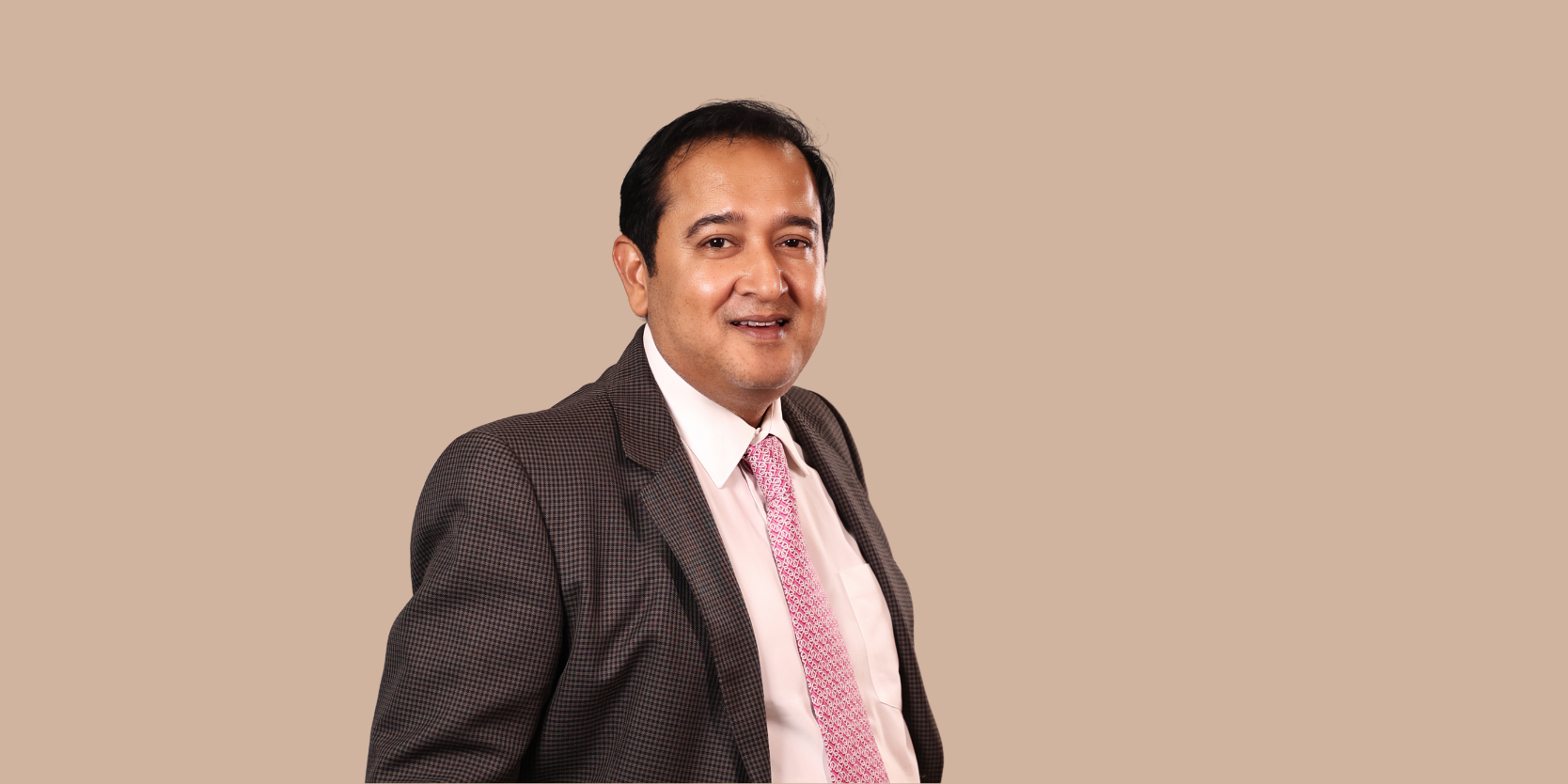

Puja Garg, National President of FICCI Ladies Organisation, said the three month initiative will encourage waste segregation, recycling and safe disposal of unused medicines.
FICCI Ladies Organisation has launched a nationwide Waste to Wealth Drive aimed at promoting waste segregation, recycling and responsible disposal across its chapters in India.
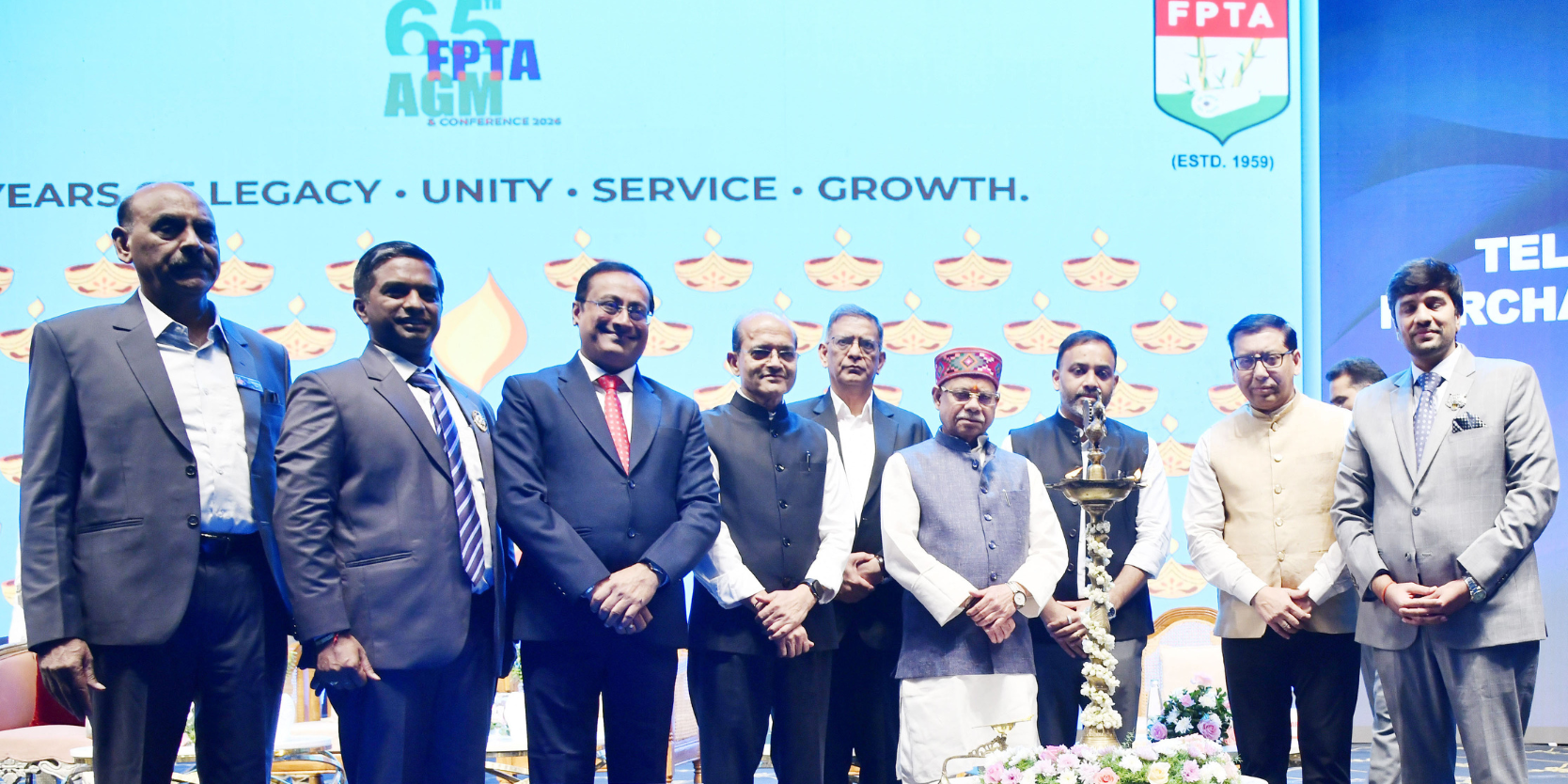
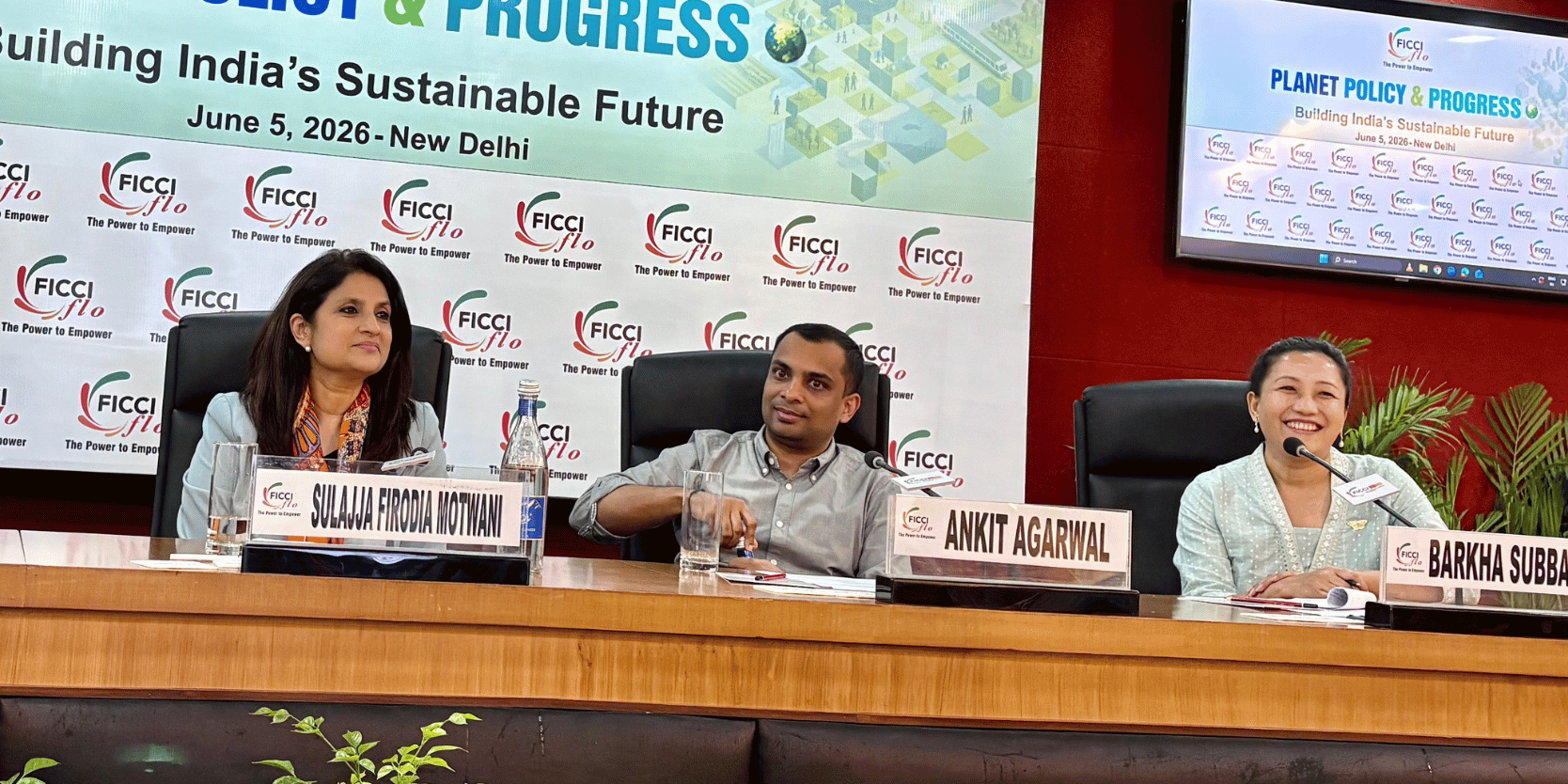
The three month sustainability initiative was announced during a panel discussion on Planet, Policy & Progress: Building India’s Sustainable Future, organised on World Environment Day.
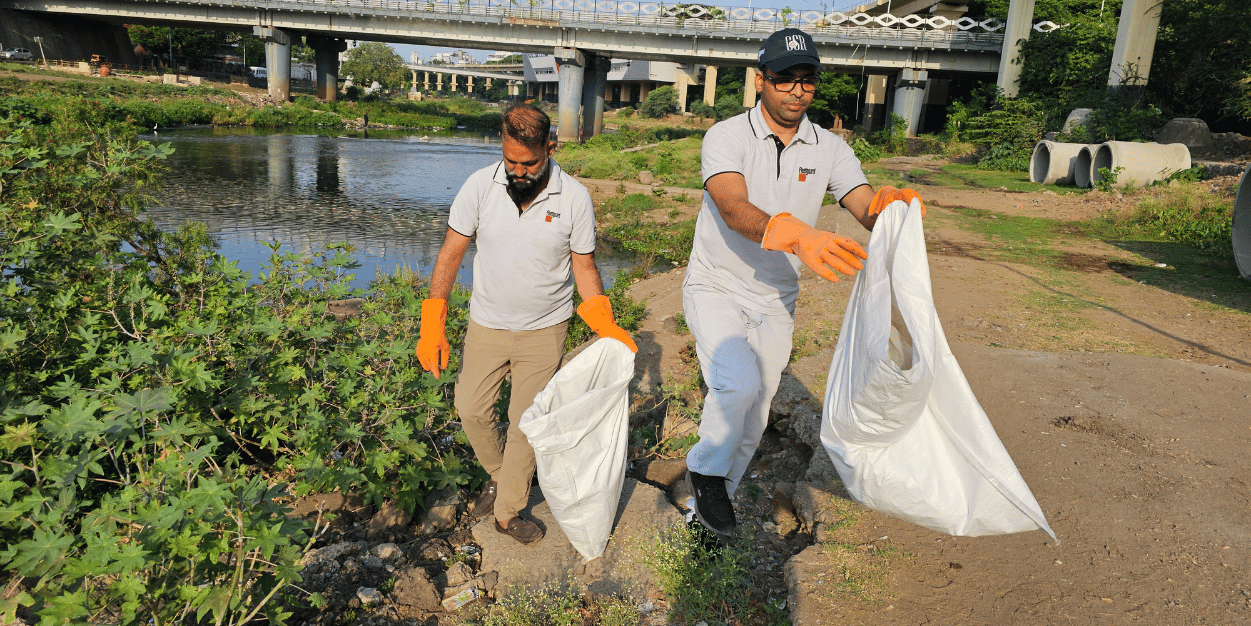
As part of the initiative, FLO members will collect recyclable materials such as paper, plastic, textiles and e-waste, which will be sent to authorised recyclers. The programme also includes a Discarded Medicine Collection and Safe Disposal Drive in partnership with Inviginas, led by Vedika Mittal Kumar.
Puja Garg, National President, FICCI Ladies Organisation, said, “The FLO National Waste to Wealth Drive, a three-month sustainability initiative that will be implemented across FLO chapters nationwide. The objective is to encourage waste segregation, promote recycling, reduce landfill waste, and help members understand the true value of a circular economy.”
She said improper disposal of expired and unused medicines can contaminate soil and water systems, making safe disposal an environmental responsibility.
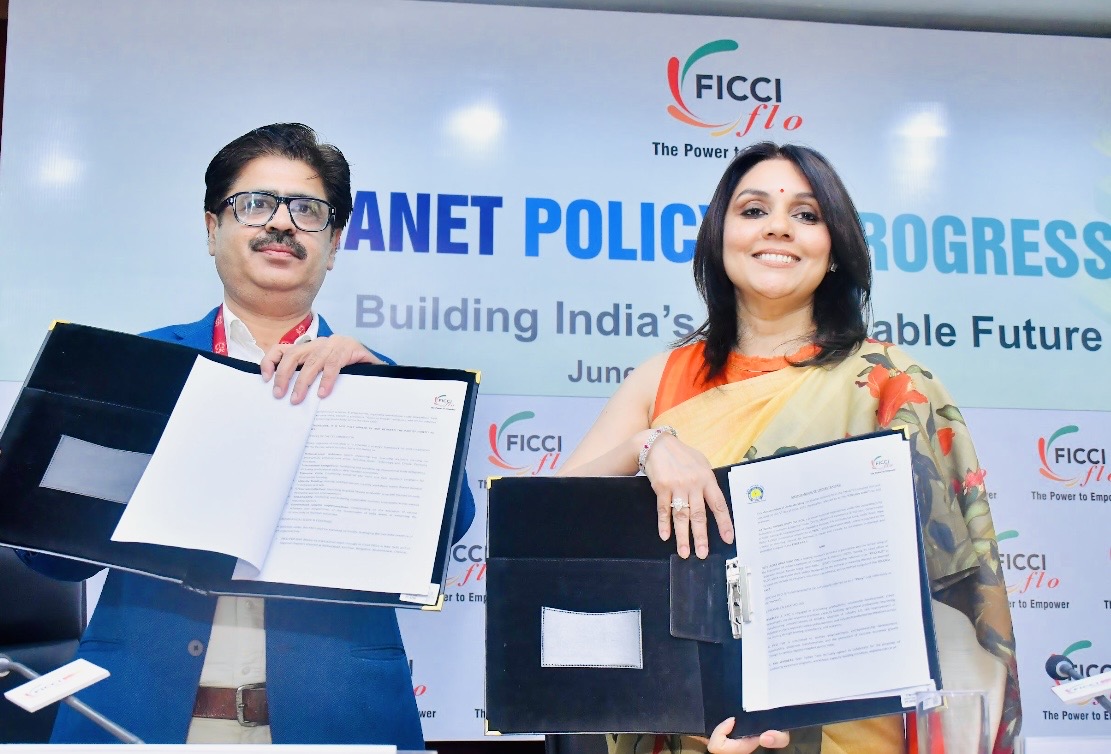
FLO also signed a Memorandum of Understanding with the National Productivity Council to promote capacity building, green technologies and circular economy practices.
The event was led by Vibha Jain, Initiative Lead, FLO GreenTech and Circular Economy National Initiative, along with Namrata Mishra, Initiative Co-Lead.
The panel featured Sulajja Firodia Motwani, Founder and CEO, Kinetic Green Energy and Power Solutions Limited; Ankit Agarwal, Founder, Phool.co; and Barkha Subba, Conservation Scientist and Whitley Award Winner 2026.
Speaking at the event, Sulajja Firodia Motwani said electric vehicles are gaining acceptance in India, especially for urban commuting, but should currently be seen as an alternative rather than a complete replacement for internal combustion engine vehicles.
She said most two-wheeler and three-wheeler EV users charge their vehicles overnight at home, with a range of 100 to 150 kilometres generally meeting daily urban travel needs.
Motwani also said India is facing a situation where EV adoption and charging networks need to grow together. She noted that private sector participation in charging infrastructure is increasing and is expected to improve access and efficiency over time.
At Prittle Prattle News, featuring you virtuously, we celebrate the commitment and innovation. Led by Editor-in-Chief Smruti Bhalerao, our platform is dedicated to sharing impactful stories that inspire change and create awareness. Follow us on LinkedIn, Instagram, and YouTube for more stories that matter.
About Prittle Prattle News
Prittle Prattle News is a digital news publication covering business, technology, healthcare, education, lifestyle, public affairs and other developments from India and around the world. Led by Editor-in-Chief Smruti Bhalerao, we publish timely news, industry updates and feature stories for a broad readership.



References:
Stake Casino Login prod-dbpedia.inria.fr
References:
Z Casino Black Hawk Erfahrungen hdmekani.com
References:
Monte Casino Bewertung https://vuit.ru/bitrix/rk.php?goto=https://raovatonline.org/author/galegooge34/