




VS Hospitals has introduced Transcranial Magnetic Stimulation, a non-invasive therapy used internationally for neurological and psychiatric care.
A hospital in Chennai has begun the clinical use of Transcranial Magnetic Stimulation for the treatment of selected neurological and psychiatric conditions. VS Hospitals has added the non-invasive brain stimulation therapy to its neurology and pain management services, expanding treatment options for patients with conditions that have shown limited response to conventional care.
Transcranial Magnetic Stimulation, commonly referred to as TMS, is a technique that uses focused magnetic pulses to stimulate specific regions of the brain. The therapy does not involve surgery, injections, anaesthesia, or radiation. Instead, a magnetic coil is positioned over the scalp to deliver controlled pulses at an intensity calibrated individually for each patient. The procedure is conducted on an outpatient basis.
According to clinicians at VS Hospitals, the therapy is being applied in cases of post-stroke motor weakness and speech impairment, chronic neuropathic pain, migraine and headache disorders, Parkinson’s disease, and certain forms of dementia. It is also being used in psychiatric care for conditions such as major depressive disorder, obsessive-compulsive disorder, and anxiety, where standard medication-based treatment has produced limited results.
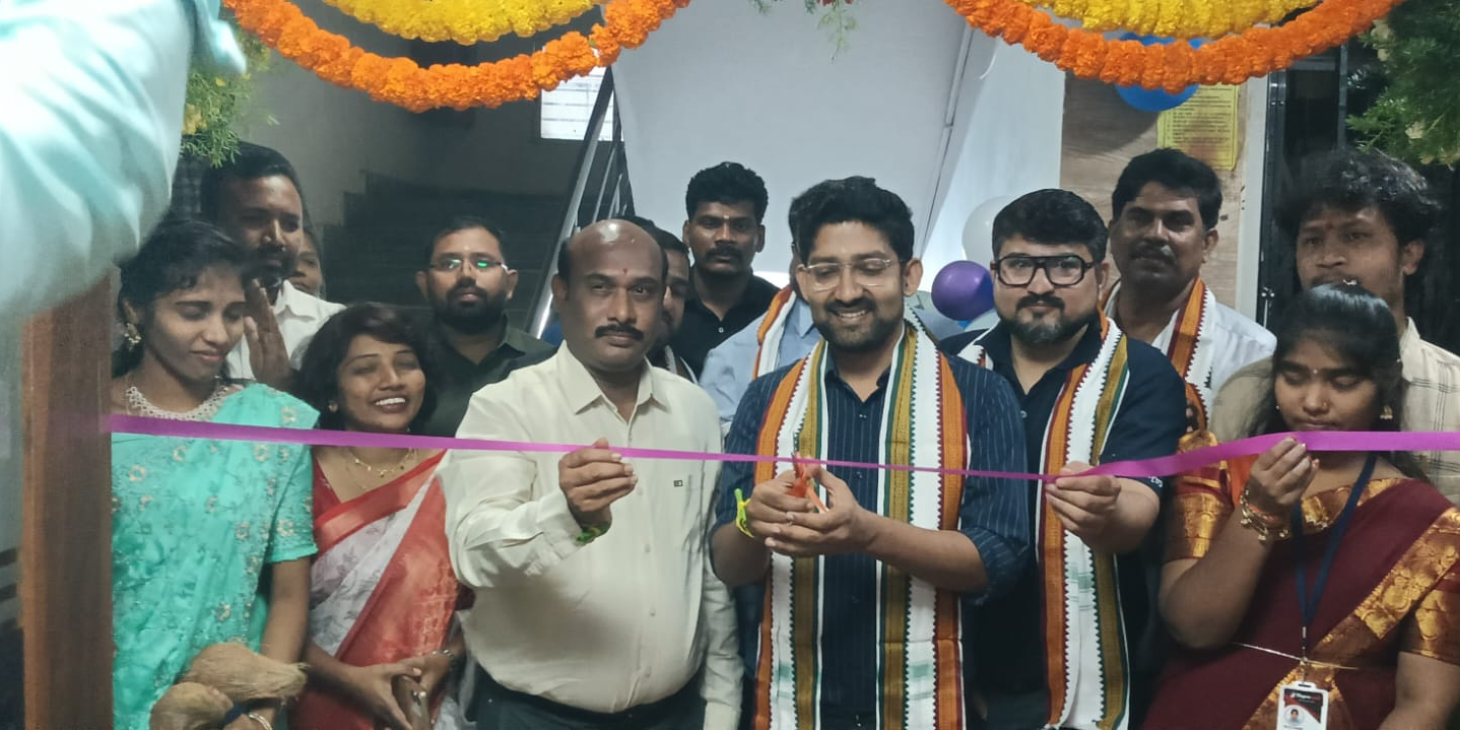
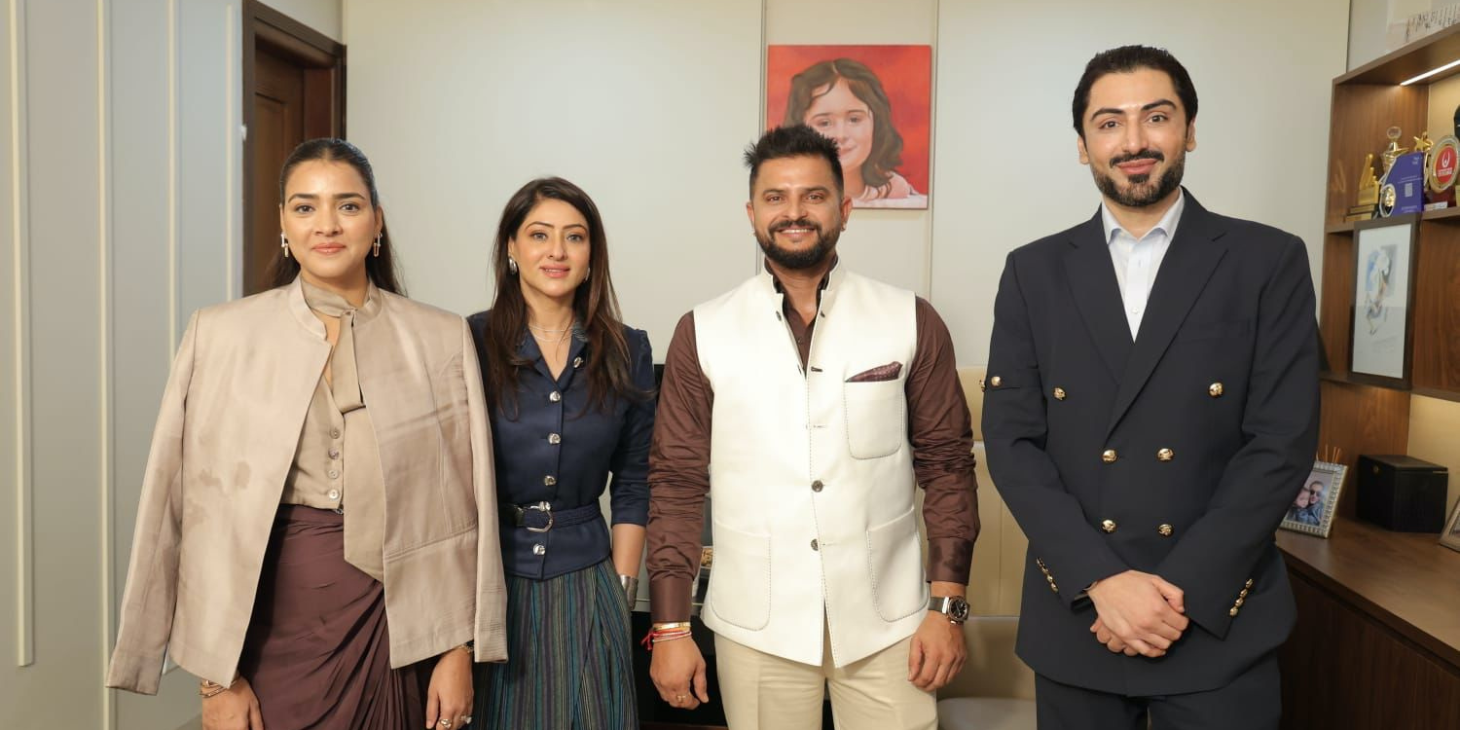
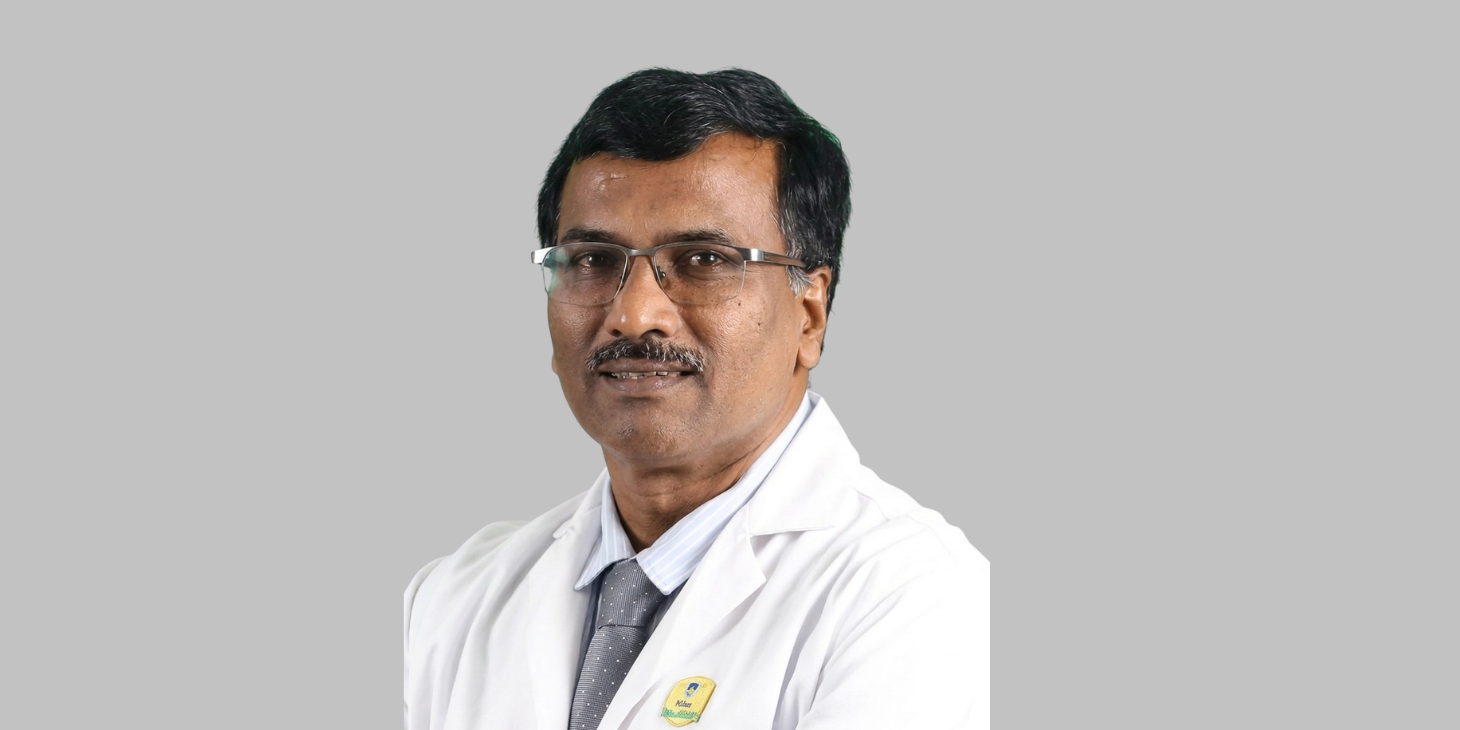
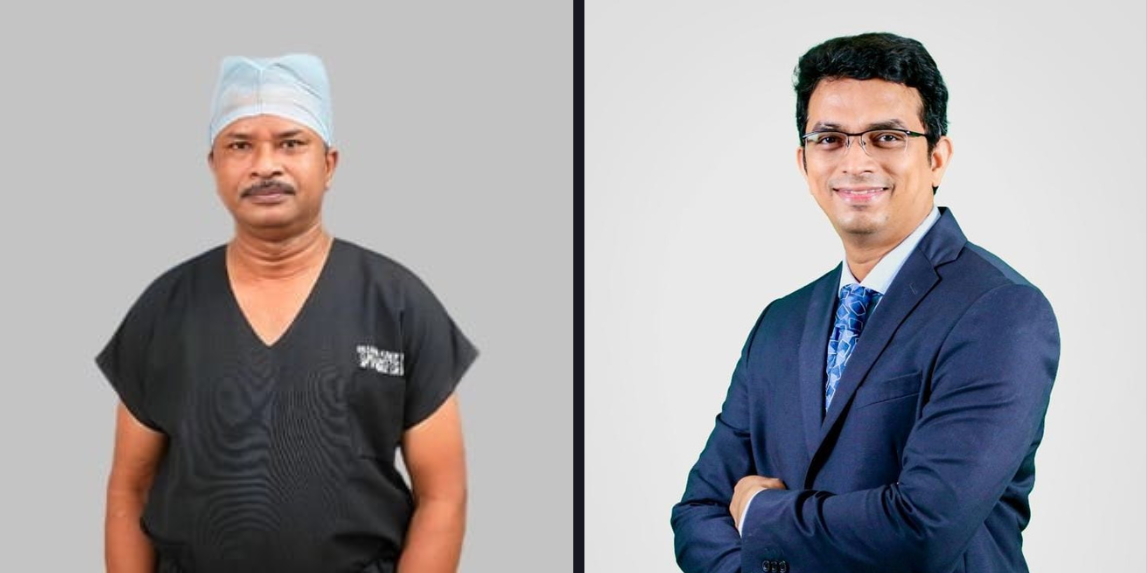
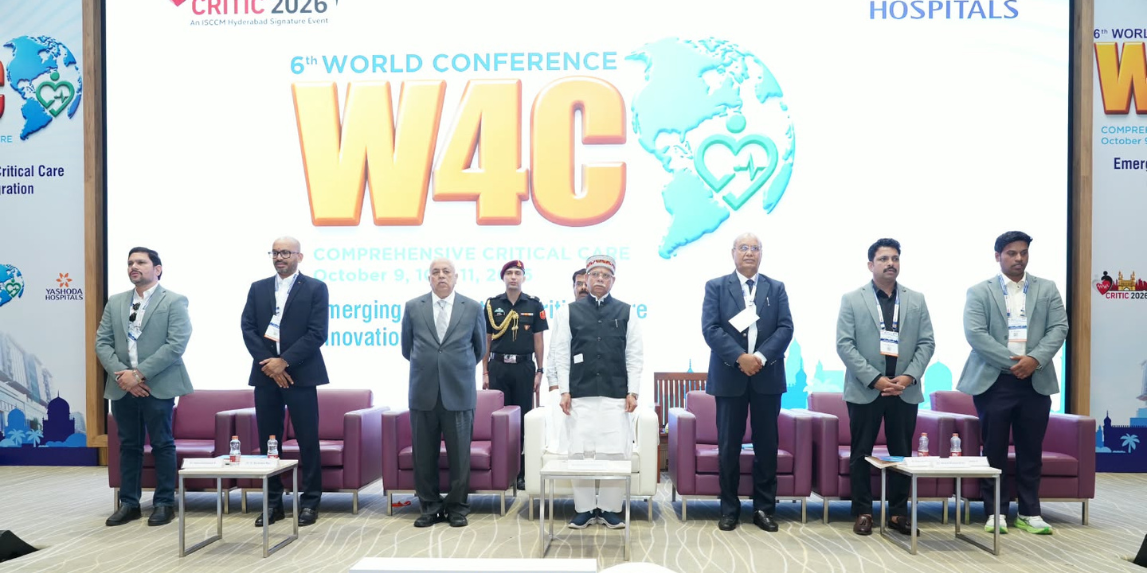
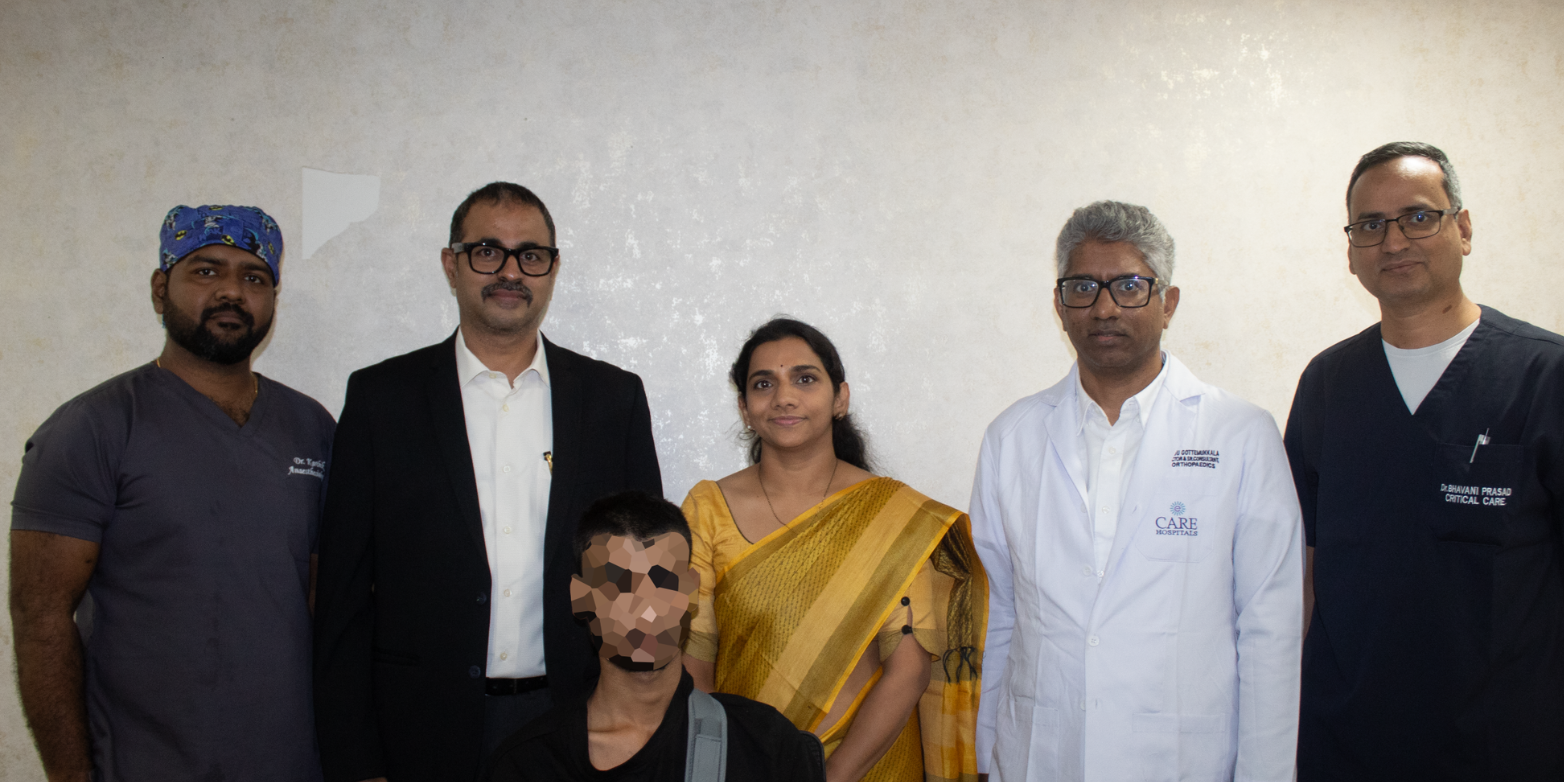
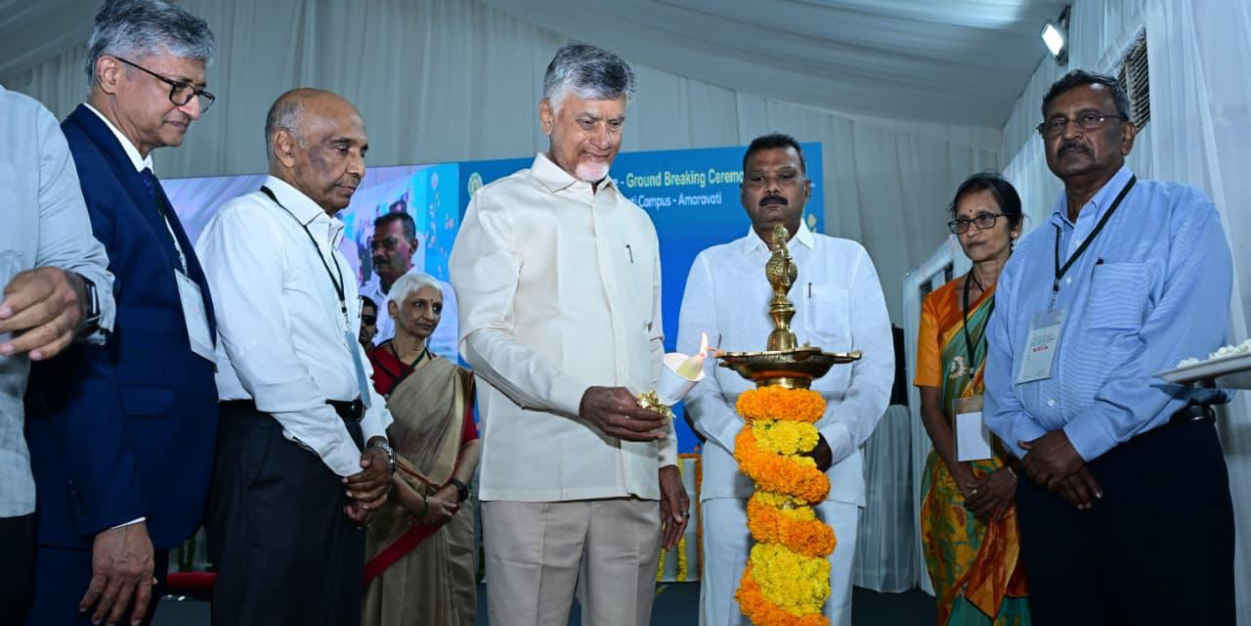
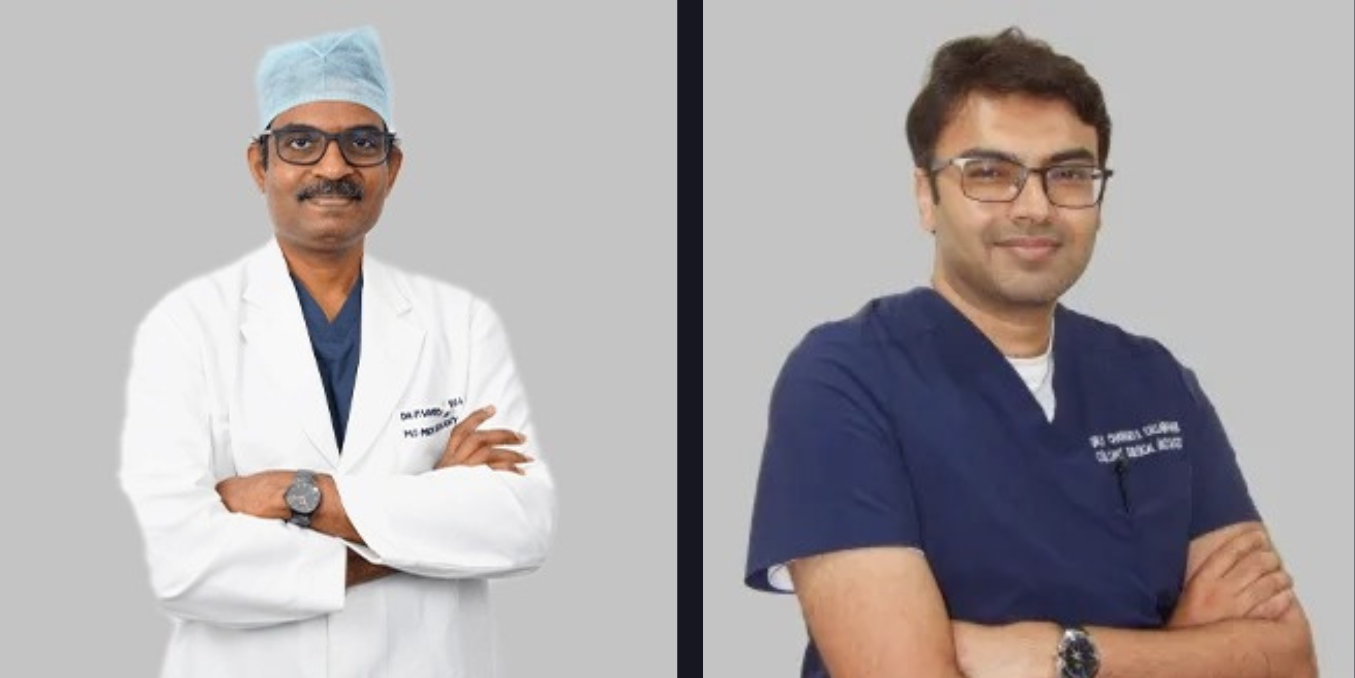
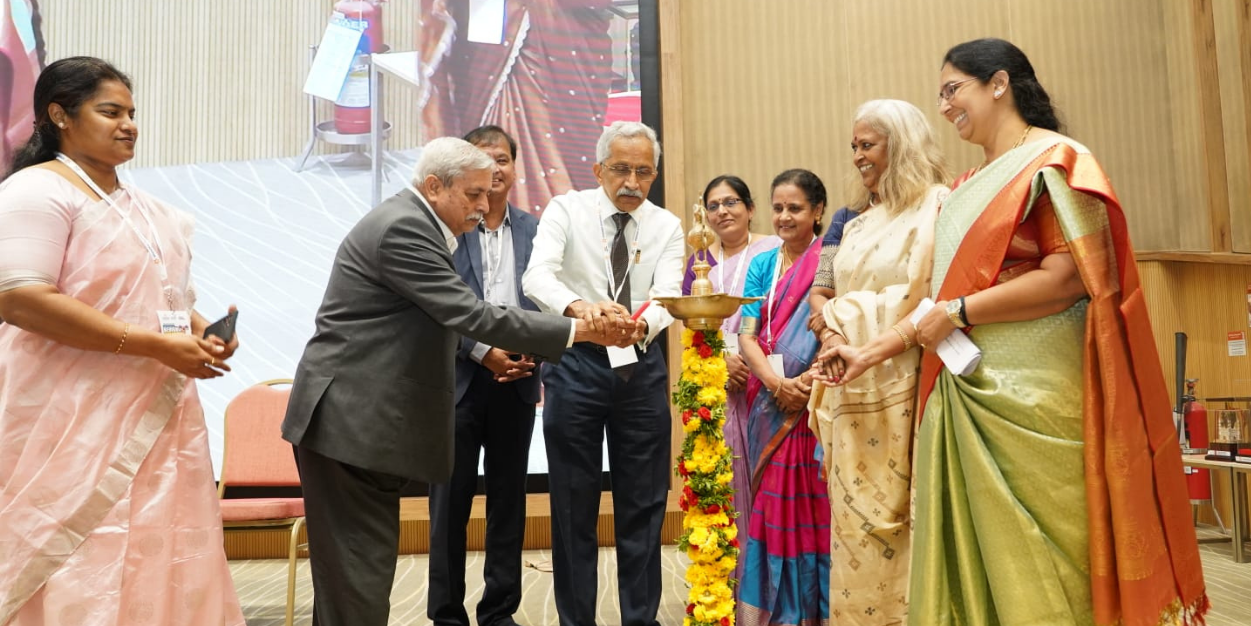
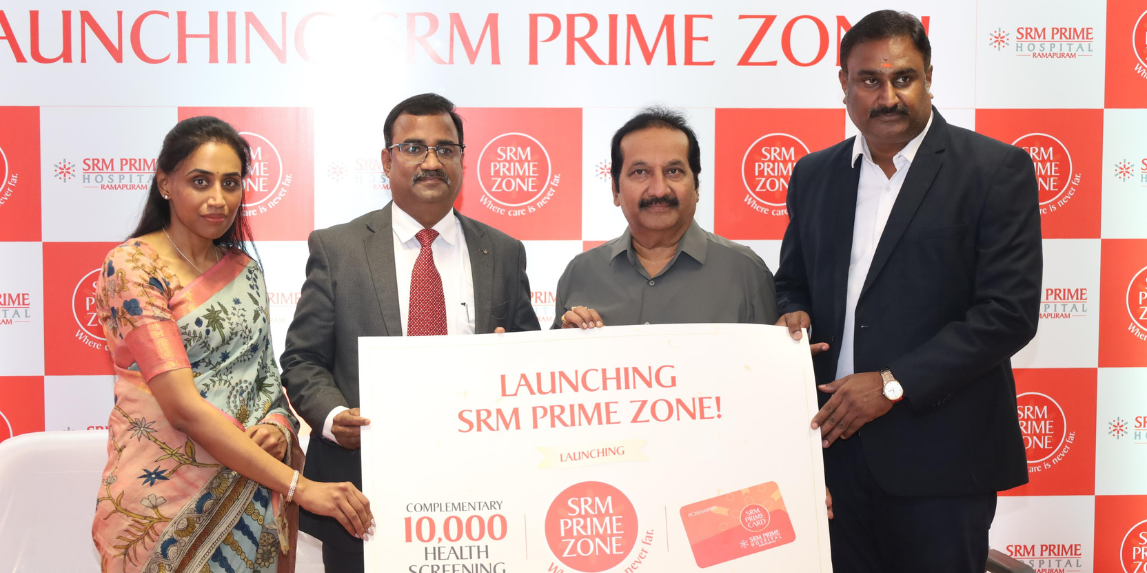
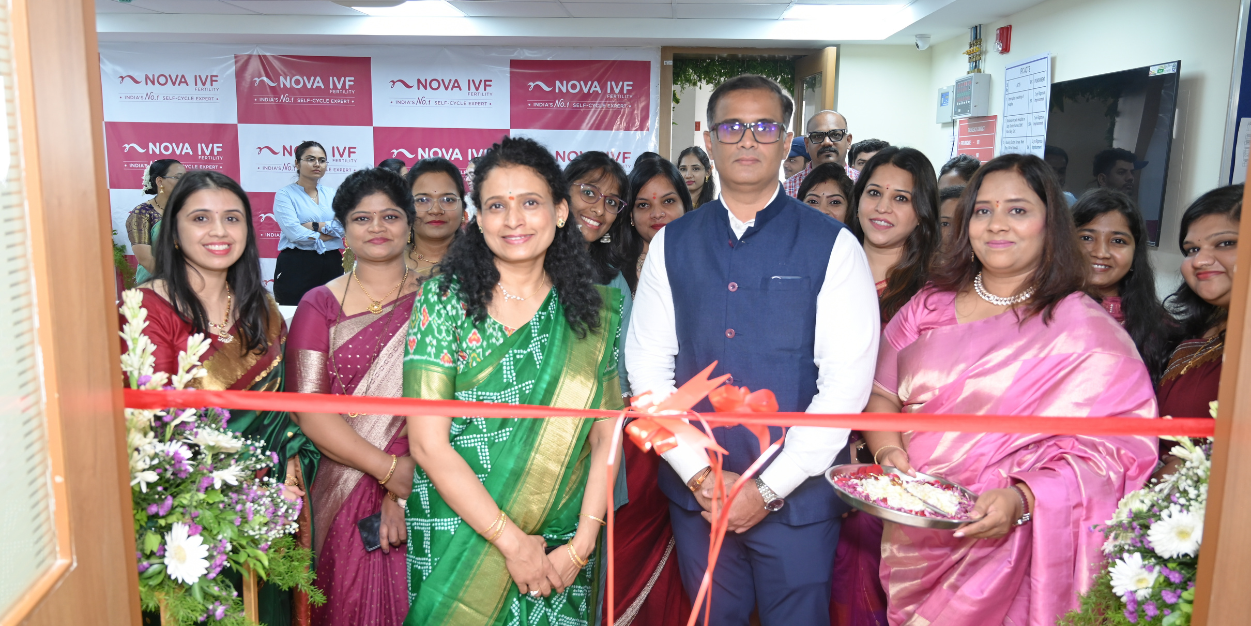
The TMS facility was inaugurated in the presence of senior leadership and clinicians from the hospital, including Muthu Subramanian, Executive Director, Prassanna, Group Chief Operating Officer, L Sindhuja, Senior Consultant Neurologist, and S Sundar, Senior Orthopaedic Surgeon and Medical Director.
Dr. Sindhuja said that TMS is particularly relevant for patients whose recovery from neurological conditions has been slow or incomplete despite medication and rehabilitation. She explained that the therapy works by stimulating neural pathways that have remained inactive or under-responsive following injury or disease. Each session typically lasts between 20 and 30 minutes, during which patients remain seated or lying comfortably. After the session, patients are able to resume normal daily activities without observation or recovery time.
During treatment, patients may experience a mild tapping sensation on the scalp or brief muscle movement, which clinicians describe as expected and temporary. Hospital officials noted that the therapy has a strong safety record internationally and is widely used in neurological and psychiatric practice across multiple countries.
In addition to TMS, VS Hospitals has also introduced magnetic peripheral nerve stimulation as part of its non-invasive pain management offerings. This technique uses a handheld magnetic coil placed externally over affected areas to stimulate peripheral nerves and muscles. It is being used for conditions such as sciatica, nerve injury related muscle weakness, chronic musculoskeletal pain, foot drop, and carpal tunnel syndrome.
Hospital representatives said the addition of brain and peripheral nerve stimulation therapies reflects a broader shift toward non-invasive, targeted interventions in neurological care. These treatments are intended to complement, rather than replace, existing medical and rehabilitative approaches.
With the introduction of Transcranial Magnetic Stimulation, VS Hospitals joins a growing number of medical centres globally that are incorporating brain stimulation techniques into routine clinical practice. For patients in Chennai, the therapy adds another option within the city for managing complex neurological and psychiatric conditions that require long-term care.
At Prittle PrattleNews, featuring you virtuously, we celebrate the commitment and innovation. Led by Editor-in-Chief Smruti Bhalerao, our platform is dedicated to sharing impactful stories that inspire change and create awareness. Follow us on LinkedIn, Instagram, and YouTube for more stories that matter.
About Prittle Prattle News
Prittle Prattle News is a digital news publication covering business, technology, healthcare, education, lifestyle, public affairs and other developments from India and around the world. Led by Editor-in-Chief Smruti Bhalerao, we publish timely news, industry updates and feature stories for a broad readership.

Add Comment