








The report outlines how formal economic recognition of care work could unlock large scale job creation and long term workforce stability
India’s employment landscape could see a significant shift if care services are brought into the centre of economic and workforce planning. A new report released by Primus Partners positions the care economy as a large scale opportunity for job creation and long term growth, while highlighting how the sector remains largely informal despite rising demand.
Titled The Care Economy Boom: A $300 Billion Opportunity Set to Generate Over 60 Million Care Jobs by 2030, the report states that India’s care economy currently employs nearly 36 million workers. With focused investment in skilling, certification, and formalisation, this workforce could expand beyond 60 million by the end of the decade. The study values the potential size of the sector at $300 billion, noting that care services are labour intensive, locally delivered, and less exposed to automation risks than many other industries.
The report identifies growing demand across childcare, eldercare, disability support, rehabilitation, mental health, wellness, and long term care as key drivers reshaping the labour market. It notes that care services offer employment opportunities across urban, semi urban, and rural regions, making the sector relevant for Tier 1, Tier 2, and Tier 3 cities as well as peri urban areas.
A key feature of the study is its mapping of 13 paid care personas across different skill and formality levels. These range from entry level roles such as domestic help, elder sitters, and beauty assistants to semi skilled positions including childcare assistants, rehabilitation aides, senior living staff, and special needs caregivers. Skilled roles identified in the report include certified nursing assistants, counsellors, and palliative care workers. The framework shows how many care workers continue to operate in low wage and informal conditions despite performing economically essential work.
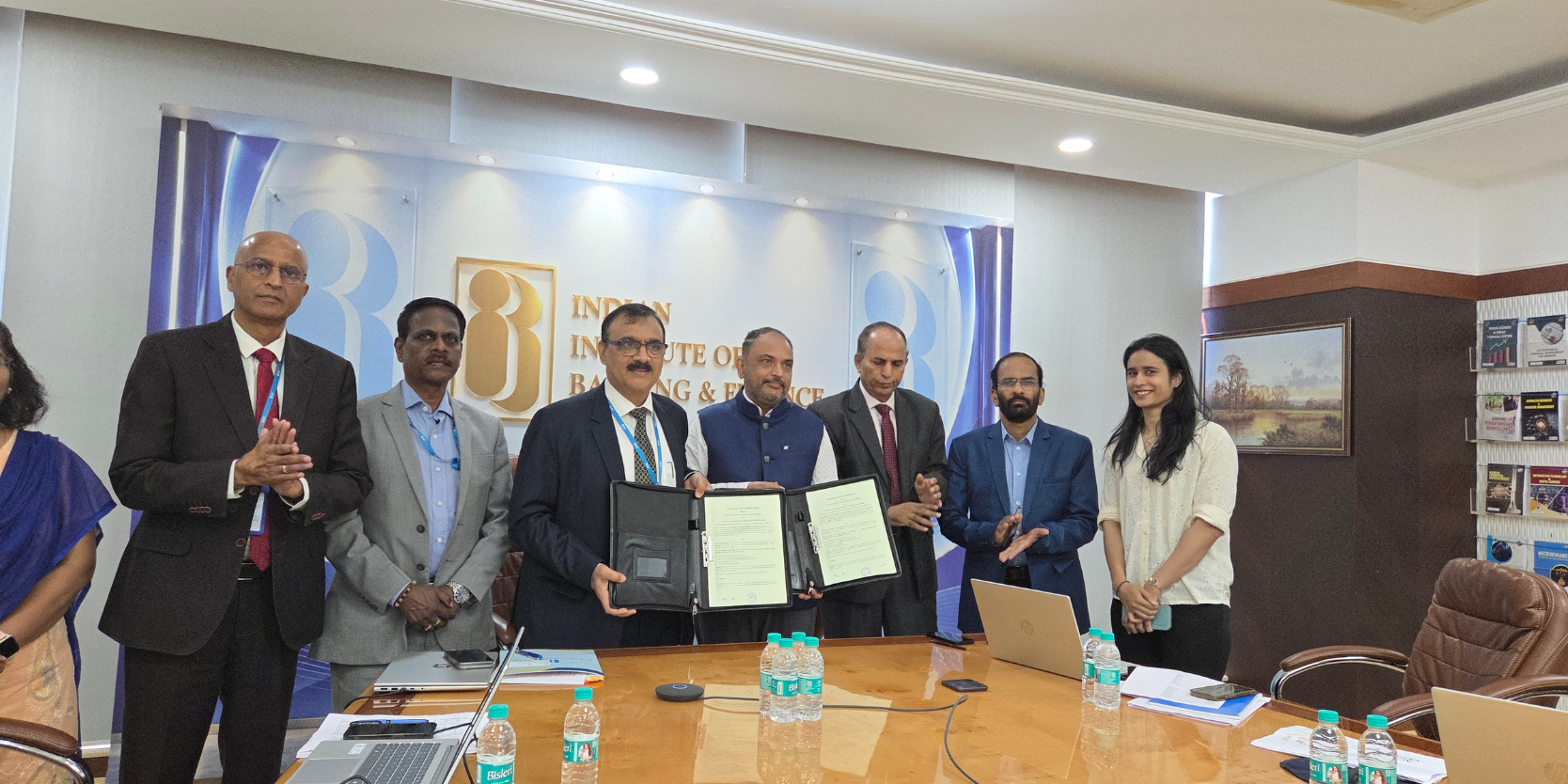
Launching the report, Nilaya Varma, Group CEO of Primus Partners, said care services should be viewed as economic infrastructure rather than a peripheral welfare issue. He said the report demonstrates how formalisation can convert care work into a major source of jobs and economic value.
The study also highlights the link between care services and health outcomes. Sanjay Zodpey, President of the Public Health Foundation of India, said that as care increasingly moves from hospitals to homes, building a skilled and certified care workforce will be essential for both public health and employment outcomes.
Addressing the gender dimension of care work, Meenakshi Hembram, Additional Director and Head of Office at DGHS, Government of NCT of Delhi, said women form the backbone of India’s care economy, yet much of their work remains informal and unprotected. She said formalisation, fair wages, and access to social security are critical for recognising care work and creating a more equitable system.
From an economic standpoint, V. K. Malhotra, Chairman of the Food Commission of Madhya Pradesh and former Member Secretary of the Indian Council of Social Science Research, said the care economy is emerging as a meaningful source of employment and productivity. He said structured skilling and upskilling can improve service quality while supporting sustainable growth.
The report also outlines a policy roadmap through its NURTURE framework, calling for mission led governance, standardised certification, regulatory clarity, technology enabled platforms, social protection for care workers, and demand creation through public systems and private sector participation. It notes that upcoming budget cycles offer a timely opportunity to reposition care services from the margins of welfare to a central pillar of India’s employment strategy.
At Prittle PrattleNews, featuring you virtuously, we celebrate the commitment and innovation. Led by Editor-in-Chief Smruti Bhalerao, our platform is dedicated to sharing impactful stories that inspire change and create awareness. Follow us on LinkedIn, Instagram, and YouTube for more stories that matter.
About Prittle Prattle News
Prittle Prattle News is a digital news publication covering business, technology, healthcare, education, lifestyle, public affairs and other developments from India and around the world. Led by Editor-in-Chief Smruti Bhalerao, we publish timely news, industry updates and feature stories for a broad readership.

Add Comment