





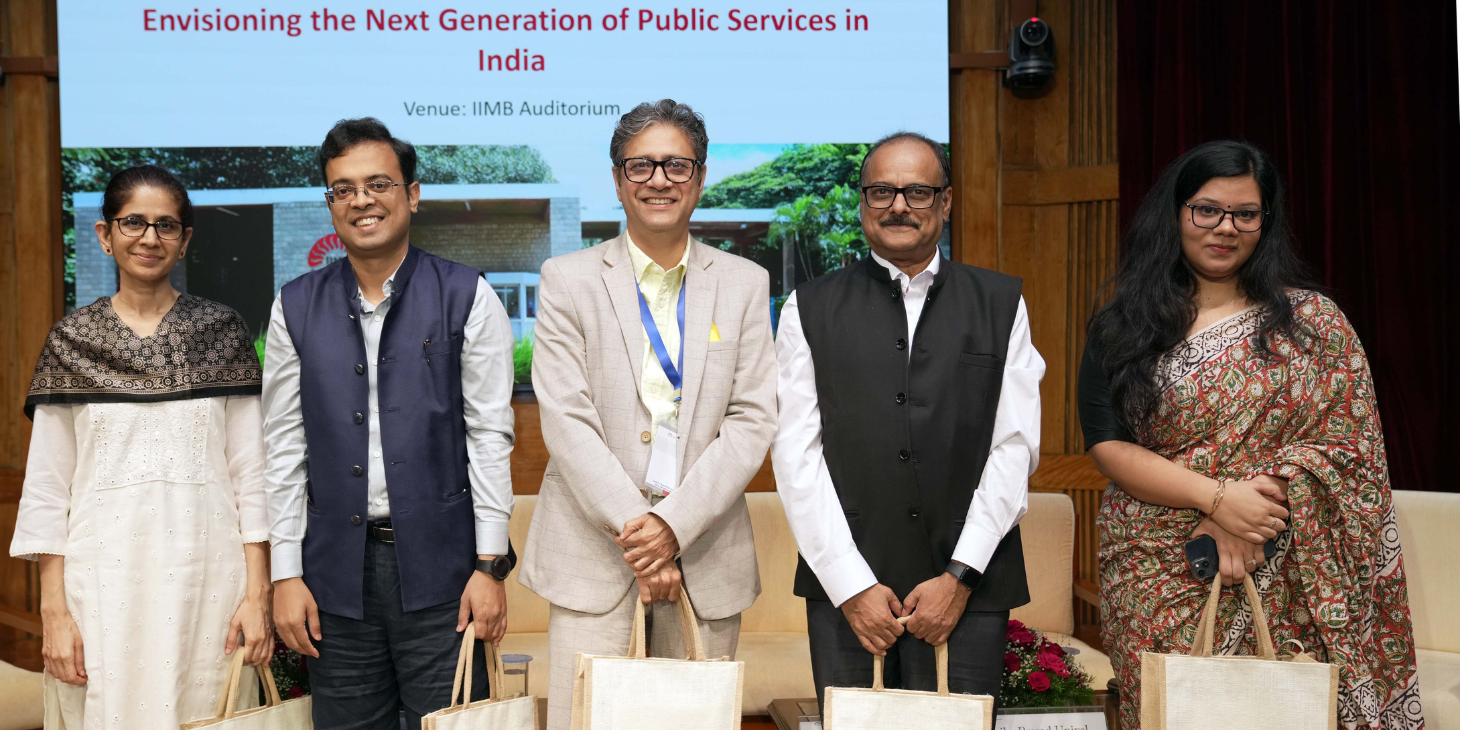

Maharashtra Deputy Chief Minister Eknath Shinde has outlined a target of around 30 lakh homes over the next 15 to 20 years, while Arshad Lashkaria, CEO & Managing Director, Lashkaria Group, points to planning, transparency, rehabilitation and timely execution as critical factors for redevelopment.
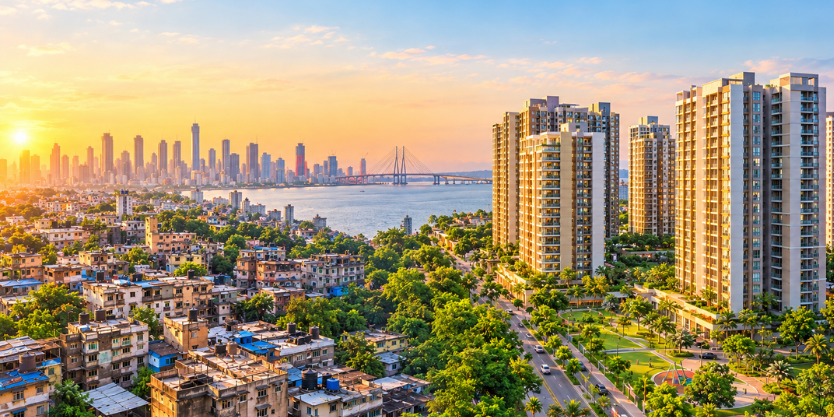
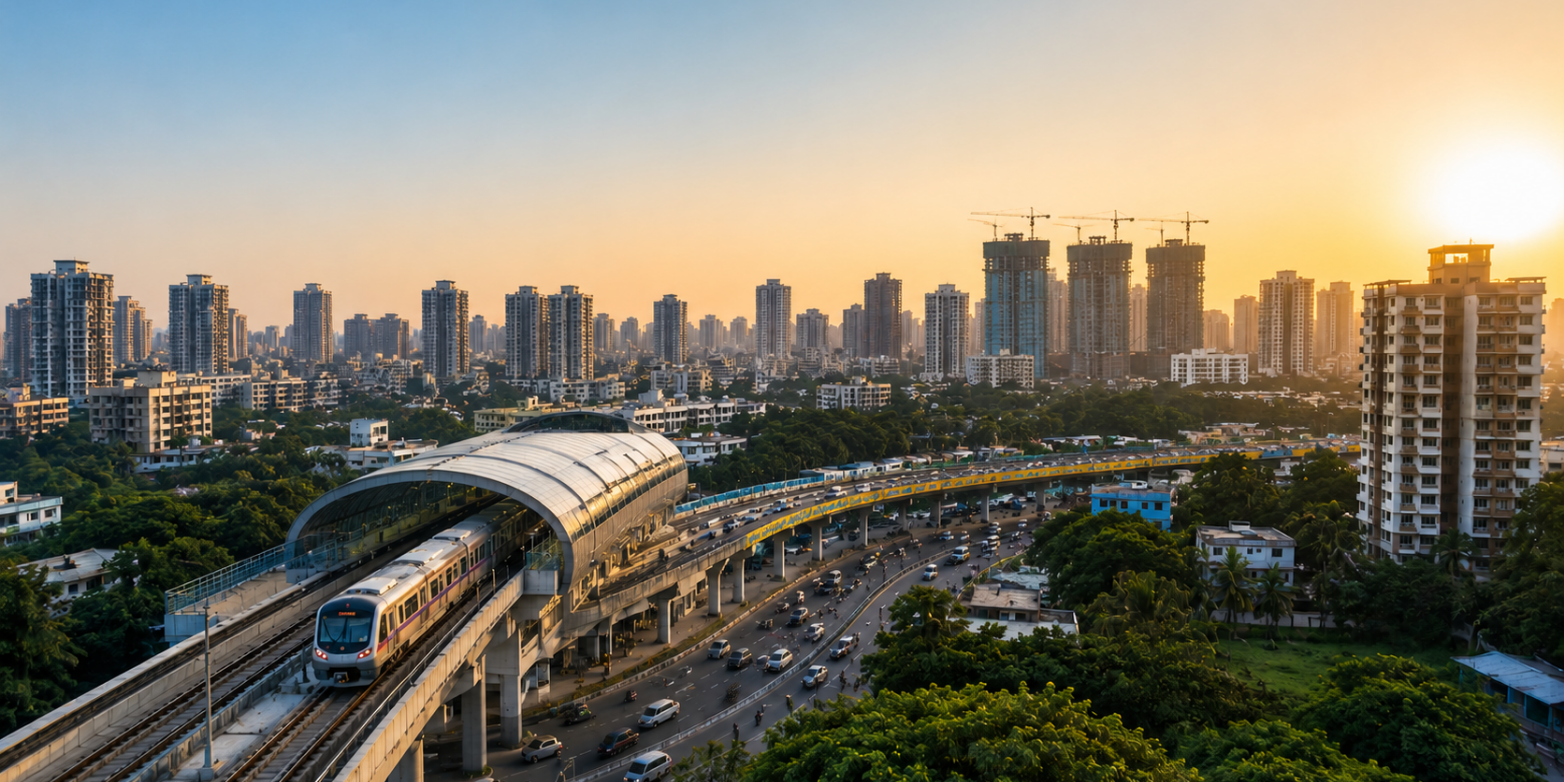
Mumbai’s next phase of housing supply could depend increasingly on redevelopment as Maharashtra targets around 30 lakh additional homes across Mumbai and the Mumbai Metropolitan Region over the next 15 to 20 years.
Maharashtra Deputy Chief Minister Eknath Shinde recently announced the housing target while highlighting plans to expand cluster redevelopment across Mumbai and the MMR.
The proposed scale comes as redevelopment already accounts for a notable portion of Mumbai’s residential supply. According to a recent JLL NAREDCO report cited in the provided analysis, more than 1,000 redevelopment projects have been launched in Mumbai since 2020, representing around 13% of the city’s residential supply.
The report also indicates that redevelopment’s contribution to housing sales has increased, pointing to its growing role in Mumbai’s residential market as the availability of vacant land becomes increasingly constrained.
Activity is particularly concentrated in the western suburbs. Borivali, Malad, Andheri and Goregaon together account for around 36% of redevelopment projects launched since 2020.
The concentration reflects the role established residential areas could play in adding housing through the redevelopment of existing properties rather than relying solely on new vacant land.
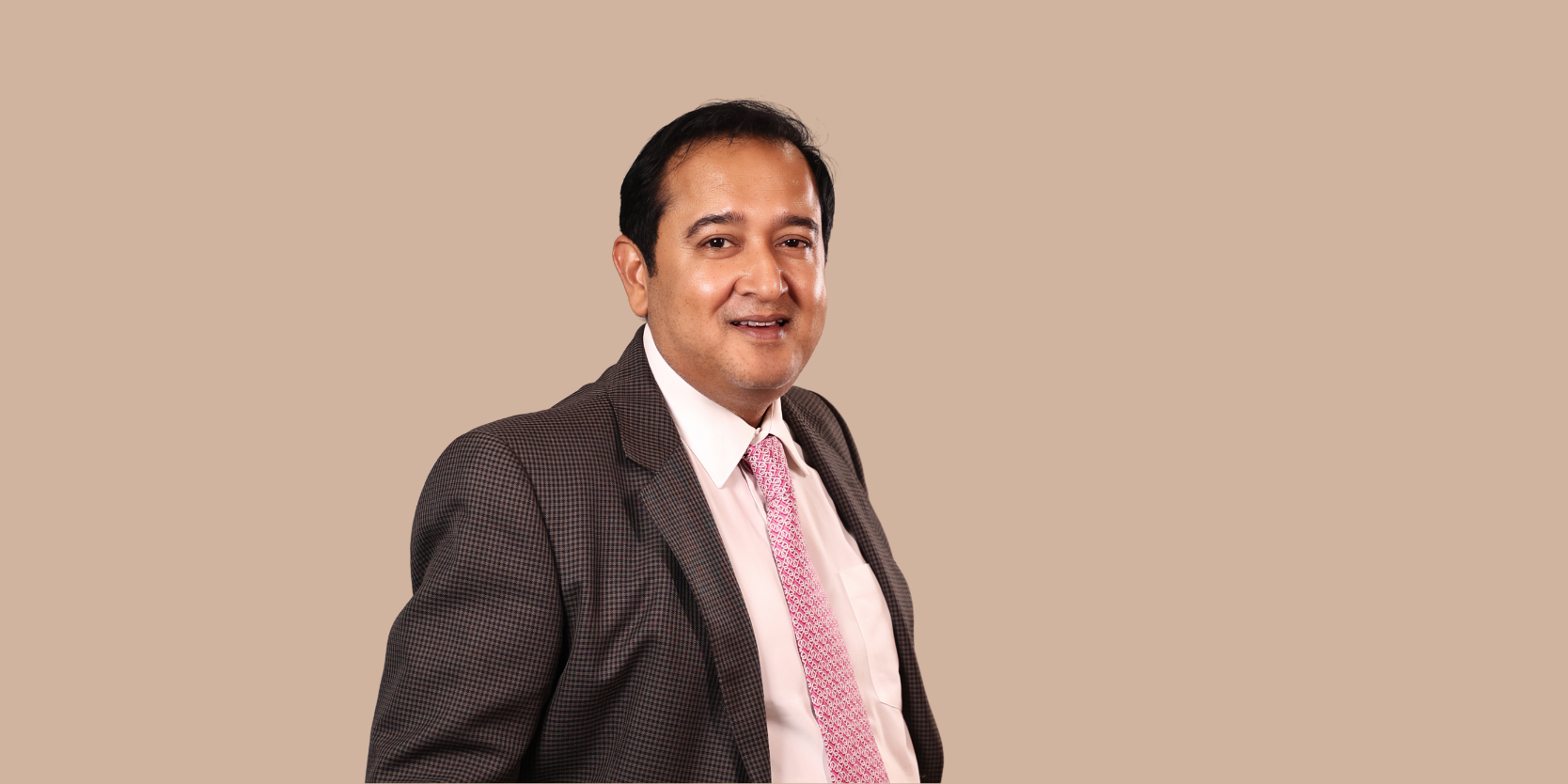
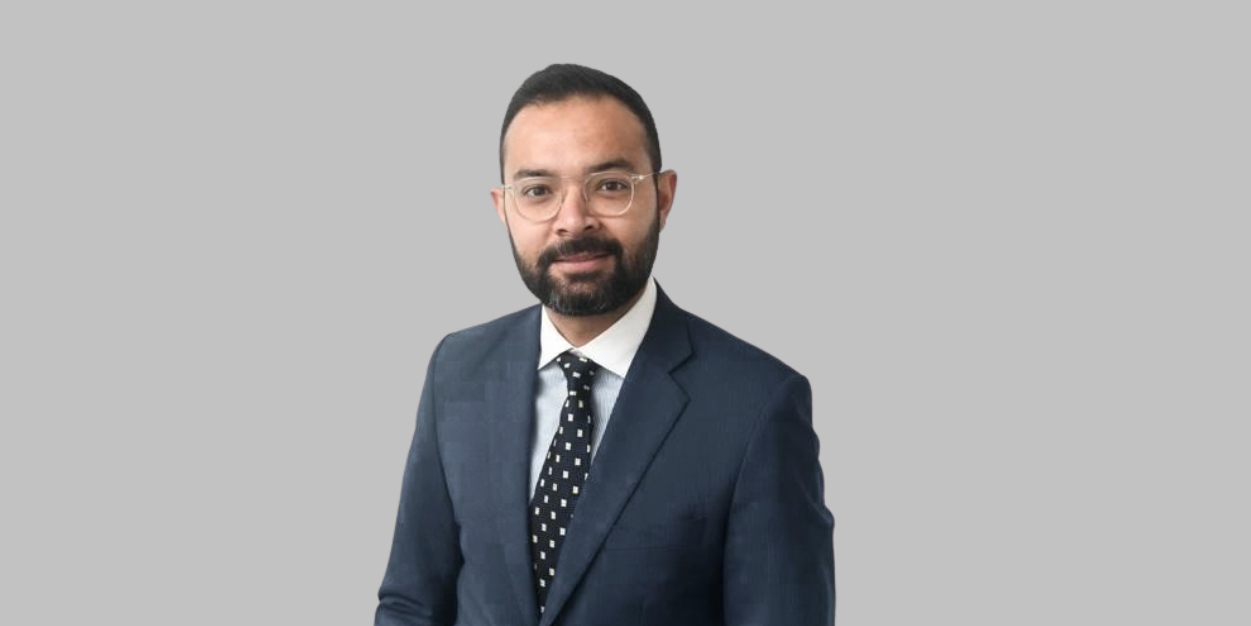
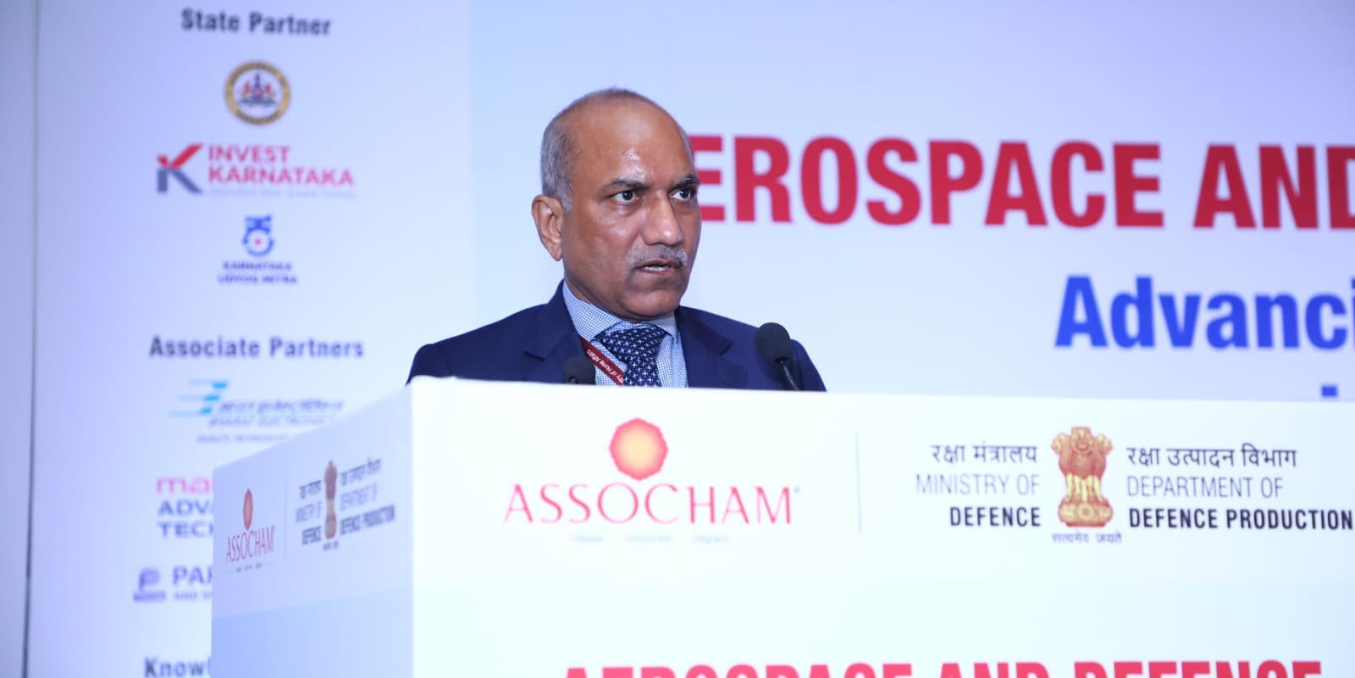
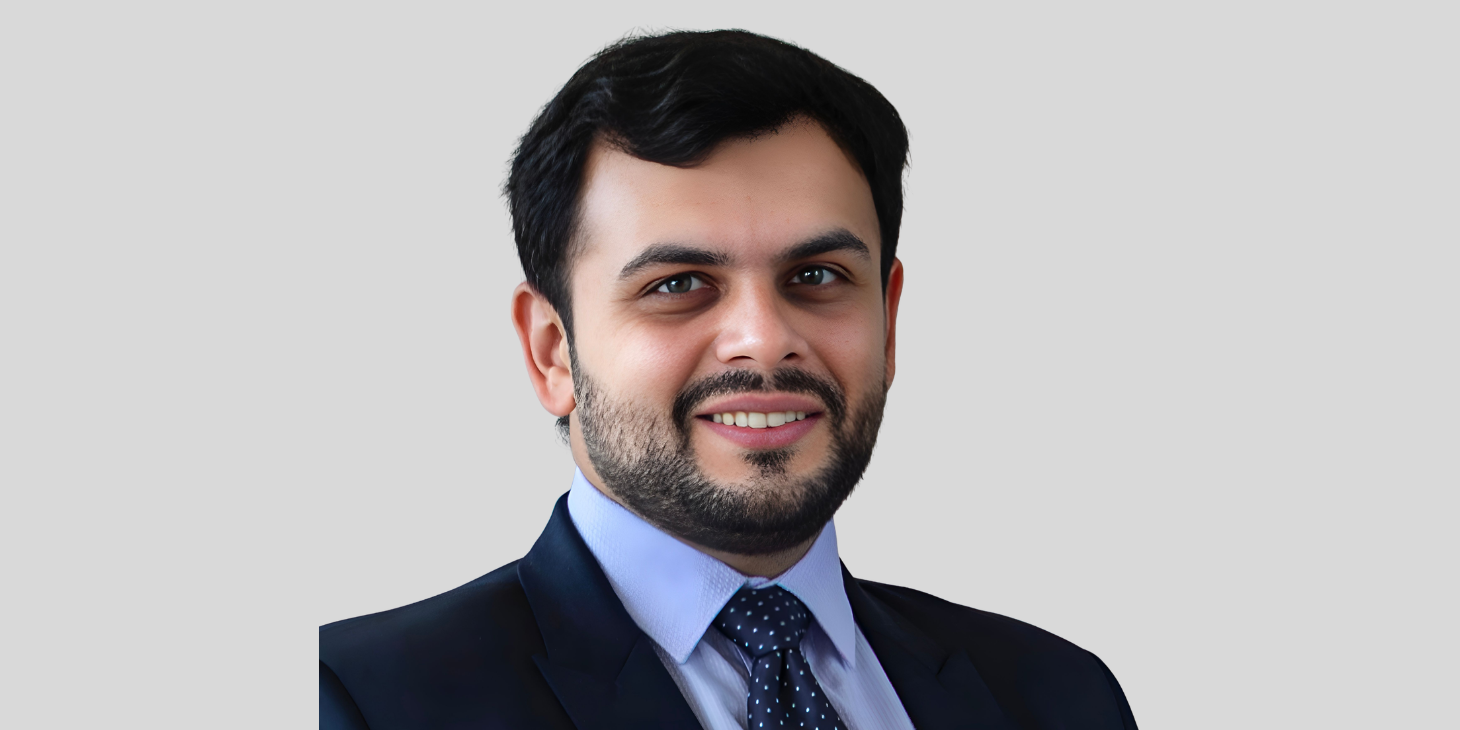
Arshad Lashkaria, CEO & Managing Director, Lashkaria Group, said, “Mumbai’s housing growth increasingly has to come from unlocking the potential of existing urban land. Redevelopment, when executed with the right planning, transparency and focus on resident rehabilitation, can create new homes while improving the quality of the existing urban fabric. The 30-lakh-home vision will require collaboration between government, developers, housing societies and communities, with execution and timely delivery being critical to its success,”
Slum rehabilitation represents another substantial component of the redevelopment opportunity. Figures cited from the JLL NAREDCO report indicate that Mumbai currently has 1,202 active slum rehabilitation projects covering more than 3.2 lakh hutments across approximately 2,156 acres.
The scale of these projects illustrates both the potential and complexity involved in using redevelopment to increase Mumbai’s housing stock. Project financing, regulatory approvals, rehabilitation arrangements, infrastructure and execution timelines will all influence how much additional housing can ultimately be delivered.
Cluster redevelopment could play a larger role by allowing fragmented properties and ageing settlements to be considered at a wider neighbourhood level. Such an approach could allow residential development, infrastructure and open spaces to be planned together rather than separately across individual plots.
An industry expert said, “Cluster redevelopment can be a significant catalyst for Mumbai because it enables infrastructure, open spaces and residential development to be planned together rather than on a plot-by-plot basis. The key will be creating a framework that provides certainty for developers while ensuring that existing residents receive timely rehabilitation and long-term value from the redevelopment process,”
For developers, redevelopment involves balancing project viability with commitments to existing residents and the creation of additional housing inventory. For housing societies and residents, rehabilitation timelines, construction quality, amenities and supporting infrastructure remain central considerations.
The proposed 30 lakh home target therefore extends beyond the number of residential units that can be constructed. Its progress will also depend on whether redevelopment can be implemented at a wider urban scale while addressing existing communities, infrastructure requirements and project delivery.
With more than 1,000 redevelopment projects already launched since 2020 and substantial activity concentrated in Mumbai’s established suburbs, redevelopment is positioned to play an important role in how the city and the wider MMR approach future housing supply.
At Prittle Prattle News, featuring you virtuously, we celebrate the commitment and innovation. Led by Editor-in-Chief Smruti Bhalerao, our platform is dedicated to sharing impactful stories that inspire change and create awareness. Follow us on LinkedIn, Instagram, and YouTube for more stories that matter.
About Prittle Prattle News
Prittle Prattle News is a digital news publication covering business, technology, healthcare, education, lifestyle, public affairs and other developments from India and around the world. Led by Editor-in-Chief Smruti Bhalerao, we publish timely news, industry updates and feature stories for a broad readership.


















Add Comment