






Backed by national stress and anxiety data, the initiative runs through January 2026 and promotes short, intentional pauses as a response to India’s widening mental health gap.
India enters the new year carrying a growing burden of stress, anxiety, and emotional fatigue that cuts across age groups and professions. Against this backdrop, AiR, also known as Atman in Ravi, has introduced “Pause for Happpiness”, a nationwide initiative that asks a simple but increasingly rare question: what happens when people intentionally stop, even for a few seconds, in the middle of their day.
The campaign emerges at a time when multiple indicators point to a widening mental health gap in the country. India’s ranking in the World Happiness Report remains low, while surveys continue to highlight high levels of chronic stress, workplace burnout, and anxiety among students and urban professionals. Despite this, access to care remains uneven, and conversations around everyday emotional well-being are often overshadowed by productivity-driven narratives.
Rather than positioning happiness as an end goal tied to success or external achievement, “Pause for Happpiness” reframes it as a behavioural practice rooted in daily awareness. Central to the initiative is AiR’s concept of happpiness, intentionally spelled with three Ps to reflect pleasure, peace, and purpose. In this framing, pleasure relates to achievement, peace to fulfilment, and purpose to inner clarity, with balance across all three seen as essential to sustained well-being.
The initiative draws on research suggesting that short mindful pauses, including conscious breathing and moments of stillness, can reduce stress responses and improve emotional regulation. By focusing on brief, repeatable actions rather than extended retreats or specialised practices, the campaign positions mental calm as something accessible within ordinary routines, whether in traffic, at work, or between daily responsibilities.
At the heart of the movement is the idea of what AiR describes as creating an inner atmosphere. This involves stepping out of habitual reactivity and tuning into internal cues that often go unnoticed. The approach does not advocate withdrawal from daily life but encourages individuals to engage with it more deliberately, allowing decisions and responses to emerge from steadiness rather than pressure.
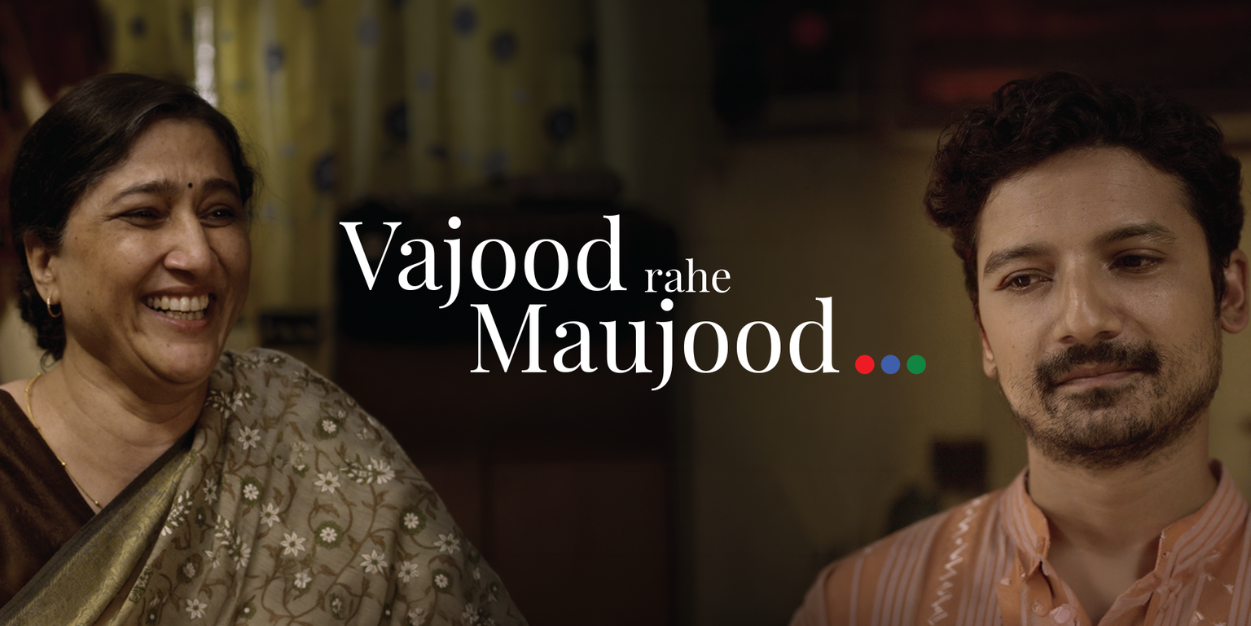
“Pause for Happpiness” will run through January 2026 and is designed to reach people through digital platforms, educational institutions, podcasts, and community networks. A central launch film narrated by AiR illustrates everyday scenarios where a moment of pause alters the emotional tone of an experience. These moments, portrayed not as dramatic transformations but as subtle shifts, underline the campaign’s emphasis on realism over idealism.
Speaking about the philosophy behind the initiative, AiR has emphasised that happiness is not something to be chased but experienced when the mind and heart are aligned. According to him, even a brief pause can disrupt cycles of stress, creating space for gratitude, clarity, and emotional resilience. The campaign’s messaging consistently returns to this idea, positioning stillness as a skill rather than an escape.
The urgency of such interventions is underscored by data showing rising anxiety levels among urban youth and professionals, alongside persistent stigma surrounding mental health support. By encouraging self-regulation through simple practices, the initiative seeks to complement, rather than replace, clinical approaches, offering a starting point for individuals who may otherwise remain disengaged from conversations around mental health.
Over the coming weeks, AiR plans to expand the initiative through workshops, digital challenges, and collaborations with wellness advocates. The broader aim is to normalise the act of pausing as part of daily life, shifting the perception of well-being from an occasional pursuit to a continuous practice.
As India grapples with the social and emotional consequences of constant acceleration, “Pause for Happpiness” introduces a counter-narrative. It suggests that amidst noise, pressure, and expectation, the most meaningful change may begin not with doing more, but with learning when and how to stop.
At Prittle Prattle News, we honor your dedication and inventiveness led by showcasing you in a positive light. Under the direction of Editor-in-Chief Smruti Bhalerao, our platform is committed to disseminating powerful narratives that raise awareness and motivate change. For more important stories, follow us on LinkedIn, Instagram, and YouTub
About Prittle Prattle News
Prittle Prattle News is a digital news publication covering business, technology, healthcare, education, lifestyle, public affairs and other developments from India and around the world. Led by Editor-in-Chief Smruti Bhalerao, we publish timely news, industry updates and feature stories for a broad readership.

















Add Comment