









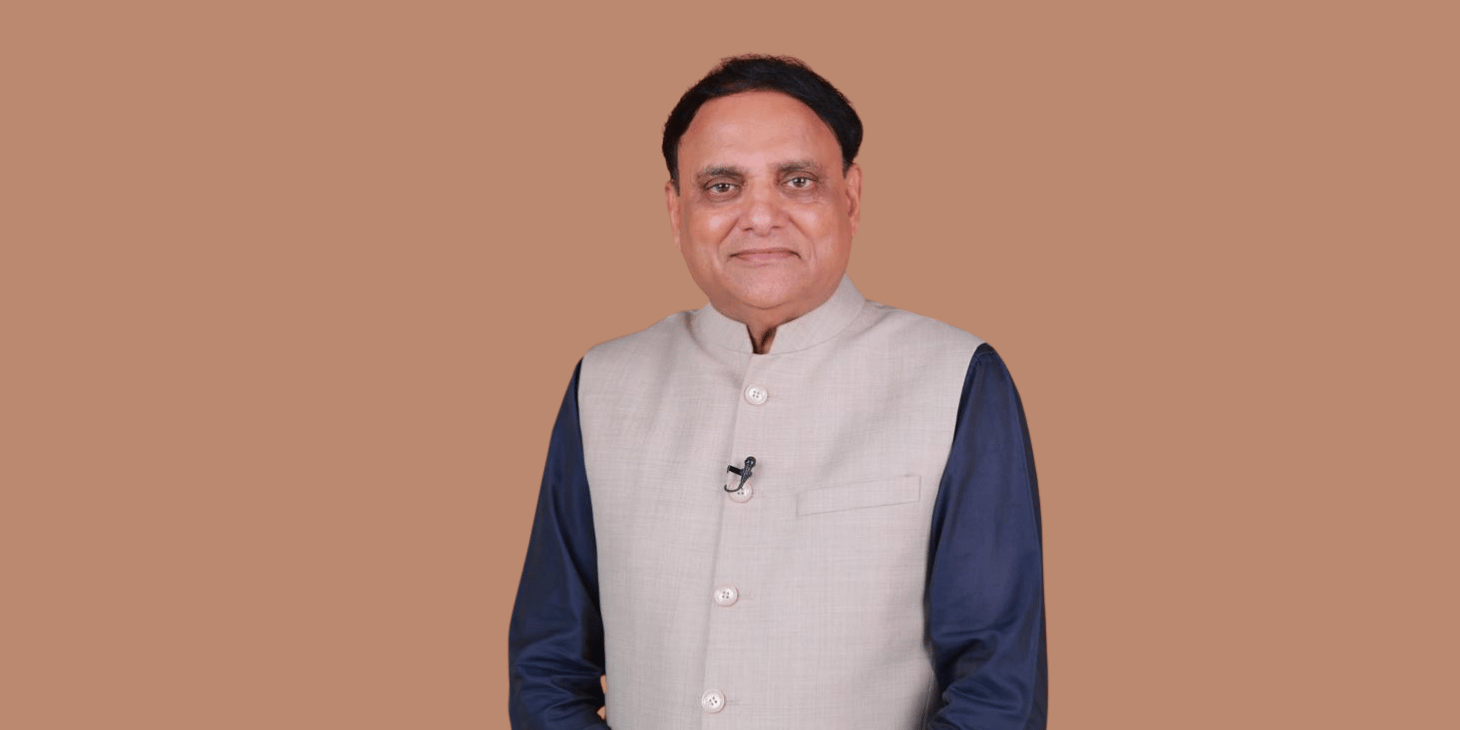
Dr Partap Chauhan, world renowned Ayurvedacharya and author, said dependency often extends beyond substance use to caffeine, sleep aids and digital habits, making gradual lifestyle correction essential.
Health conversations are increasingly moving beyond temporary relief toward long term wellbeing, with greater attention on habits that quietly shape dependency patterns.
According to Dr Partap Chauhan, world renowned Ayurvedacharya and author, dependency does not begin only with alcohol or substance use. It can also develop through everyday reliance on caffeine, sleep aids, screens and other repeated external triggers that gradually affect the body’s natural ability to self regulate.
From an Ayurvedic perspective, dependency reflects a disturbance in the body’s internal balance. Dr Chauhan explained that when the body loses its ability to function independently, reliance on external support becomes routine, eventually turning into habitual behaviour.
He noted that modern lifestyles often encourage quick solutions to stress, fatigue and sleep disruption. While these interventions may provide short term relief, repeated dependence on them can weaken the body’s natural responses over time.
Dr Chauhan said repeatedly overriding the body’s internal signals can create cycles where dependence becomes difficult to break, making long term correction more effective than abrupt withdrawal.
Ayurveda places strong emphasis on structured daily routines, or dinacharya, as a way to restore stability. Regular waking and sleeping schedules, consistent meal timing and reduced digital stimulation before bedtime can help the body rebuild internal rhythm without relying on external triggers.
Diet also plays a central role in this framework. Irregular eating patterns, processed foods, excessive stimulants and refined sugar can disrupt digestion, which Ayurveda considers central to physical and mental health.
Dr Chauhan noted that compromised digestion can influence mood, cravings and energy levels, often increasing the urge for temporary relief through stimulants or habit based coping mechanisms.
He also highlighted the psychological side of dependency, explaining that stress, anxiety and fatigue frequently drive repetitive behaviours that appear harmless at first but deepen over time.
Ayurvedic recommendations such as meditation, pranayama and time in calm natural environments may help reduce internal restlessness and support better emotional regulation.
The approach, however, is gradual rather than extreme. Sudden attempts to eliminate habits entirely can trigger resistance and increase the likelihood of relapse.
Instead, Dr Chauhan advocates phased reduction while building supportive routines. For example, reducing caffeine intake while improving hydration and sleep consistency may produce more sustainable outcomes than abrupt elimination.
The broader message is that dependency prevention is less about deprivation and more about rebuilding internal resilience through practical lifestyle corrections.
At Prittle PrattleNews, featuring you virtuously, we celebrate the commitment and innovation. Led by Editor-in-Chief Smruti Bhalerao, our platform is dedicated to sharing impactful stories that inspire change and create awareness. Follow us on LinkedIn, Instagram, and YouTube for more stories that matter
About Prittle Prattle News
Prittle Prattle News is a digital news publication covering business, technology, healthcare, education, lifestyle, public affairs and other developments from India and around the world. Led by Editor-in-Chief Smruti Bhalerao, we publish timely news, industry updates and feature stories for a broad readership.























Add Comment