











Dr. Prakash Swain, Consultant Radiation Oncology, HCG Cancer Hospital Cuttack, says India’s tobacco control frameworks exist, but stronger enforcement, better cessation access, and sustained public awareness are needed to reduce smoking related disease burden.
India’s tobacco control efforts need stronger public awareness, better policy enforcement, and improved cessation support if the country is to reduce the growing burden of smoking related diseases, according to Dr. Prakash Swain, Consultant Radiation Oncology, HCG Cancer Hospital Cuttack.
Smoking remains one of the most preventable causes of disease and premature death, yet continues to contribute significantly to cancers, cardiovascular disease, and chronic respiratory illnesses in India.
Dr. Swain noted that India loses more than 1.35 million people annually to tobacco related diseases, with approximately 1.15 million deaths directly linked to smoking. He said this burden reflects persistent gaps in awareness, access to cessation support, and policy implementation.
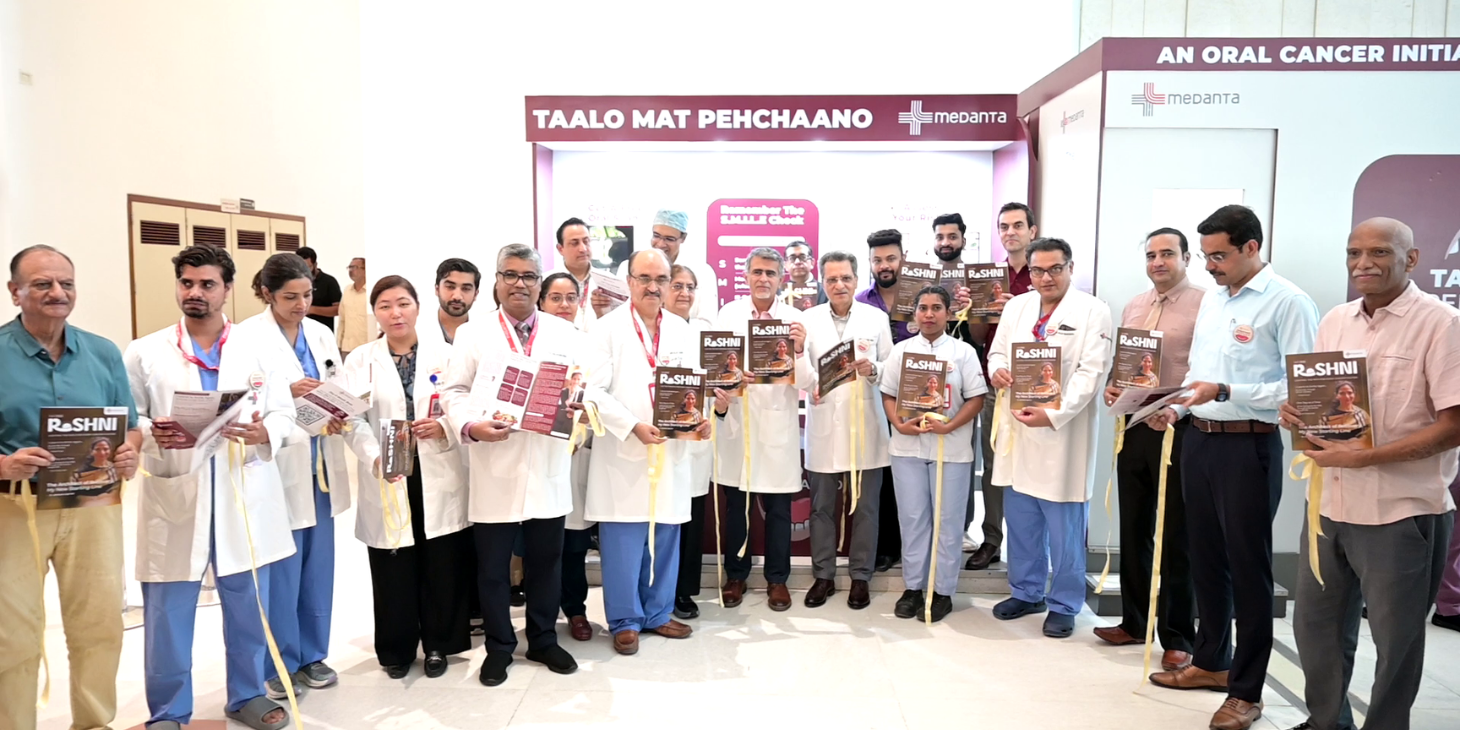
He emphasised that public awareness campaigns need to become more practical and relatable rather than relying only on broad messaging. According to him, visual storytelling, survivor experiences, and community driven communication can create stronger behavioural impact, particularly among younger audiences before tobacco habits are formed.
Dr. Swain also pointed to concern over smoking prevalence trends. While India has made progress through measures such as the National Tobacco Control Programme, pictorial warnings, school education initiatives, and public campaigns, recent trends suggest that momentum may be slowing.
He said quitting support remains underutilised despite infrastructure such as Tobacco Cessation Centres and the National Tobacco Quitline, largely because many users remain unaware of available services.
The article also highlighted the importance of clinical intervention, noting that even brief conversations between doctors and patients can improve awareness and encourage cessation efforts. Early symptoms such as persistent cough, unexplained weight loss, blood in sputum, or non healing mouth ulcers should trigger immediate medical evaluation.
On policy, Dr. Swain said India already has regulatory frameworks including the Cigarettes and Other Tobacco Products Act and WHO aligned tobacco control measures, but implementation remains inconsistent across states.
He argued that tobacco awareness must become a sustained public health priority rather than isolated campaigns, with stronger enforcement, community engagement, and continuous clinical action to reduce preventable disease burden.
At Prittle PrattleNews, featuring you virtuously, we celebrate the commitment and innovation. Led by Editor-in-Chief Smruti Bhalerao, our platform is dedicated to sharing impactful stories that inspire change and create awareness. Follow us on LinkedIn, Instagram, and YouTube for more stories that matter
About Prittle Prattle News
Prittle Prattle News is a digital news publication covering business, technology, healthcare, education, lifestyle, public affairs and other developments from India and around the world. Led by Editor-in-Chief Smruti Bhalerao, we publish timely news, industry updates and feature stories for a broad readership.
























Add Comment