






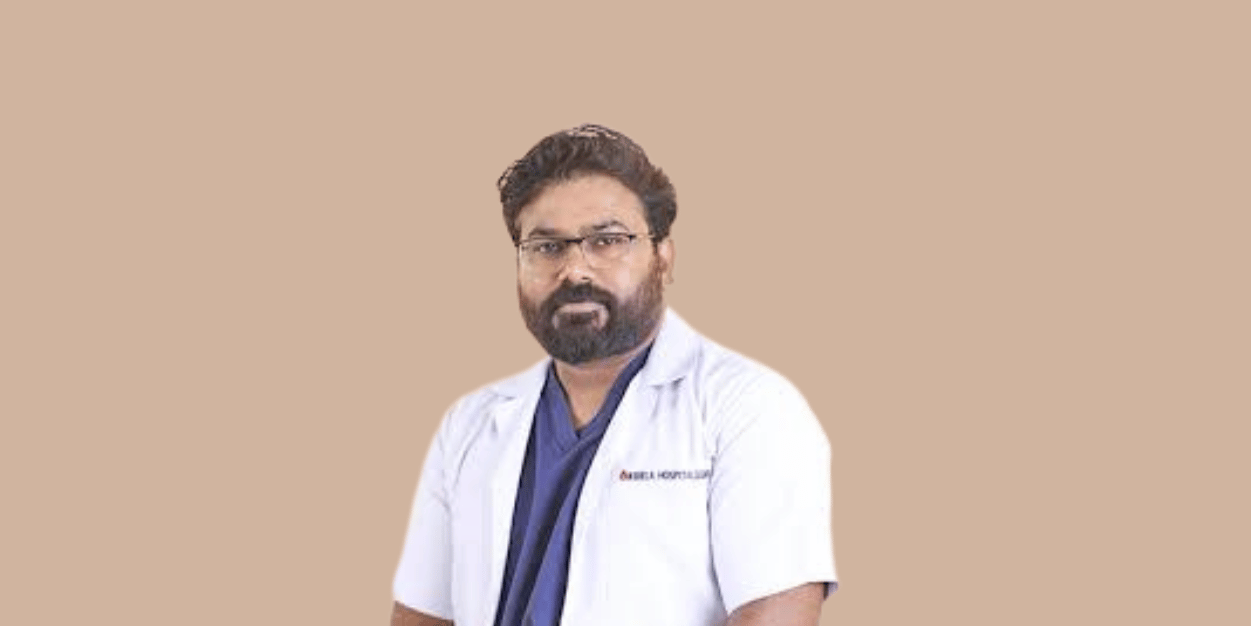
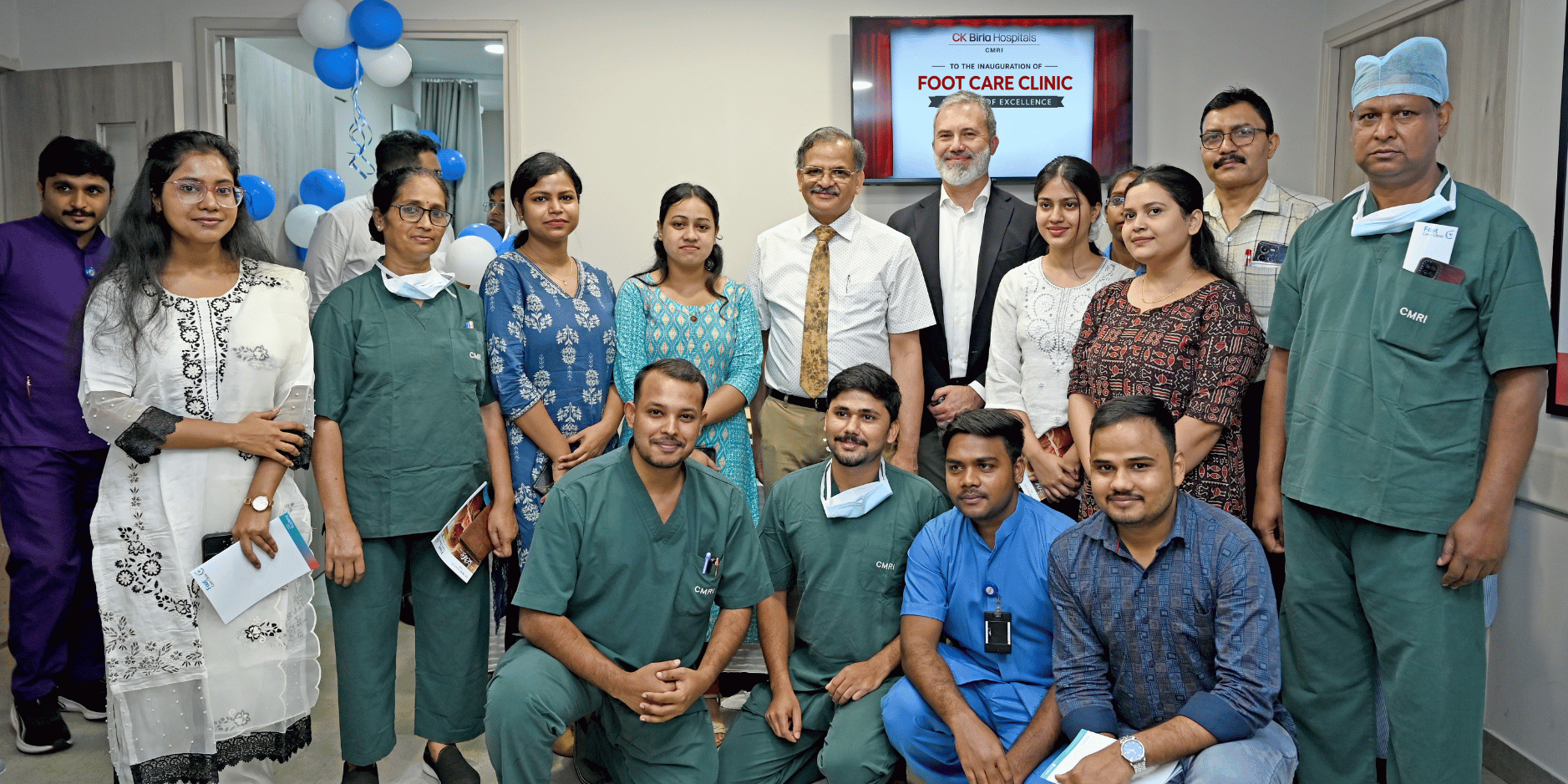
Dr. Pankaj Kumar Gupta, Consultant Urologist at CK Birla Hospitals, CMRI, explains how UroLift may help suitable BPH patients avoid prolonged medication or conventional surgery while preserving quality of life.
Benign Prostatic Hyperplasia, commonly known as an enlarged prostate, is one of the most common health concerns among ageing men. In India, nearly one in four men in their fifties experience urinary symptoms linked to prostate enlargement. Among men above 60, the figure rises to between 50 and 70 percent. Despite its prevalence, many men continue to live with frequent urination, disturbed sleep, discomfort, and related symptoms for years before seeking medical advice.
For a long time, BPH treatment largely moved between two choices: medication and surgery. Medicines are usually prescribed in the early stages, but they need regular use and may cause side effects such as vertigo and impotence. Surgical treatment, commonly performed through TURP, can be effective but involves hospitalisation, anaesthesia, and a recovery period that may keep patients away from routine activity for weeks. This left limited space for men who were not responding well to medication but were also not ready for conventional surgery.
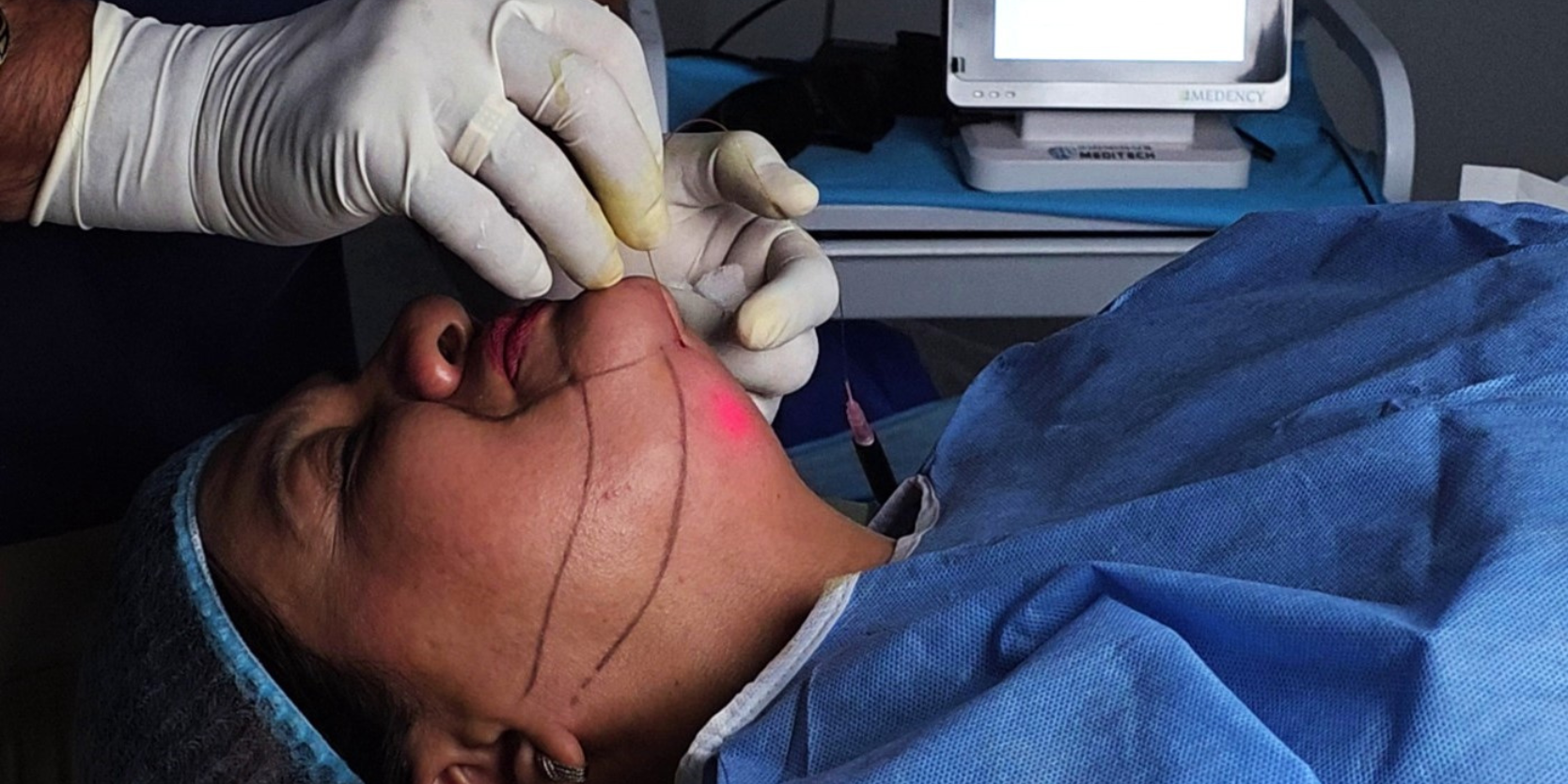
UroLift addresses this clinical gap through a minimally invasive method that does not involve cutting, heating, or removing prostate tissue. The system uses small implants to hold enlarged prostate tissue away from the urethra, allowing urine flow to improve without changing the natural anatomy. The procedure is generally carried out as a day care intervention under local or minimal anaesthesia, and many patients are able to return to normal routines within days.
Patients usually begin to notice symptom relief within a few weeks. Compared with conventional surgery, complication rates are lower, and the procedure preserves sexual function, which remains an important concern for many men although it is not always discussed during early consultations. For suitable patients, shorter recovery, fewer side effects, and maintained quality of life make UroLift a meaningful option in prostate care.
However, UroLift is not suitable for every case of BPH. Patients with very large prostates may need other treatment approaches. Some may also experience temporary side effects such as urinary urgency or a burning sensation in the days after the procedure. A small proportion may require retreatment over time. Careful assessment before the procedure is therefore essential, and the right patient selection remains central to achieving a good clinical outcome.
Delaying treatment can carry risks of its own. Untreated BPH may progress to urinary retention, repeated infections, bladder damage, and in advanced cases, kidney related complications. Symptoms that may seem manageable at first can become more complex if ignored for long periods.
Prostate care is increasingly moving beyond symptom control toward treatment decisions that consider long term outcomes and quality of life. UroLift fits into this change by offering an option for men who are no longer well served by medication alone but may not yet need conventional surgery. For men experiencing urinary symptoms, early consultation and a clear understanding of available choices remain important steps toward better care.
At Prittle PrattleNews, featuring you virtuously, we celebrate the commitment and innovation. Led by Editor-in-Chief Smruti Bhalerao, our platform is dedicated to sharing impactful stories that inspire change and create awareness. Follow us on LinkedIn, Instagram, and YouTube for more stories that matter.
About Prittle Prattle News
Prittle Prattle News is a digital news publication covering business, technology, healthcare, education, lifestyle, public affairs and other developments from India and around the world. Led by Editor-in-Chief Smruti Bhalerao, we publish timely news, industry updates and feature stories for a broad readership.










Add Comment