



Scheduled for launch on 25 December 2025, Wena AI is designed to train students end to end without human teachers, managing learning, evaluation, career guidance, and emotional support.
Weskill has announced the launch of Wena AI, described as India’s first fully autonomous education system designed to train students from start to finish without the involvement of human teachers. The platform is scheduled to go live on December 25, 2025, and is positioned as a technology-led response to long standing challenges of scale, access, and consistency in education delivery across India.
According to the company, Wena AI functions as a complete, self-operating learning system rather than a supporting classroom tool. It independently handles instruction, evaluation, exam preparation, career guidance, skill development, and emotional support. Weskill states that the system has been built to manage the entire student journey, from identifying learning gaps to guiding career decisions, without reliance on human educators at any stage.
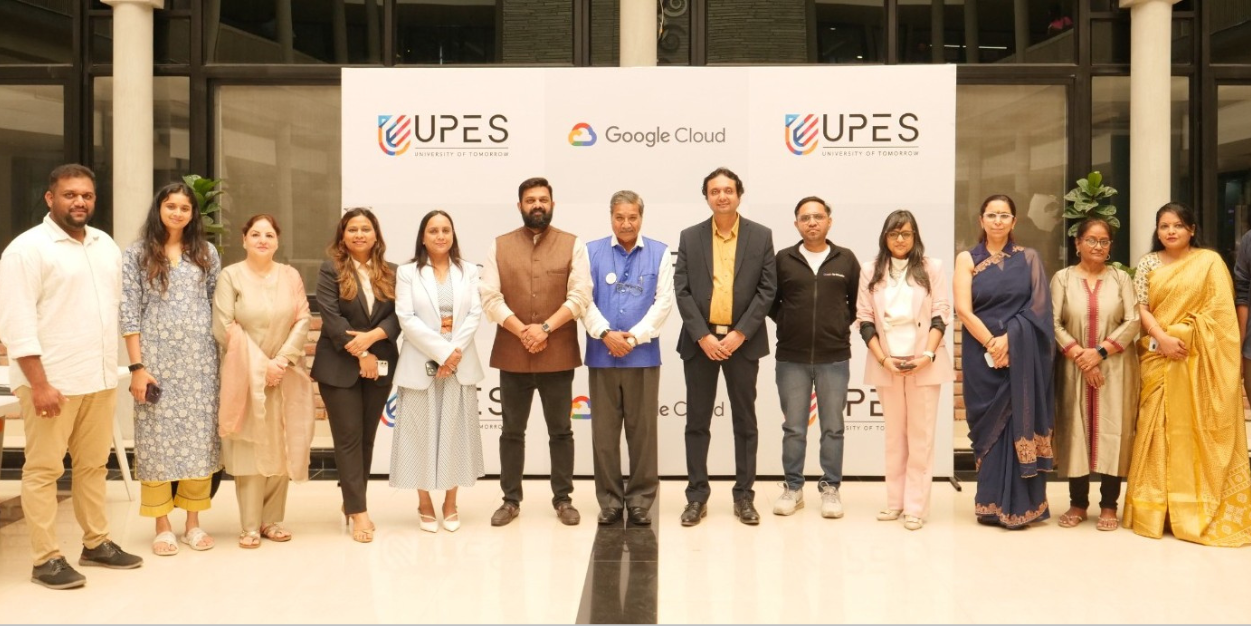
The platform has been developed in India through a collaboration between Weskill and Google. The company describes Wena AI as fully indigenous in its design intent, built to respond to Indian educational realities while remaining usable across global markets. Its architecture is intended to allow simultaneous use by millions of students, addressing limitations caused by teacher availability and uneven teaching quality.
Weskill has linked the launch of Wena AI to the national push for India-first technology systems, a direction frequently articulated by Prime Minister Narendra Modi and Union Education Minister Dharmendra Pradhan, particularly in the context of digital self-reliance and homegrown innovation. The company positions the platform as part of this broader effort to create domestic technology infrastructure in critical public sectors such as education.
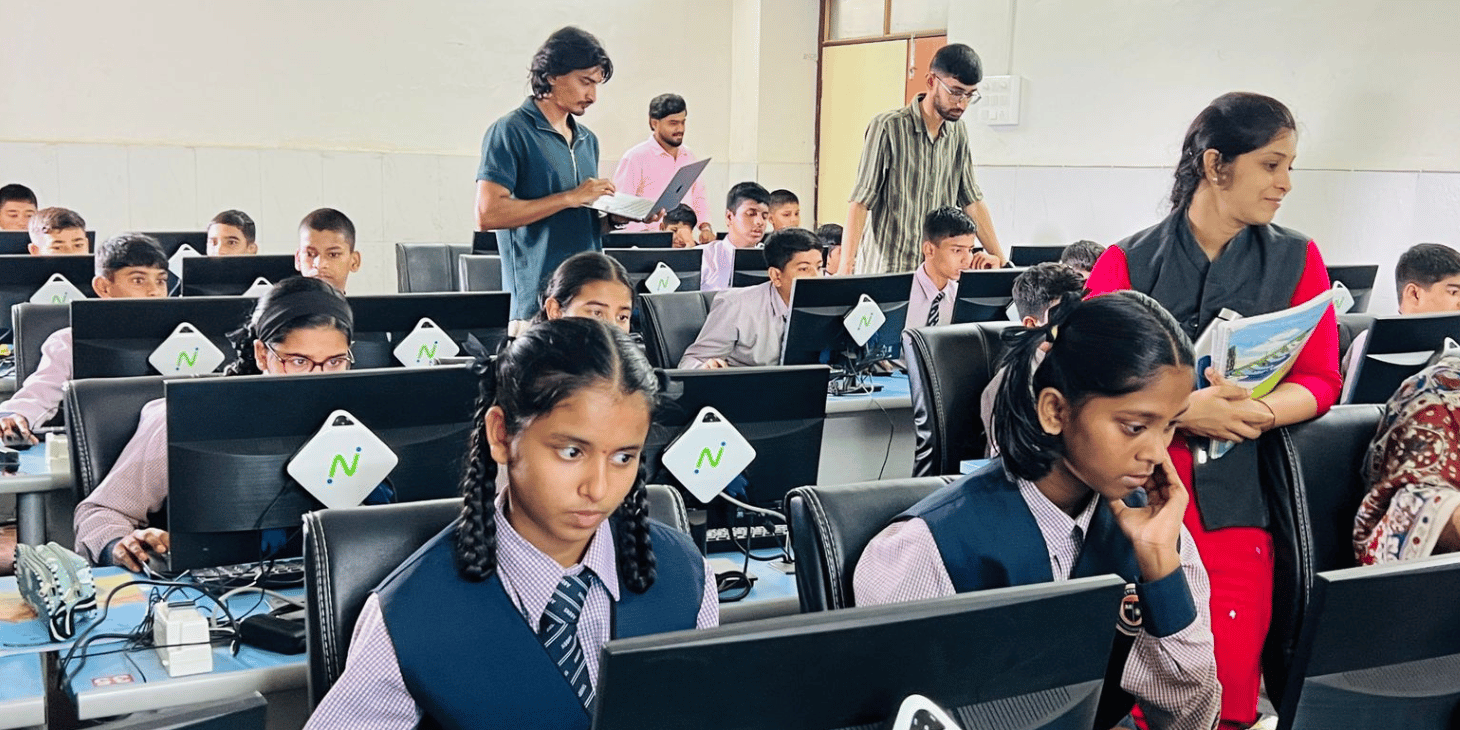
Unlike learning assistants that operate alongside teachers, Wena AI is presented as a system capable of functioning independently across the full learning cycle. It begins by assessing a student’s strengths, weaknesses, interests, and learning pace, and then designs a personalised roadmap. Instruction, assessments, and progress tracking are handled within the system, which continuously adjusts content and difficulty based on performance and engagement.
A key component of Wena AI is its career guidance capability. The platform analyses academic performance, aptitude indicators, and market demand to suggest career paths, updating its guidance as the student progresses. Weskill states that this feature is intended to address the limited access to structured career counselling that affects many students, particularly in smaller cities and rural regions.
The system also includes modules aimed at skill development and employability preparation. These include simulated interview environments across sectors, programming support for students learning to code, and language development tools designed to improve communication skills. Weskill notes that such features are intended to provide students with exposure and preparation that are often unavailable outside major urban centres.
One of the more distinctive aspects of Wena AI is its built-in psychological support component, branded as WeCare. The company describes this module as a private, always-available companion designed to help students manage stress, anxiety, and academic pressure. Weskill links this feature to India’s shortage of accessible mental health professionals, particularly for young learners, and positions the system as a supplemental source of support rather than a replacement for clinical care.
Weskill argues that traditional education models struggle to scale quality teaching due to cost, infrastructure limitations, and teacher-student ratios. By removing dependence on human instructors, Wena AI is presented as an attempt to deliver consistent instruction regardless of location or enrolment size. The company claims that each student receives a unique learning path, eliminating the standardised pacing that often leaves learners behind or unchallenged.
The launch of Wena AI comes at a time when India faces a dual challenge in education. On one hand, there is a shortage of qualified educators, particularly in Tier 3 cities and rural regions. On the other, academic pressure and competition have increased without a corresponding expansion in counselling and support services. Weskill positions its platform as a response to both issues through automation and continuous personalisation.
Wena AI is described as “Made in India” not only in terms of development but also in its design priorities. The system has been built to operate within Indian educational structures while remaining adaptable for use beyond the country. Weskill states that the platform is ready for global deployment, positioning India as a potential exporter of autonomous education technology.
With the December launch, Weskill is entering a contested and closely watched space at the intersection of education, technology, and employability. The rollout of Wena AI will likely draw attention from educators, policymakers, and families alike, as it raises broader questions about how learning is delivered, who controls instruction, and how technology reshapes the role of teachers in the years ahead.
The company describes Wena AI as its most ambitious initiative to date and a step toward redefining how large-scale education systems operate in a technology-driven era. How the system performs in real-world use, and how students respond to a fully autonomous learning environment, will be closely observed after its launch later this year.
At Prittle PrattleNews, featuring you virtuously, we celebrate the commitment and innovation. Led by Editor-in-Chief Smruti Bhalerao, our platform is dedicated to sharing impactful stories that inspire change and create awareness. Follow us on LinkedIn, Instagram, and YouTube for more stories that matter.
About Prittle Prattle News
Prittle Prattle News is a digital news publication covering business, technology, healthcare, education, lifestyle, public affairs and other developments from India and around the world. Led by Editor-in-Chief Smruti Bhalerao, we publish timely news, industry updates and feature stories for a broad readership.










Add Comment