







The six volume series brings together 192 contributors across 102 chapters, combining field level evidence with policy focused research across India
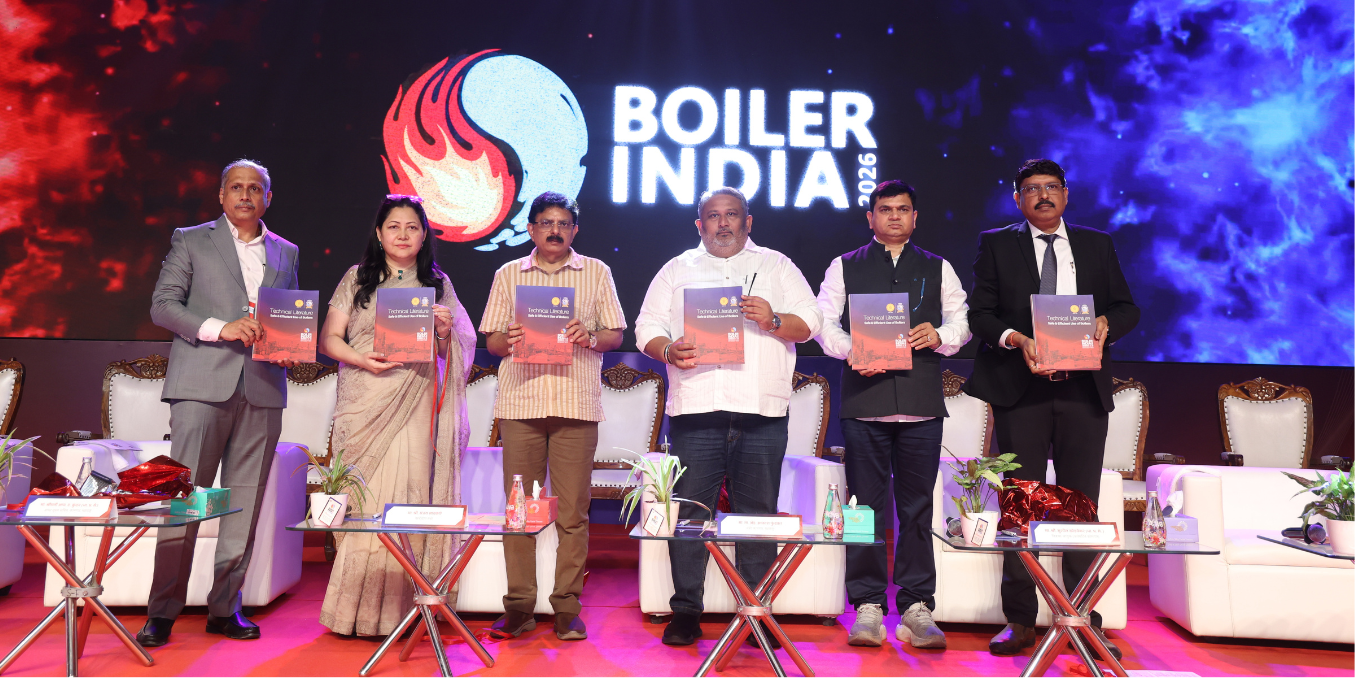
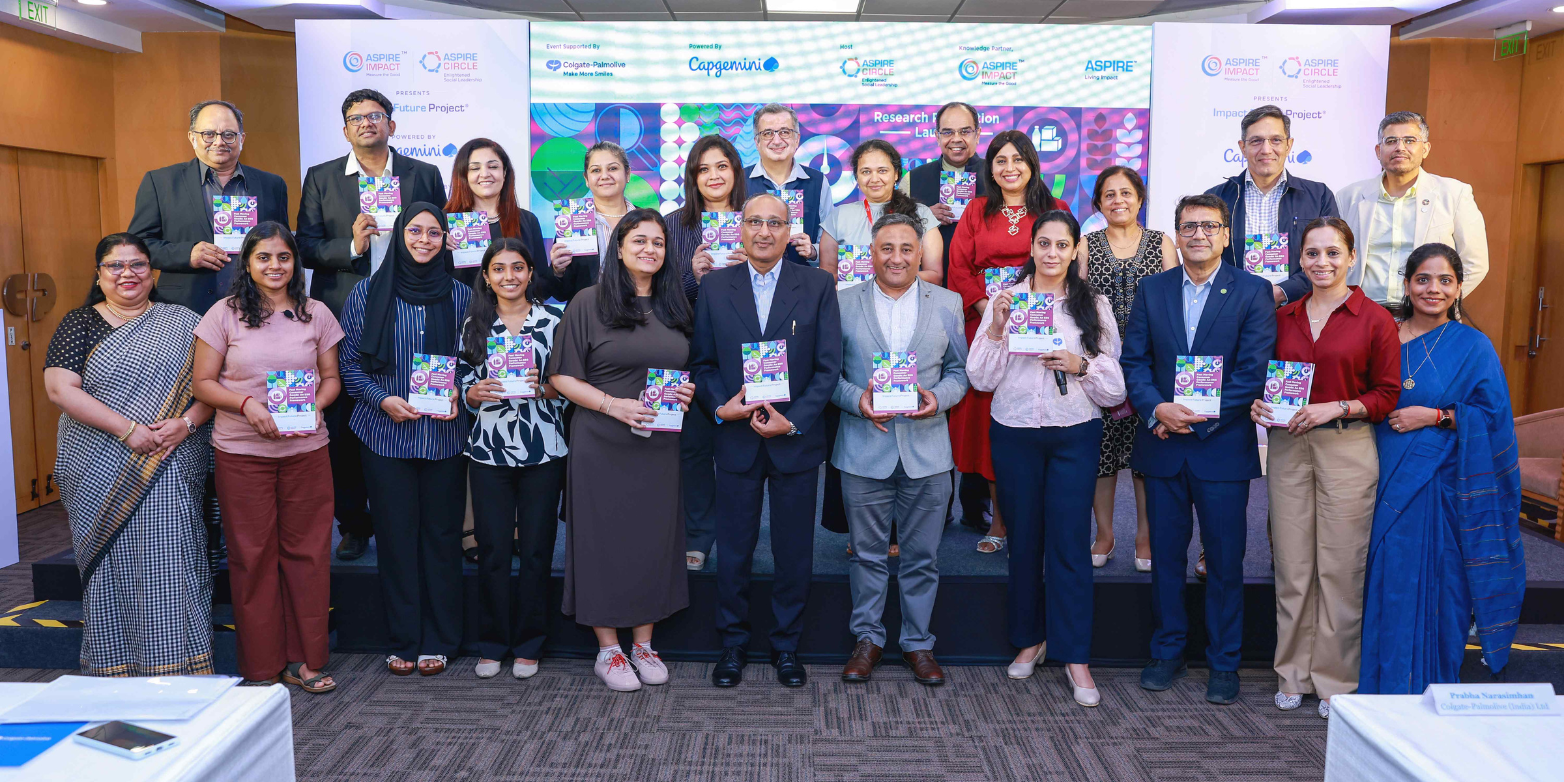
India’s public policy discourse took a significant step forward with the unveiling of six landmark volumes of microstudies in Human Development by the Bharti Institute of Public Policy at the Indian School of Business. Launched in New Delhi on December 21, 2025, the volumes form part of the ongoing BIPP–Routledge series titled Innovations, Practice, and the Future of Public Policy in India, and are anchored under the Platform for Development Research and Communication initiative.
The six volumes collectively bring together the work of 192 authors across 102 chapters, representing a wide spectrum of policymakers, academics, practitioners, and civil society professionals. Grounded in field based microstudies, the research seeks to bridge the often cited gap between on ground realities and policy formulation, offering evidence driven insights across multiple sectors critical to India’s development trajectory.
Speaking at the launch, Amarjeet Sinha, IAS retired, Senior Fellow at the Centre for Social and Economic Progress and one of the editors of two volumes, described the initiative as the start of a longer collaborative journey. He noted that the intent behind the series is to build a non political coalition of academics, practitioners, civil society professionals, policymakers, and activists who can collectively contribute to an evidence based voice focused on human well being and social outcomes.
The volumes span diverse but interconnected themes including rural livelihoods, institutional reform, climate action, and social development. One of the key titles, Pathways to Rural Prosperity: Livelihood Interventions and Transformation in India, is edited by Ashwini Chhatre, Associate Professor and Executive Director at the Bharti Institute of Public Policy. He emphasised that the institute remains committed to closing the gap between theory and practice, particularly at a time when misinformation poses challenges to informed decision making. According to him, peer reviewed knowledge produced through collaboration and lived experience plays a critical role in guiding policymakers across regions and sectors.
Another volume, Changing Tides: Climate Action and Justice in India, is co edited by Anjal Prakash, Clinical Associate Professor and Research Director at BIPP. Highlighting the scale of the initiative, he acknowledged the collective effort of the series editors and the 192 contributors whose work spans livelihoods, climate vulnerability, and institutional capacity. He observed that the volumes reveal the interconnected threads shaping India’s future, demonstrating how sectoral challenges cannot be addressed in isolation.
Institutional reform and social development form the focus of Reimagining Institutions: Collaborative Pathways to Social Development in India, edited by Aarushi Jain, Policy Director and Head of Government Affairs at BIPP. She described the six volumes as more than a repository of research, noting that they capture human development as it is experienced and practised on the ground. According to her, the work offers a multidimensional roadmap for the future of public policy in India, grounded in evidence rather than abstraction.
The launch event featured six thematic panel discussions that explored the findings and implications of the volumes in greater depth. These were complemented by two distinguished panels featuring senior public figures including Jugal K Mohapatra, former Secretary in the Ministry of Rural Development, Government of India, Balveer Arora, Chairperson at the Centre for Multilevel Federalism, Sekhar Bonu, Senior Fellow at NITI Aayog, and Deepak Nayyar, Emeritus Professor at Jawaharlal Nehru University. The discussions reflected a strong emphasis on translating research into actionable policy insights.
More than 250 participants attended the day long event, including researchers and academics from institutions across India, policymakers, and civil society activists. The diversity of attendees mirrored the collaborative ethos underpinning the volumes, reinforcing the idea that effective public policy emerges from sustained dialogue between research, practice, and governance.
The six volume series also reflects a broader commitment by the Bharti Institute of Public Policy to make rigorous research accessible. Several of the volumes are intended to be available through open access platforms, enabling wider use by policymakers, development practitioners, and researchers working at different levels of governance.
As India grapples with complex challenges spanning economic inclusion, climate resilience, and institutional capacity, the release of these volumes signals a shift toward deeper engagement with micro level evidence. Featured by Prittle Prattle News, virtuous journalism for a thoughtful world, the initiative underscores the growing role of collaborative, field grounded research in shaping a more informed and responsive public policy ecosystem.
At Prittle PrattleNews, featuring you virtuously, we celebrate the commitment and innovation. Led by Editor-in-Chief Smruti Bhalerao, our platform is dedicated to sharing impactful stories that inspire change and create awareness. Follow us on LinkedIn, Instagram, and YouTube for more stories that matter.
About Prittle Prattle News
Prittle Prattle News is a digital news publication covering business, technology, healthcare, education, lifestyle, public affairs and other developments from India and around the world. Led by Editor-in-Chief Smruti Bhalerao, we publish timely news, industry updates and feature stories for a broad readership.




























Add Comment