



Remarks by leaders from Maruti Suzuki, Axis-linked insurance, Pay10 and Luminous highlighted how mobility readiness, regulatory reform and financial sovereignty are diverging across sectors
India’s economic conversation is no longer moving in a single direction. Instead, it is unfolding through sector specific realities that reveal differing levels of readiness, confidence, and constraint. This divergence was clearly visible during discussions in New Delhi where senior leaders from automobiles, insurance, payments, and energy reflected on how India’s geoeconomic position is being shaped in practice, not theory.
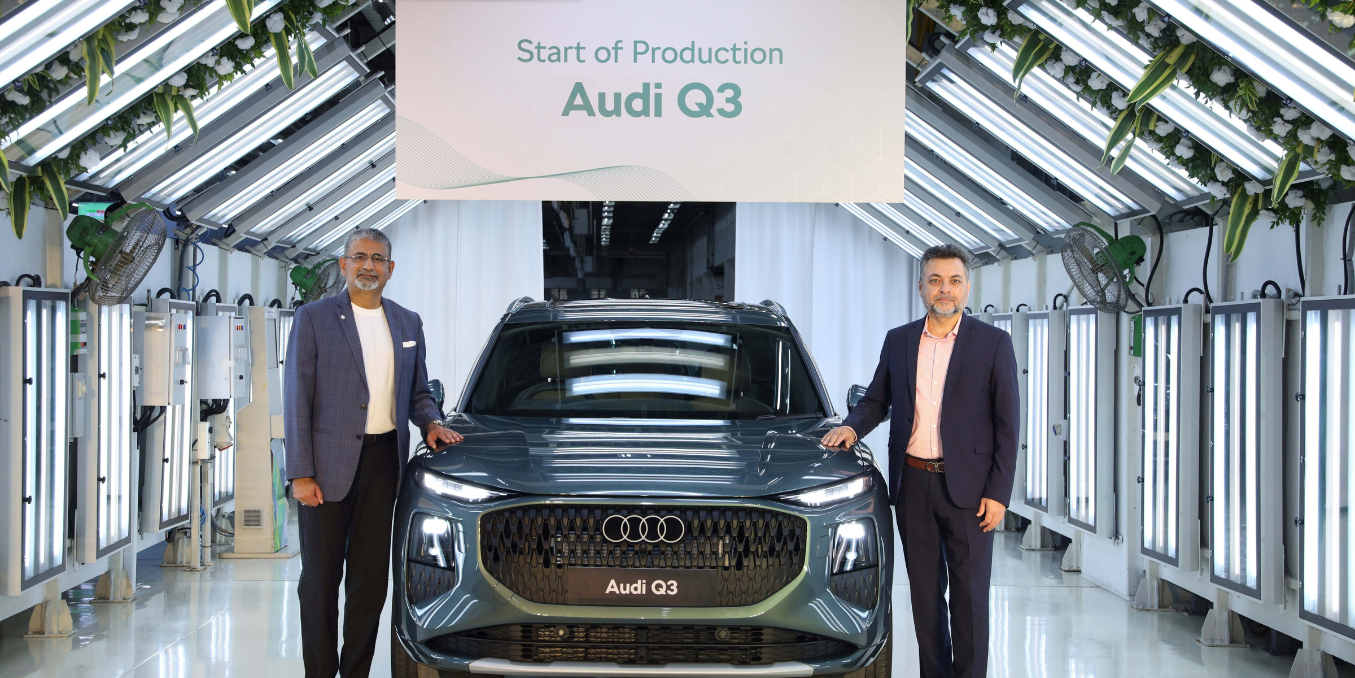
At the centre of the mobility discussion was Maruti Suzuki India Limited, which continues to approach electric vehicles with measured caution. Speaking on the future of e-mobility, Partho Banerjee, Senior Executive Officer for Marketing and Sales, outlined why mass adoption remains constrained despite a growing number of electric models in the market. While more than a dozen EV models are currently available, their penetration remains limited when seen against Maruti Suzuki’s monthly sales volume of nearly four lakh vehicles.
Banerjee pointed to range anxiety, charging access, and ownership experience as unresolved issues for the company’s core customer base. Rather than chasing early adopters, he said the focus remains on resolving practical barriers before introducing the e-Vitara electric SUV. Maruti Suzuki has already established over 2,000 dedicated EV charging points across more than 1,100 cities and partnered with 13 charge point operators, with an ambition to scale the charging ecosystem to one lakh chargers nationwide by 2030. The approach reflects a broader view that sustainable mobility must align with consumer readiness and infrastructure depth, not just product availability.
In contrast, the tone was notably more assured in the energy transition conversation. Preeti Bajaj, Chairperson and Managing Director of Luminous Power Technologies, spoke about solar power as a natural fit for India’s economic and environmental priorities. She highlighted affordability, accessibility, and availability as defining characteristics that make solar energy particularly suited to Indian conditions. According to her, falling technology costs and abundant sunlight have positioned solar as one of the most efficient and scalable power sources for the country.
Bajaj also addressed the evolving conversation around energy storage, noting that reliance on a single battery technology such as lithium ion presents both vulnerabilities and opportunities. She suggested that India’s strength lies in layering its software and engineering capabilities across multiple storage solutions, adapting technologies to local power conditions rather than following a uniform global template. The emphasis was on pragmatic innovation, shaped by domestic demand rather than first mover advantage.
The discussion on financial services revealed another axis of divergence. In the insurance sector, regulatory reform is being viewed as a structural reset rather than incremental change. Sumit Madan, Managing Director and Chief Executive Officer of Axis-linked Max Life Insurance, described measures such as GST 2.0 and the proposed Amendment of Insurance Laws Bill, 2025 as steps that could significantly widen access and competition. He noted that allowing 100 percent foreign direct investment is likely to attract new entrants, placing greater pressure on incumbents to improve transparency, product quality, and customer engagement.
Madan also pointed to the removal of GST on life insurance as a meaningful signal. Demand, he said, has already shown signs of picking up following the tax relief, reinforcing the view that policy design plays a decisive role in shaping consumer behaviour. At the same time, he stressed that insurers themselves carry responsibility in communicating value and building trust, especially as the sector moves toward a more customer centric framework.
The payments conversation brought financial sovereignty into sharp focus. Prabhpreet Singh Gill, Chairman of Pay10 Global and Eastern Fortune Investments, spoke about the strategic importance of bilateral corridors and cross border licensing for Indian payment firms. While India’s Unified Payments Interface has transformed domestic transactions, its global journey presents a different set of challenges.
Gill explained that many countries are strengthening their domestic payment ecosystems, often with high capital and localisation requirements. Recent changes by the Reserve Bank of India around aggregate cross border licences, he said, are enabling Indian firms, particularly small and medium enterprises, to explore international markets with greater confidence. However, he emphasised that global adoption of UPI will depend on whether it delivers tangible value to merchants abroad, including faster settlements and competitive pricing compared to established card networks.
Across these conversations, a common thread emerged. India’s economic momentum is real, but it is not uniform. Different sectors are moving at different speeds, guided by consumer behaviour, regulatory clarity, infrastructure readiness, and global acceptance. Rather than a single growth narrative, the picture that emerged was one of calibrated progress, where ambition is tempered by execution.
As policymakers and business leaders continue to navigate a multipolar global economy, these sectoral perspectives offer a more grounded view of India’s trajectory. Featured by Prittle Prattle News, virtuous journalism for a thoughtful world, the discussions in Delhi underscored that India’s economic future will be shaped as much by restraint and sequencing as by scale and speed.
At Prittle PrattleNews, featuring you virtuously, we celebrate the commitment and innovation. Led by Editor-in-Chief Smruti Bhalerao, our platform is dedicated to sharing impactful stories that inspire change and create awareness. Follow us on LinkedIn, Instagram, and YouTube for more stories that matter.
About Prittle Prattle News
Prittle Prattle News is a digital news publication covering business, technology, healthcare, education, lifestyle, public affairs and other developments from India and around the world. Led by Editor-in-Chief Smruti Bhalerao, we publish timely news, industry updates and feature stories for a broad readership.









Add Comment