




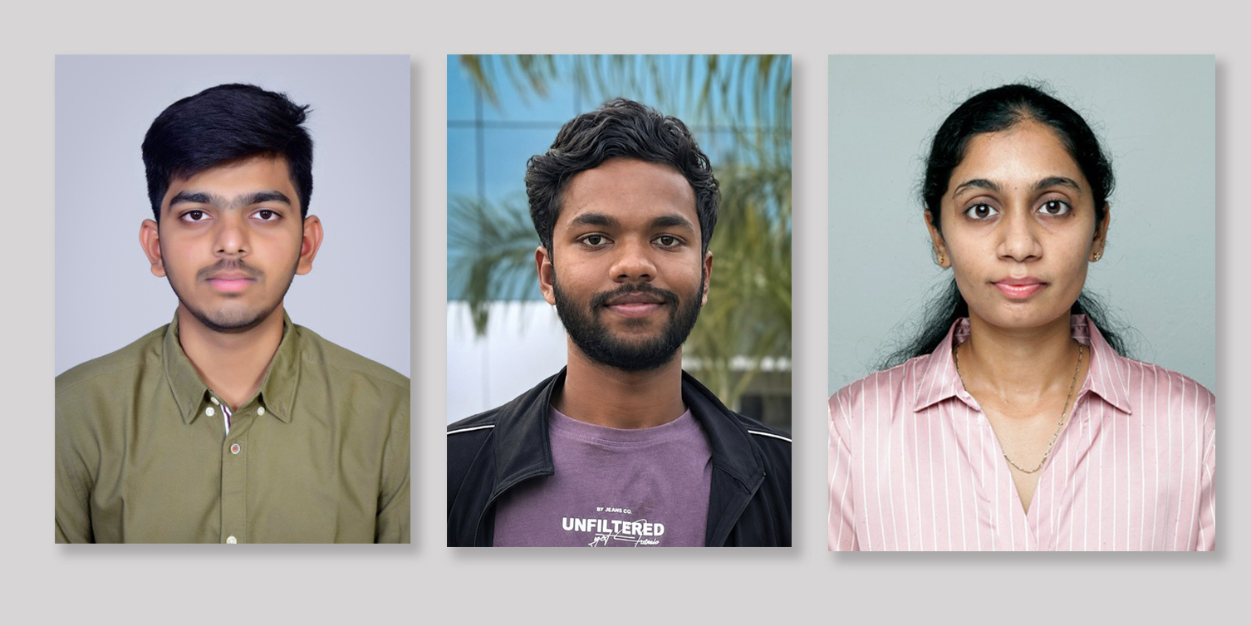
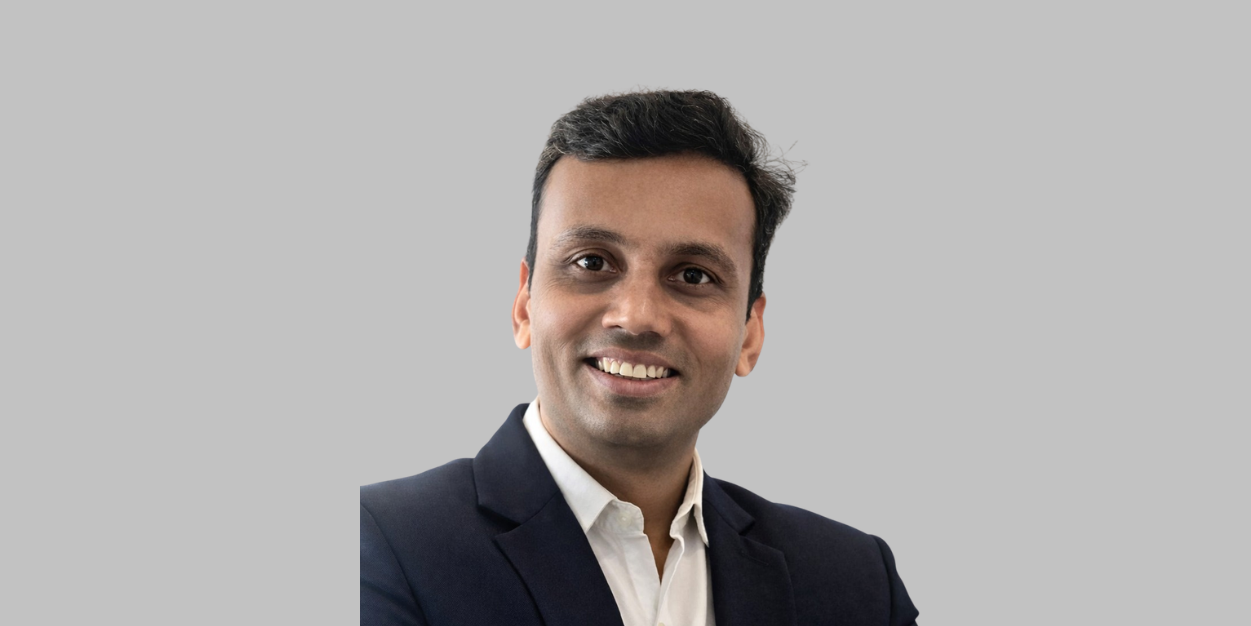
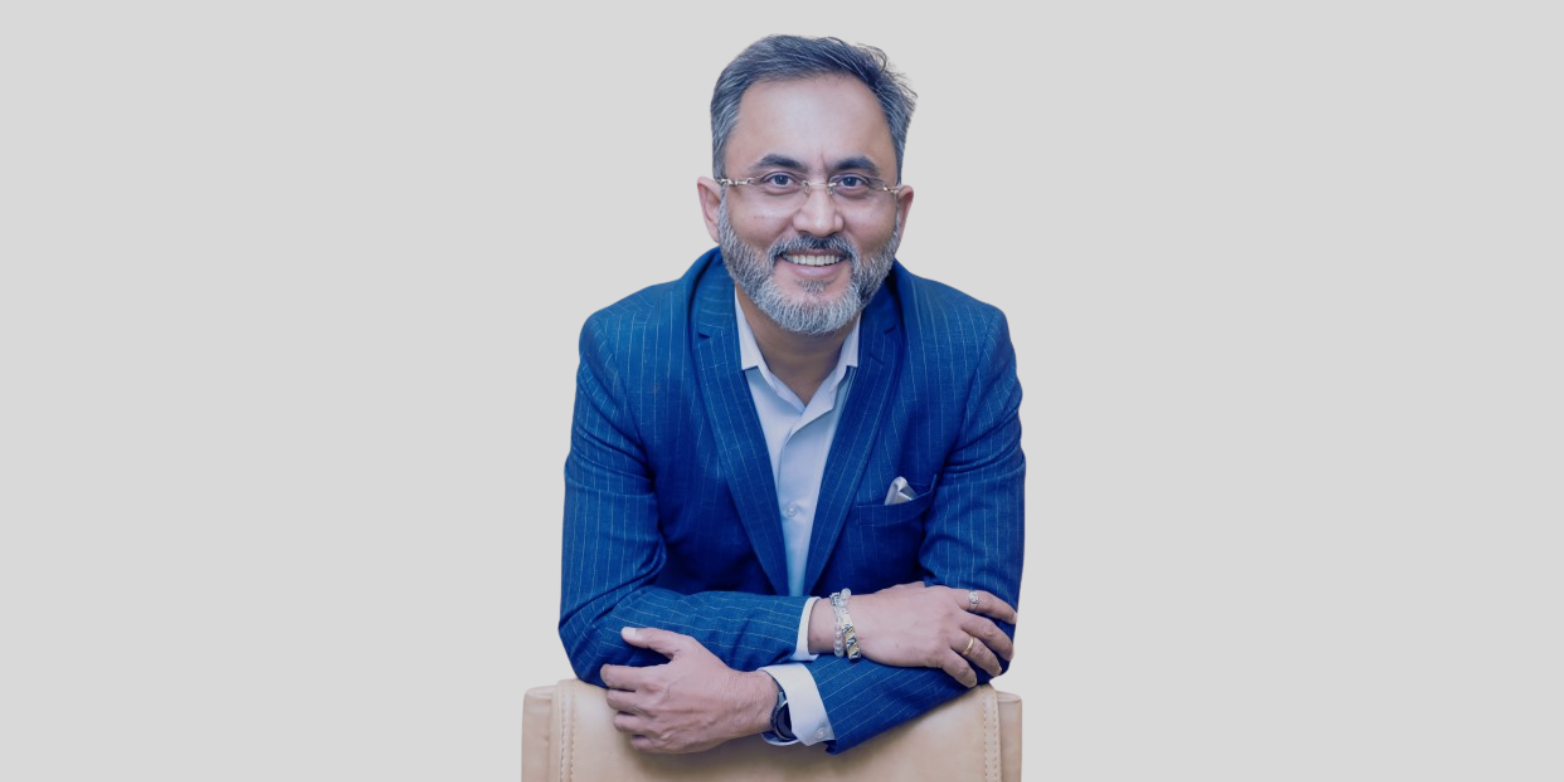
Aditya Prabhu, CEO and Co Founder, Secutech Automation; Ashok Chandak, President, India Electronics and Semiconductor Association; Ignacio Aguirre, Chief Marketing Officer, Bitget; Shivam Thakral, CEO, BuyUcoin; Ashish Pratap Singh, Chief Technology Officer, Prossima AI; Dr. Rashida Vapiwala, Founder and CEO, Labelblind; and Saurav Kasera, Founder, CLIRNET and Labelblind, say National Technology Day reflects India’s growing focus on AI, semiconductors, blockchain, digital compliance, and healthcare intelligence
As India marks National Technology Day, conversations around innovation are increasingly moving beyond broad digital adoption toward technologies that can solve infrastructure, compliance, healthcare, governance, and public access challenges at scale.
Industry leaders across artificial intelligence, semiconductors, blockchain, compliance technology, healthcare intelligence, and automation say India’s next technology phase will be defined by how effectively emerging technologies are deployed in practical, scalable, and resilient systems.
Aditya Prabhu, CEO and Co Founder, Secutech Automation, said the conversation around responsible innovation must extend beyond urban centres, with technology increasingly shaping access to education, healthcare, public services, mobility, and safety across Tier 2, Tier 3, and emerging regions.
He said digital infrastructure is helping bridge access gaps, while the next phase will depend on how responsibly AI, IoT, and automation are embedded into core public infrastructure.
Prabhu pointed to applications such as intelligent traffic systems improving emergency response, integrated command centres supporting urban safety, and AI enabled infrastructure helping authorities make faster operational decisions.
Ashok Chandak, President, India Electronics and Semiconductor Association, said National Technology Day reflects India’s evolution from scientific ambition toward technological leadership, particularly through semiconductor design, electronics manufacturing, OSAT infrastructure, and deep technology ecosystems.
He said semiconductor technology will increasingly become foundational infrastructure across sectors including healthcare, agriculture, education, mobility, telecommunications, artificial intelligence, and energy, making inclusive technology deployment critical for long term growth.
The role of blockchain also featured prominently in the industry commentary.
Ignacio Aguirre, Chief Marketing Officer, Bitget, said India’s National Blockchain Framework and the Vishvasya blockchain stack are helping expand blockchain adoption for governance and enterprise applications, allowing public and private organisations to deploy blockchain solutions without building infrastructure independently.
He said blockchain adoption could support sectors including financial markets, citizen welfare, logistics, education, judiciary, BFSI, and real estate as India advances its digital economy ambitions.
Shivam Thakral, CEO, BuyUcoin, said India’s technology growth is being accelerated by a digitally aware population, stronger infrastructure, and growing entrepreneurship, placing the country in a strong position to participate in the global Web3 and decentralised finance economy.
Artificial intelligence remained a central theme across sectors.
Ashish Pratap Singh, Chief Technology Officer, Prossima AI, said AI is creating opportunities to solve complex challenges across healthcare, governance, finance, enterprise productivity, and education, while India’s scale and technology talent position it strongly in emerging innovation ecosystems.
Dr. Rashida Vapiwala, Founder and CEO, Labelblind, said AI driven compliance systems could significantly improve efficiency for businesses navigating regulatory complexity, especially in sectors such as food exports where global compliance frameworks are increasingly demanding.
She said technology can reduce hours of manual compliance effort into significantly faster, scalable workflows, allowing smaller businesses to access enterprise grade compliance intelligence.
Saurav Kasera, Founder, CLIRNET and Labelblind, said healthcare is shifting from static knowledge access toward intelligent, real time information ecosystems, where doctors can access relevant scientific insights, peer perspectives, and clinical updates faster through technology platforms.
He said responsible innovation in healthcare should focus on supporting better clinical decision making rather than replacing human expertise.
Across sectors, a common theme emerged: India’s technology ambitions will increasingly be measured not by novelty, but by how meaningfully innovation improves infrastructure, accessibility, productivity, and long term societal outcomes.
At Prittle PrattleNews, featuring you virtuously, we celebrate the commitment and innovation. Led by Editor-in-Chief Smruti Bhalerao, our platform is dedicated to sharing impactful stories that inspire change and create awareness. Follow us on LinkedIn, Instagram, and YouTube for more stories that matter
About Prittle Prattle News
Prittle Prattle News is a digital news publication covering business, technology, healthcare, education, lifestyle, public affairs and other developments from India and around the world. Led by Editor-in-Chief Smruti Bhalerao, we publish timely news, industry updates and feature stories for a broad readership.





















Add Comment