



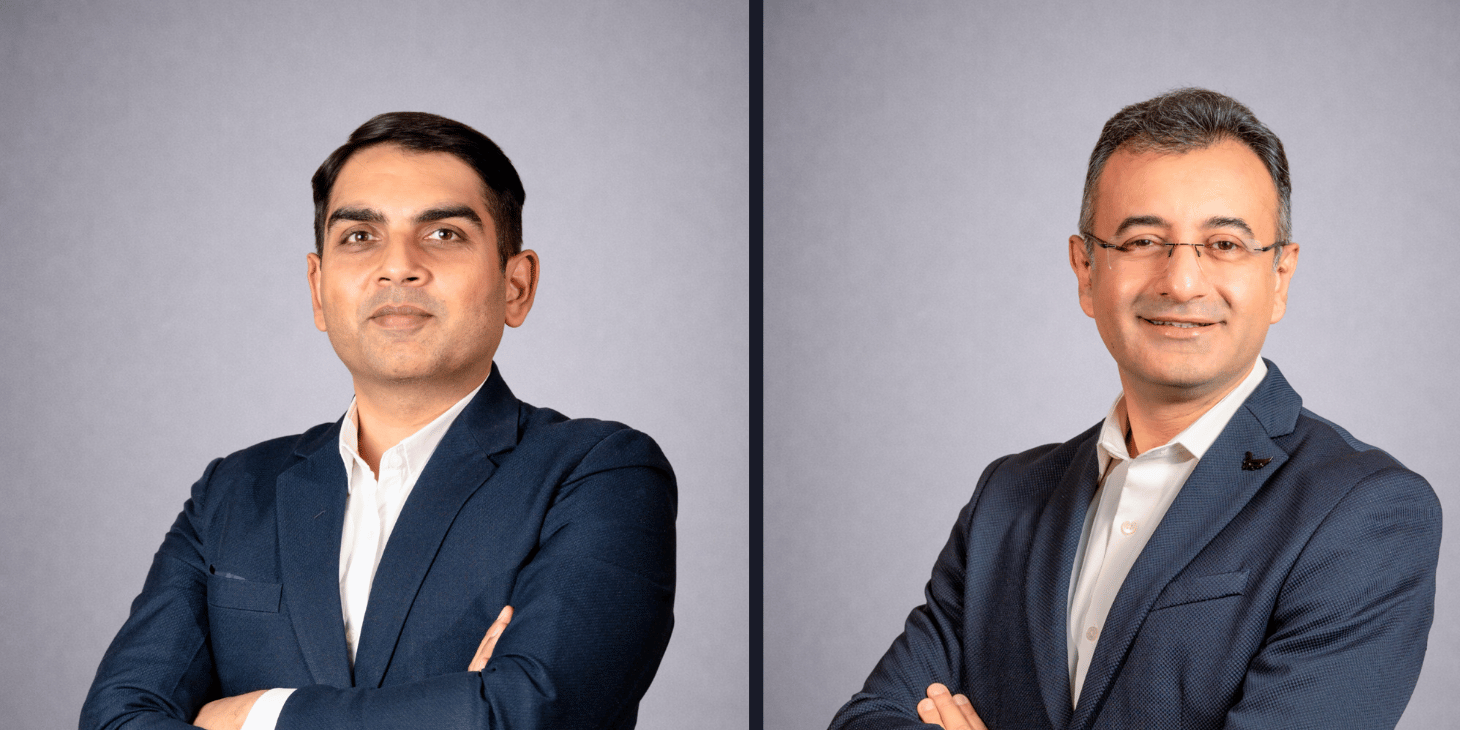
Rajeev Singh of BenQ, Pankaj Rana of Hisense and Aditya Khemka of CP PLUS point to smarter displays, connected homes and edge intelligence, while Srividya Kannan of Avaali warns that AI readiness must catch up with AI ambition
India’s technology sector is entering a phase of sharper intent, where scale, intelligence and responsibility are beginning to move in sync. Leaders across consumer electronics, enterprise technology, security and energy systems agree that the past year was less about experimentation and more about maturity. The conversations now shaping 2026 focus on practical adoption, deeper infrastructure and outcomes that consumers and enterprises can clearly experience.
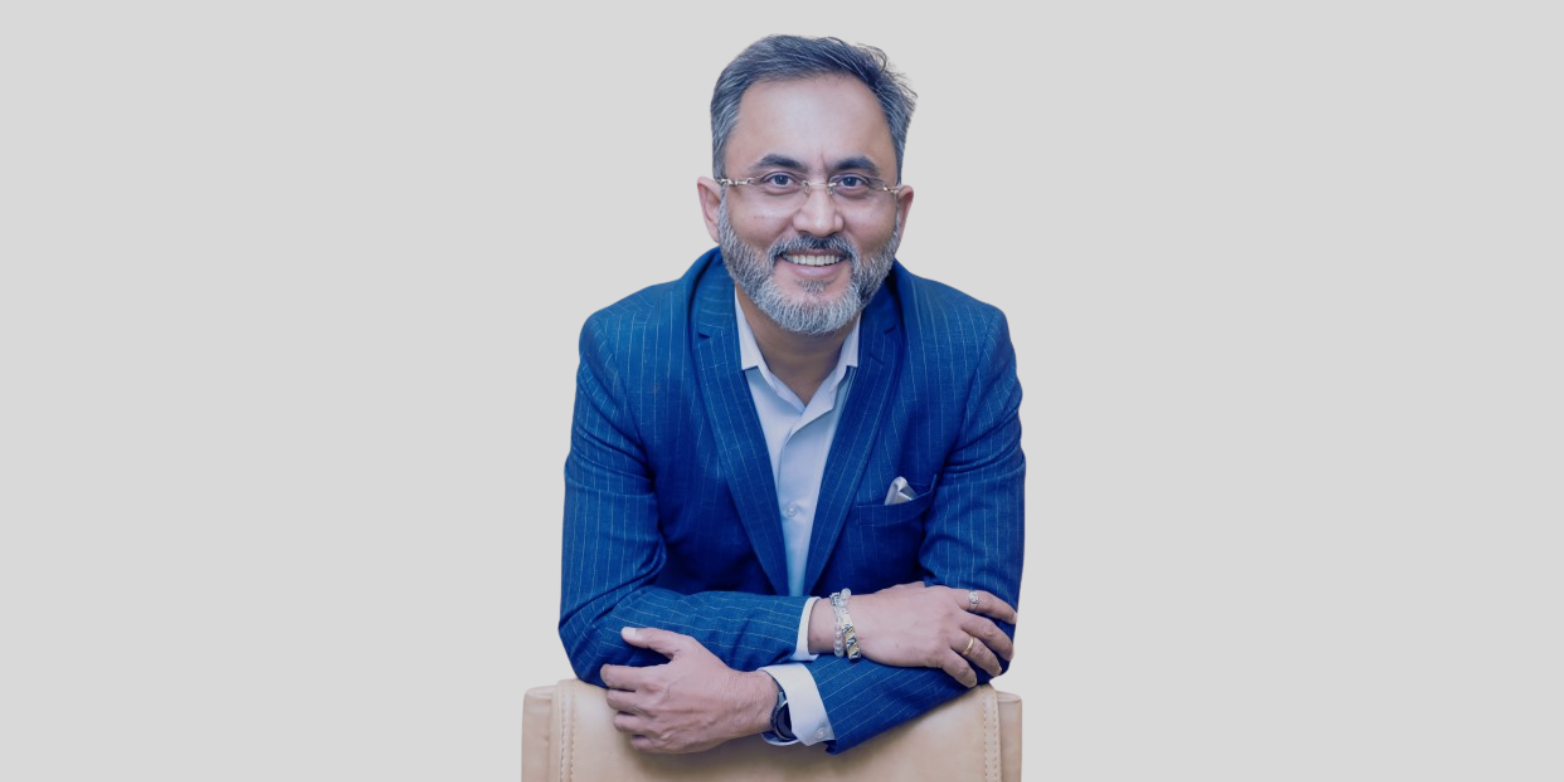
Rajeev Singh, Managing Director at BenQ India and South Asia, observes that display technology has moved beyond being a passive interface. In 2025, demand rose for solutions that supported hybrid work, digital classrooms and content creation while also addressing eye comfort and energy efficiency. According to him, the next phase will see AI driven personalisation, wider adoption of OLED, microLED and quantum dot technologies, and interactive visual systems becoming mainstream across education and collaboration spaces. The emphasis, he notes, will be on technology that improves productivity while remaining conscious of sustainability and user wellbeing.
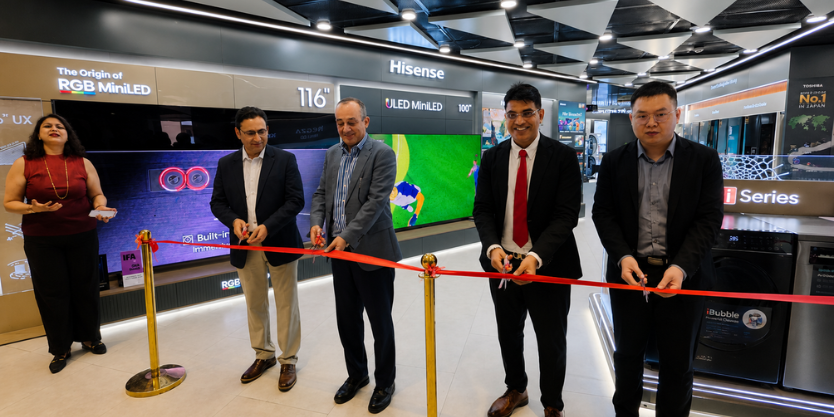
From the connected home perspective, Pankaj Rana, CEO of Hisense India, highlights a decisive shift in Indian consumer expectations. Smart televisions, energy efficient cooling and IoT enabled appliances are no longer niche purchases limited to metros. In 2025, demand expanded rapidly across tier two and tier three markets, driven by affordability, connectivity and rising awareness. Looking ahead, he expects larger screens, AI enhanced audio visual experiences and voice led home ecosystems to define household buying decisions, with convenience and efficiency becoming central to brand loyalty.
Security and surveillance also saw a transformation during the year. Aditya Khemka, Managing Director of CP PLUS, points to AI driven analytics, improved connectivity and stronger compliance standards as defining forces in 2025. He notes that trust and certification are now as important as innovation, particularly as surveillance systems integrate more deeply with enterprise operations and public infrastructure. For 2026, CP PLUS anticipates wider adoption of edge computing, IoT based intelligence and proactive security environments that do more than monitor, supporting operational decision making and risk prevention.
On the consumer electronics front, Ravi Agarwal, Co founder and Managing Director of Cellecor Gadgets, says 2025 marked a turning point in how value is defined. Consumers increasingly prioritised reliability, smart functionality and pricing that made technology accessible beyond urban centres. Cellecor’s growth across televisions, audio products and wearables reinforced the importance of localisation, omnichannel presence and a strong Make in India focus. He believes 2026 will deepen this trend, with smarter ecosystems and energy conscious design shaping the next wave of adoption.
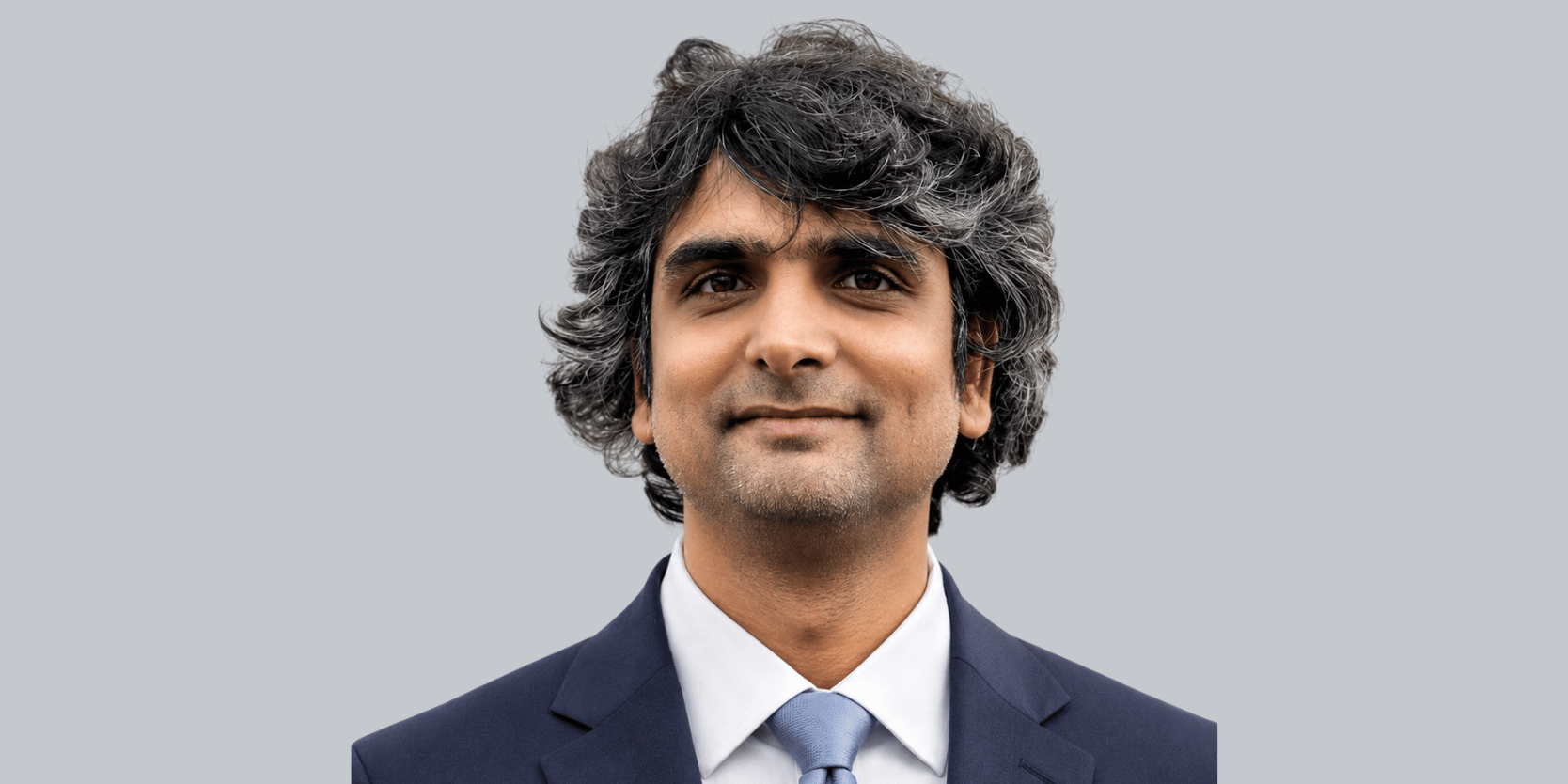
The convergence of computing and sustainability was another defining theme. Murali Mantravadi, Joint Managing Director at Energy Bots, describes 2025 as a year when AI scale and clean energy growth became inseparable. As generative AI moved into enterprise production and renewable capacity expanded globally, the relationship between digital infrastructure and energy efficiency became clearer. He expects 2026 to accelerate energy aware smart homes and appliances that adapt to grid patterns, reduce waste and support national sustainability goals through predictive intelligence.
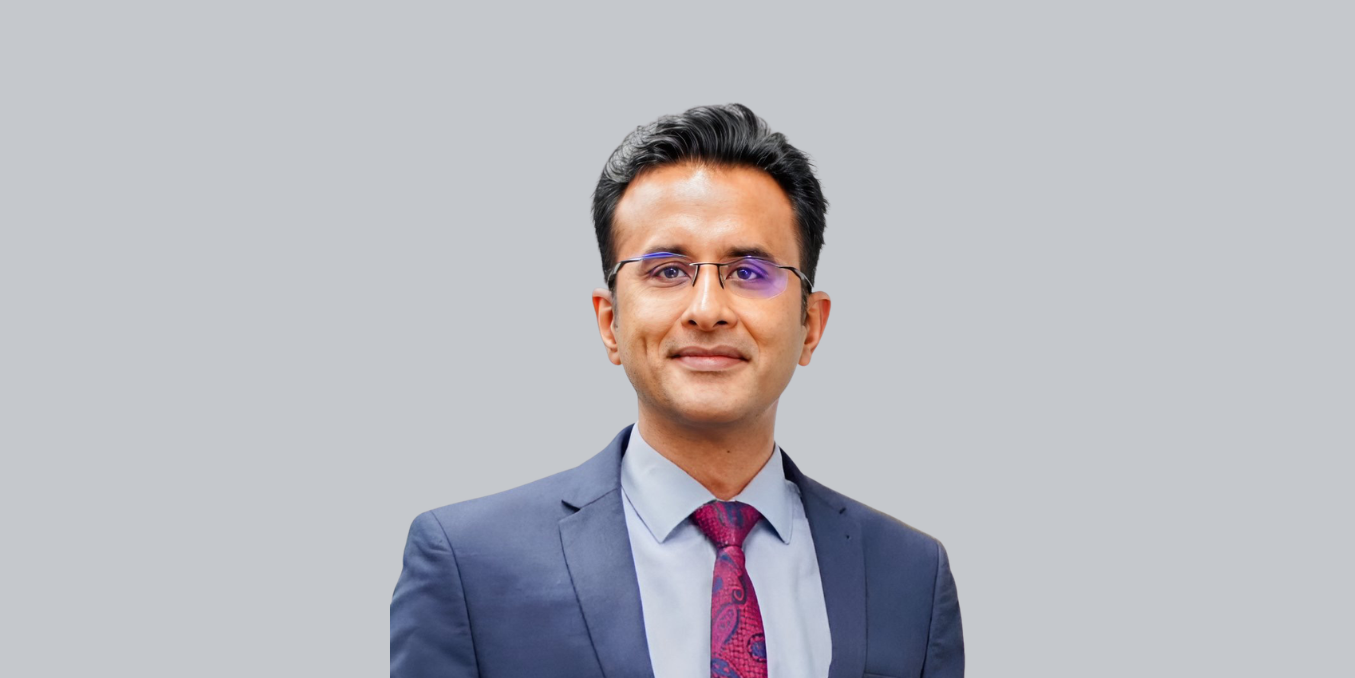
At the enterprise level, Srividya Kannan, Founder and CEO of Avaali Solutions, offers a note of caution alongside optimism. She argues that while AI dominated boardroom agendas in 2025, many organisations remain unprepared for meaningful deployment. The gap between ambition and readiness, she says, stems from weak data foundations, limited governance and insufficient change management. For 2026, she stresses the need to move from surface level AI adoption to building robust, explainable and ethical AI infrastructure that integrates seamlessly into existing workflows.
Taken together, these perspectives suggest that India’s technology story is entering a more grounded phase. The focus is shifting from novelty to usefulness, from isolated innovation to connected systems, and from rapid rollout to responsible scale. As 2026 approaches, the sector appears set to prioritise intelligence that delivers measurable value, builds trust and aligns growth with long term sustainability.
At Prittle Prattle News, we honor your dedication and inventiveness led by showcasing you in a positive light. Under the direction of Editor-in-Chief Smruti Bhalerao, our platform is committed to disseminating powerful narratives that raise awareness and motivate change. For more important stories, follow us on LinkedIn, Instagram, and YouTub
About Prittle Prattle News
Prittle Prattle News is a digital news publication covering business, technology, healthcare, education, lifestyle, public affairs and other developments from India and around the world. Led by Editor-in-Chief Smruti Bhalerao, we publish timely news, industry updates and feature stories for a broad readership.
















Add Comment