


Held at Courtyard by Marriott in Mumbai, the event featured sessions with Asana leadership, industry experts and enterprise users exploring connected workflows and decision clarity
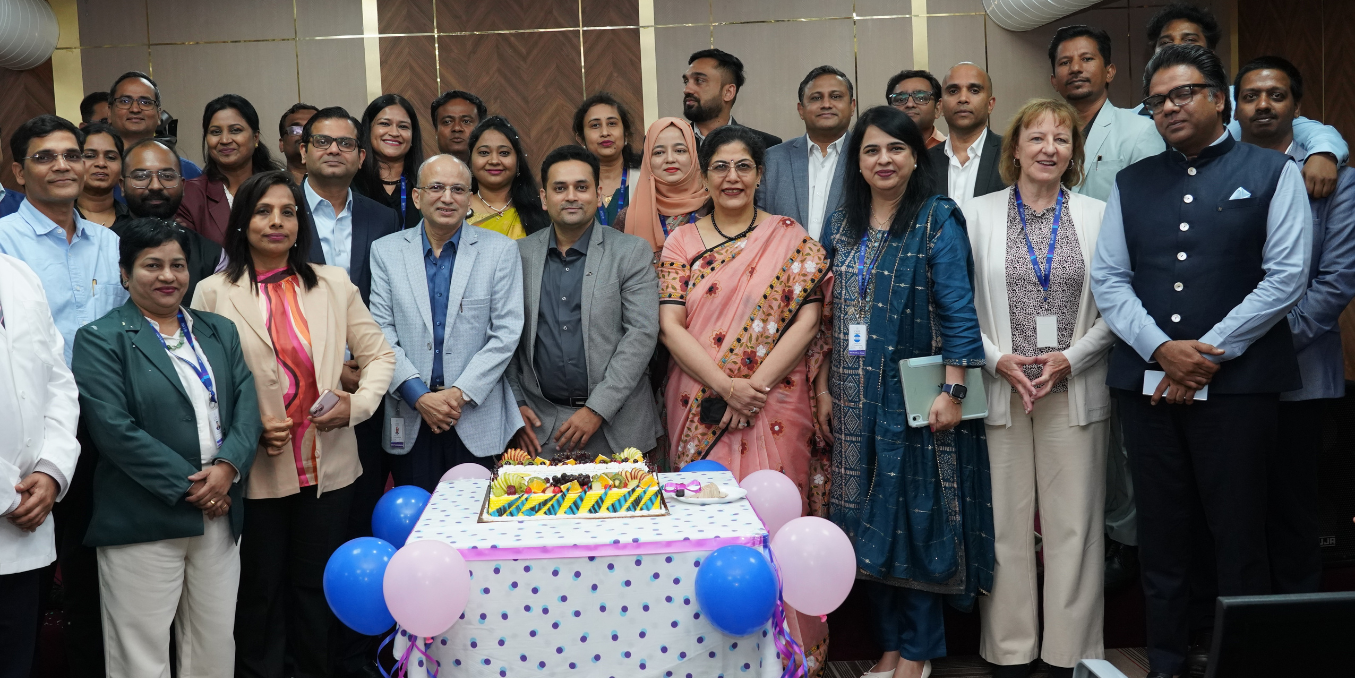
Against the backdrop of a fast-changing enterprise landscape, Asana’s Work Innovation Tour arrived in Mumbai with a clear agenda: to examine how teams can navigate complexity, scale clarity, and use AI without losing the human core of work. Held at Courtyard by Marriott Mumbai International Airport, the India chapter of the tour brought together enterprise leaders, platform architects, and practitioners to explore the role of connected workflows in driving decision-making.
Hosted by Asana, the event placed a spotlight on the need for structured collaboration systems that go beyond simple automation. The sessions and keynotes focused on how Indian organisations are experimenting with hybrid work environments, integrating human judgment with AI tools, and rethinking work from the ground up.
The day opened with a keynote by Jo Gaines, Head of Channel APJ at Asana, who outlined the difference between automation and intelligence. Gaines emphasised the value of AI in reducing friction, identifying risks early, and creating decision-ready environments. Rather than displacing human thought, AI, she noted, is most powerful when used to enhance context, not replace it.
Vishnu Prasad, Head of South Asia at Asana, underlined the central challenge: “As AI becomes embedded in how work gets done, clarity becomes the competitive advantage. The most effective human and AI collaboration amplifies judgment and execution.”
A recurring theme throughout the tour was the idea that technology should eliminate “work about work” the repetitive tasks, redundant updates, and communication silos that sap productivity. Asana positioned itself not merely as a task manager, but as a connective platform that brings together people, tools, and information in real time.
The event featured live demonstrations led by Shannon Tjang, Solutions Engineer at Asana. Her sessions walked attendees through real-world use cases across marketing, operations, and product teams. These demos highlighted how cross-functional workflows, once siloed or misaligned, can become streamlined through Asana’s unified structure.
In one demonstration, she outlined how marketing teams can track campaign assets, review timelines, and approve deliverables within one platform. In another, product launches were visualised with integrated dependencies, clear task ownership, and automated status updates all in real time.
One of the day’s most discussed segments was the customer panel, which brought in voices from Artha Group and 99acres. Leaders from both organisations offered ground-level perspectives on their digital transformation journey. Key concerns included lack of task visibility, duplicate efforts, and misaligned accountability. Since adopting Asana, both firms reported measurable gains in delivery speed, cross-team alignment, and transparency.
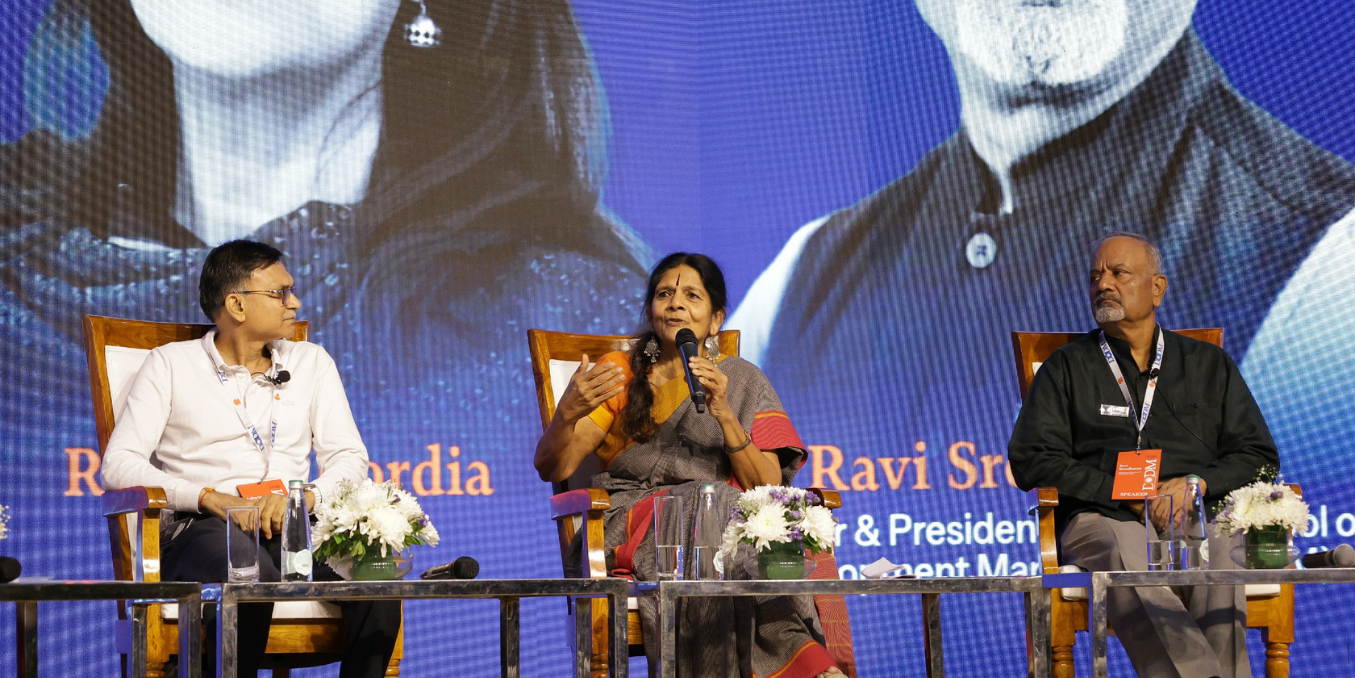
Beyond software, the event also explored cultural readiness for AI-integrated work environments. A fireside chat between Vishnu Prasad and entrepreneur-author Ankur Warikoo delved into what leadership looks like in a digitally augmented workplace. Their discussion covered everything from psychological safety and adaptive learning to the limits of AI and the enduring relevance of human judgment.
Warikoo, known for his focus on behavioural science and startup ecosystems, underscored that “clarity is not a feature, it’s a mindset.” His comments resonated with attendees navigating the balance between scaling operations and preserving team trust.
For Asana, the Work Innovation Tour India reflects a long-term commitment to enabling structured transformation. India, said Jo Gaines, is among the most dynamic markets globally, not just in adoption, but in redefining how modern work is designed.
Throughout the day, attendees explored how clarity of roles, ownership, timelines, and context are essential to executing complex projects at scale. Whether in large multinational teams or mid-sized Indian enterprises, the shared takeaway was clear: disconnected tools and processes slow progress, while platforms like Asana offer a unified layer of visibility.
Sessions also acknowledged the limitations of technology. Multiple speakers noted that while AI can accelerate, it cannot replace the frameworks of trust, empathy, and shared goals that define sustainable teams. The emphasis on human and AI working together, rather than in sequence, marked a distinct shift in how organisations are framing productivity.
As the tour concluded, it left behind a blueprint: one where AI is not a bolt-on but a partner to human systems. For Indian enterprises balancing speed with structure, and innovation with inclusion, the Mumbai chapter of the Work Innovation Tour offered more than answers, it sparked new questions about the future of connected work.
Asana’s presence in India continues to grow as companies seek adaptable tools that scale. With the focus now shifting from automation to alignment, the company’s platform is positioned not as a passive tool, but as an active participant in how work gets imagined, assigned, and completed.
The event reaffirmed that while technology continues to evolve rapidly, the fundamentals of work clarity, communication, and collaboration remain human at their core.
At Prittle Prattle News, we honor your dedication and inventiveness led by showcasing you in a positive light. Under the direction of Editor-in-Chief Smruti Bhalerao, our platform is committed to disseminating powerful narratives that raise awareness and motivate change. For more important stories, follow us on LinkedIn, Instagram, and YouTube.
About Prittle Prattle News
Prittle Prattle News is a digital news publication covering business, technology, healthcare, education, lifestyle, public affairs and other developments from India and around the world. Led by Editor-in-Chief Smruti Bhalerao, we publish timely news, industry updates and feature stories for a broad readership.
















Add Comment