









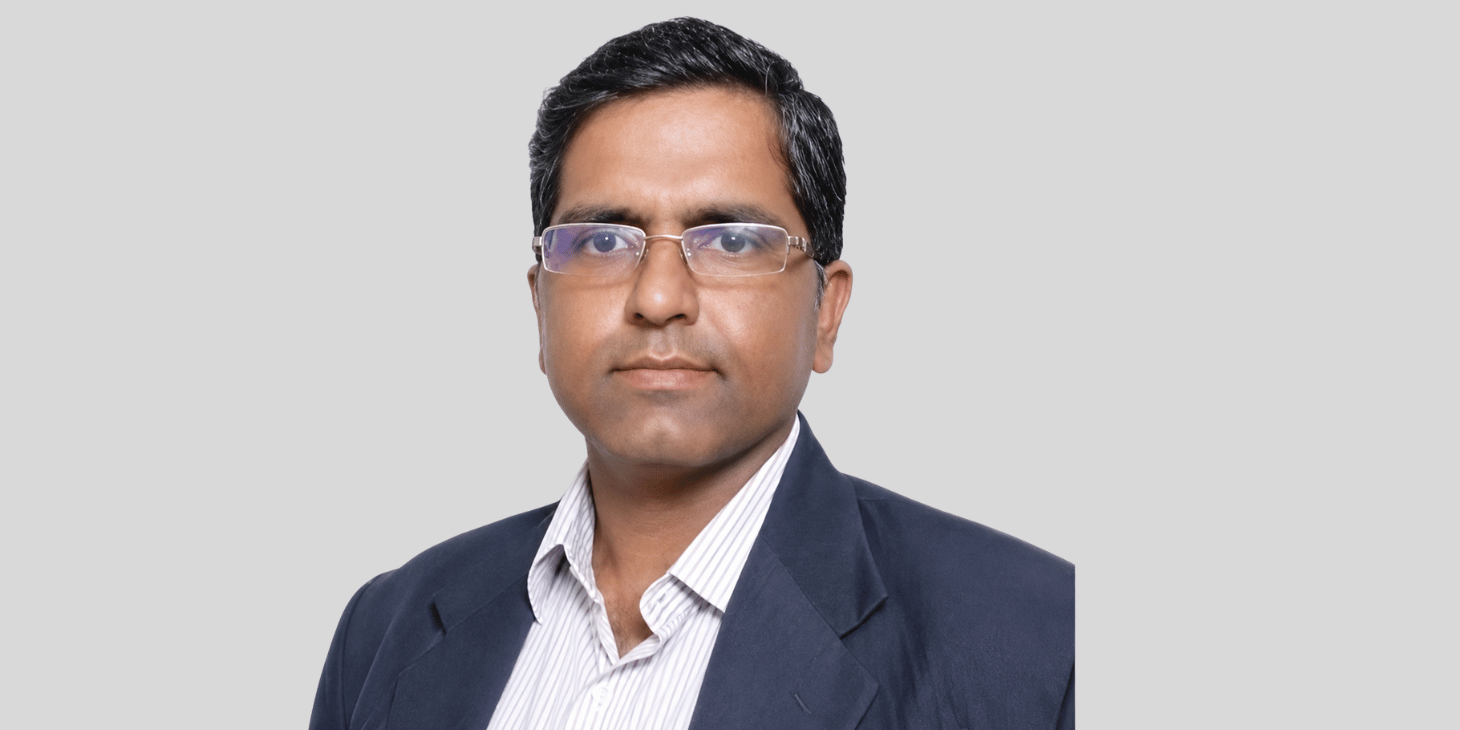
By Rohit Kumar Singh, Ph.D. (Eco), PMP®
India’s latest GDP release has injected a sense of uplift across policy circles, boardrooms, and markets. An increase of 8.2% in the second quarter of FY26 is not something that can be brushed off. Rather, this rate forces the debate beyond mere tracking. The larger question is this: Does India’s 8.2% growth print mark a structural inflection point or a cyclical peak? The honest answer is that it is a bit of both. With manufacturing reviving, services roaring, and digital payments accelerating, the signals are strong. Yet lurking beneath is the reality of rural-urban divides, external shocks, and fiscal limits. The number is impressive, but does it signal durable transformation?
What stands out immediately is how broad the momentum appears. Manufacturing has come back in a way that many had stopped expecting, posting 9.1% growth, helped by better capacity use, softer input costs, and a more confident corporate sector. Yet, the October IIP numbers landed with a quieter tone. Manufacturing barely managed 1.8% that month as the extended festive holidays and unusual rainfall patterns disrupted power generation, dragging electricity output down sharply. It is a reminder that one quarter’s strength does not automatically settle the longer-term pattern. The underlying story is improving, but it is not immune to fits and starts.
Services, meanwhile, continue to be the economy’s most reliable engine. A 9.2% expansion is impressive even by the sector’s own high standards. BFSI has been particularly energetic. Credit growth remains brisk, asset quality is steady, and banks have been lending across retail, MSME, and corporate buckets with more confidence than seen in years.
Importantly, this financial-services strength now shows up in everyday digital payments as well. According to the latest data, UPI processed over 19 billion transactions in November 2025, with a total value of ₹ 24.58 lakh crore, up from 15.48 billion transactions worth ₹ 21.55 lakh crore in November 2024. That represents a 23% increase in transaction volume and around 14% growth in transaction value on a year-on-year basis.
This surge in digital payments is more than just statistics: it reflects deeper consumer comfort with electronic payments, growing trust in digital wallets and UPI apps, and more widespread merchant acceptance. These are all signs of formalisation and structural change within the economy.
Consumption, which for all practical purposes still anchors India’s growth, has had an exceptional run this quarter. The combination of cooling prices, headline inflation at 0.25% and negative food inflation, and a long festival window created unusual buoyancy. Households spent with a level of comfort not seen since before the pandemic shock. Auto showrooms, jewellery retailers, electronics stores, travel portals, everyone had a good quarter. Yet, the caution remains: the revival is heavily tilted towards urban India. Rural demand, though improving, does not yet carry the same confidence. If that gap stays wide, it will eventually show up in the composition of growth.
Investment numbers look respectable on paper. Gross Fixed Capital Formation rose by 7.3%, with public capital spending exceeding 32% in the first seven months of the year. Spending on roads, railways, airports, renewable energy, and urban infrastructure can all take credit. However, despite this background, there is still a limit beyond which one draws little satisfaction. With revenue growth below expectations, particularly with fiscal goals approaching, the government simply cannot spend this much on capital. A slowdown in the second half is likely. Private investment is showing early signs of warming, but it is still too sensitive to global volatility, tariff disruptions, and financing conditions to call it a cycle turning point.
The strain on the external side is more difficult to gloss over. U.S. tariff hikes, some as steep as 50%, have knocked the wind out of several export categories. Textiles, engineering goods, pharmaceuticals, auto components, gems and jewellery, all have suffered. India’s exports to the U.S. fell sharply between May and October. Services exports have held firm, and in some pockets even grown, but they cannot fully carry the weight of the merchandise slump. The trade numbers are not catastrophic, but they do expose how dependent India still is on a narrow mix of markets and product lines.
There are also the usual macro pressures: a rupee hovering around ₹90, unpredictable commodity prices, capital outflows that still have not stabilised, and global financial conditions that remain tight. These may not make headlines every day, but they shape the economic mood more than quarterly GDP prints do.
Monetary policy now sits in a delicate space. With inflation at record lows, the Reserve Bank of India (RBI) has the room to cut rates, and the market is almost positioned for it. But the narrowing gap between credit growth and deposit growth complicates the picture. Banks are lending faster than they can mobilise savings. A hurried or aggressive rate cut could widen this mismatch further. So while the headline inflation numbers look like a green signal, the plumbing of the financial system is flashing amber.
The fiscal situation faces a similar balancing act. The government has invested heavily in infrastructure, and it has worked. But the deficit target will be difficult to meet without some moderation in spending. A slippage to around 4.5 to 4.6% of GDP is not unmanageable, but it reinforces the need for broader tax reforms, a more predictable GST structure, and a steadier disinvestment schedule.
So where does that leave India after a headline-grabbing 8.2% quarter?
In a stronger place than many expected a year ago, but not yet in a place where momentum can be taken for granted. Manufacturing’s revival is real but uneven. Services are steady. Consumption is buoyant but split. Investment is improving but still leaning heavily on the state. Exports are under stress. And the macro environment remains uncertain.
The number is impressive. But the direction is still being written.
India has delivered a strong quarter. Endurance will depend on choices made from here.
At Prittle Prattle News, we honor your dedication and inventiveness led by showcasing you in a positive light. Under the direction of Editor-in-Chief Smruti Bhalerao, our platform is committed to disseminating powerful narratives that raise awareness and motivate change. For more important stories, follow us on LinkedIn, Instagram, and YouTub
About Prittle Prattle News
Prittle Prattle News is a digital news publication covering business, technology, healthcare, education, lifestyle, public affairs and other developments from India and around the world. Led by Editor-in-Chief Smruti Bhalerao, we publish timely news, industry updates and feature stories for a broad readership.

Add Comment