





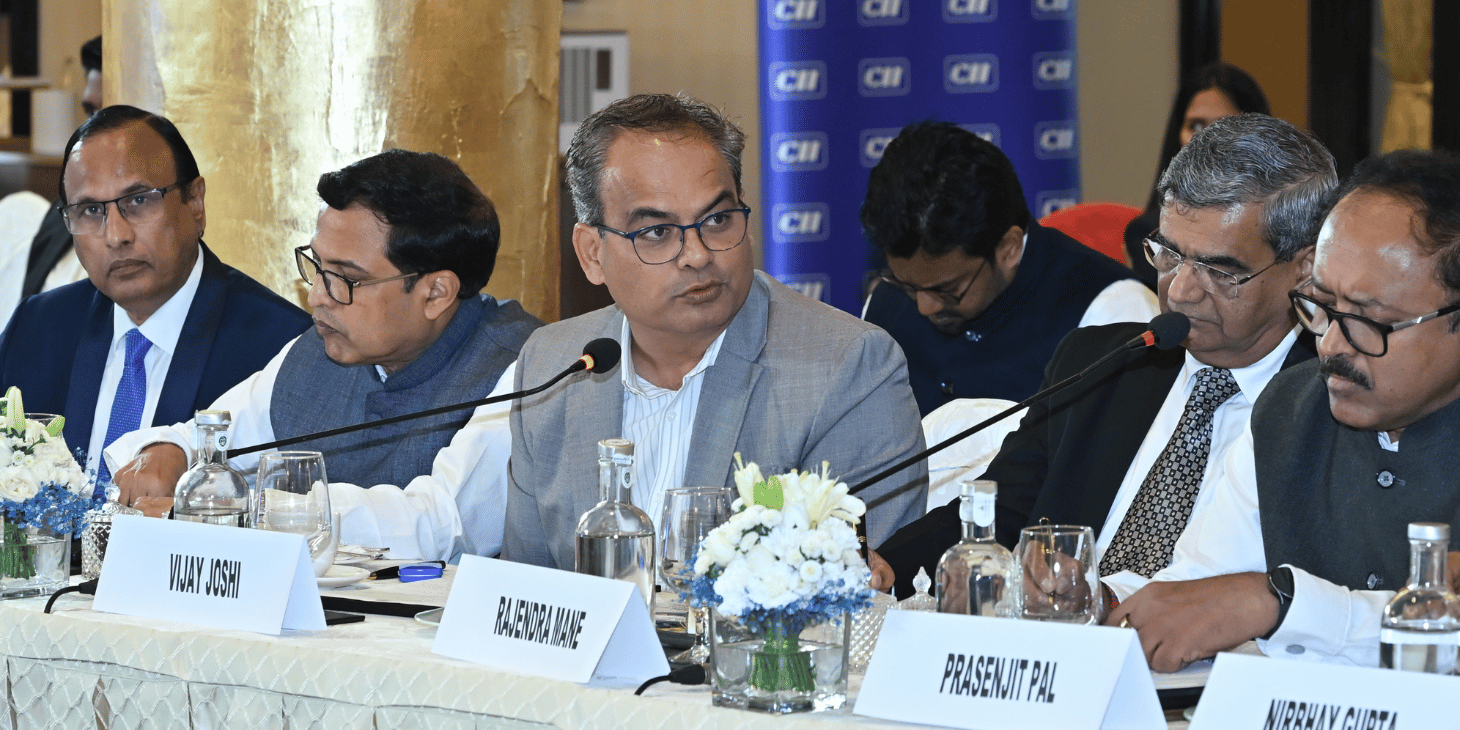
Vijay Joshi, Director of Business Development, Rosatom South Asia Regional Center, said nuclear energy can support India’s industrial growth through large nuclear power plants for reliable baseload electricity and future deployment of small modular reactors for industrial applications.
Moscow, July 10, 2026: Rosatom outlined its vision for expanding the role of nuclear energy in India’s industrial development during the strategic dialogue, “Accelerating India’s Path to 100 GW,” organised by the Confederation of Indian Industry (CII).
Held on July 6, the dialogue brought together representatives from the Homi Bhabha Centre for Atomic Research, Atomic Energy Corporation of India, National Thermal Power Corporation, Central Electricity Authority, Department of Atomic Energy and industry stakeholders to discuss the future of nuclear energy in India’s energy transition.
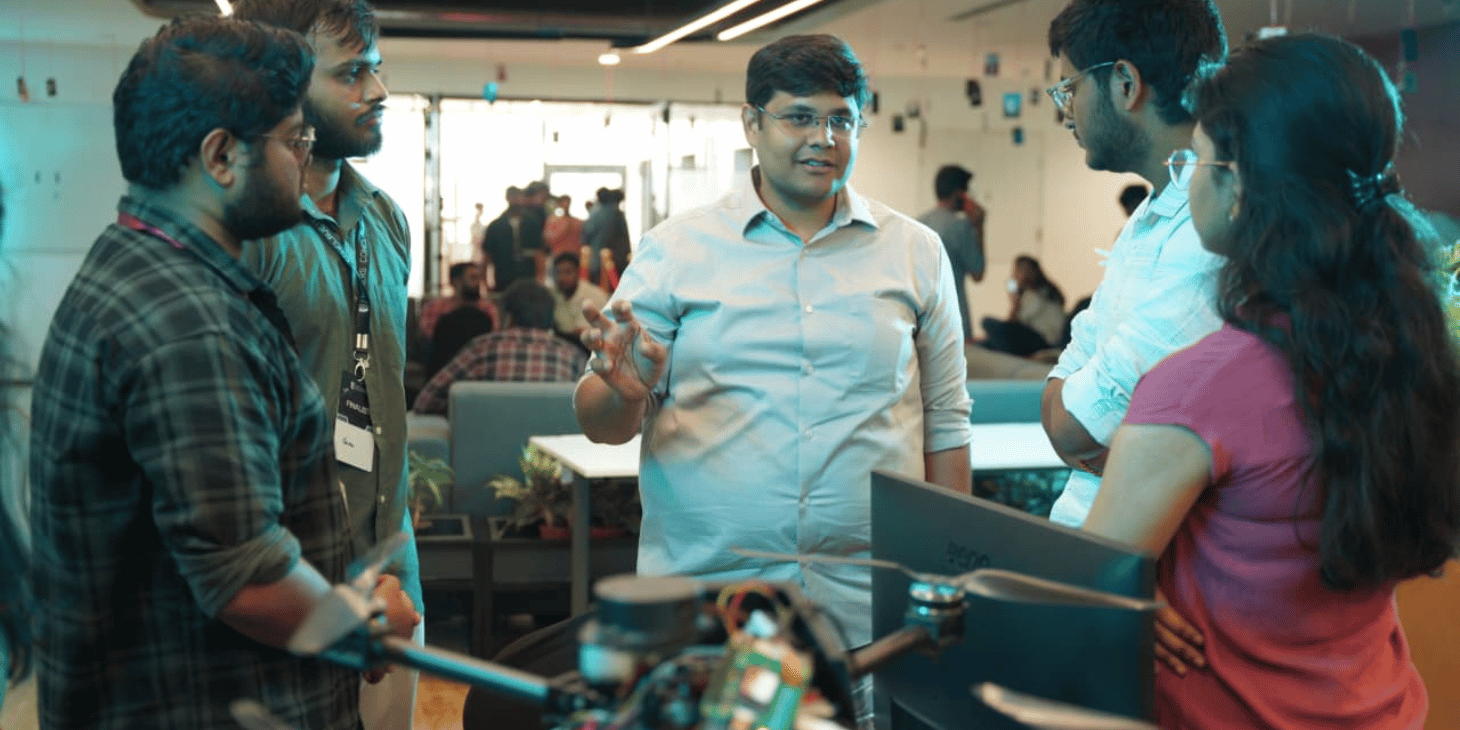
Representing Rosatom, Vijay Joshi, Director of Business Development at the Rosatom South Asia Regional Center, delivered a presentation titled “Nuclear Energy in New Industrial Applications.”
During the session, Rosatom highlighted how nuclear energy can extend beyond electricity generation to support industrial infrastructure, clean energy production and emerging industrial applications.
According to the company, large nuclear power plants can provide reliable low-carbon baseload electricity for industries, while future deployment of small modular reactors could support energy requirements at industrial sites, remote regions, ports, desalination facilities and clean fuel production.
Vijay Joshi, Director of Business Development, Rosatom South Asia Regional Center, said, “Rosatom views nuclear energy not only as a source of grid electricity but also as an infrastructure foundation for industrial growth. This approach entails using large nuclear power plants for reliable, low-carbon baseload generation, and, in the future, small modular reactors for individual industrial sites, remote regions, ports, water desalination projects, and clean fuel production.”
The dialogue formed part of wider discussions on India’s long-term objective of expanding nuclear power capacity as part of its clean energy strategy while supporting industrial development and energy security.
Rosatom said its global experience spans energy, engineering and advanced technologies, enabling it to contribute across multiple sectors of the nuclear value chain.
The company currently operates more than 550 enterprises and organisations worldwide and employs approximately 415,000 people.
Beyond nuclear energy, Rosatom is also involved in advanced technology programmes including quantum computing. Since 2020, the company has led Russia’s national quantum computing roadmap, bringing together research institutions and universities to develop quantum technologies and practical industrial applications.
Rosatom said it plans to further expand its research activities into quantum sensors from 2026 as part of its broader technology development programme.
At Prittle Prattle News, featuring you virtuously, we celebrate the commitment and innovation. Led by Editor-in-Chief Smruti Bhalerao, our platform is dedicated to sharing impactful stories that inspire change and create awareness. Follow us on LinkedIn, Instagram, and YouTube for more stories that matter.
About Prittle Prattle News
Prittle Prattle News is a digital news publication covering business, technology, healthcare, education, lifestyle, public affairs and other developments from India and around the world. Led by Editor-in-Chief Smruti Bhalerao, we publish timely news, industry updates and feature stories for a broad readership.



























References:
Hitnspin Casino Test http://toolbarqueries.google.pn/url?q=http://images.google.de/url?q=https://instantcasinodeutschland.de/
References:
Da Vinci’s Casino Auszahlung http://bbs.pinggu.org
References:
Robocat Casino Erfahrungen http://sarlab.ru/bitrix/rk.php?goto=https://vcardgrow.in/janikcc8128568
References:
Stargames Casino Login https://cutrun.ru/bitrix/rk.php?goto=https://pracaeuropa.pl/companies/1go-casino-bonus-freispiele-2026/
References:
Candy Casino Bewertung http://prod-dbpedia.inria.fr/describe/?url=http%3A%2F%2Fwww.jobindustrie.ma%2Fcompanies%2F1go-casino-%e1%90%85-erfahrungen-test-bewertung%2F
References:
Erwin Casino Erfahrungen https://pennswoodsclassifieds.com/user/profile/572648