




The three‑day conference unites 150+ educators, researchers and industry experts for keynotes, panels and workshops shaping the future of CS education
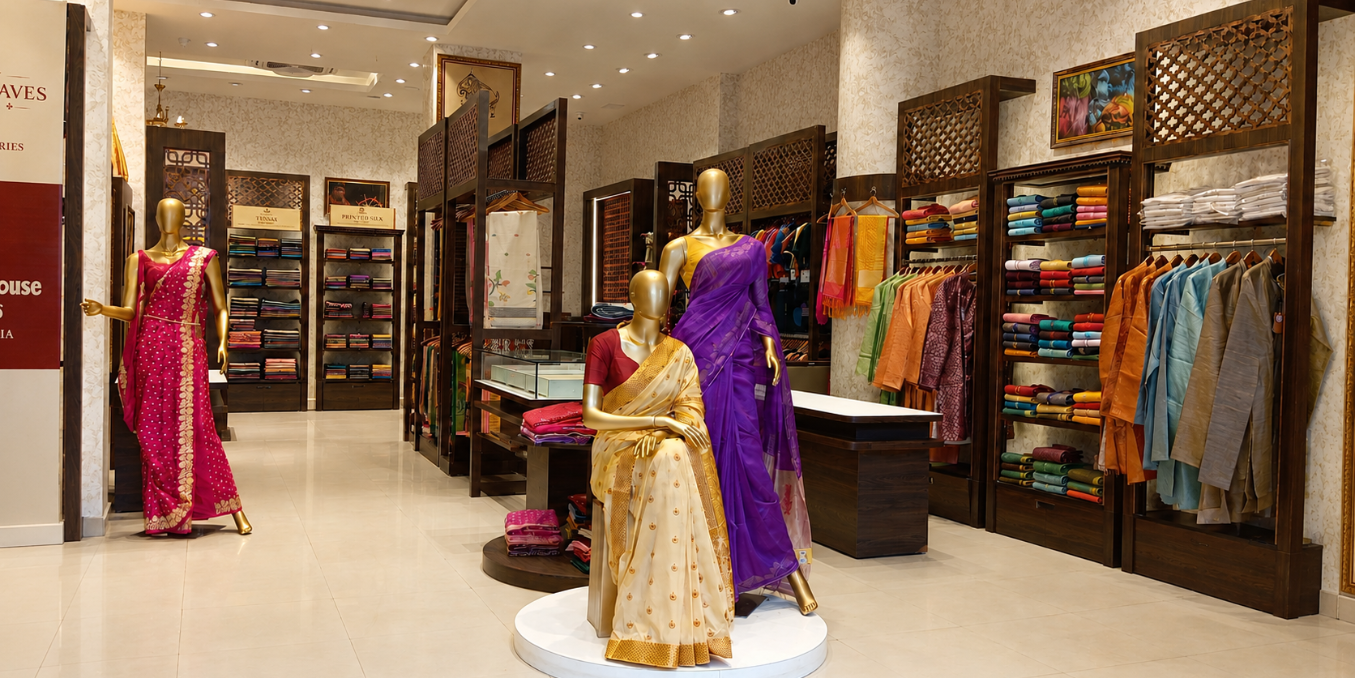
India’s jewellery market is entering a new phase of technological transformation, where the key competitive advantage is no longer the carat of a diamond but the memory of a brand. With the sector expected to grow from $93 billion in 2025 to $195 billion by 2032, according to Grand View Research, jewellers across the country are under pressure to modernise not just their showrooms but their systems of remembering.
In traditional formats, the family jeweller held power not just through inventory but through emotional intelligence. He remembered wedding anniversaries, family milestones, and product preferences, often handwritten in a ledger or retained in personal memory. However, this high-touch model is now straining under the demands of scale, omnichannel interactions, and rising consumer expectations.
One of the most pressing issues is what the industry now calls touchpoint leakage. A single customer’s buying journey might begin with an Instagram message, followed by a WhatsApp query, an in-store visit, and multiple website interactions. These actions remain disconnected in many legacy retail systems, leaving store staff unaware of what a customer has already explored online or asked previously. McKinsey research warns that such disjointed engagement can cost businesses between 4 and 10 percent of their annual gross margins. The National Retail Federation has further highlighted that nearly three-quarters of customers expect seamless omnichannel interactions as a standard, not a luxury.
To resolve this memory crisis, jewellers are replacing static Customer Relationship Management systems with more intelligent, autonomous solutions. One of the key players in this emerging landscape is Zithara AI, a Hyderabad-based technology provider specialising in what they call agentic AI, systems built to adapt to the high-touch demands of luxury retail.
Zithara AI’s solution is grounded in its proprietary Model Context Protocol, which allows retailers to build a real-time behavioural profile of each customer. Instead of treating all inquiries equally, the platform interprets patterns such as browsing frequency, product types, and family life events to create what the company calls a customer DNA. This allows retail teams to reach out at the right time, with the right product, using the right platform.
The transformation is playing out in two major tracks. On one end, large jewellery brands are investing heavily in unifying their customer data across hundreds of stores and digital channels. These initiatives involve technology partnerships to build consolidated data systems for hyper-personalised outreach. On the other end, more agile brands are integrating AI-native platforms like Zithara to immediately activate memory-driven customer intelligence without a complete systems overhaul.
The outcomes are already visible. Jewellery brands that previously relied on manual data entry are now using Zithara AI’s automated tools to capture leads across Facebook, Google, and walk-in traffic, leading to complete visibility into customer intent. Repeat purchases, once dependent on instinct and seasonal promotions, are now driven by context-aware nudges, timed to family functions, anniversaries, or past buying patterns. Dormant customers, long considered lost, are being reactivated through automated messaging campaigns triggered by digital footprints.
Perhaps the most transformative outcome is the rise of what insiders call the augmented associate. AI is not replacing floor staff. Instead, it is enhancing them. A store manager, equipped with a mobile AI assistant, can now walk into a consultation fully aware of a customer’s past purchases, saved designs, and even recent browsing history. The interaction feels familiar, informed, and human. It achieves the personal touch of a legacy jeweller but at the operational scale of a nationwide chain.
While the term agentic AI might sound futuristic, its application is rooted in retail pragmatism. By decentralising memory from a few key staff and embedding it into operational systems, brands are making their frontline more resilient, more responsive, and more respectful of the customer’s time and history.
The broader implication of this shift is not limited to the jewellery industry. As digital interactions multiply and customer patience shortens, the ability to remember at scale has become a market differentiator across sectors. But in jewellery, where sentiment, tradition, and timing matter deeply, this memory gap can cost not just a sale but a relationship.
Zithara AI’s work is a reflection of this evolution. By building technology around the nuances of Indian retail, where family events drive buying decisions and customers expect familiarity, they are offering jewellers not just a software product but a method to preserve the legacy of relationship-based selling in a modern context.
As India’s jewellery market continues its rapid growth, the brands that will lead are those who can balance memory with scale. Forgetting is no longer an option. The tools are here. The intent is clear. The future will be defined not by who sells more, but by who remembers better.
This story is reported by Prittle Prattle News, featuring you virtuously under the editorial direction of Smruti Bhalerao, who continues to spotlight how Indian industries are navigating the intersection of heritage and innovation.
At Prittle Prattle News, we honor your dedication and inventiveness led by showcasing you in a positive light. Under the direction of Editor-in-Chief Smruti Bhalerao, our platform is committed to disseminating powerful narratives that raise awareness and motivate change. For more important stories, follow us on LinkedIn, Instagram, and YouTub
About Prittle Prattle News
Prittle Prattle News is a digital news publication covering business, technology, healthcare, education, lifestyle, public affairs and other developments from India and around the world. Led by Editor-in-Chief Smruti Bhalerao, we publish timely news, industry updates and feature stories for a broad readership.










Add Comment