



Niranjan Gidwani reflects on how Nelson Mandela’s courage, character, and forgiveness reshaped a nation and redefined ethical leadership
In the vocabulary of leadership, few names command as much reverence as Nelson Mandela. Universally known as the man who liberated South Africa, Madiba, as he was fondly called, gave the world a new blueprint of power built on restraint, empathy, and unity.
In this edition of Mindspeak Series, veteran strategist and board director Niranjan Gidwani, explores the timeless lessons in leadership that Mandela personified.
A President Who Unified a Divided Nation with Sport
Mandela’s story is often retold through the iconic 1995 Rugby World Cup. Just a year into the country’s post-apartheid transition, racial tensions ran deep. Black South Africans saw the Springboks, the nation’s rugby team, as a symbol of oppression. Mandela saw an opportunity.
Rather than dismantling the team, Mandela invited them to become a symbol of unity. He met with captain Francois Pienaar and shared the poem Invictus, which had inspired him during 27 years in prison. He wore the team’s jersey at the finals, bearing the number of the captain.
South Africa won against the odds. But it was Mandela who triumphed, using rugby to stitch together a fractured national spirit.
The Strength to Forgive a Tormentor
Another powerful moment came not from a stadium but a restaurant. Mandela, as president, once invited a man to his table during lunch with his security team. The man trembled through the meal. He had been a prison guard, one who had routinely humiliated Mandela.
Now seated next to the most powerful man in the country, he expected retaliation. Mandela offered grace. “This is not part of my character,” he told his security team. It was not weakness but strength that allowed him to forgive.
Not Always Popular, But Always Principled
Gidwani reflects on his visits to Johannesburg, where some still labeled Mandela a traitor for not seeking vengeance. But Mandela never sought applause. He chose what he believed was right, even if it meant being misunderstood.
True leadership, as Gidwani writes, is about moral courage, not popularity.
Leadership in Our Times
The Madiba model stands in contrast to today’s leadership environment. In a world quick to judge and slow to forgive, Mandela’s legacy reminds us that unity is built on dialogue, not division.
Forgiveness does not erase the past. It empowers the future.
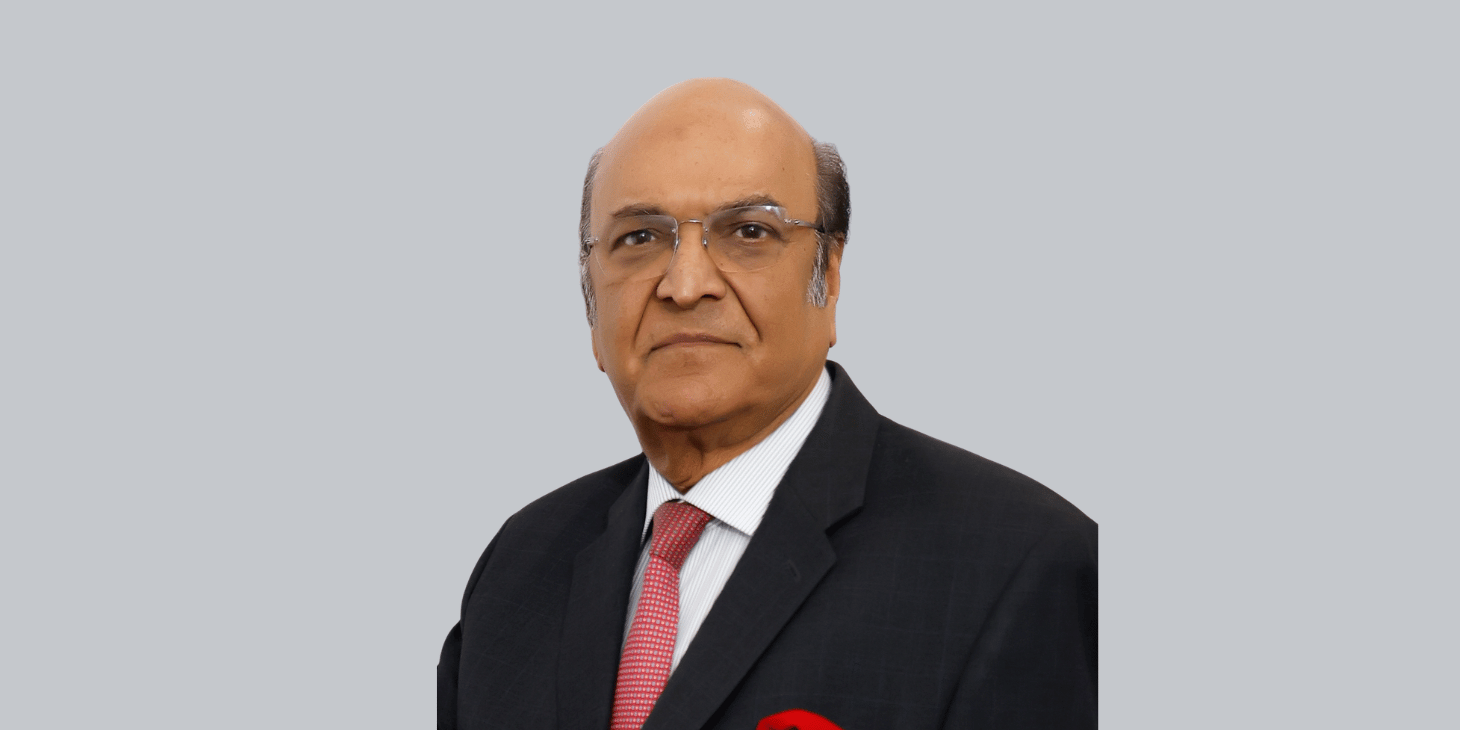
Niranjan Gidwani is a Certified Board Director, ESG Strategist, and Board Member on multiple platforms. He serves as a member of the UAE Superbrands Council and the Harvard Business Review Advisory Council. A thought leader in ethics and enterprise transformation, he brings decades of leadership insight to Prittle Prattle News.
At Prittle Prattle News, we honor your dedication and inventiveness led by showcasing you in a positive light. Under the direction of Editor-in-Chief Smruti Bhalerao, our platform is committed to disseminating powerful narratives that raise awareness and motivate change. For more important stories, follow us on LinkedIn, Instagram, and YouTube.
About Prittle Prattle News
Prittle Prattle News is a digital news publication covering business, technology, healthcare, education, lifestyle, public affairs and other developments from India and around the world. Led by Editor-in-Chief Smruti Bhalerao, we publish timely news, industry updates and feature stories for a broad readership.






















Thank you for your sharing. I am worried that I lack creative ideas. It is your article that makes me full of hope. Thank you. But, I have a question, can you help me?