




Speaking at FICCI HEAL 2025, the Philips India leader warns against metric-led tokenism and advocates for impact-led patient care
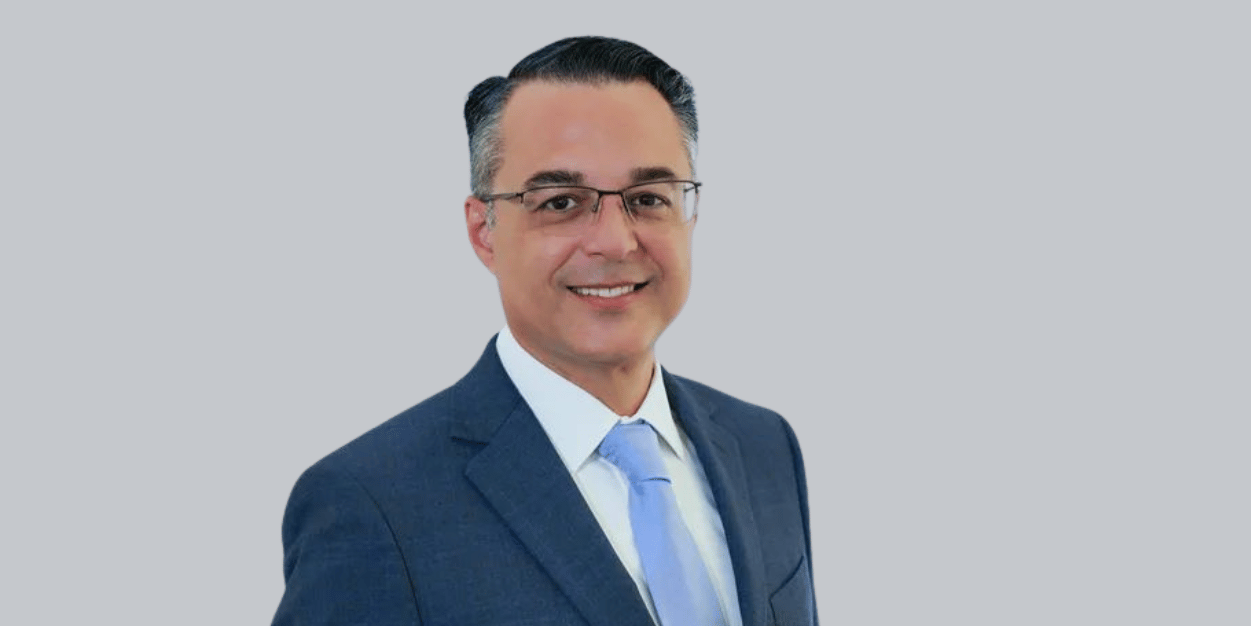
In a keynote address at FICCI HEAL 2025, Varun Khanna, Managing Director of Philips India, called for an urgent pivot in India’s healthcare planning from infrastructure-heavy metrics to outcomes that reflect lived patient realities. His speech echoed through the summit’s theme, “CARE@25 Defining Moments in Healthcare,” as he laid out a five-point framework that challenges conventional models of growth.
Khanna warned against reducing progress to the number of beds, ventilators, or health centres constructed. Beds and buildings are easy to count. But true progress is when healthcare becomes available, affordable, and trusted by every Indian, he stated. Emphasising patient-centricity and value-based care, Khanna argued that India’s Healthcare Vision 2047 must focus on what systems deliver rather than what they build.
He opened with a reflection on the sector’s evolution since independence, stating that while India has made strides in expanding access and frugal innovation, the next phase demands future-readiness, trust-building, and measurable patient impact.
Khanna’s framework for a future-ready health system included affordability, access, quality, frugality, and trust. He stressed that frugality should not be mistaken for cutting corners. Frugality in healthcare is not about low-cost care. It’s about high-value care innovating without compromising outcomes.
A strong advocate for digital health infrastructure, Khanna also called for trust to become a policy metric. We measure beds and buildings, but we don’t measure trust. Yet, without trust, systems fail to deliver,” he said. Highlighting India’s digital health mission, he reinforced the importance of tech-enabled care that doesn’t alienate patients, especially those in remote or low-literacy regions.
Citing examples from Philips India’s health technology initiatives, Khanna advocated for a model where technology and empathy go hand in hand ensuring that digitisation strengthens rather than complicates the patient experience.
Addressing the role of the private sector, Khanna argued for deeper collaboration between businesses and the government. Health cannot be delivered by the government alone. Nor can it be steered by industry in isolation, he said. His remarks urged policymakers and private players to share responsibility in building healthcare access that goes beyond tokenistic partnerships.
As India looks towards its 100th year of independence in 2047, Khanna stressed that healthcare should be at the core of national development. Healthcare is not a cost centre. It is a human capital investment, he concluded. His address served as a call to action for leaders, institutions, and practitioners to design systems that are resilient, inclusive, and human-first especially in the face of future health emergencies.
At Prittle Prattle News, we honor your dedication and inventiveness led by showcasing you in a positive light. Under the direction of Editor-in-Chief Smruti Bhalerao, our platform is committed to disseminating powerful narratives that raise awareness and motivate change. For more important stories, follow us on LinkedIn, Instagram, and YouTube.
About Prittle Prattle News
Prittle Prattle News is a digital news publication covering business, technology, healthcare, education, lifestyle, public affairs and other developments from India and around the world. Led by Editor-in-Chief Smruti Bhalerao, we publish timely news, industry updates and feature stories for a broad readership.








Add Comment