






The three-day programme covered BI concepts, Power BI, Excel-based analysis and predictive techniques to support stronger public health decision-making.
IIHMR University has concluded a three-day Management Development Programme on Data Analytics and Business Intelligence for professionals from the World Health Organization South-East Asia Regional Office. The programme brought together nineteen participants who work across different functions in regional public health and were looking to strengthen their ability to use data for operational, programmatic and strategic decisions.
The training was structured to help participants move from basic data handling to more advanced analytical thinking. It combined classroom sessions, case discussions, practical exercises and applied assignments that reflected real health system challenges. The intention was to provide a setting in which participants could test new tools and approaches while also examining how data-driven processes can support public health planning across the region.
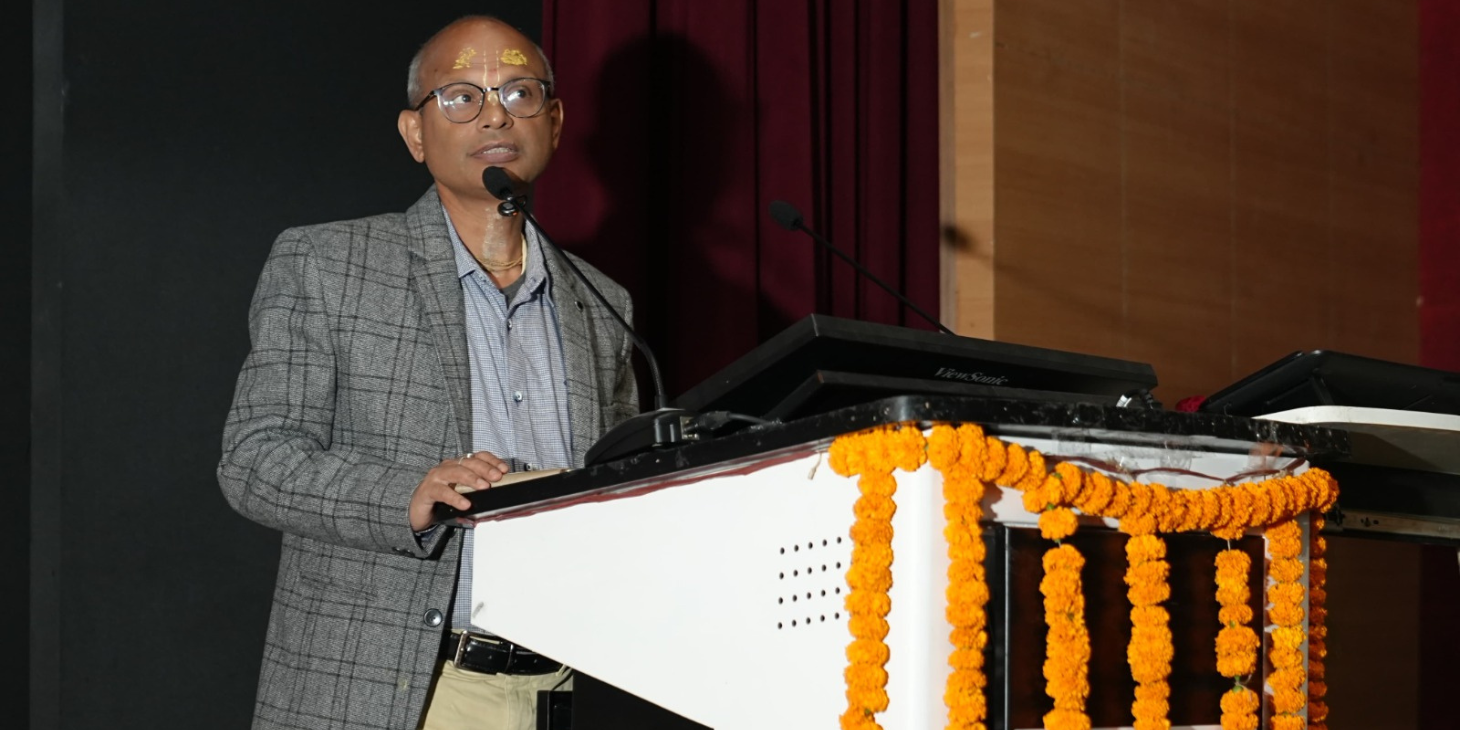
Dr PR Sodani, President of IIHMR University, noted that the health sector is generating large volumes of information every day, from disease surveillance and digital health records to community-level indicators and programme data. He said that the ability to interpret this information effectively is now essential. Timely analysis can influence preparedness, early response and resource planning. He added that the purpose of programmes such as this is to equip public health professionals with the skills required to draw meaningful insights from complex data environments. He emphasised that stronger analytical capacity contributes to better intervention design and improved outcomes for communities.
The programme content was designed to help participants understand the full chain of data use, beginning with basic structure and moving toward interpretation, visualisation and decision support. Sessions covered the fundamentals of Business Intelligence and the ways in which organisations integrate BI into planning and operations. Participants worked on data visualisation techniques, explored methods for dashboard creation and reviewed examples of how visual tools can be used to communicate trends, risks and performance indicators. The programme placed particular emphasis on Power BI and how it can be applied to public health datasets.
The training also included detailed modules on Excel-based analysis. Participants were introduced to techniques for cleaning and manipulating datasets, including pivot tables, functions such as VLOOKUP and Index Match, and automation through macros. These sessions allowed them to work hands-on with health data, helping them understand how routine tools can be applied to the specific demands of health system monitoring and programme review. The faculty also introduced predictive concepts, focusing on how analytical techniques can be used to identify patterns and potential risks.
Throughout the three days, discussions explored how data supports policy, surveillance and programme improvement. Participants examined examples from national and regional health systems, reviewing the way BI tools have been used to track indicators, identify service gaps, monitor programme performance and guide decisions. The training emphasised the importance of data quality, consistency and contextual understanding. Faculty members encouraged participants to question assumptions, validate information and examine the story behind each dataset.
The programme was facilitated by IIHMR University faculty members Dr Ritu Vashistha, Dr Purnendu Shekhar Pandey and Dr Swapnil Gadhave. Each brought experience drawn from academic research, management education and field-level engagement. Their sessions helped link technical methods with the realities of public health practice, offering examples of how analytics can support surveillance, system strengthening and planning across the South-East Asia region.
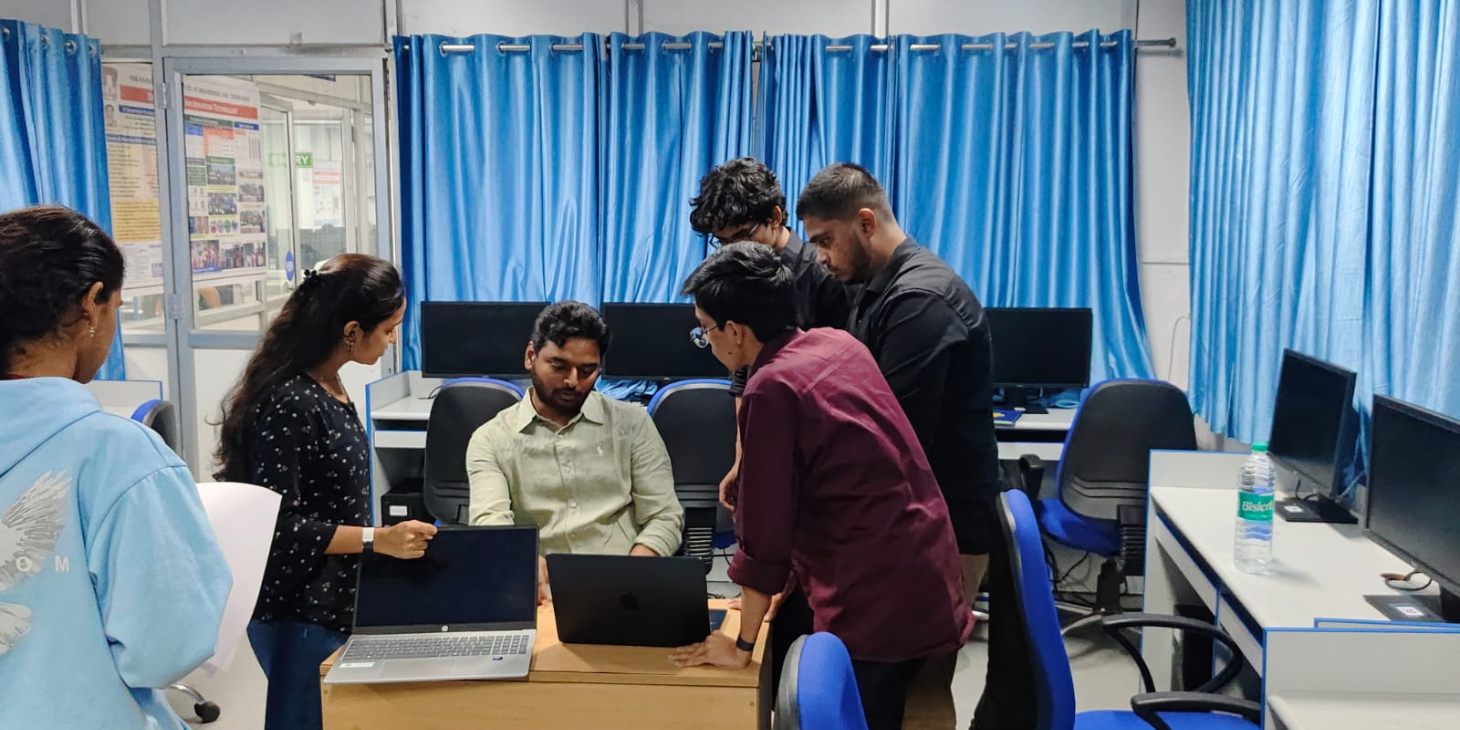
Participants worked in groups on short assignments, case exercises and practical demonstrations that required them to apply the tools discussed in the sessions. The concluding presentations allowed each group to summarise what they had learned and how they might apply the skills within their own work environments.
By the end of the programme, participants gained exposure to a structured approach to Business Intelligence and analytics. They also engaged with new tools that can help them examine data more effectively and present insights more clearly. IIHMR University stated that the objective of this programme, and others like it, is to support public health professionals as they undertake more complex analytical responsibilities in the region.
The training reflects the increasing importance of evidence-based decision-making in public health. As countries across the South-East Asia region strengthen digital platforms, surveillance systems and reporting processes, professionals who can interpret and apply data are essential to improving early detection, planning and preparedness. Programmes such as this help build the analytical foundation needed to support more responsive and informed systems.
IIHMR University noted that it will continue developing specialised offerings that respond to the needs of the public health workforce. The university acknowledged the participation of the nineteen professionals from the World Health Organization South-East Asia Regional Office and highlighted the value of continued collaboration in capacity-building initiatives. The institution stated that the programme reinforced its commitment to strengthening public health leadership and analytical capability in the region.
At Prittle Prattle News, we honor your dedication and inventiveness led by showcasing you in a positive light. Under the direction of Editor-in-Chief Smruti Bhalerao, our platform is committed to disseminating powerful narratives that raise awareness and motivate change. For more important stories, follow us on LinkedIn, Instagram, and YouTub
About Prittle Prattle News
Prittle Prattle News is a digital news publication covering business, technology, healthcare, education, lifestyle, public affairs and other developments from India and around the world. Led by Editor-in-Chief Smruti Bhalerao, we publish timely news, industry updates and feature stories for a broad readership.








Add Comment